
Reviewed · NYC WALKING TOURS
Brooklyn: 2-Hour Prospect Park Guided Walking Tour
Prospect Park is more than Brooklyn’s big patch of green. Its waterfalls, streams, lakes, and wooded Ravine were planned as part of a grand work of art, yet the park also feels like a living place where turtles sun themselves, dogs chase frisbees, and Brooklyn families gather. This two-hour walk explains how nature and design meet here.
I like the small group of no more than nine people, which gives you a better chance to hear the guide and ask questions. I also like the focus on both the park’s original design and its current conservation work, so you get more than a list of names and dates.
The main thing to consider is the distance: you’ll walk about 2 miles, or 3.2 kilometers, rain or shine. There are a few places to sit, but comfortable shoes, water, an umbrella, and weather-ready clothing are important.
Key points to know before you go
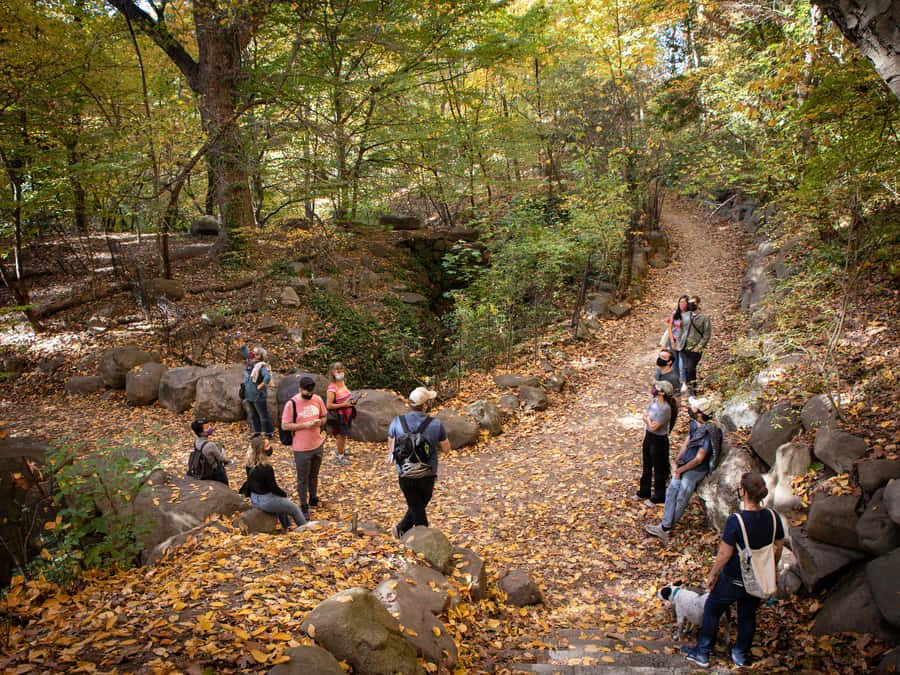
- See a manmade watercourse in action: The park’s waterfalls, lakes, and streams were designed features, not simply untouched nature.
- Walk through three major park settings: The route includes Long Meadow, the Ravine, and the connected system of lakes and streams.
- Learn from a local guide: The commentary covers Frederick Law Olmsted and Calvert Vaux, wildlife, architecture, and the park’s changing public use.
- Expect a small-group outing: The maximum group size is nine participants, making the walk more personal than a large sightseeing tour.
- Plan for two miles on foot: The tour lasts two hours and operates in all weather, with several stops where you can sit.
- Pay $25 for context and access: The price is reasonable if you want the park’s design and history explained rather than simply photographed.
Starting at Brooklyn Public Library and Grand Army Plaza
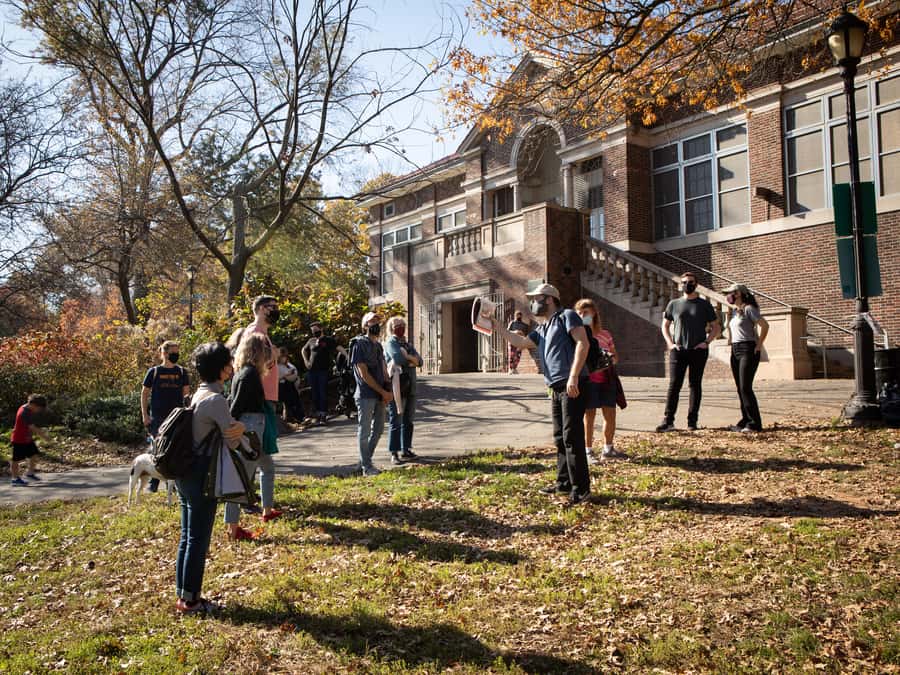
The meeting point is easy to identify: the front steps of the Brooklyn Public Library Central Library at 10 Grand Army Plaza. You can reach it from the Grand Army Plaza subway station on the 2 or 3 trains, or from 7th Av on the B or Q.
That location gives the tour a clear beginning. You are not meeting deep inside the park or searching for a vague trail entrance. From the library, the guide can set the park in its Brooklyn setting before leading you toward its paths, water, and open spaces.
I would arrive a little early, especially if you are unfamiliar with Grand Army Plaza. The tour starts outdoors, so this is also your last simple chance to adjust your shoes, fill your water bottle, or add a layer before the walk gets underway.
The guide speaks English, and the group is limited to nine people. That size matters on a walking tour. You can usually stay close enough to follow the explanation, and questions are less likely to disappear into a crowd.
More Walking Tours in Brooklyn
- Brooklyn Food Walking Tour: Local Eats & Family‑Run Shops
★ 5.0 · 592 reviews - Brooklyn: Bushwick Street Art Walking Tour
★ 4.7 · 462 reviews - NYC: Brooklyn Bridge and Dumbo District Walking Tour
★ 4.7 · 200 reviews
Long Meadow, where the park opens wide
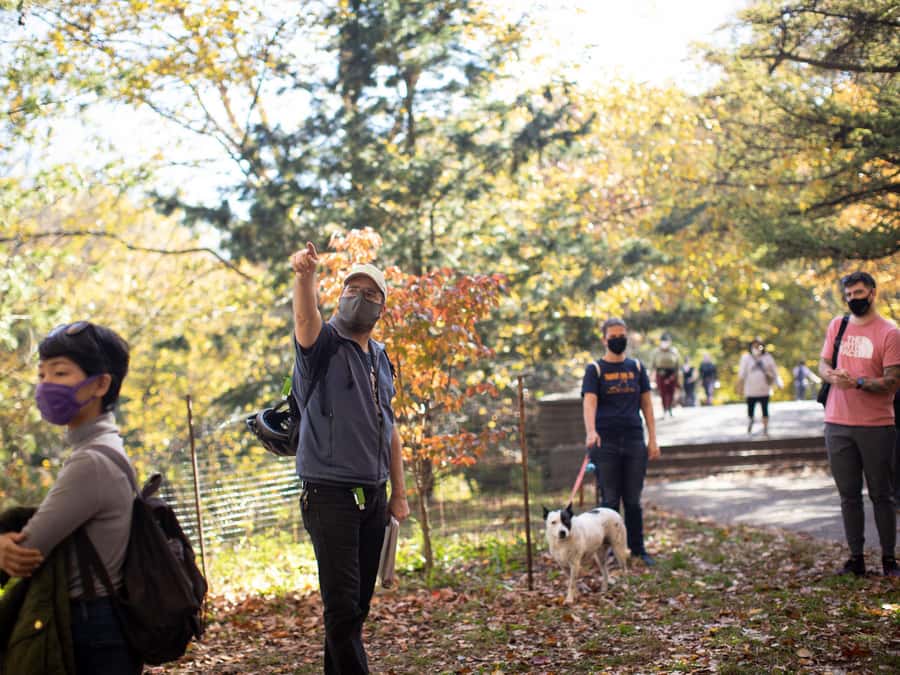
Long Meadow is one of the first major settings to help you understand Prospect Park’s scale. The broad open space offers a sharp change from the more enclosed wooded areas and water features later in the route.
Here, the guide discusses how the park’s designers, Frederick Law Olmsted and Calvert Vaux, imagined the grounds. Their work was not simply about placing trees and paths wherever space allowed. The open meadow, wooded areas, water, and built features were arranged to create different moods as you moved through the park.
That explanation is useful because a casual walk can make Prospect Park seem like a collection of unrelated scenes. The tour helps you notice how the open meadow works as part of a larger plan. You begin to read the park instead of only passing through it.
Long Meadow is also a practical place to get comfortable with the pace. The outing covers about two miles in two hours, so it is not a race. The guide makes stops along the way, and the walk includes a few places to sit, but you should still expect steady movement.
The Ravine and the park’s planted wilderness
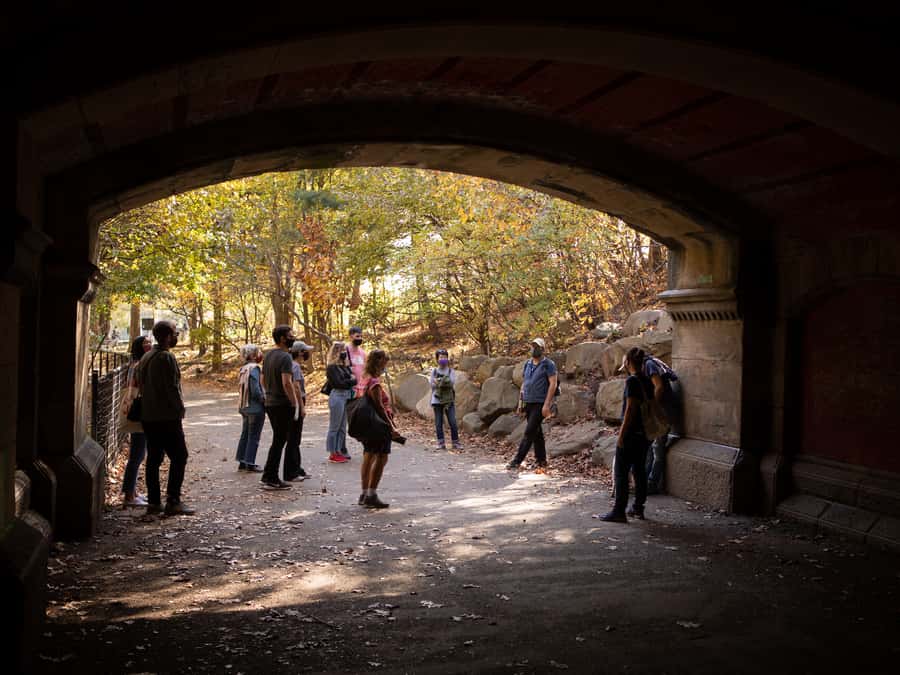
The route then reaches the Ravine, a more enclosed part of Prospect Park where the feeling changes again. The contrast with Long Meadow is one of the tour’s strongest features. You move from a wide, open field into a setting shaped by trees, paths, and water.
This is where the story of the park’s natural and human history becomes especially clear. The tour explains the flora and fauna found in the park while also showing how the built environment reflects different architectural eras. You are not asked to choose between nature and design. The point is to see how both were planned, maintained, and altered over time.
The Ravine also gives the guide a good setting for explaining the park’s water system. Prospect Park’s water features are part of its visual appeal, but they also raise a useful question: how much of what looks natural was deliberately made? The answer helps you understand the ambition behind the park.
If you enjoy urban ecology, this section may be the most rewarding part of the walk. You learn about plants and animals that share the park with people, along with the work needed to care for those spaces. If you mainly want famous views and fast photographs, the steady commentary may feel slower than a self-guided stroll.
Waterfalls, lakes, and streams built for beauty
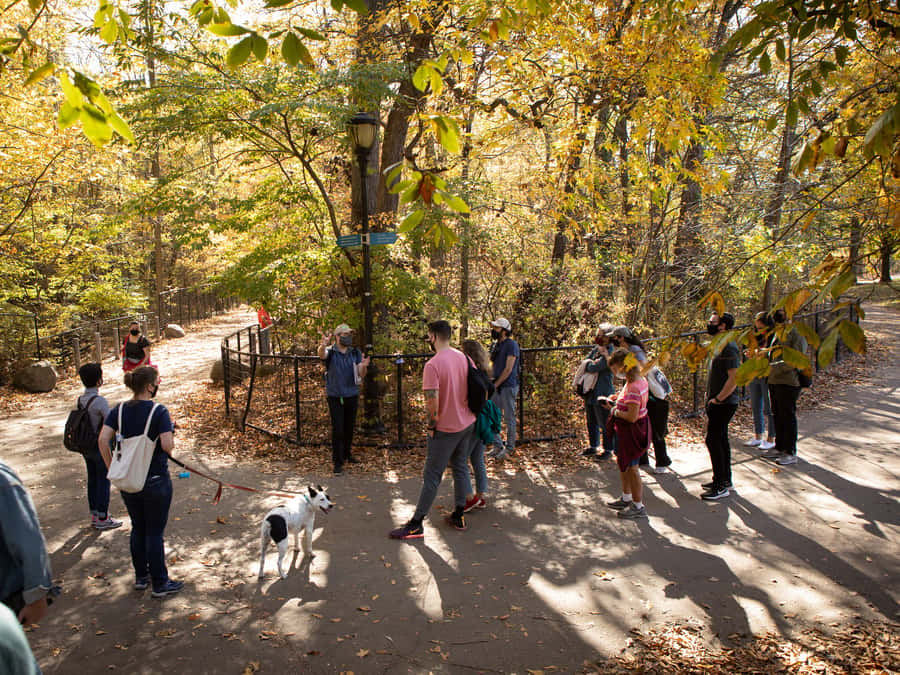
The waterfalls and connected water features are a highlight of the tour. You get to see the watercourse while learning that it is a manmade part of the park’s design.
That detail changes the way you look at the scene. A waterfall in a city park can seem like a purely natural escape, but here it is also a piece of planning and engineering. The guide connects the water to the park’s original vision, helping you understand why these features were included and how they fit with the surrounding paths and wooded areas.
The walk also visits the park’s system of lakes and streams. These features give the route variety, but they also make the park’s history easier to follow. You can see how water, open grass, trees, and circulation routes were brought together to create a sequence of views.
Wildlife adds a lighter touch. You might see turtles sunning themselves near the water, while dogs chase frisbees across the park. The tour uses these everyday scenes to discuss the animals that have played a role in the park’s history and the way people use the grounds today.
The experience is not a dedicated wildlife outing, so you should not book it expecting guaranteed animal sightings. The point is the relationship between wildlife, recreation, and park management. That wider view gives the water features more meaning than a quick stop for a photograph.
More NYC Walking Tours:
- NYC: Brooklyn Graffiti & Street Art Walking Tour in Bushwick
★ 4.8 · 492 reviews - Graffiti & Street Art Walking Tour in Brooklyn
★ 5.0 · 255 reviews - Brooklyn: Dyker Heights Christmas Walking Tour
★ 4.5 · 249 reviews - Walking tour in Manhattan Brooklyn Bridge and Waterfront
★ 5.0 · 222 reviews
Reading the park through its people and buildings
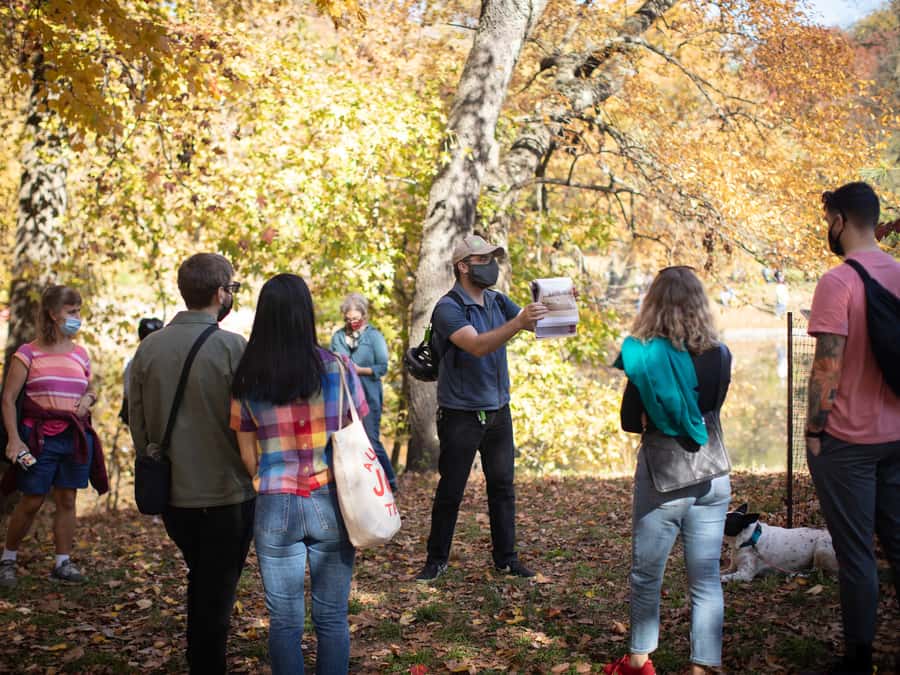
Prospect Park’s story is also a story about Brooklyn residents and the people who helped create and reshape the park. The guide talks about the citizens and communities involved in its development, as well as the original design ideas of Olmsted and Vaux.
That human side keeps the tour from becoming a narrow design lecture. A public park exists because people decide what it should do, who it should serve, and how it should change. The tour follows those questions through the park’s use over time.
You also hear about the architectural eras visible in the built environment. This may appeal to you if you like noticing details that are easy to miss on your own. The buildings and constructed elements are not treated as decoration alone. They help show how different periods left their mark on the park.
The guide’s job here is to connect separate clues. A path, a water feature, an open area, and a structure can seem unrelated if you are walking alone. With context, they become parts of a continuing public project.
Conservation and the park’s next chapter
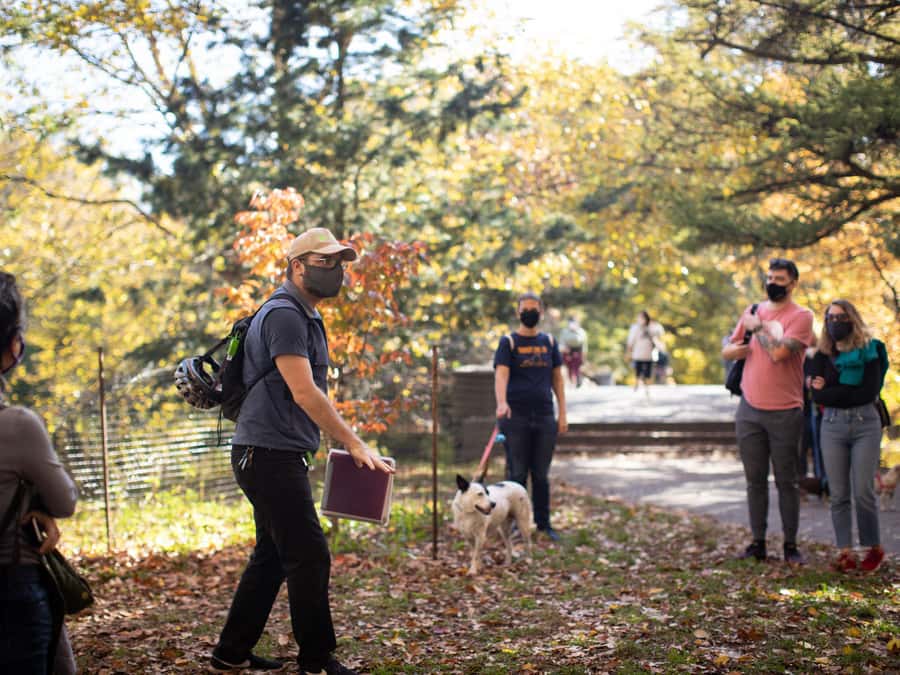
The tour does not stop with the park’s original designers. It also covers projects underway today that support environmental conservation, historic preservation, and recreational and cultural access.
I appreciate this forward-looking part of the route. It shows that Prospect Park is not a finished monument frozen in the nineteenth century. The park has to respond to current needs while caring for its older design and natural systems.
For you, that means the tour offers a useful balance. You learn why the park looks the way it does, then consider the work required to keep it useful for Brooklyn residents and visitors. The emphasis is not only on what happened long ago, but also on how public places adapt.
This is one reason the walk may suit repeat visitors to New York. You do not need to be seeing Prospect Park for the first time to gain something from the discussion of conservation and changing use. The tour gives familiar paths a new set of questions.
What the two-hour pace feels like
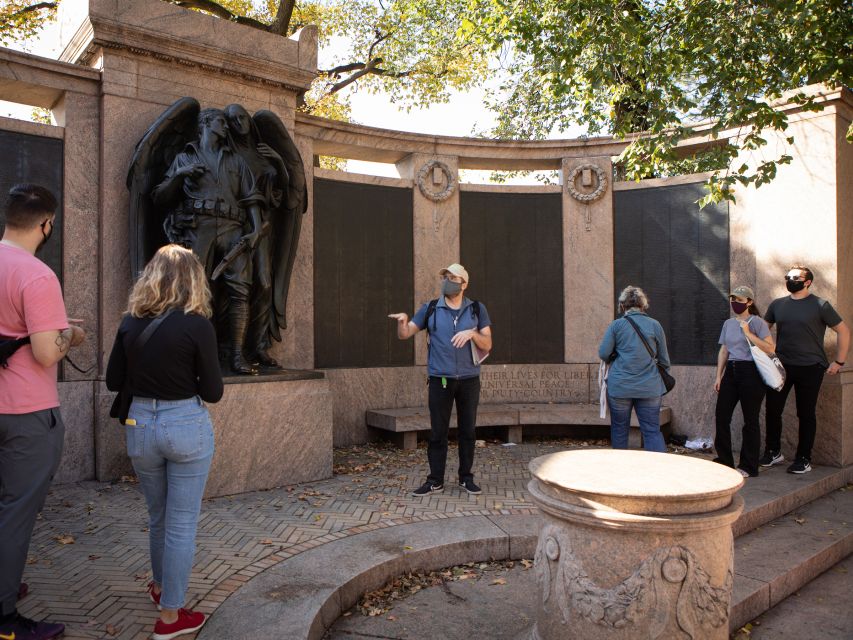
Two hours is enough time to cover the key settings without turning the outing into a full-day commitment. The route includes about two miles of walking, with stops for explanation and a few places to sit.
You should expect an active but manageable pace rather than a strenuous hike. Still, the distance is real, and the tour operates rain or shine. Wear comfortable shoes and dress for the forecast. Bring water and an umbrella, especially because the experience does not move indoors when the weather turns poor.
The tour is wheelchair accessible. Because the route includes outdoor walking and a stated distance of 3.2 kilometers, you should consider your own comfort with that amount of movement and ask the provider about any specific access needs before booking.
The small group makes the pace easier to follow. You are not trying to keep up with dozens of people at once, and the guide can keep the commentary connected to what you are seeing. The English-only format is worth noting if you need another language.
Is $25 a fair price?
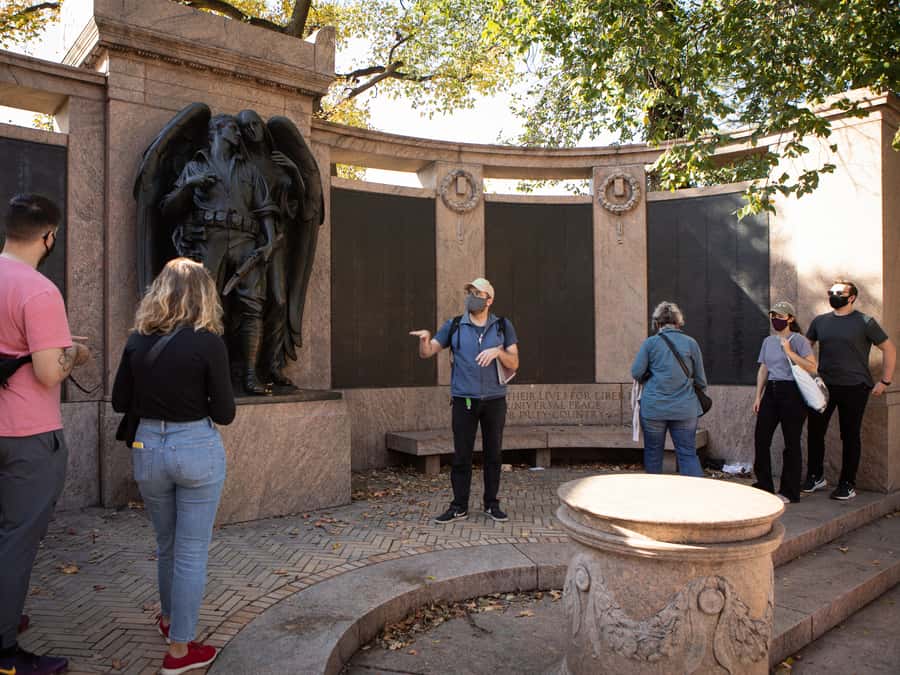
At $25 per person, this is a good-value choice if you want interpretation rather than transportation or admission to a paid attraction. Prospect Park itself is public, so you can walk it for free. The fee pays for the guide’s planning, local knowledge, and the connections between natural features, design, wildlife, and public life.
I would not choose this tour if your only goal is to stroll at your own speed. A self-guided visit gives you more freedom to stop, sit, photograph, or change direction. You also avoid committing to a two-hour route in uncertain weather.
The price becomes easier to justify if you have limited time in Brooklyn or want a clear introduction to the park. In two hours, you cover several distinct areas and come away with a framework for exploring more on your own.
A full refund is available when you cancel at least 24 hours ahead, and you can reserve now and pay later. Those terms help if your New York plans are still shifting, though the weather policy means you should be prepared to walk in rain.
Who will get the most from this walk?
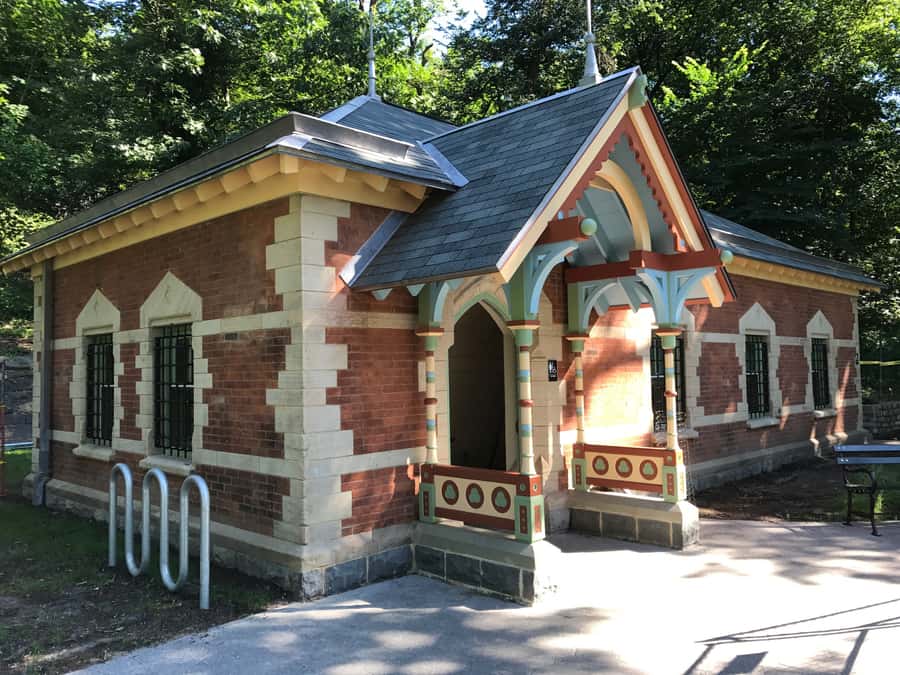
I recommend this experience to first-time visitors who want to understand Prospect Park rather than simply pass through it. It is also a good fit for people interested in urban planning, public parks, architecture, wildlife, and conservation.
Families may enjoy the mix of water, turtles, open grass, and dogs, though the two-mile route requires children to be comfortable walking for much of the outing. Anyone hoping for a quick photo stop should choose a shorter visit instead.
The tour also works well for New Yorkers who have used Prospect Park but never learned how its parts fit together. The changing scenes become more interesting when you know they were designed as a connected experience.
The highest praise here goes to the guide’s clear explanation of the people and ideas behind the park, along with the beautiful sights along the route. The overall rating is 5 out of 5 from six reviews, and the strongest themes are the quality of the information, the guide’s engaging approach, and the way the park continues to adapt to new needs.
Should you book the Prospect Park walk?
Book it if you want a thoughtful introduction to Brooklyn’s best-known public park, especially if waterfalls, lakes, design, and conservation interest you. The $25 price is fair for a small group and two hours of focused local context.
Skip it if you dislike fixed walking routes, need to avoid outdoor plans in poor weather, or prefer exploring without commentary. For everyone else, this is a practical way to see Prospect Park’s major natural and historic settings while learning why the park looks and functions as it does.
FAQ
Where does the Prospect Park walking tour begin?
The tour begins on the front steps of the Brooklyn Public Library Central Library at 10 Grand Army Plaza, Brooklyn, NY 11238.
How long is the tour?
The tour lasts two hours.
How far do you walk?
The route involves about 2 miles, or 3.2 kilometers, of walking.
What parts of Prospect Park does the tour visit?
The walk includes Long Meadow, the Ravine, the park’s lakes and streams, and waterfalls, along with other natural and historic landmarks.
What language is the tour offered in?
The tour is offered in English only.
How many people can join the group?
The group is limited to nine participants.
Does the tour operate in bad weather?
Yes. The tour operates rain or shine, so bring an umbrella and wear clothing suited to the weather.
What should I bring?
Bring comfortable shoes, water, an umbrella, and weather-appropriate clothing.
More 2-Hour Experiences in Brooklyn
- From Manhattan: 2-Hour Brooklyn Bridge Bike Tour
★ 4.4 · 230 reviews - Brooklyn Bridge and Waterfront 2-hour Guided Bike Tour
★ 4.5 · 184 reviews - From Manhattan: 2-Hour Brooklyn Bridge Sightseeing Bike Tour
★ 4.4 · 125 reviews - Brooklyn: 2-Hour Best of Brooklyn Walking Tour -Williamsburg
★ 4.3 · 120 reviews
Recently added in Brooklyn
- Underground Brooklyn Walking Brewery Tour★ 4.5 · 31 reviews
- Top Shelf Distillery Tour★ 5.0 · 3 reviews
- Street Art Tour in New York City with Local Expert Guide★ 4.0 · 5 reviews
- Best of New York Food Tour: 5 dishes plus famous sightseeing!★ 5.0 · 61 reviews
- [Taro’s Origami Studio] 30-Minute Origami Experience – Brooklyn, New York★ 5.0 · 4 reviews
- Vintage + Secondhand Shopping Walking Tour through Brooklyn, NYC★ 5.0 · 3 reviews
- Brooklyn’s Oasis: Audio Guide to Prospect Park★ 5.0 · 3 reviews
- Outdoor Escape Room in Brooklyn – Prospect Heights★ 5.0 · 5 reviews
NYC Walking Tours, compared.

SoHo, Little Italy, and Chinatown Walking Tour in New York
Read our review →
Secrets of Grand Central Station Walking Tour New York City
Read our review →
Greenwich Village Walking and Food Tasting Tour
Read our review →
Artistic, Alternative Greenwich Village Walking Tour
Read our review →


NYC Greenwich Village Italian Food Guided Walking Tour
Read our review →Browse the lists this tour appears in