
Reviewed · BROOKLYN TOURS
Prospect Park Tour
Prospect Park is Brooklyn’s answer to a city escape, but this tour shows you more than pretty paths and open grass. In two hours, you’ll walk from Grand Army Plaza through the park’s forest, meadow, waterfalls, lake, and historic buildings, with stories that can be easy to miss on your own.
I like the small group of up to 10 and the route’s variety. You get architecture, nature, public art, and urban planning in one walk, rather than a simple stroll with a few names and dates. I also like the practical end point at LeFrak Center, near several subway stations.
The main consideration is the walking. The route covers about 2 miles, or 3.2 kilometers, and operates rain or shine, so good shoes and suitable clothing matter. There are some places to sit, but this is still an active outdoor tour.
Key points to know before booking
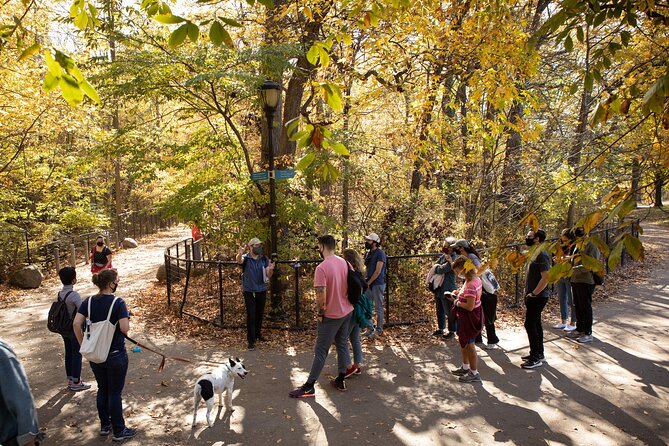
- Grand Army Plaza sets the tone: Begin beneath the Soldiers’ and Sailors’ Memorial Arch and learn how the City Beautiful Movement shaped the park entrance.
- The route mixes wild and formal scenery: See Brooklyn’s largest forest, a vast urban meadow, creeks, waterfalls, and Prospect Park Lake.
- The group stays personal: The tour has a maximum of 10 participants, making questions and conversation easier.
- The Boathouse is a highlight: Its 1905 Guastavino-tile design survived a 1960s preservation fight and now houses an urban Audubon Center.
- The walk ends by the lake: LeFrak Center at Lakeside provides a clear finish near the Parkside Avenue and Prospect Park subway stations.
- Budget for a tip: The $25.81 price does not include a 10 percent gratuity, which is appreciated for a good tour.
Why Prospect Park works so well as a walking tour
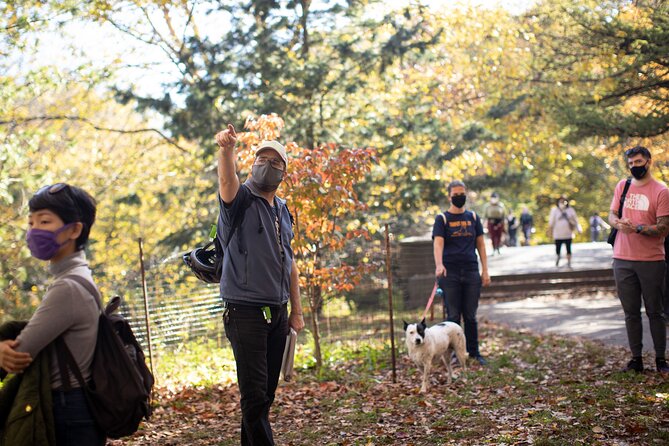
Prospect Park was designed as a break from Brooklyn’s hard edges. On a short guided walk, you can move from a formal monument at Grand Army Plaza into woods, meadow, water, and quiet paths. That change is the real appeal. You are still in one of New York’s busiest boroughs, yet the park gives the outing room to breathe.
I like this kind of tour because it gives shape to a large public space. Prospect Park can feel confusing if you simply wander in from one entrance. A guide helps connect the pieces: the grand civic gateway, the carefully planned natural scenery, the memorials, and the buildings that give the park its character.
The walk is also a good counterpoint to Manhattan sightseeing. You are not rushing between famous interiors or waiting in lines. You are outside for most of the two hours, listening, looking around, and stopping when a feature deserves attention.
The tour’s 4.9 rating from 28 reviews and 100 percent recommendation rate suggest a consistently strong experience, though those numbers should not hide the practical point: the quality depends partly on your guide and your comfort with walking outdoors. Corrine, one guide associated with the experience, is praised for an enthusiastic, interactive approach that includes questions and discussion. That style suits you if you prefer a conversation over a lecture.
More Brooklyn Tours:
- NYC Bus Tour of Brooklyn, Bronx, Queens: Art, Food & Sports
★ 5.0 · 3,805 reviews - NYC Highlights Tour: Bronx, Brooklyn, Harlem, Queens & Coney
★ 4.5 · 2,846 reviews - NYC: Contrasts Tour of Harlem, The Bronx, Queens & Brooklyn
★ 4.5 · 2,167 reviews
Meeting at Grand Army Plaza
The tour begins at 10:30 a.m. on the front steps of the Brooklyn Public Library Central Library at 10 Grand Army Plaza. This is a useful meeting point because it is easy to identify and close to public transportation.
The nearest subway stops are Grand Army Plaza on the 2 and 3 lines, and 7th Avenue on the B and Q lines. Give yourself enough time to find the library steps and get oriented. Grand Army Plaza is a broad, busy space, so arriving a few minutes early is sensible.
The opening portion focuses on the entrance to Prospect Park. This is not just a place to gather before the walk begins. The plaza and its monuments introduce the ideas behind the park’s design, especially the City Beautiful Movement, which used grand public spaces, monumental architecture, and civic art to make cities more attractive and orderly.
The Soldiers’ and Sailors’ Memorial Arch is the main visual anchor. Learning about the arch here gives you a better eye for the park as you continue. Instead of seeing the monument as an isolated photo stop, you begin to understand how the entrance was meant to lead people from the city into a carefully planned public retreat.
Forest, meadow, and water in one route
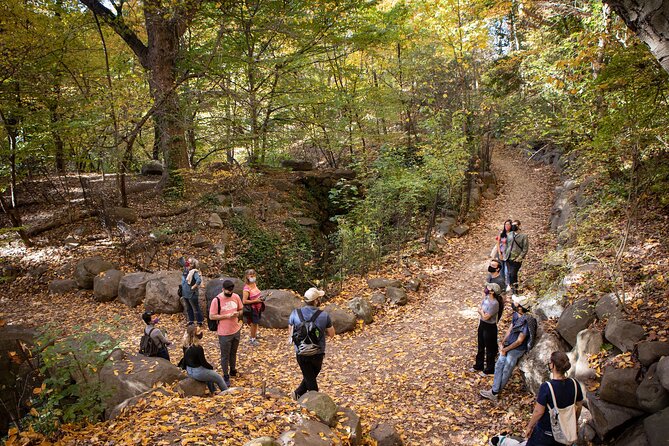
Once inside Prospect Park, the tour shifts from formal architecture to the park’s natural features. The route includes Brooklyn’s largest forest and the longest urban meadow in the United States. Those are useful superlatives, but the important point is how different these areas feel from Grand Army Plaza.
The forest gives the walk shade and a sense of distance from nearby streets. The meadow opens the view and changes the pace. You may find that this contrast is one of the most enjoyable parts of the outing, especially if you have spent the morning among tall buildings and traffic.
The tour also covers water features, including waterfalls, creeks, and Prospect Park Lake. These elements help explain why the park feels more like a planned countryside than a standard city green space. You will not simply pass one patch of grass after another. The scenery changes as the route continues.
Because the walk includes several stops, you have chances to pause and look around rather than keep moving at a brisk pace. The supplied details note that some stops have places to sit. Still, I would not treat this as a gentle, fully seated sightseeing experience. The total distance is about two miles, and comfortable footwear will make a real difference.
Architecture and public art along the way
Prospect Park rewards people who look up and slow down. Along the route, you will see sculptures, memorials, and historic sites mixed into the park’s natural setting. A guide can point out how these pieces fit into the larger plan, rather than leaving you to notice them by accident.
The park’s buildings are especially useful for understanding its character. The Boathouse and Picnic House are not mere service structures. They reflect the period when public parks were designed to provide beauty, recreation, and civic pride in one setting.
The opening discussion of the Soldiers’ and Sailors’ Memorial Arch also prepares you for this mix of public purpose and decoration. Prospect Park was meant to be used, but it was also meant to shape how people experienced Brooklyn. The tour’s focus on both natural and built features gives you a fuller picture than a nature walk or architecture tour alone.
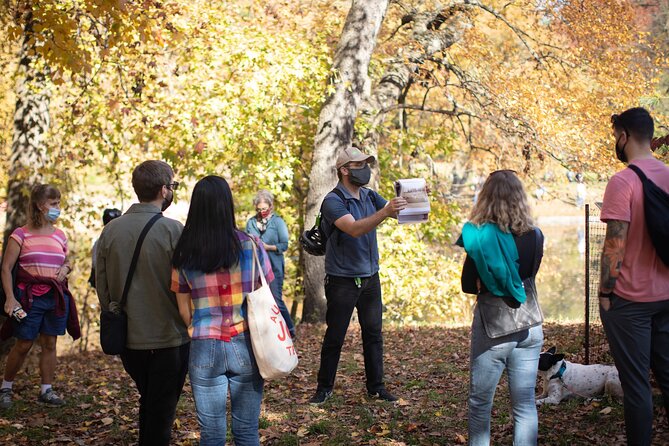
The small group matters here. With no more than 10 people, you can usually hear the guide without the strain that comes with a large crowd. You can also ask about a sculpture, building, or detail that catches your attention. The interactive style associated with Corrine, including questions for the group, adds a bit of energy to what could otherwise be a long stream of facts.
A completely different way to spend a day in Brooklyn:
- NYC: Brooklyn Nets NBA Game Ticket at Barclays Center
★ 4.7 · 2,033 reviews - From Manhattan: Bronx, Queens and Brooklyn Half-Day Tour
★ 4.3 · 1,321 reviews - NYC: Contrasts of Bronx, Queens, Brooklyn, & Manhattan Tour
★ 4.7 · 1,110 reviews - New York City: Tour of Manhattan, Bronx, Queens & Brooklyn
★ 4.6 · 832 reviews
The Boathouse and its Guastavino tiles
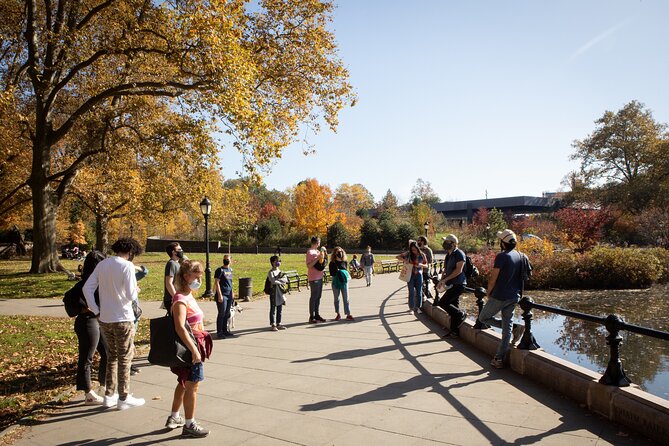
The Boathouse is one of the most distinctive stops. Designed by Helmle, Huberty, and Hudswell, the 1905 structure contains Guastavino tiles, a signature feature found in several buildings in Prospect Park.
These tiles are worth understanding because they are both decorative and structural. Even without a technical architecture lesson, you can appreciate the patterned surfaces and the way they give the building an unusual finish. The Boathouse shows how much care went into park structures that might otherwise be treated as background scenery.
The building also has a notable preservation story. Activists saved it from demolition in the 1960s, and it now houses the Prospect Park Audubon Center, described as the first Audubon Center in an urban park in the United States.
That change in use gives the stop extra meaning. You are seeing a historic building that survived because people argued that it still mattered. It now supports attention to birds and urban nature, which fits the park’s larger purpose.
For me, this is the kind of detail that justifies taking a guided walk. You could pass the Boathouse, admire its shape, and move on. With context, you see its tiles, date, designers, threatened status, and current purpose as parts of one story.
Prospect Park Lake and the final stop
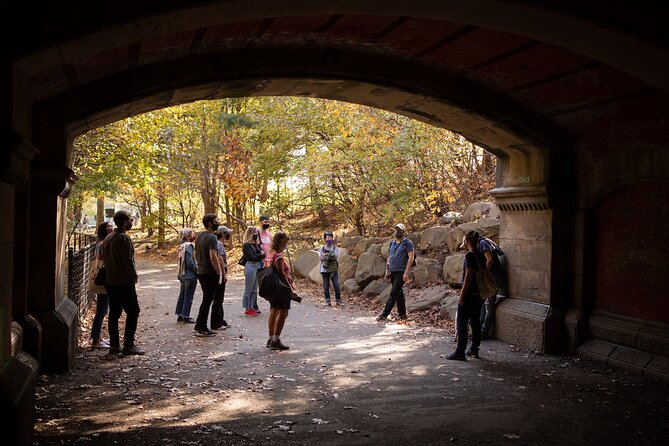
The walk ends at LeFrak Center at Lakeside, at 171 East Drive. The center faces Prospect Park Lake and a restored natural habitat for turtles, fish, and waterfowl.
This is a strong ending because it brings the tour back to water after the forest, meadow, and smaller streams. The lake gives you an open view and a natural place to pause before continuing your day.
LeFrak Center is a sustainably designed skating rink and recreation center. Depending on the season and your plans, you may want to stay in the area after the tour, though the supplied details do not include admission or activity arrangements there. Treat it as the tour’s endpoint, not as part of the guided admission.
The location is practical. The center is near Parkside Avenue on the Q line and Prospect Park station on the B, S, and Q lines. That makes it fairly easy to continue sightseeing or return to your accommodation without retracing the route.
Price, group size, and what you receive
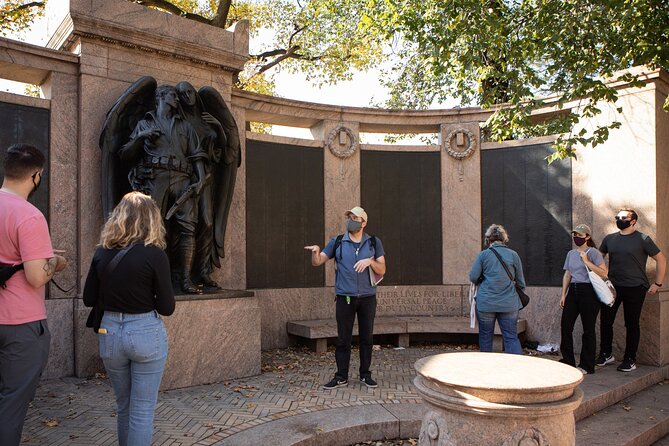
At $25.81 per person, this is a modestly priced two-hour experience for Brooklyn. You are paying less for admission than for access to a structured route and a guide who can connect the park’s architecture, public art, ecology, and planning.
The value is strongest if you would otherwise walk through Prospect Park without knowing what you are seeing. The Boathouse, Guastavino tiles, memorial arch, waterfalls, and lake are more rewarding when their purpose and background are explained.
The price also benefits from the maximum group size of 10. A cheaper walk with a very large group could make it harder to hear or ask questions. Here, the smaller format should give the outing a more personal feel.
A 10 percent gratuity is not included. It is culturally appropriate and appreciated if you enjoy the experience, so factor that into your budget. The mobile ticket is convenient, and confirmation is provided when you book.
Who will enjoy this walk most
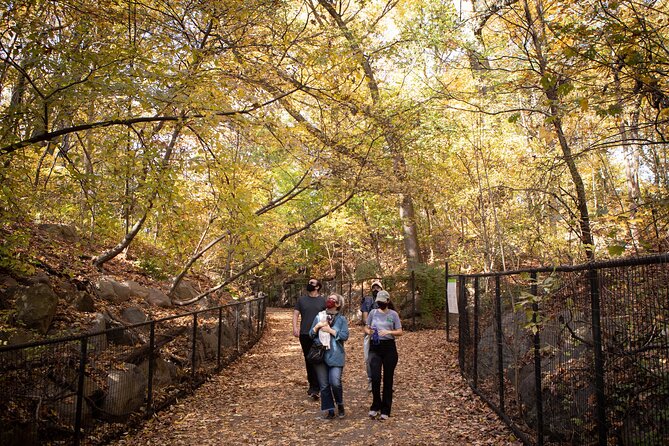
I would recommend this tour to anyone who wants a calmer Brooklyn activity without giving up substance. It suits first-time visitors who want to see a major park, as well as repeat visitors who have walked there before but missed the details.
It is particularly good for:
- People who like public parks, architecture, and city planning
- Families with older children who can manage two miles on foot
- Visitors wanting a break from museums and dense city streets
- Small groups celebrating a birthday or planning a shared activity
- Anyone who prefers a guided conversation to exploring alone
The birthday outing described for Corrine’s tour is a useful clue about the format. It can work for a family and friends gathering because the walk is social, active, and easy to follow. The guide’s use of questions can also keep a group involved instead of making one person listen while everyone else drifts behind.
Children must be accompanied by an adult. Service animals are allowed, and most people can participate, but the distance and weather exposure still matter. If you have concerns about walking two miles, consider your own pace before booking.
Timing, weather, and what to wear
The start time is 10:30 a.m., with an approximate duration of two hours. That leaves time for lunch or another Brooklyn activity afterward, especially since the endpoint has subway access.
Wear comfortable walking shoes. Prospect Park includes different types of paths and several stops, and the route is long enough for poor footwear to become a problem. Dress for the weather as well. The tour runs rain or shine, so a light rain layer or sun protection may be useful depending on the forecast.
The experience requires good weather in the sense that severe conditions can lead to cancellation. If the operator cancels because of poor weather, you are offered another date or a full refund. You can cancel yourself for a full refund if you do so at least 24 hours before the start time. Cancellations or changes made inside that window are not refunded or accepted.
Booking about 22 days ahead is the average pattern for this experience. Since the group is capped at 10, planning ahead makes sense if your Brooklyn schedule is fixed.
Should you book the Prospect Park Tour?
Book it if you want to see Prospect Park as more than a pleasant place to walk. The route gives you a smart mix of monument, forest, meadow, water, public art, and architecture, and the small group keeps the experience personal.
Skip it if you want complete freedom to wander, a very short stroll, or an indoor activity that is not affected by rain. The two-mile route is manageable for most people, but it remains an outdoor walk.
For $25.81, I think the tour offers good value, especially for first-time visitors and anyone curious about how Prospect Park was designed. Arrive at the library steps early, wear solid shoes, keep an eye on the forecast, and allow for the customary 10 percent tip. If Corrine is your guide, expect an especially interactive outing, with questions and discussion helping turn a beautiful park into a place you understand.
FAQ
Where does the Prospect Park Tour begin?
The tour begins at 10 Grand Army Plaza, on the front steps of the Brooklyn Public Library Central Library in Brooklyn.
What time does the tour start?
The tour starts at 10:30 a.m. and lasts approximately two hours.
How far do you walk?
The route covers about 2 miles, or 3.2 kilometers, on foot. There are a few stops with places to sit.
Where does the tour end?
The tour ends at LeFrak Center at Lakeside, 171 East Drive, near Prospect Park Lake. The area is close to the Parkside Avenue Q station and the Prospect Park B, S, and Q stations.
What is included in the tour price?
The price is $25.81 per person and includes the guided walking experience. Admission to Prospect Park is free. A 10 percent gratuity for the guide is not included.
Can I cancel the booking?
You can cancel at least 24 hours before the start time for a full refund. Changes or cancellations made less than 24 hours before the start time are not accepted or refunded. If poor weather causes the experience to be canceled, you will be offered another date or a full refund.
Recently added in Brooklyn
- Underground Brooklyn Walking Brewery Tour★ 4.5 · 31 reviews
- Top Shelf Distillery Tour★ 5.0 · 3 reviews
- Street Art Tour in New York City with Local Expert Guide★ 4.0 · 5 reviews
- Best of New York Food Tour: 5 dishes plus famous sightseeing!★ 5.0 · 61 reviews
- [Taro’s Origami Studio] 30-Minute Origami Experience – Brooklyn, New York★ 5.0 · 4 reviews
- Outdoor Escape Room in Brooklyn – Prospect Heights★ 5.0 · 5 reviews
- Vintage + Secondhand Shopping Walking Tour through Brooklyn, NYC★ 5.0 · 3 reviews
- Brooklyn’s Oasis: Audio Guide to Prospect Park★ 5.0 · 3 reviews
Brooklyn Tours, compared.

NYC Bus Tour of Brooklyn, Bronx, Queens: Art, Food & Sports
Read our review →
NYC Highlights Tour: Bronx, Brooklyn, Harlem, Queens & Coney
Read our review →
Contrasts Tour of Harlem, The Bronx, Queens & Brooklyn
Read our review →
Brooklyn Nets NBA Game Ticket at Barclays Center
Read our review →
Contrasts of Bronx, Queens, Brooklyn, & Manhattan Tour
Read our review →
Brooklyn Bridge & DUMBO Neighborhood Tour – from Manhattan to Brooklyn
Read our review →Browse the lists this tour appears in