
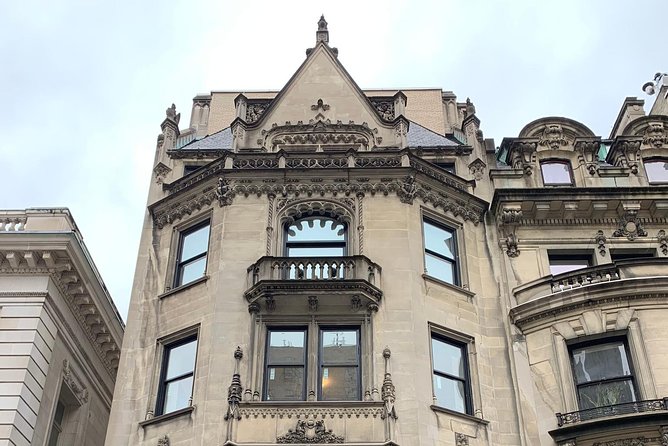
Reviewed · NYC WALKING TOURS
Private Walking Tour: 5th Avenue and the Gilded Age Mansions
The best part of this private walk is the way it connects grand buildings with the people who built them. Over two and a half hours, you follow Fifth Avenue from Grand Army Plaza toward the Upper East Side, tracing how one street became Manhattan’s address for fortunes, social power, and very large houses.
I like the private format, which lets your group focus on the subjects that matter most to you. I also like the unusual mix of mansions, Central Park design, German and Austrian art, and high society gossip. The main drawback is simple: this is an exterior walking tour, so anyone hoping to tour mansion interiors or spend time inside the Jewish Museum should adjust expectations.
Key points
- Grand Army Plaza begins the story of how Fifth Avenue became a Gilded Age address.
- Astor, Carnegie, Warburg, and other elite families give the route its human drama.
- Central Park stops add variety, from the zoo and Alice in Wonderland statue to the reservoir view.
- Architecture fans get several distinct styles, including C. P. H. Gilbert’s French Gothic revival work.
- The private group can include up to 15 people, with an English-speaking expert guide.
- The route runs from Pulitzer Fountain to the Jewish Museum, covering a long stretch of Fifth Avenue on foot.
Fifth Avenue Before the Mansions
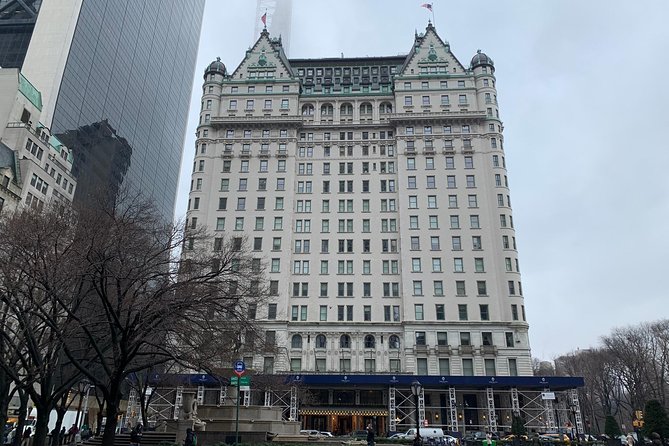
Meet your guide at Pulitzer Fountain, beside Grand Army Plaza at Central Park South. This is a smart starting point because the plaza gives you an immediate sense of Fifth Avenue’s scale and position: Central Park on one side, expensive real estate on the other, and a grand public entrance framing the route.
The first 20 minutes set up the Gilded Age. You learn how wealthy New Yorkers turned Fifth Avenue into the city’s premier residential address, and why that mattered beyond simple real estate. A mansion here announced money, family connections, taste, and a place in the upper ranks of New York society.
I appreciate this opening because it gives the rest of the walk a clear purpose. Without it, you would simply pass impressive façades. With it, you can read the avenue as a social map, where the size and location of a home helped announce its owner’s status.
The tour does not treat the Gilded Age as only a parade of millionaires. It also points to the changing city around them, including Central Park’s role as a public place for exercise, display, and escape from dense Manhattan streets.
More Gilded Age Mansion Tours:
- Gilded Age Mansions Tour in New York
★ 5.0 · 980 reviews - NYC: Gilded Age Mansions Guided Tour
★ 4.8 · 374 reviews - Fifth Avenue Gilded Age Mansions Walking Tour
★ 5.0 · 280 reviews
Mrs. Astor and the Rules of New York Society
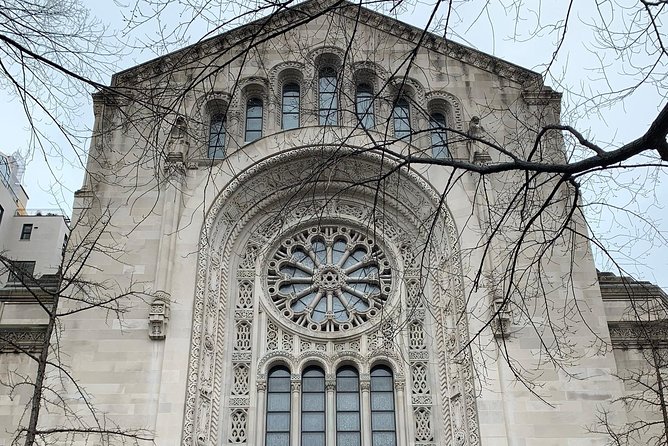
At Temple Emanu-El, you pause for about 15 minutes. The synagogue is described as the largest in North America, but the site also matters for a more personal reason: it once held the mansion of Mrs. Astor.
That name carries real weight in this story. An invitation to Mrs. Astor’s home meant that you had reached a certain level in New York’s social order. The tour uses the site to explain how invitations, dinners, and private houses helped define who belonged to the city’s upper circle.
This is one of the strongest parts for anyone interested in social history. You are not just looking at a religious building or a former mansion site. You are standing where New York society once sorted itself, quietly but firmly, through calls, invitations, family ties, and public reputation.
The stop is free, and the tour information does not promise an interior visit. Plan to listen closely outside and take in the building from the street rather than expect a formal synagogue tour.
Central Park’s Unusual Zoo Beginnings
The next stop, the Central Park Zoo, adds a welcome change of pace. You spend about 10 minutes learning about an old United States military armory, one of the few structures already included in the original Central Park design.
The story becomes particularly odd and entertaining when the tour explains how the zoo began. Wealthy Fifth Avenue residents reportedly tired of exotic pets and set some of them loose in the park. Those unwanted animals helped inspire an early collection that eventually became a zoo.
That detail gives you a glimpse of the era’s strange relationship with money and novelty. Exotic animals were status objects, much like elaborate houses or imported furnishings. Once the novelty faded, the public park became the place where the problem was left.
I like this stop because it keeps the walk from becoming a steady procession of wealthy names. It links private luxury to a public institution and shows how Central Park absorbed the habits, excesses, and castoffs of the people living beside it.
Alice in Wonderland and the Public Side of the Park
The Alice in Wonderland statue is a shorter stop, around 10 minutes, but it serves a useful purpose. Here, the subject shifts from wealth and social rank to recreation and restoration.
You get time for a photo and a reminder that Central Park was designed as more than decoration for nearby mansions. It offered New Yorkers a place to play, walk, breathe, and recover from the pressure of city life. That matters on this tour because the park is not just a backdrop for Fifth Avenue wealth. It is part of the reason the avenue became so desirable.
The stop also gives your group a natural pause. A two-and-a-half-hour walk needs a few lighter moments, and this is one of them. If you are mainly interested in architecture, it may feel less essential than the mansions, but it helps explain the park’s social role.
More NYC Walking Tours:
- SoHo, Little Italy, and Chinatown Walking Tour in New York
★ 5.0 · 3,153 reviews - Secrets of Grand Central Station Walking Tour New York City
★ 5.0 · 1,796 reviews - Greenwich Village Walking and Food Tasting Tour
★ 5.0 · 1,572 reviews - Artistic, Alternative Greenwich Village Walking Tour
★ 5.0 · 971 reviews
C. P. H. Gilbert’s French Gothic Influence
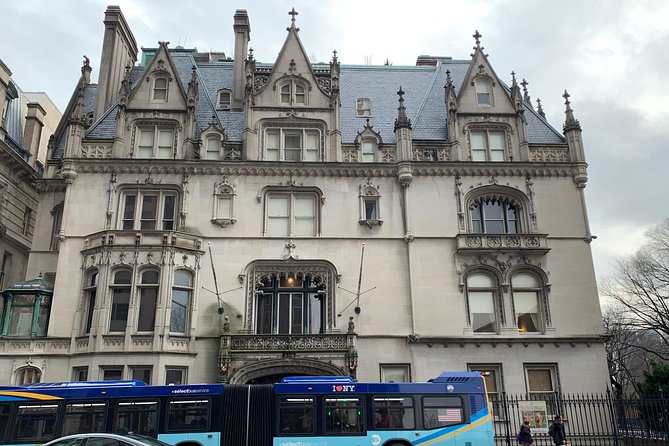
The route then turns toward a striking example of French Gothic revival architecture by C. P. H. Gilbert. The information provided does not identify a formal stop number here, but the point is clear: Gilbert’s work influenced mansion design across Manhattan and Brooklyn.
This is where an architecture fan gets more than a list of rich owners. You can look at how a style associated with European medieval buildings was adapted for New York homes. The appeal was not only visual. It suggested lineage, permanence, and cultivated taste, even when the family money behind the house was relatively new.
A private guide is useful here because architectural terms can quickly become dry. Your guide can point out the features that make the building matter and explain how its design influenced other private homes around the city.
Do not expect a full architectural lecture on every façade. The walk has a broad story to tell, so the amount of detail may depend on your guide and your group’s questions. Still, this section gives the tour a useful design focus.
German and Austrian Art with a Troubled Past
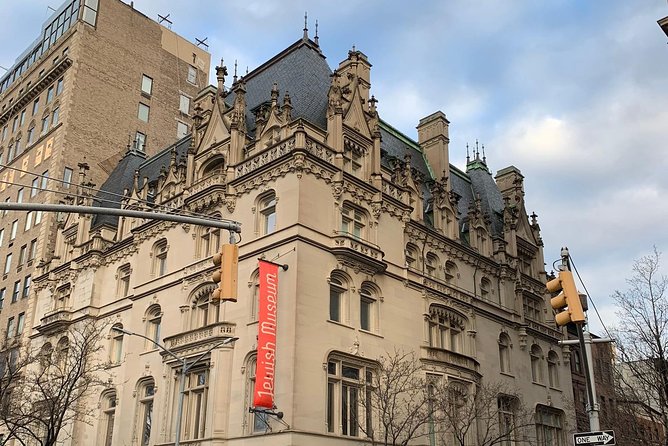
Another stop brings you to a modern German and Austrian art collection. The tour draws attention to the dramatic stories surrounding Klimt works and their survival through some of the most difficult events of the 20th century.
This is a striking change from the social world of Astor and Carnegie. Instead of asking who lived in a mansion, you are asked to think about how art survived political upheaval, war, and upheaval in Europe. The subject connects Fifth Avenue wealth with collecting, preservation, and the movement of important artworks across borders.
The precise collection or interior experience is not specified, so you should not assume that admission to a museum is part of the walk. Treat this as a guided look at the collection and its story from the route. If art is your main reason for booking, ask about the exact amount of time your guide plans to spend on this part.
Andrew Carnegie’s Mansion and the Idea of a Garden Cottage
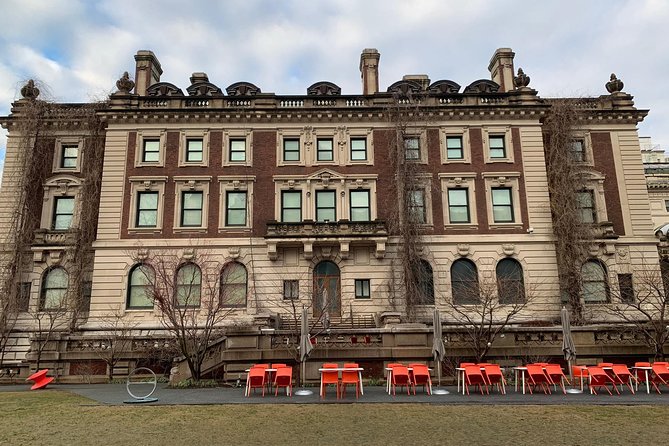
Andrew Carnegie’s former mansion is another major landmark. The description that it was, for Carnegie, more like a garden cottage than an enormous palace tells you quite a bit about Gilded Age standards.
For most people, a mansion of this size would be the main event. For a man of Carnegie’s wealth, it could be described in much more modest terms. That contrast is the joke, but it also makes the building useful evidence of how the era’s elite measured space and comfort.
You can expect the guide to place Carnegie’s home within the larger Fifth Avenue story rather than discuss it as an isolated building. The route shows how the avenue filled with private residences that competed through size, style, location, and social importance.
This stop should appeal to visitors who like the human side of architecture. A house becomes more memorable when you understand the scale of the owner’s wealth and the expectations of the people who lived nearby.
The Reservoir View over the Upper East Side
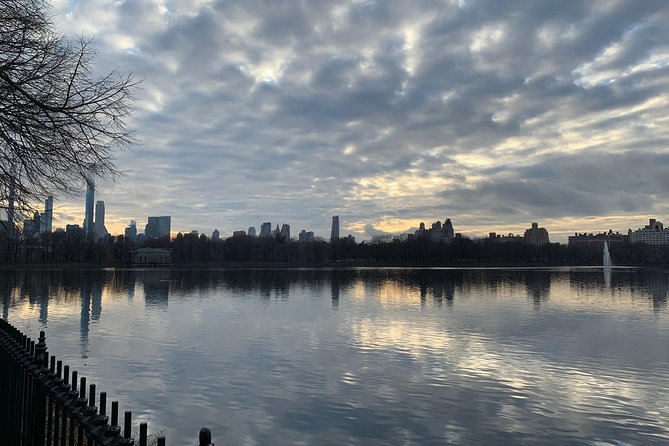
At the Jacqueline Kennedy Onassis Reservoir, you pause for about 10 minutes. The view across the water toward one of New York’s wealthiest zip codes is one of the tour’s strongest visual moments.
After several stops focused on buildings and biographies, the reservoir lets you step back and see the area as a whole. You get water, open sky, Central Park, and the Upper East Side’s expensive residential zone in one frame. It is a good place to take photographs and reset before the final section.
The reservoir stop is listed with admission included, though the supplied details do not explain a separate ticket process. The key practical point is that it is part of the planned route, not an optional add-on.
I also like the change in scale. The mansions tell you about individual fortunes. The reservoir shows how the park, avenue, and surrounding neighborhood fit together as a grand urban setting.
The Warburg Mansion and 20th-Century Power
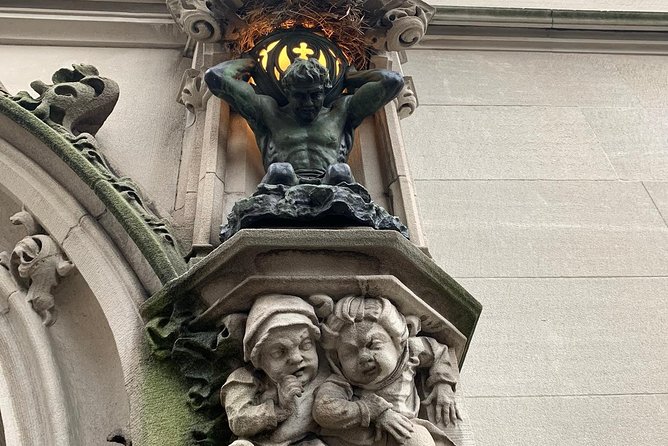
The old Warburg Mansion brings the walk toward the Jewish Museum at the corner of 92nd Street and Fifth Avenue. The house played a role in major events of the 20th century, giving the final section a wider political and cultural reach.
This stop is valuable because it moves beyond the familiar names of Astor and Carnegie. The Warburg story links a private Manhattan residence to larger events, international connections, and the Jewish history of New York’s elite institutions.
Your tour ends at the Jewish Museum, at 1109 Fifth Avenue and East 92nd Street. The end point is convenient if you want to continue exploring the Upper East Side afterward, but the tour details do not include admission to the museum itself.
The ending also gives the route a logical shape. You begin with the creation of Fifth Avenue’s social order and finish with a mansion tied to wider 20th-century events, Jewish life, and art.
What the Private Format Adds
The tour costs $478.73 per group of up to 15 people. That price looks high for a walking tour if you are booking alone or with only one other person, but the calculation changes with a larger party.
At the maximum group size, the cost works out to about $32 per person. For a family, group of friends, or private organization, that can be fair value for two and a half hours with an expert guide focused only on your group.
The real benefit is flexibility. You can ask more questions about architecture, Jewish history, art, Central Park, or the social customs of the Gilded Age instead of following a fixed public group. A private tour also avoids being placed with strangers who may have very different interests.
The tradeoff is that the price is not especially attractive for a solo visitor or couple. If you are traveling alone and mainly want a quick orientation, a public walking tour may offer better value. If you have a group and want a focused guide, the private rate becomes much more reasonable.
The experience is offered in English, uses a mobile ticket, and is available near public transportation. Confirmation arrives when you book. Service animals are allowed, and the activity is described as suitable for most travelers, though you should remember that it covers a long route on foot.
Guide Style and What to Ask For
Jonathan and Billy are two guides associated with this experience. The feedback connected to Jonathan describes a guide who helped a New Yorker learn more about a familiar neighborhood, while Billy is noted for being interesting, fun, patient, and flexible when a train delay made the group late.
Those details point to qualities worth seeking on this kind of walk. You want someone who can explain the obvious landmarks while also adding the small social and architectural details that are easy to miss. Patience matters too, since a private tour should feel like a conversation rather than a speech.
If you book, tell the provider what interests your group most. You might want more time on mansion architecture, the Astor social world, the Carnegie story, Central Park design, or the German and Austrian art collection. The route has enough themes to support different approaches.
Also allow enough time to reach Pulitzer Fountain. The meeting point is precise, but Grand Army Plaza can be busy, and a late start cuts into a tour with many planned stops. If delays are possible, contact the provider rather than assuming the group can begin late.
Free cancellation is available if you cancel at least 24 hours before the start time. Changes or cancellations within 24 hours are not refunded, so keep that deadline in mind before booking.
Who Should Book This Fifth Avenue Walk?
I would recommend this tour most strongly to a group that enjoys history, architecture, and stories about how New York’s wealthy families shaped the city. It also suits people who prefer a private guide and want to ask questions without competing with a large public group.
You will get the most from it if you enjoy looking at exteriors and imagining the lives attached to them. The tour does not promise mansion interiors, a full museum visit, or long stops at each landmark, so visitors seeking those things should plan separate visits.
The route has enough variety for a mixed group. One person can focus on buildings, another on Central Park, another on art, and another on the social rules of old New York. Alice in Wonderland and the reservoir also keep the walk from feeling like two and a half hours of façades.
Should You Book It?
Book this private Fifth Avenue tour if you have a group of several people and want a guide-led explanation of New York’s Gilded Age mansions, Central Park, and Upper East Side institutions. The best reasons are the private attention, the clear route from Pulitzer Fountain to the Jewish Museum, and the unusual links among Astor society, Carnegie wealth, Warburg history, architecture, and art.
Think twice if you are traveling alone, watching every dollar, or mainly want to enter museums and mansions. For the right group, though, the price can make sense, and the walk offers far more than a parade of impressive buildings.
FAQ
How long does the private walking tour last?
The tour lasts approximately 2 hours and 30 minutes.
Where does the tour begin?
It begins at Pulitzer Fountain, 764 Central Park South, New York, NY 10019.
Where does the tour end?
The tour ends at the Jewish Museum, at 1109 Fifth Avenue and East 92nd Street.
How many people can join the private tour?
The private tour is for your group only and can include up to 15 people.
Is the tour offered in English?
Yes. The tour is offered in English.
What is the cancellation policy?
You can cancel for a full refund up to 24 hours before the experience start time. Cancellations or changes made less than 24 hours in advance are not refunded.
Recently added in New York City
- Private Tour: Niagara Falls Day Trip from New York City★ 4.0 · 4 reviews
- Private Tour of Historic Lower Manhattan and the Financial District NYC★ 5.0 · 6 reviews
- New York Private Food Tour with 6+ Tastings in Greenwich Village★ 5.0 · 107 reviews
- Brooklyn, Queens, and the Bronx Private Tour with a Driver-Guide★ 4.5 · 8 reviews
- Private Tour: Personal Travel Photographer Tour in New York★ 5.0 · 24 reviews
- Private Tour New York City in the Gilded Age: A History of High Society★ 5.0 · 125 reviews
- Private Tour Alexander Hamilton and the Founding Fathers New York City★ 5.0 · 23 reviews
- Private Tour of Soho, Chinatown, and Little Italy★ 4.5 · 24 reviews
NYC Walking Tours, compared.
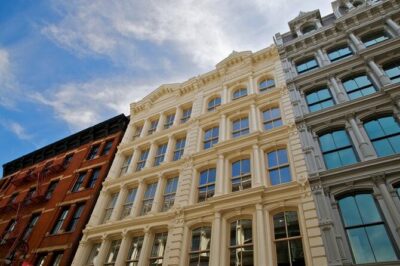
SoHo, Little Italy, and Chinatown Walking Tour in New York
Read our review →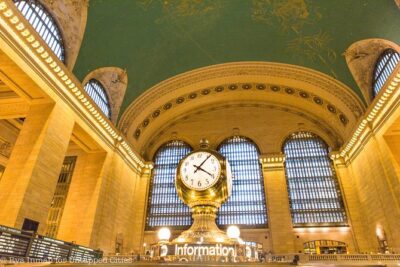
Secrets of Grand Central Station Walking Tour New York City
Read our review →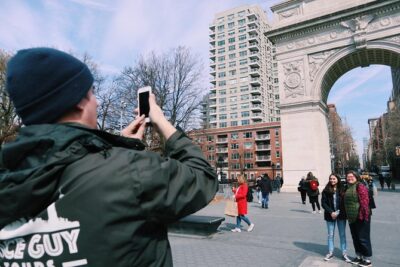
Greenwich Village Walking and Food Tasting Tour
Read our review →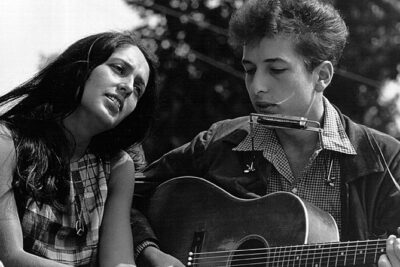
Artistic, Alternative Greenwich Village Walking Tour
Read our review →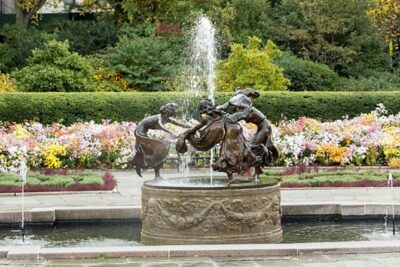

NYC Greenwich Village Italian Food Guided Walking Tour
Read our review →Browse the lists this tour appears in