
Reviewed · LITTLE ITALY AND CHINATOWN TOURS
Soho, Little Italy, Chinatown
SoHo’s iron-front buildings, Little Italy’s food traditions, and Chinatown’s changing culture fit into one compact walk. I like the mix of architecture and neighborhood stories, and I like that guides such as Jon and Mike bring food tips, police history, and personal storytelling rather than sticking to dates alone. The main tradeoff is pace: two hours and about 5,000 steps give you a strong introduction, not a slow, thorough look at every street.
This is a good-value choice at $29 per person, especially if you want a guide to connect three nearby districts. You should still plan for weather, comfortable shoes, and a little extra money if you want a snack at Ferrara Bakery & Cafe.
Key points to know before you book
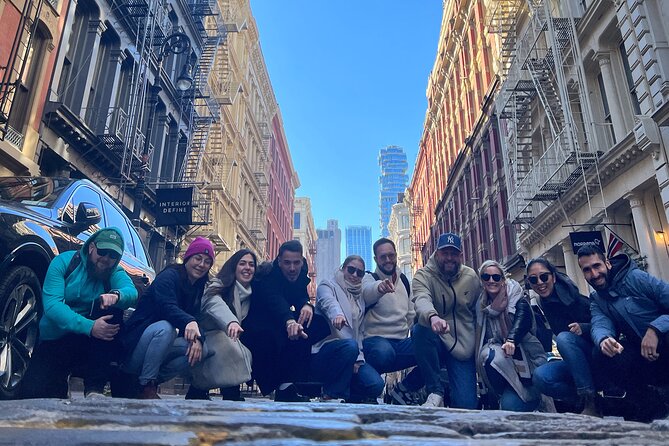
- Three famous neighborhoods in one walk: See SoHo, Little Italy, and Chinatown without arranging separate visits.
- Architecture gets real attention: The walk includes cast-iron buildings and hand-carved stonework, not just restaurant streets.
- Food advice is part of the experience: You stop at Ferrara Bakery & Cafe, where you can buy a snack during a 15-minute break.
- Guides add personal color: Jon and Mike are named in the available tour feedback, with Jon especially praised for storytelling and practical food recommendations.
- A manageable but active afternoon: The tour begins at 2:00 pm, lasts about two hours, and covers roughly 5,000 steps.
- Small-group format: The maximum group size is 25, large enough for a social walk but still more personal than a big bus tour.
A smart way to connect three very different neighborhoods
This tour works because SoHo, Little Italy, and Chinatown sit close together but tell very different New York stories. In a short distance, you move from grand cast-iron commercial buildings to Italian restaurants and bakeries, then into the streets and traditions of Chinatown.
I like tours that explain how a place changed, rather than simply pointing at old buildings. Here, you learn about the fashion and modeling district that grew in SoHo, how Italian immigrants built a life in Little Italy, and how Chinatown developed its own identity and continues to change.
The route starts at Spring Street Park and finishes at Columbus Park at Mulberry Street and Baxter Street. That direction makes practical sense. You begin in SoHo, move south through Little Italy, and end in Chinatown, where you can continue exploring after the guide says goodbye.
The experience is offered in English, with a licensed New York City guide who has more than 10 years of experience. The guide matters a lot on a walking tour like this. The buildings and streets are open to everyone, but a good storyteller helps you notice the details that would otherwise pass by.
More SoHo Tours:
- SoHo, Little Italy, and Chinatown Walking Tour in New York
★ 5.0 · 3,153 reviews - NYC: SoHo, Little Italy, and Chinatown Guided Tour
★ 4.7 · 614 reviews - SoHo, Little Italy, and Chinatown 2-Hour Guided Walk
★ 4.6 · 566 reviews
Spring Street Park and SoHo’s iron-front streets
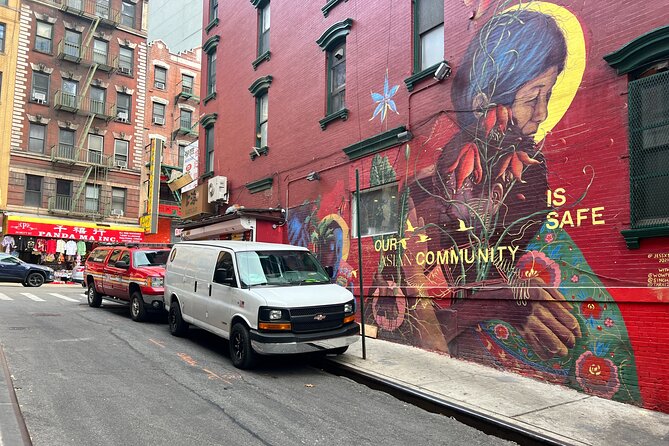
The starting point is Spring Street Park, Spring Street, New York, NY 10013. From there, the walk introduces SoHo through its architecture and urban history.
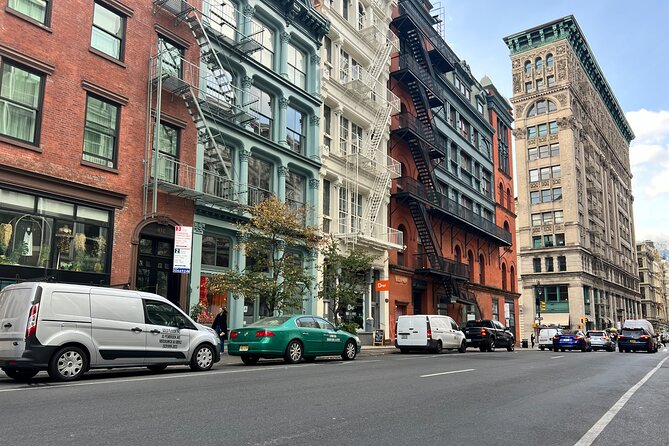
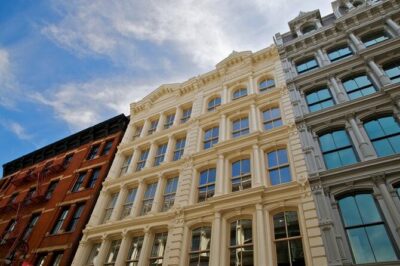
SoHo is best known for cast-iron buildings. These structures have decorative fronts that can look like stone, but the repeated columns, window frames, and ornamental details were made from iron. The tour includes a building considered by many to be the most beautiful of its kind, giving you a clear focal point for understanding why this neighborhood is so admired.
You will also see what is described as one of New York City’s most beautiful hand-carved stone buildings. That pairing is useful. Instead of treating SoHo as one uniform architectural district, the guide can show you the contrast between cast iron and carved stone, and explain how the street took shape over time.
The SoHo section also covers the neighborhood’s role as a fashion and modeling district. That is important because many people now know SoHo mainly for shopping, galleries, and polished loft buildings. The tour gives you a way to connect the current image with the district’s fashion identity.
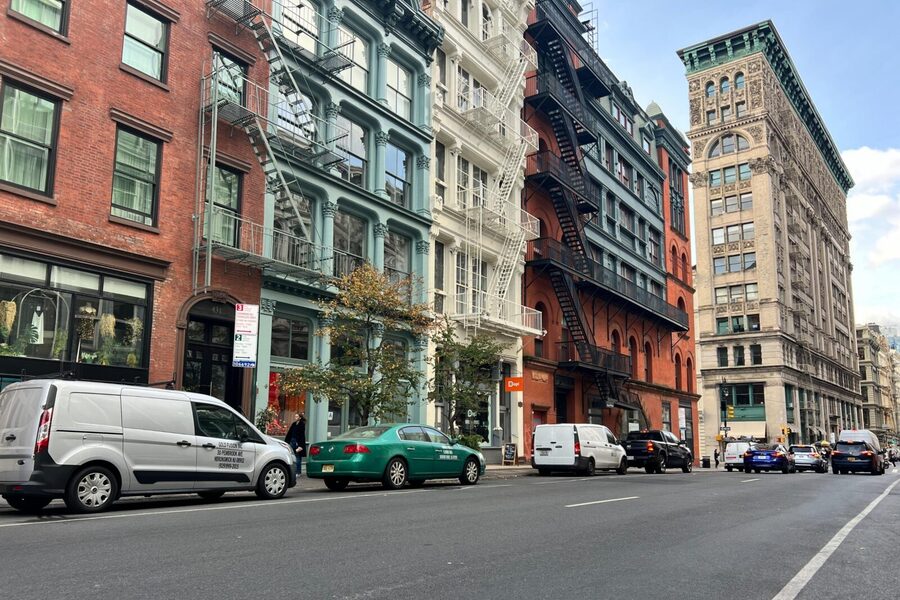
The strongest part of this stop is the chance to look up. SoHo rewards attention to upper floors, cornices, columns, and old facades. You can easily walk through the area while focusing on shop windows, but a guide directs your eyes toward the architectural details above street level.
The limitation is that this is a broad neighborhood tour, not a specialist architecture walk. You will get selected highlights and context, not a building-by-building study. For most first-time visitors, that is a sensible balance. If architectural detail is your main reason for booking, keep your expectations focused on memorable examples rather than exhaustive coverage.
Ferrara Bakery gives the walk a useful pause
The route includes a 15-minute stop at Ferrara Bakery & Cafe. Admission is free, but snacks are not included, so you pay separately for anything you choose to buy.
This break adds more than a chance to eat. Ferrara is tied to Little Italy’s food identity, and stopping here gives you a taste of the district’s long-running bakery culture. It also breaks up the walking, which is welcome on a two-hour route covering about 5,000 steps.
The timing is short. You will have enough time for a snack, but you should not treat this as a full meal stop. If you want something substantial, you may need to eat before the tour or plan a meal afterward.
Food advice is one of the tour’s better practical features. The guides have been praised for recommending places to eat, and one guide even surprised a group with food. That extra touch cannot be guaranteed, so I would not book expecting a complimentary treat. Still, it suggests that the food discussion is active and useful rather than a quick mention of famous restaurants.
Bring a payment method for your own snack, and remember that the tour price covers the guide, not food. If you have a tight schedule, the bakery stop should not cause much trouble, but the 15-minute pause is part of the experience rather than optional free time.
Little Italy beyond the restaurant signs
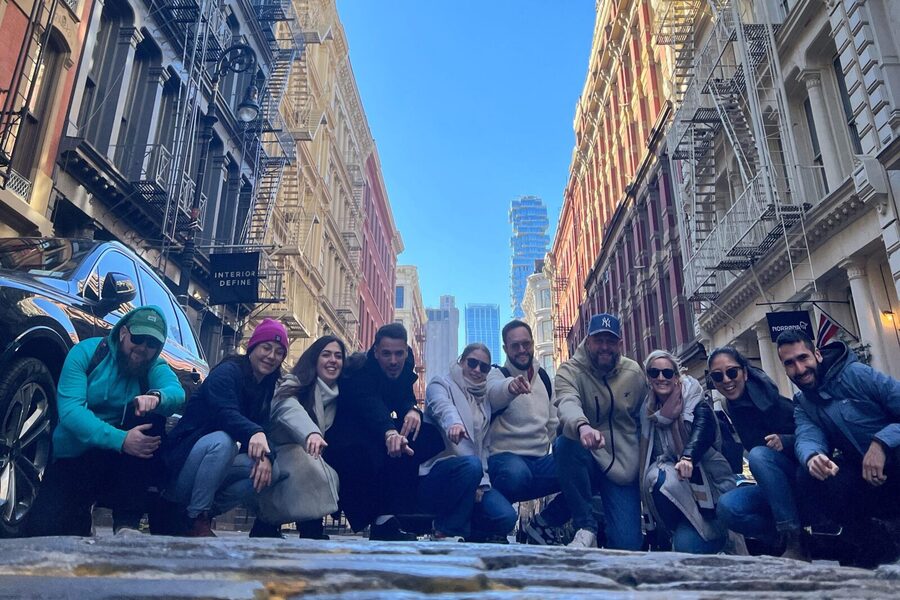
The Little Italy section lasts about 30 minutes. It focuses on restaurants, mob stories, and the way Italian immigrants learned to integrate into New York life.
That subject matter gives the stop more substance than a quick walk down a restaurant-lined street. Little Italy is easy to reduce to food and movie references, but the more useful question is how an immigrant community formed, adapted, and changed as New York developed around it.
The guide connects the neighborhood’s restaurants with its social history. You get recommendations for places to eat, but you also hear about the forces that shaped the area. The mob stories add a darker, more dramatic layer, though the tour appears to place them alongside broader stories of community and adaptation rather than making organized crime the whole point.
I like that balance. You can enjoy the food culture without pretending the neighborhood has stayed frozen in time. The experience looks at how Italians found a place in the city and how Little Italy became part of New York’s public image.
The 30-minute length is enough for a clear introduction. It is not enough to cover every family business, festival, restaurant, and historical chapter. You may want to return later for a meal if a recommendation catches your interest.
Little Italy can also feel more commercial than people expect. That is not a flaw in the tour, but it is worth knowing. A guide helps separate the genuine neighborhood story from the parts designed mainly for visitors.
More Little Italy and Chinatown Tours:
- NYC: Chinatown & Little Italy Food Tour with 7 Flavorful Tastings
★ 5.0 · 2,733 reviews - Original NYC Guided Food Tour of Chinatown and Little Italy
★ 5.0 · 2,194 reviews - NYC: Chinatown and Little Italy Food Tour
★ 4.7 · 703 reviews - SoHo, Little Italy, and Chinatown NYC Guided Walking Tour
★ 5.0 · 443 reviews
Chinatown’s history and modern culture
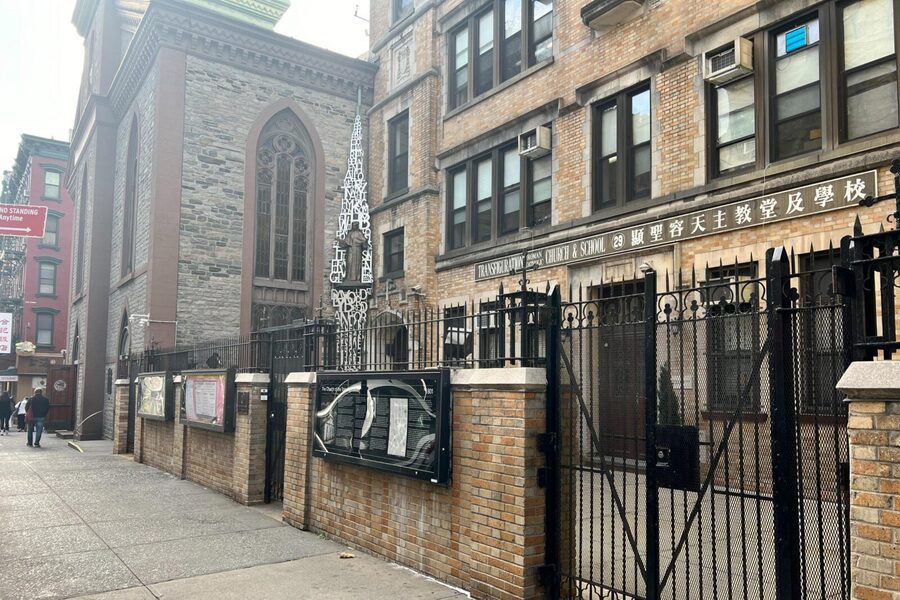
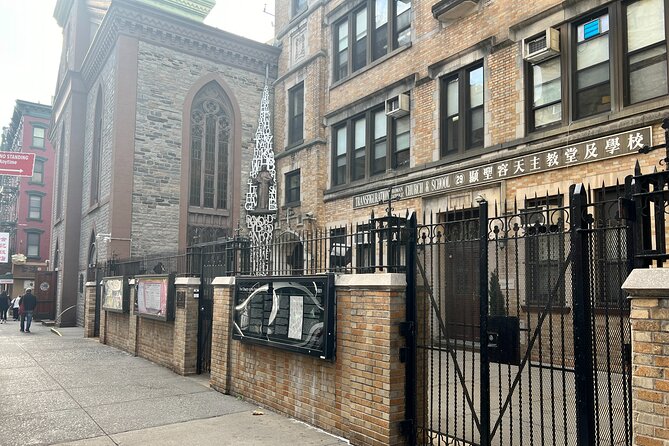
The Chinatown section lasts about 20 minutes and ends near Columbus Park. Here, the focus shifts to the history of Chinatown and its modern culture.
This change of subject gives the route a strong rhythm. SoHo introduces architecture and fashion. Little Italy brings immigration, food, and organized-crime stories. Chinatown then adds another community story, showing how a neighborhood builds its identity and keeps changing.
The short Chinatown stop is best viewed as an introduction. You will hear the basic historical context and get a sense of modern culture, but you should not expect a full tour of every street, market, restaurant, or landmark.
The final location, Columbus Park, is useful for continuing your afternoon. It sits at Mulberry Street and Baxter Street, close to the Chinatown area. Since the tour finishes there, you do not need to walk back to the starting point or arrange a pickup.
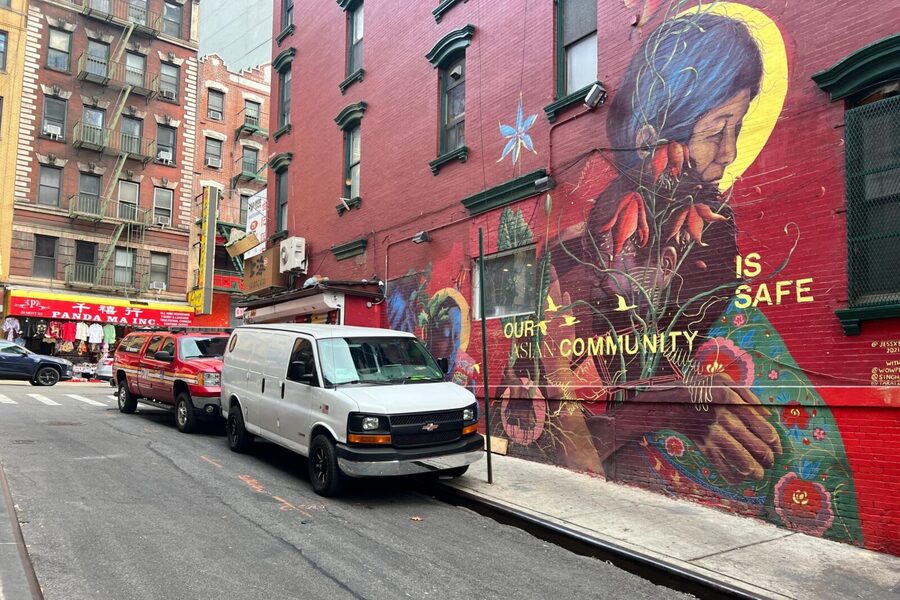
The guide’s storytelling style matters here. The strongest feedback centers on guides making the past feel connected to everyday life, food, architecture, and tradition. That approach helps you understand Chinatown as a living neighborhood rather than a collection of tourist stops.
Because the tour ends in Chinatown, I would keep some extra time afterward if your schedule allows. The official walk lasts about two hours, but you may want to eat, explore, or follow up on a recommendation. One person even chose to continue for an extra hour with the guide when offered, though you should not assume that extension is part of the standard booking.
The guides are the main reason to choose this walk
The tour includes a licensed NYC guide with more than 10 years of experience. Names connected with the available feedback include Jon and Mike, and Jon is repeatedly singled out for entertaining storytelling, local insight, and food recommendations. One comment spells the name John, so the specific guide assigned to your date may vary.
That matters because this is not a self-guided route with a fixed audio track. The value comes from how the guide explains the buildings, answers questions, and links the neighborhoods together.
The best fit is a guide who can move between architecture, food, immigration, police history, and neighborhood change without losing the thread. The tour includes the origins of New York City’s police, adding another subject beyond the three neighborhood themes.
You should also expect an informal tone. The available feedback describes the guides as funny, friendly, and good with families, including a 16-year-old. That suggests the walk is not aimed only at architecture fans or serious historians.
Still, guide-led tours can vary by personality. Jon and Mike receive strong praise, but the booking information does not promise one particular guide. If you are choosing this experience mainly because of a specific person, confirm who will lead your date before you book.
Is $29 a fair price?
At $29 per person, this is a reasonable price for a two-hour guided walk in central Manhattan. You are paying for a licensed guide, route planning, local context, and the chance to ask questions while moving between three well-known neighborhoods.
The value is strongest if you are new to Lower Manhattan and want orientation quickly. A self-guided walk costs less, but you would need to research the buildings, plan the route, and decide which stories deserve your attention. A guide also makes it easier to connect the districts instead of experiencing them as unrelated stops.
The price does not include snacks. That is a minor extra cost, but it is worth noting because Ferrara Bakery is built into the schedule. You also need to cover your own transportation to Spring Street Park and from Columbus Park, although both locations are near public transportation.
A maximum of 25 people keeps the cost below many private tours while placing a limit on group size. Twenty-five is not tiny, so you may occasionally need to stay close to the guide in busy streets. It is still a more personal setup than a large coach group.
The tour is booked, on average, 52 days in advance. That does not guarantee every date sells out, but it tells you to reserve early if your New York schedule is fixed.
Timing, walking, and weather
The tour starts at 2:00 pm and lasts about two hours. That timing works well as an afternoon activity, especially if you want breakfast or lunch first and dinner afterward.
You should be ready for roughly 5,000 steps. The walk is listed as accessible to anyone who can manage that distance in the weather conditions of the day. In plain terms, the route is not presented as demanding, but you need comfortable shoes and enough energy for steady city walking.
Weather matters. The experience runs outdoors, and the information does not describe an indoor alternative. Bring clothing suited to the forecast, since a hot, rainy, or cold afternoon will affect your enjoyment.
Service animals are allowed, and most people can participate. The tour is near public transportation, which helps with arrival and departure. Since the starting and ending points are different, check your route to Spring Street Park before setting out.
The group limit is 25. If you prefer a private, quiet walk, this may feel too social. If you want an affordable introduction with room to hear a real guide, it is a practical middle ground.
Who will enjoy this New York walking tour?
I would recommend this walk to first-time visitors who want context before exploring SoHo, Little Italy, or Chinatown on their own. It also suits repeat visitors who have seen these neighborhoods but never understood how their architecture and communities fit together.
Families may like the variety. A 16-year-old was reported to have enjoyed the experience, and the mix of food, fashion, police history, mob stories, and architecture gives the guide several ways to hold younger attention.
Food-focused visitors will get useful ideas, but this is not a tasting tour. You buy your own snack at Ferrara, and the main purpose remains neighborhood history and storytelling.
Architecture fans will enjoy the cast-iron and carved-stone highlights, but specialists may want a longer dedicated architecture walk. Likewise, anyone seeking a detailed Chinatown food tour or a full Italian-American history program should treat this as a starting point.
The tour is less suited to anyone who dislikes walking, outdoor sightseeing, or a fixed group pace. You should also avoid booking it if you need a fully indoor activity for weather reasons.
Should you book it?
Book this tour if you want a friendly, efficient introduction to three Lower Manhattan neighborhoods and prefer stories over a simple list of landmarks. At $29, it offers good value, especially with a strong guide such as Jon or Mike, though the assigned guide can vary.
The best reason to choose it is the combination: SoHo architecture, Little Italy food and immigrant history, Chinatown culture, police origins, and practical restaurant advice in one afternoon. The main caution is scope. You will leave with a useful framework and plenty of ideas for later, not a complete study of each district.
Wear comfortable shoes, check the weather, arrive ready to walk, and bring money for the bakery stop. If that sounds like your kind of New York afternoon, this is an easy tour to justify.
FAQ
How long does the SoHo, Little Italy, and Chinatown tour last?
The tour lasts approximately two hours.
What time does the tour begin?
The tour starts at 2:00 pm.
Where does the tour start?
The meeting point is Spring Street Park on Spring Street, New York, NY 10013.
Where does the tour finish?
The tour ends at Columbus Park, at Mulberry Street and Baxter Street, New York, NY 10013.
Is food included in the tour price?
No. Snacks at Ferrara Bakery & Cafe can be purchased separately during the 15-minute break.
How much walking is involved?
You should be able to manage about 5,000 steps in the weather conditions of the day.
How large is the tour group?
The tour has a maximum of 25 participants.
Can I cancel for a full refund?
Yes. You can cancel at least 24 hours before the experience start time for a full refund. Cancellations or changes made less than 24 hours before the start time are not accepted for a refund.
Recently added in New York City
- NYC: St. Patrick’s Cathedral Official Self-Guided Audio Tour★ 3.5 · 45 reviews
- Soul of Harlem: Striver’s Row, Apollo Theatre & Gospel Heritage★ 5.0 · 75 reviews
- St Patrick’s Cathedral Official Behind the Scenes VIP Tour★ 4.5 · 28 reviews
- Soho, Little Italy, Chinatown Private Tour★ 5.0 · 6 reviews
- 2-Hour Spanish Nightlife Guided Walking Tour of Greenwich Village★ 5.0 · 11 reviews
- SoHo, Little Italy and Chinatown – Food and Culture Tour★ 5.0 · 6 reviews
- Snack Attack NYC: Text Message-Guided Private Food Walking Tour★ 3.5 · 3 reviews
- Private Shopping Day in NYC | Includes up to 5 guests★ 5.0 · 9 reviews
Little Italy and Chinatown Tours, compared.
SoHo, Little Italy, and Chinatown Walking Tour in New York
Read our review →
Chinatown & Little Italy Food Tour with 7 Flavorful Tastings
Read our review →
Original NYC Guided Food Tour of Chinatown and Little Italy
Read our review →
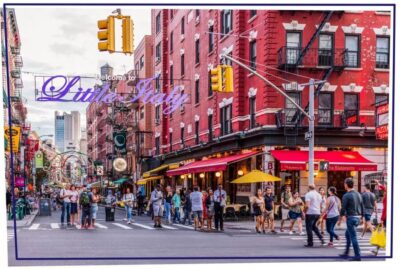

SoHo, Little Italy, and Chinatown 2-Hour Guided Walk
Read our review →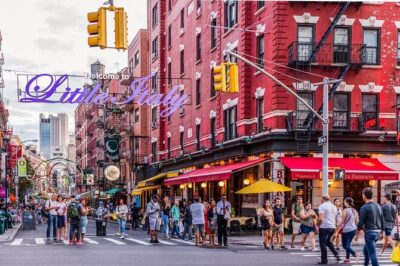
SoHo, Little Italy, and Chinatown NYC Guided Walking Tour
Read our review →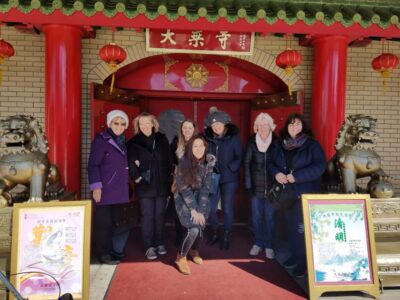
3 Neighborhoods Tour: Soho, Chinatown & Little Italy
Read our review →Browse the lists this tour appears in