
Reviewed · NYC WALKING TOURS
New York City: Pride Walking Tour
Stonewall is more than a bar on Christopher Street. It is the place where a police raid in 1969 helped spark a new chapter in the LGBTQ rights movement. This 75-minute walking tour puts that story into the streets, parks, and meeting places of Greenwich Village.
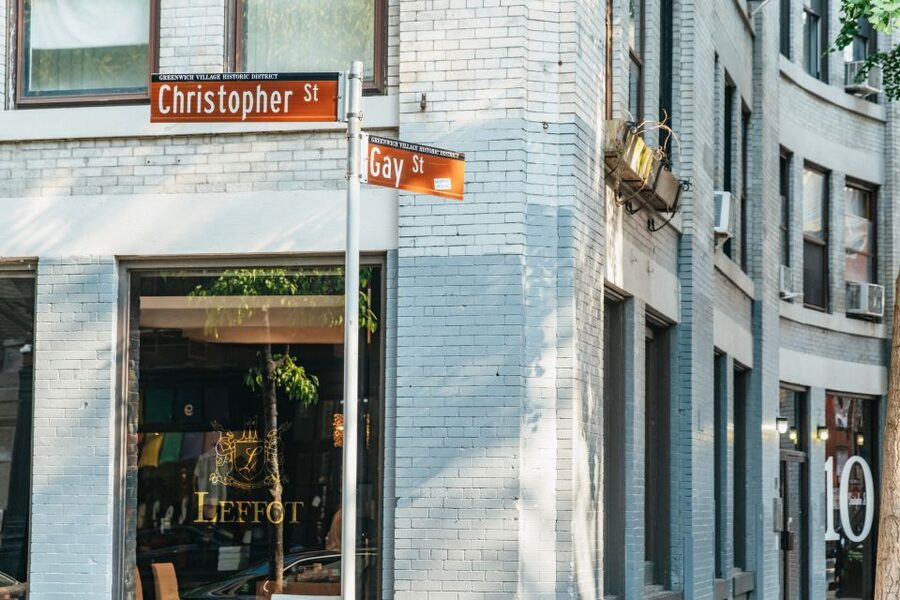
I like the way the route connects famous sites with smaller details, including the original Oscar Wilde Memorial Bookshop, the Gay Street sign, and the location of the first Pride March. I also like that guides such as Joe make the history personal and easy to follow. The main drawback is that the tour is mostly spoken history, so you may find less to look at than on a conventional sightseeing walk.
Key points to know before you book
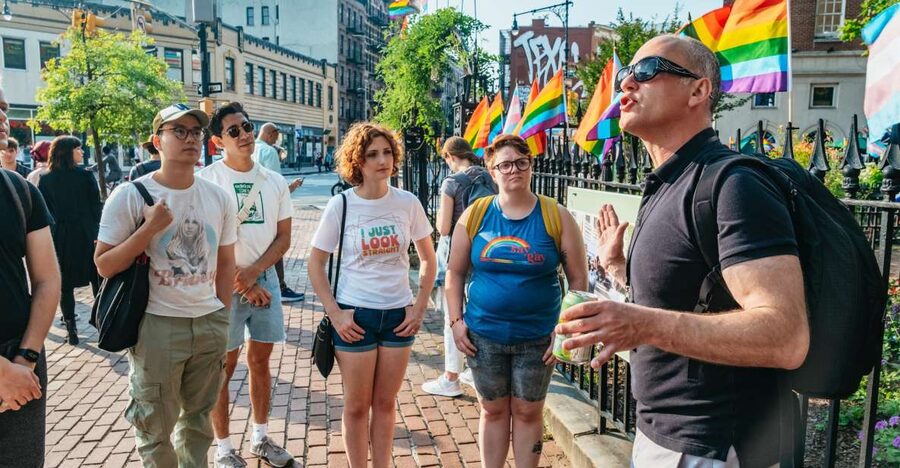
- Stonewall is the emotional center: Learn what happened at the Stonewall Inn and why the 1969 uprising mattered far beyond this one block.
- The route covers more than the famous bar: Christopher Park, the Pride Flag, Gay Street, the first Pride March site, and several historic bars all fit into the walk.
- Joe receives especially warm praise: His friendly, engaging approach has helped make the tour feel welcoming and clear.
- The Oscar Wilde Memorial Bookshop adds useful context: Its former location shows how bookstores served as gathering places for LGBTQ readers and communities.
- The price is reasonable for a focused history tour: At $30, you pay for a live guide and a compact introduction to several important sites.
- Plan for steady walking and standing: Wear comfortable shoes, and think carefully about the physical demands if mobility is a concern.
Christopher Park sets the tone
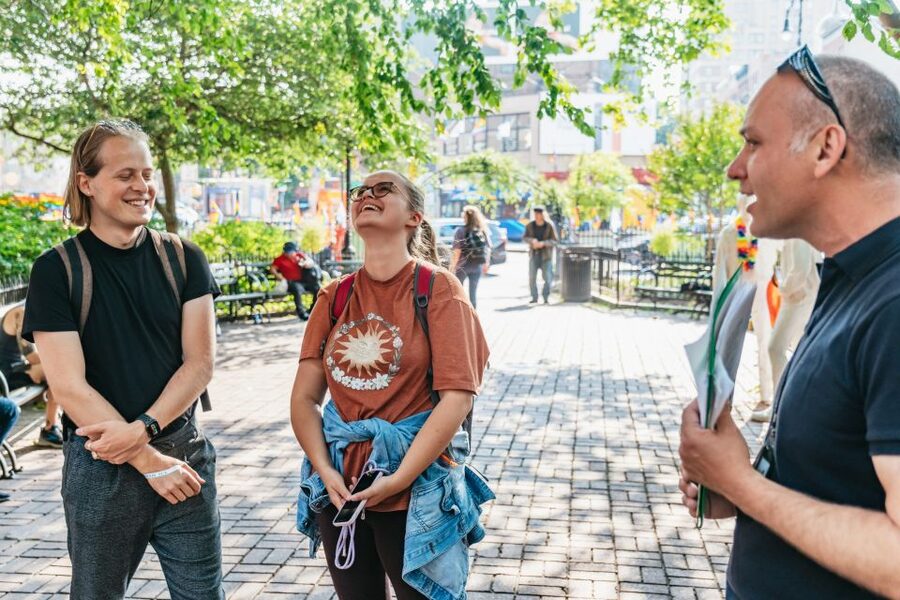
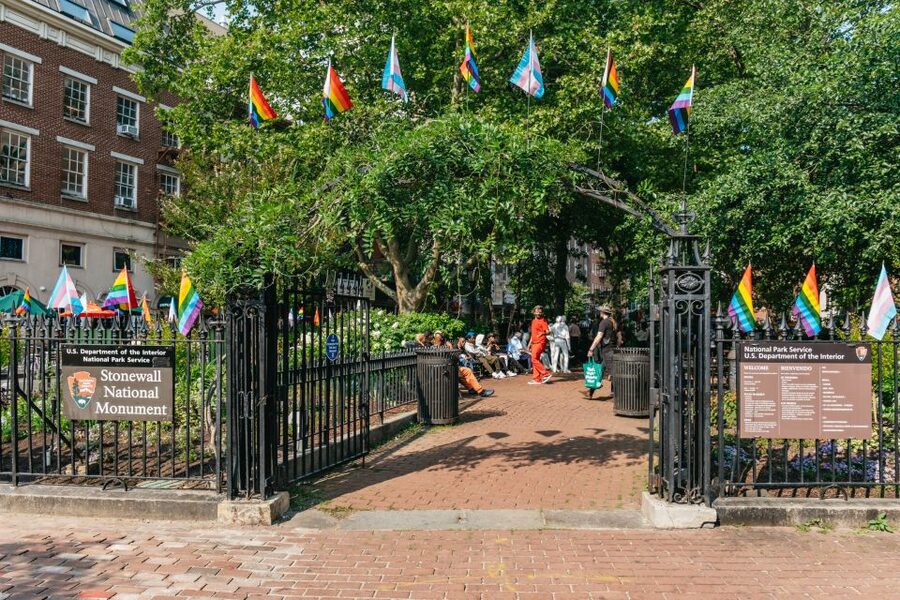
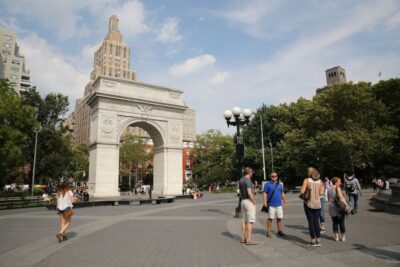
You meet at the entrance to Christopher Park on West 4th Street, between Seventh Avenue South and Grove Street. This is a practical meeting point in Greenwich Village, and the park itself gives the tour an immediate sense of place.
Christopher Park is one of the few sites on the National Register of Historic Places listed for its LGBTQ significance. Before the group moves on, your guide explains how the park figured in LGBTQ life and how members of the community faced unfair treatment before the Stonewall uprising.
That opening matters. It keeps Stonewall from becoming a simple before-and-after story. You get a sense of the pressure that built up over years, not just the events of one night. The guide also helps you read the park as more than a pleasant patch of green surrounded by city streets.
The tour begins with an overview, so you can get your bearings before the walking starts. Since the route returns to Christopher Park at the end, you do not need to arrange a separate pickup or figure out where the walk finishes.
More NYC Walking Tours:
- SoHo, Little Italy, and Chinatown Walking Tour in New York
★ 5.0 · 3,153 reviews - Secrets of Grand Central Station Walking Tour New York City
★ 5.0 · 1,796 reviews - Greenwich Village Walking and Food Tasting Tour
★ 5.0 · 1,572 reviews
At the Stonewall Inn, history meets the present
The next stop is the Stonewall Inn, the best-known site on the route. Your guide explains the history of the bar and the Stonewall uprising of 1969, including its wider role in the gay rights movement in the United States and around the world.
You should expect interpretation rather than a long interior visit. The supplied details describe a stop at the Stonewall Inn, not a private tour inside the bar or a reserved drink. The value comes from standing at the location while the guide explains what happened there and why the site still carries such weight.
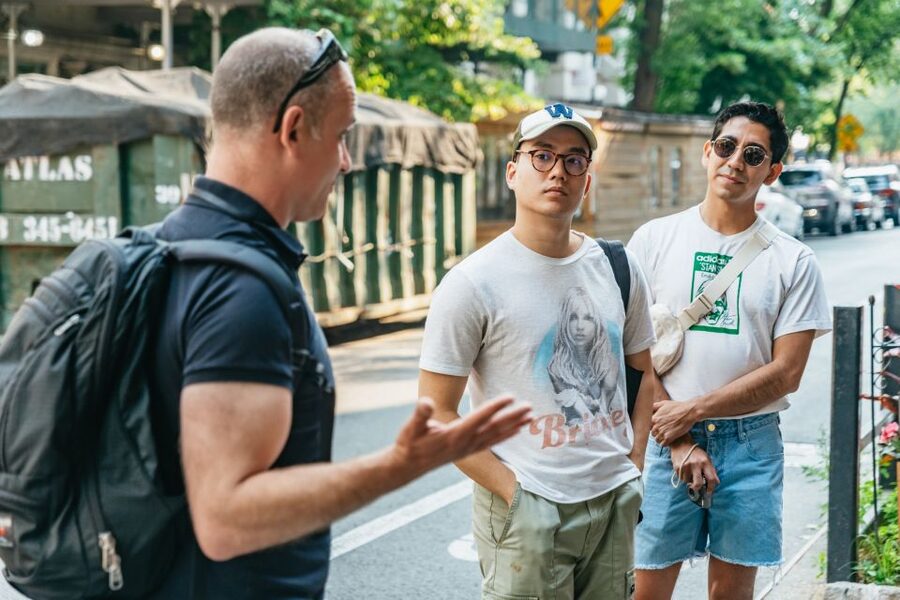
This is one place where a good guide makes a real difference. Joe is praised for being friendly, clear, and able to make people feel part of the story. Other guides may lead the walk, but the strongest feature of the experience is the human delivery of the material, not a set of displays or a museum collection.
You may find the stop more moving if you already know a little about Stonewall. If you know nothing about it, the tour provides a concise starting point. If you have read widely about the uprising, you may want to ask questions, since the walk has a fixed schedule and may not cover every detail.
The Oscar Wilde Memorial Bookshop site
The route continues to the former location of the Oscar Wilde Memorial Bookshop. The stop is important because the bookshop was founded as a place connected to LGBTQ writing, reading, and community life.
There is no indication that the tour includes entry to a functioning bookshop at this location. Instead, you visit the site and hear the story of its founder and its place in LGBTQ history. That may sound modest, but it adds a useful layer to the tour. Pride history is not only about protests and nightlife. It is also about finding books, meeting other people, and building spaces where LGBTQ lives could be represented.
For me, this is the sort of detail that improves a walking tour. Stonewall is famous, but the bookshop helps explain how a movement also grew through everyday cultural spaces. You see how a bookstore could serve as a point of connection in a time when mainstream institutions often offered little welcome.
Gay Street and the first Pride March

The stop at the Gay Street sign is a lighter moment. Your guide explains the street’s coincidental naming, which is a memorable bit of local detail. It is not presented as proof that the street was named for the LGBTQ community, and that distinction is part of the fun.
You also visit the Pride Flag and the site of the first Pride March. These stops connect the local walk to the larger public movement. The Stonewall uprising was rooted in one place, but Pride soon became a public statement that carried the message into the streets.
The first Pride March site can be easy to overlook if you are walking through Greenwich Village on your own. A sign or street corner rarely explains its importance without context. Here, the guide turns an ordinary-looking location into a place connected to a major change in public LGBTQ visibility.
The route does not treat every stop as a grand monument. That is part of its appeal. You often stand on normal city streets and learn why they matter. At the same time, this means the experience depends heavily on the explanation. If you prefer large exhibits, dramatic architecture, or lots of objects to examine, you may find the walk talk-heavy.
A completely different way to spend a day in New York City:
- NYC: SUMMIT One Vanderbilt Tickets
★ 4.7 · 51,195 reviews - NYC: Empire State Building Tickets – Observatory & Museum
★ 4.7 · 25,757 reviews - New York City: Statue of Liberty & Ellis Island with Ferry
★ 4.6 · 18,683 reviews - New York City: American Museum of Natural History Ticket
★ 4.5 · 15,447 reviews
Julius, Fedora, and Marie’s Crisis
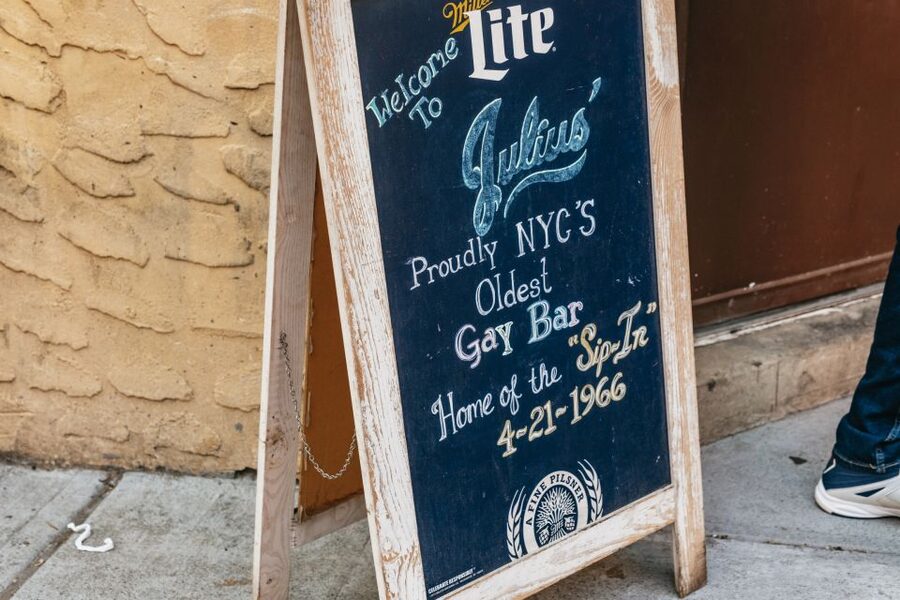
The tour also visits three LGBTQ bars and meeting places: Julius, Fedora, and Marie’s Crisis. These stops show that LGBTQ history was shaped by social spaces as much as by formal political events.
Each bar contributes to the story in a different way, though the supplied tour details do not specify an interior visit, reserved seating, or included drinks. Think of these as historical stops along the route rather than a bar crawl. You learn what made the locations significant and how places for gathering helped form community.
Julius is especially useful in a tour about bars because it points to the role these places played as meeting points. Fedora and Marie’s Crisis broaden the route beyond the Stonewall Inn, giving you a sense that LGBTQ life in the Village was never confined to one famous address.
You should not book this expecting a nightlife experience. The focus is history, and the tour finishes back at Christopher Park rather than continuing into an evening out. If you want to explore the bars afterward, you can use the walk as an introduction and return on your own, but any further visit is outside the tour.
How the guide shapes the experience
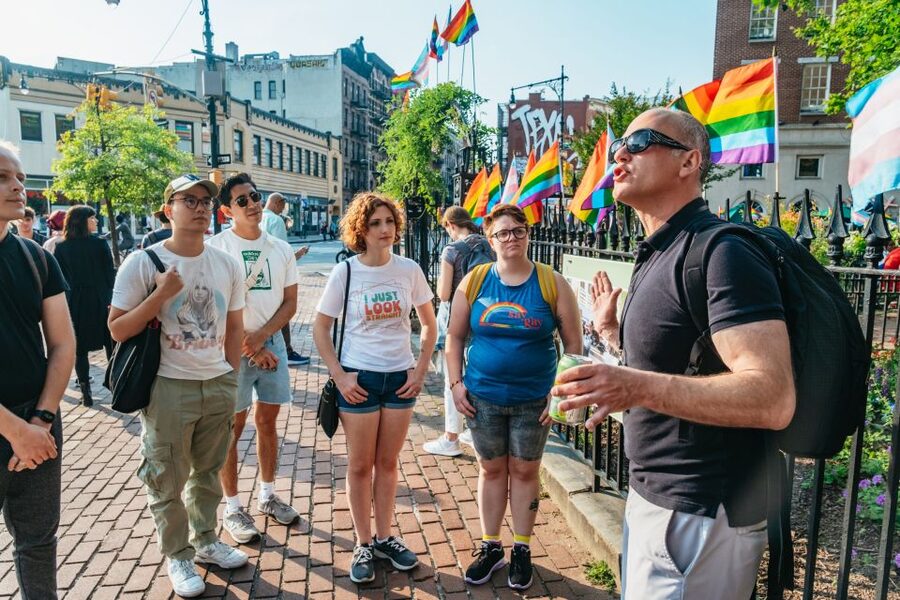
The strongest praise centers on the guides, especially Joe. He is described as friendly, engaging, and able to present difficult subjects with warmth. That matters here because the material includes discrimination, police treatment, protest, and the struggle for recognition.
A good guide also helps the group move between serious history and smaller local details. The Gay Street sign offers a change of tone, while the Stonewall story provides the emotional center. The most successful moments seem to come when the guide links a place you can see with a broader question about community and rights.
The tone is not purely solemn. The route includes interesting remarks, local coincidences, and stories about people and places. Still, this is not an interactive workshop. One person found the walk slightly rushed and wished for more participation, while another felt there was a lot of talking and not enough to see.
I would treat that as a fair warning rather than a fatal flaw. A 75-minute route covering this many sites has to keep moving. You will hear more than you physically do, so come ready to listen and ask questions when time allows.
What $30 gets you
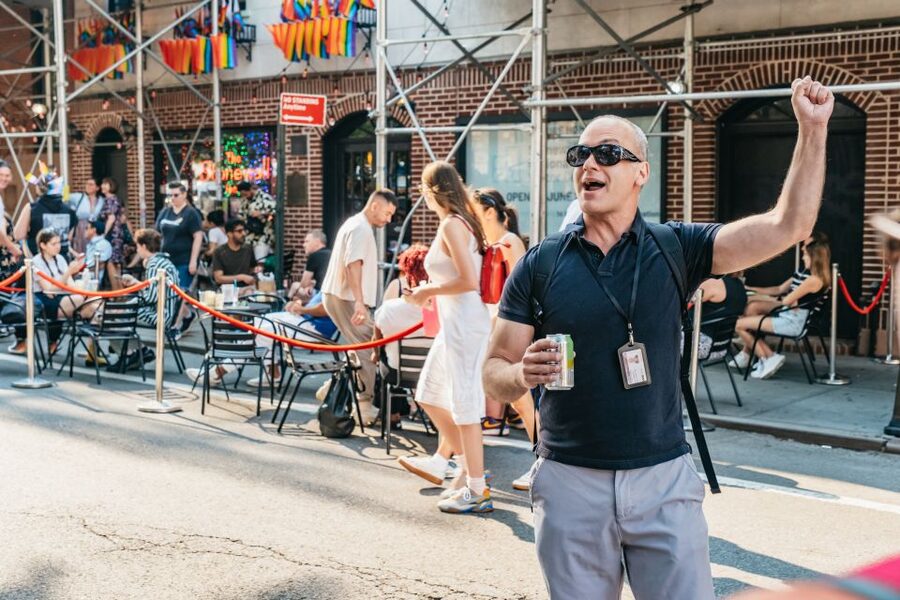
The price is $30 per person, with free admission for children aged 2 and under. For that fee, you receive a live, English-language walking tour led by a guide rather than an audio recording or self-guided map.
The value depends on what you want from Greenwich Village. If you simply want to see the Stonewall Inn, you can do that without paying. The $30 pays for the connections between the sites: why Christopher Park matters, how the uprising fits into a longer period of unfair treatment, why the bookshop site is significant, and how the first Pride March changed public visibility.
That is a fair price for a focused 75-minute history walk, particularly if you are visiting New York for the first time and want a clear introduction. It is less compelling if you already know the area well, have read extensively about LGBTQ history, or prefer to explore at your own pace.
The route is compact, so you are not paying for transportation or a full-day excursion. You are paying for local interpretation in one of New York’s most historically important neighborhoods.
Timing, walking, and comfort

The listed duration is 75 minutes, though one account describes the walk as lasting about an hour and a half. Allow extra time in your schedule so you are not rushing to your next booking. The stated expectation is that you should be able to walk or stand for about one and a half hours.
Wear comfortable shoes and comfortable clothes. The route uses city streets and outdoor sites, and you may spend time standing while the guide talks. The tour is listed as wheelchair accessible, but it is also marked as not suitable for people with mobility impairments. Those details do not fully match, so contact Pride Tours NYC before booking if you need specific assistance or cannot comfortably walk and stand for the full period.
There is no stated indoor break, food stop, or restroom stop. Plan accordingly before meeting at Christopher Park. The meeting point is easy to find, but arriving a few minutes early will help with check-in and the opening overview.
The tour is offered in English, with a live guide. If you need another language, this experience is not advertised as a multilingual option.
Who will get the most from this walk
I would recommend it most strongly if you want a compact introduction to LGBTQ history in New York and prefer learning from a person on the street where events took place. It is especially suitable for LGBTQ visitors, allies, students, and anyone who wants more context than a quick photograph at Stonewall can provide.
You do not need specialist background knowledge. The route starts with the setting and builds toward the Stonewall uprising, then broadens into bookstores, bars, Pride symbols, and the first march.
Families should consider the subject matter and the walking demands. The activity is not designed as a children’s attraction, though children aged 2 and under can join free. Anyone who dislikes guided commentary or wants lots of time inside venues may prefer a self-guided visit.
The tour also suits solo visitors. One account describes a booking with only one participant, which suggests the experience may sometimes be very small. Group size is not specified, so you should not assume a private tour, but a small group can make it easier to hear the guide and ask questions.
Should you book the Pride Walking Tour?
Book it if you want a personal, place-based introduction to LGBTQ history and can comfortably walk and stand for around 75 to 90 minutes. The combination of Christopher Park, Stonewall, the Oscar Wilde Memorial Bookshop site, Gay Street, the first Pride March location, and three historic bars gives you a useful route through Greenwich Village.
The best reason to go is the guide’s storytelling, especially if Joe leads your walk. The main caution is that the experience is more about spoken history than visual attractions. You will not spend the afternoon inside museums or touring bar interiors.
At $30, it offers good value for a focused introduction, particularly for first-time visitors and anyone who wants to understand why these ordinary-looking streets carry such importance. If you already know the Stonewall story in detail, book only if you want local context and a guide to connect the less obvious sites.
FAQ
Where does the Pride Walking Tour begin?
The tour begins at the entrance to Christopher Park on West 4th Street, between Seventh Avenue South and Grove Street.
Where does the tour finish?
The walk finishes back at Christopher Park.
How long does the tour last?
The stated duration is 75 minutes. You should allow extra time, since walking and standing may total about one and a half hours.
What language is the tour in?
The guided tour is conducted in English with a live English-speaking guide.
Does the tour visit the Stonewall Inn?
Yes. The route stops at the Stonewall Inn, where the guide explains the bar’s history and the 1969 Stonewall uprising.
Which other sites are included?
The tour includes Christopher Park, the original Oscar Wilde Memorial Bookshop site, the Gay Street sign, the Pride Flag, the location of the first Pride March, and the LGBTQ bars Julius, Fedora, and Marie’s Crisis.
Is the tour wheelchair accessible?
The activity is listed as wheelchair accessible, but it is also marked as not suitable for people with mobility impairments. Because the walk involves extended walking and standing, contact the provider before booking if you need mobility assistance.
What should I wear or bring?
Wear comfortable shoes and comfortable clothes. You should be prepared to walk and stand for about one and a half hours.
Can I cancel for a full refund?
Yes. You can cancel up to 24 hours in advance for a full refund. You can also reserve now and pay later, which keeps your plans flexible.
Recently added in New York City
- Niagara Falls, Toronto and 1000 Islands, 3 Day Tour from NYC★ 4.5 · 114 reviews
- Central Park Private Pedicab Tour (2hrs)★ 5.0 · 37 reviews
- 3-Day Immersive Photography Workshop in New York City★ 5.0 · 5 reviews
- Guided tour of the MET in Spanish (Metropolitan Museum of Art)★ 5.0 · 6 reviews
- 2-Hour Small Group Central Park Bike Tour★ 4.0 · 22 reviews
- Central Park Pedicab Guided Tours – 1, 1.5 & 2Hrs★ 5.0 · 24 reviews
- 2-Day Niagara Falls Experience from NYC★ 4.5 · 5 reviews
- New York Day Sail to the Statue of Liberty on Schooner America★ 5.0 · 66 reviews
NYC Walking Tours, compared.

SoHo, Little Italy, and Chinatown Walking Tour in New York
Read our review →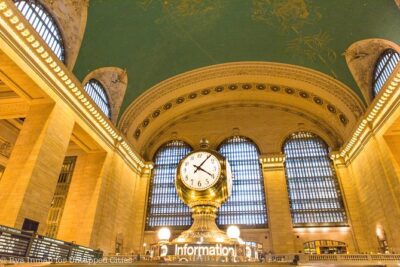
Secrets of Grand Central Station Walking Tour New York City
Read our review →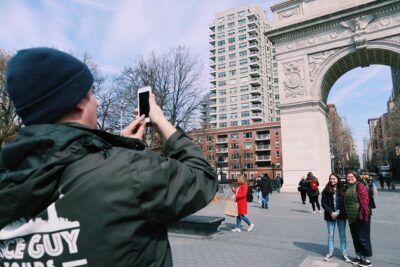
Greenwich Village Walking and Food Tasting Tour
Read our review →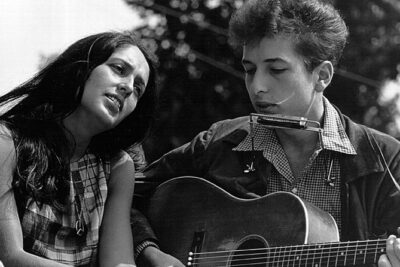
Artistic, Alternative Greenwich Village Walking Tour
Read our review →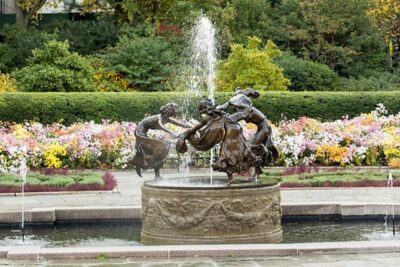

NYC Greenwich Village Italian Food Guided Walking Tour
Read our review →Browse the lists this tour appears in