
Reviewed · BROOKLYN BRIDGE AND DUMBO TOURS
Brooklyn Heights: New York City’s First Suburb
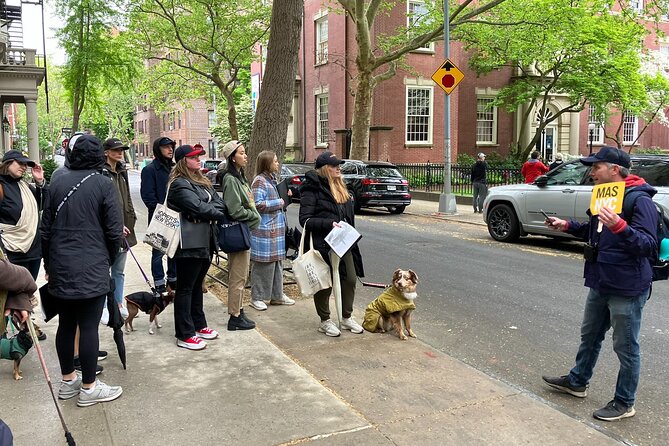
Brooklyn Heights packs an astonishing amount of New York history into a few walkable blocks. On this small-group walking tour, you move from Revolutionary War stories to Gilded Age wealth, then pause for broad views of lower Manhattan from New York’s first scenic district.
I like the focus on architecture and lived history, rather than a quick parade of famous addresses. I also like the friendly guide style promised here, with Andy singled out in one especially warm review. The main drawback is simple: you will walk for 3 to 4 hours, and the tour requires good weather.
Key Points
- Brooklyn’s first City Hall: See the building constructed between 1834 and 1848, an early reminder that Brooklyn once operated as a major independent city.
- More than 600 pre-Civil War buildings: Brooklyn Heights offers one of New York’s strongest concentrations of early urban architecture.
- Revolutionary War connections: Hear how Brooklyn figured in the conflict between American revolutionaries and British forces.
- A baseball landmark: Visit the former Brooklyn Dodgers ticket office area and learn how the neighborhood connects to the sport’s changing business.
- Underground Railroad history: Stop at a church described as a major center for helping enslaved people reach freedom.
- Up to 10 people: The small maximum should make it easier to ask questions and hear the guide clearly.
Why Brooklyn Heights Makes Such a Good Walking Tour
Brooklyn Heights is not just a pretty residential neighborhood across the river from Manhattan. It is a place where several versions of Brooklyn meet: colonial Brooklyn, the independent city before consolidation with New York, the industrial city of the late 19th century, and the modern city prized for its views and architecture.
The tour begins at Borough Hall Station on Court Street. From there, you walk toward 2 Pierrepont Place, passing through an area that rewards attention to details. Look up as you go. The appeal is not only one grand building, but the steady run of older facades, entrances, row houses, churches, and civic landmarks.
The tour’s title calls Brooklyn Heights New York City’s first suburb. That phrase helps explain the neighborhood’s character. It developed as a residential area close to the city and waterfront, yet it retained a calmer, more domestic feel than the commercial streets of lower Manhattan.
I would choose this experience if you want a guided introduction that connects buildings to people and events. It is less suited to anyone looking for a fast list of photo stops or a purely scenic walk. The stories are the point, and the best use of your time is to listen, ask questions, and notice how the neighborhood changed over time.
More Brooklyn Bridge and DUMBO Tours:
- Brooklyn Bridge & DUMBO Neighborhood Tour – from Manhattan to Brooklyn
★ 5.0 · 826 reviews - Brooklyn Bridge & DUMBO Food Tour: Local Eats & Landmarks
★ 5.0 · 478 reviews - From Manhattan: 2-Hour Brooklyn Bridge Bike Tour
★ 4.4 · 230 reviews
Starting at Brooklyn’s First City Hall
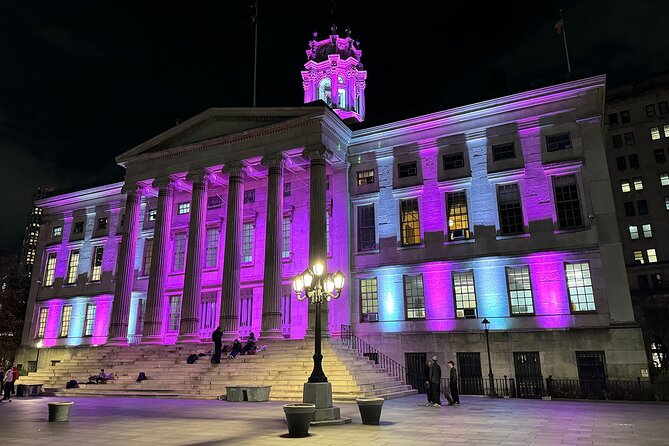
One of the early stops is Brooklyn’s first City Hall, built between 1834 and 1848. This building gives you a useful sense of Brooklyn before it became part of New York City.
A former city hall is more than a handsome old structure. It points to the political weight Brooklyn once carried on its own. The timing also matters. Construction began in the 1830s, when Brooklyn was growing quickly and building the civic institutions needed by a rising city.
Your guide can use this stop to set up the rest of the walk: Brooklyn was not merely a residential offshoot of Manhattan. It had its own government, ambitions, wealthy citizens, public life, and identity.
I like beginning with a civic building because it gives the neighborhood a firm historical anchor. You are not simply admiring old brick and stone. You are looking at a place shaped by city government and rapid growth.
The provided information does not promise entry inside City Hall, so plan to view it as part of the outdoor walking route. Wear shoes you can manage for several hours, especially if you want to stay comfortable through every stop.
Revolutionary Brooklyn and the Cost of Conflict
Brooklyn played an important role in the American Revolution, and the tour brings that period into the streets you see today. You will hear about revolutionaries, patriots, courage, and conflict tied to the neighborhood and its surroundings.
This portion should appeal to anyone who likes history with a strong sense of place. The American Revolution can feel abstract when presented only through dates and famous names. In Brooklyn, the subject becomes more immediate because the ground beneath a quiet neighborhood was once connected to a major struggle for control.
The tour is not presented as a military battlefield program, and no detailed battle schedule is provided. Instead, you can expect stories connected to important sites and the people who lived through a dangerous period.
I would pay close attention to how the guide links national events with local life. A street, church, or civic building can tell you how ordinary people experienced political upheaval. That local scale is one of the reasons a walking tour works better here than reading a short plaque and moving on.
The North and South Divide, With a Dodgers Connection

Another stop marks the division between northern and southern Brooklyn Heights. This area once included the Brooklyn Dodgers’ ticket office and connects the neighborhood to a major change in baseball.
That detail adds welcome variety to the tour. You are not getting only colonial history and old houses. The walk also touches popular culture, business, and the way sports changed as Brooklyn grew.
The reference to the Dodgers ticket office is especially useful because it places baseball in a physical neighborhood setting. A ticket office may sound modest compared with a stadium, but it represents the business side of the game: how people bought access, how teams reached the public, and how baseball became a larger part of urban life.
The exact baseball development is not spelled out in the supplied information, so your guide will provide the fuller explanation on site. You should expect this stop to work as a short but memorable link between the old neighborhood and Brooklyn’s sporting identity.
For baseball fans, this may be one of the tour’s most appealing surprises. For everyone else, it offers a change of pace after the Revolutionary material and architectural discussion.
More Brooklyn Tours:
- NYC Bus Tour of Brooklyn, Bronx, Queens: Art, Food & Sports
★ 5.0 · 3,805 reviews - NYC Highlights Tour: Bronx, Brooklyn, Harlem, Queens & Coney
★ 4.5 · 2,846 reviews - NYC: Contrasts Tour of Harlem, The Bronx, Queens & Brooklyn
★ 4.5 · 2,167 reviews - NYC: Brooklyn Nets NBA Game Ticket at Barclays Center
★ 4.7 · 2,033 reviews
The Brooklyn Heights Promenade and Lower Manhattan Views
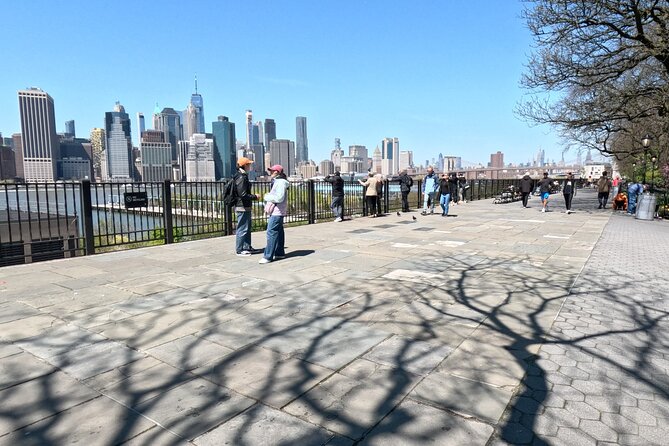
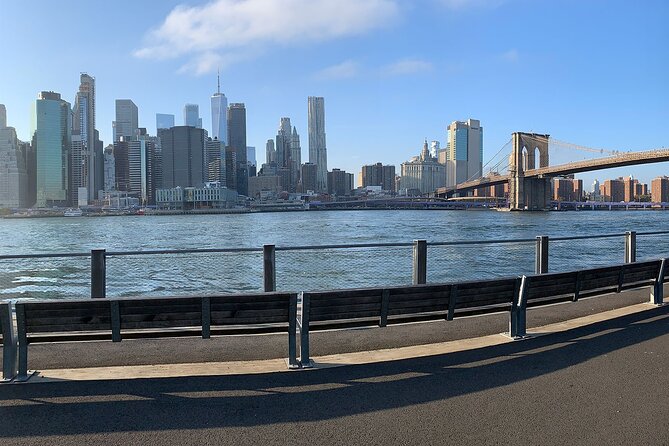
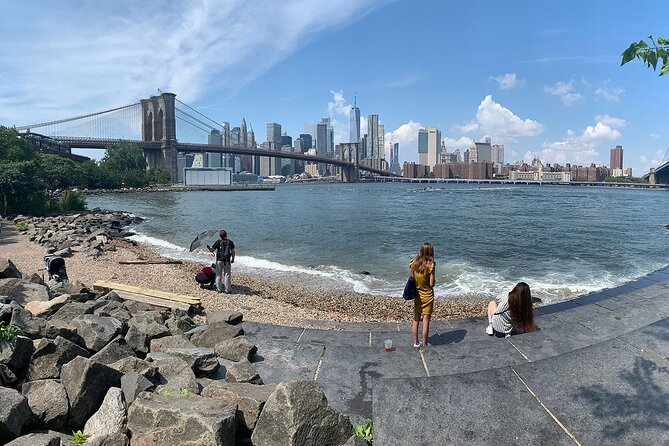
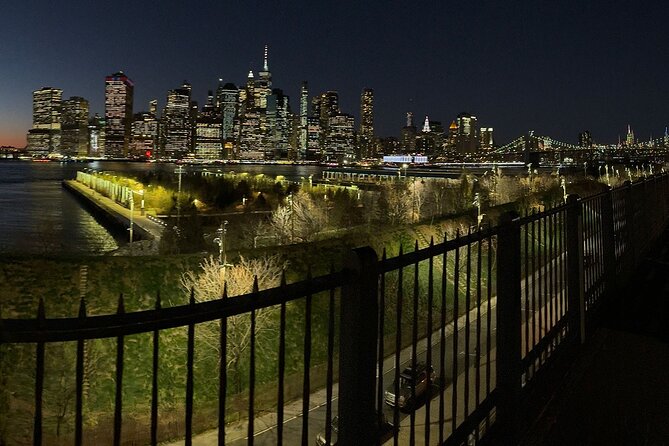
The walk includes views of lower Manhattan from what is described as New York’s first scenic district. This is the moment to pause and enjoy the setting rather than chase another fact.
The view is valuable because it shows the relationship between Brooklyn and Manhattan in a single glance. You can see why Brooklyn Heights became desirable as a residential area. Its position gives you distance from Manhattan’s intensity while keeping the city visually close.
Bring a camera, but do not let photography replace the explanation. The guide can help place the view in the story of Brooklyn’s growth and its connection to the city across the water.
The word unrivaled appears in the tour description, but views are always affected by weather, light, and visibility. On a clear day, this should be a strong highlight. On a hazy day, the setting may still be enjoyable, though the long view will have less impact.
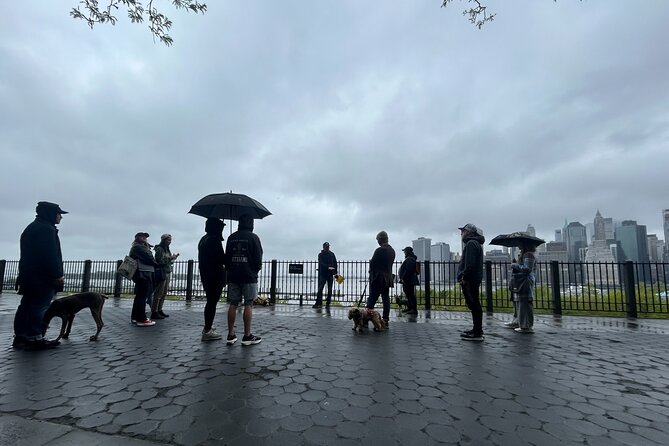
This is also where the weather requirement matters most. The tour needs good conditions, and an outdoor walk is less satisfying in rain or poor visibility. If bad weather cancels the experience, you will be offered another date or a full refund.
Gilded Age Homes and Brooklyn’s Rapid Growth
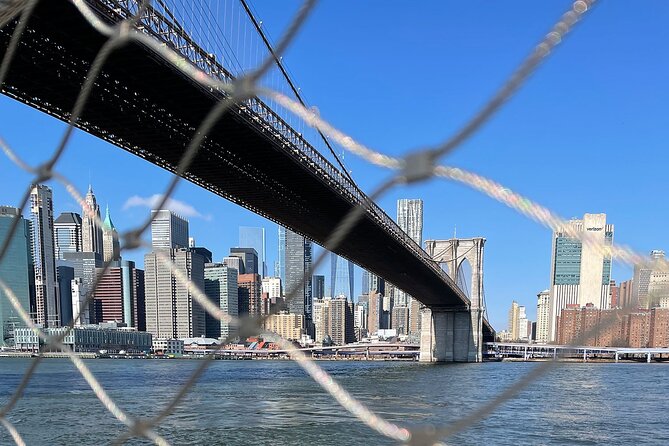
The Gilded Age portion takes you into the world of industrialists and innovators who helped drive Brooklyn’s rapid expansion. You will see opulent homes and landmarks connected with the late 19th century.
This section should help you read the neighborhood’s architecture as a record of money and ambition. Large homes were not built by accident. They reflected new wealth, social status, business success, and a desire to display prosperity in a fashionable residential setting.
I like this theme because it adds human tension to the buildings. A grand facade may look elegant, but the guide can also explain the people and industries behind it. The Gilded Age was a period of striking growth and serious inequality, and a good explanation should leave room for both sides.
Do not expect access to private residences unless the guide specifically says otherwise. The experience is built around walking past homes and landmarks while hearing their stories. That is still worthwhile, since the exterior architecture is one of Brooklyn Heights’ main attractions.
The tour’s small size should help here. With no more than 10 people, you have a better chance of stopping without blocking the sidewalk and asking about details that catch your eye.
More Than 600 Pre-Civil War Buildings
Brooklyn Heights is home to more than 600 buildings from before the Civil War. That number explains why the neighborhood feels so different from a typical modern city district.
The value of this part of the tour is visual. You are not seeing one isolated old house surrounded by newer construction. You are walking through a broad collection of buildings that preserve the scale and character of an earlier Brooklyn.
A guide can point out patterns that are easy to miss on your own: how blocks were arranged, how wealthy homes differed from more modest residences, and how architectural styles changed as the neighborhood developed.
The district later became New York City’s first historic district, which helps explain the care given to its older buildings. Historic protection does not turn a neighborhood into a museum. People still live and work here, and you should treat it as a residential area rather than a film set.
I recommend looking for small details instead of trying to memorize every date. Doorways, windows, ironwork, rooflines, and building materials can tell you a great deal once someone explains what you are seeing.
A Church With Underground Railroad History
The church stop may be the most powerful historical part of the walk. It is described as a major center of the Underground Railroad and as instrumental in helping enslaved people escape to freedom.
That story gives the neighborhood a direct connection to the long fight against slavery. It also shows how religious institutions could serve practical roles in social movements, not just spiritual ones.
The supplied details do not identify the church by name or promise interior access. You should expect the guide to explain its role from the route, with the building serving as a physical point of reference.
This stop deserves more than a quick photograph. Listen for the human choices involved: people who took risks, people who offered shelter or aid, and people who sought freedom under extraordinary danger. The story adds moral weight to a tour otherwise filled with architecture, civic history, and wealthy homeowners.
I also appreciate the contrast with the Gilded Age section. Brooklyn Heights was shaped by both privilege and resistance. Seeing those stories together gives you a more honest picture of the neighborhood.
Group Size, Guide Style, and the Andy Factor
The tour has a maximum of 10 participants. That is a useful number for a walking history experience. You are still part of a group, but you should not feel lost in a crowd or have to fight to hear every sentence.
The tour promises an engaging, friendly guide rather than a fast-talking expert who simply speaks at you. That distinction matters. A good walking tour depends on conversation, especially when the route includes subjects as varied as the Revolution, baseball, architecture, the Gilded Age, and the Underground Railroad.
Andy is named in the available feedback as a terrific guide, and the response from Boroughs & Bridges History Tours has a personal, welcoming tone. I cannot guarantee that Andy will lead your departure, but if he does, you can expect the tour company to value a warm connection with the group.
Ask questions when you have them. The small group makes that more practical, and the subject matter offers plenty of openings. You might want clarification about a building, the Dodgers connection, the church, or how Brooklyn changed as it grew.
Is $75 a Fair Price?
The cost is $75 per person. That is not a bargain basement walking tour, but the value depends on how much you want from your time in Brooklyn Heights.
You are paying for roughly 3 to 4 hours with a guide, a small group, and a route that combines several subjects instead of covering only architecture. The price makes more sense if you want context and conversation rather than a self-guided stroll.
It is also useful for first-time visitors who might otherwise pass through Brooklyn Heights, take a few photos, and miss the neighborhood’s political and social stories. The tour gives you a framework you can use for the rest of your visit.
If you already know Brooklyn Heights well and mainly want the views, you may prefer to walk independently. But if you want the old buildings to make sense, $75 can be reasonable for a half-day of guided history.
The tour is booked an average of 10 days ahead, so avoid waiting until the last minute if your schedule is tight. Confirmation arrives within 48 hours, subject to availability.
Practical Details Before You Book
The tour starts at 1:00 p.m. at Borough Hall Station, Court Street, Brooklyn, and ends at 2 Pierrepont Place. Since the route is one way, plan your day around the ending point rather than assuming you will return to Borough Hall.
Borough Hall Station is near public transportation, making the starting point practical for reaching Brooklyn from elsewhere in New York. The mobile ticket is convenient, so you can keep the booking on your phone.
Most people can participate, and service animals are allowed. The tour is outdoors and lasts several hours, so comfortable shoes are the sensible choice. Good weather is required, and poor conditions can lead to a new date or a full refund.
You can cancel for a full refund up to 24 hours before the start time. Changes or cancellations made within 24 hours are not accepted for a refund, so check the local start time carefully if your plans shift.
Who Will Get the Most From This Walk?
I would recommend this tour to you if you enjoy:
- Architectural details with historical explanation
- American Revolution and Underground Railroad stories
- New York civic history
- Gilded Age homes and urban growth
- Baseball history with a Brooklyn connection
- Small groups and an approachable guide
Families can find plenty to discuss, especially with the Dodgers connection and the dramatic stories of conflict and escape. Still, the walk lasts several hours, so very young children may need extra patience and help staying engaged.
This is also a good choice for repeat visitors to New York. You do not need another tour of the standard Manhattan sights. Brooklyn Heights offers a different view of the city, with a quieter setting and a strong sense of place.
Should You Book Brooklyn Heights: New York City’s First Suburb?
Book it if you want a thoughtful half-day walk that connects buildings with the people and events behind them. The strongest reasons are the small group, the range of subjects, the more than 600 pre-Civil War buildings, and the chance to see lower Manhattan from Brooklyn Heights.
Skip it if you dislike walking for several hours, need guaranteed indoor access, or only want a quick scenic stop. Weather can affect the experience, and the $75 price is best justified by your interest in guided history.
For me, the tour’s appeal is its mix: first City Hall, Revolutionary Brooklyn, Gilded Age wealth, Dodgers baseball, Underground Railroad history, and the city view all belong to the same neighborhood story. That is a lot of New York in one afternoon.
FAQ
Where does the tour begin?
It begins at Borough Hall Station on Court Street, Brooklyn, NY 11201.
Where does the tour end?
The tour ends at 2 Pierrepont Place, Brooklyn, NY 11201.
What time does the tour start?
The scheduled start time is 1:00 p.m.
How long does the tour last?
The experience lasts approximately 3 to 4 hours.
How much does the tour cost?
The price is $75 per person.
How large is the group?
The tour has a maximum of 10 travelers.
Is the tour available with a mobile ticket?
Yes. The experience includes a mobile ticket.
Are service animals allowed?
Yes. Service animals are allowed.
Is the tour near public transportation?
Yes. The experience is near public transportation.
What happens if bad weather cancels the tour?
You will be offered a different date or a full refund if poor weather causes cancellation.
Recently added in Brooklyn
- NYC Panoramic: Brooklyn and New Jersey Waterfront Night Tour★ 4.5 · 7 reviews
- NYC New York Airport EWR Private Transfer to Manhattan | Brooklyn★ 4.0 · 10 reviews
- Professional Photoshoot at Brooklyn Bridge in New York★ 5.0 · 5 reviews
- Contrasts of New York Tour: Harlem, The Bronx, Queens, and Brooklyn★ 3.5 · 16 reviews
- Brooklyn, Queens, and the Bronx Contrastes Tour in Spanish★ 4.0 · 38 reviews
- New York: THE BEST OF BROOKLYN★ 5.0 · 14 reviews
- Manhattan to Brooklyn NYC Walking Tour: Brooklyn Bridge and Dumbo in Spanish★ 4.5 · 10 reviews
- Manhattan and Brooklyn Bridge Bike Rental★ 4.0 · 34 reviews
Brooklyn Bridge and DUMBO Tours, compared.
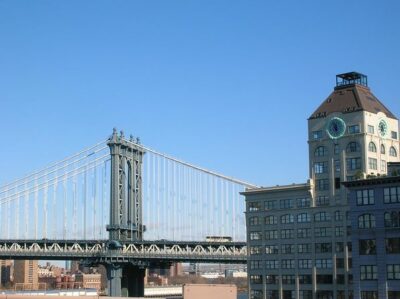
Brooklyn Bridge & DUMBO Neighborhood Tour – from Manhattan to Brooklyn
Read our review →
Brooklyn Bridge & DUMBO Food Tour: Local Eats & Landmarks
Read our review →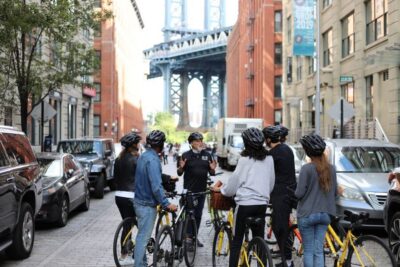
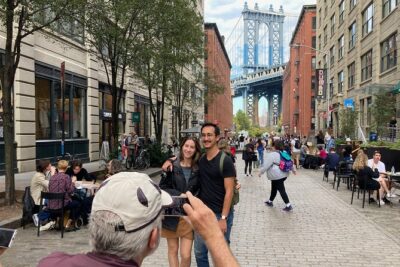
Walking tour in Manhattan Brooklyn Bridge and Waterfront
Read our review →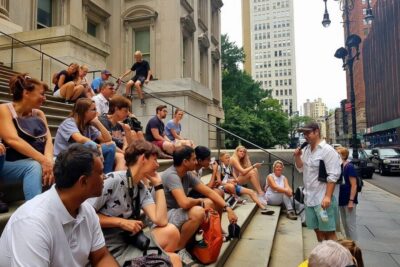
Brooklyn Bridge and Dumbo District Walking Tour
Read our review →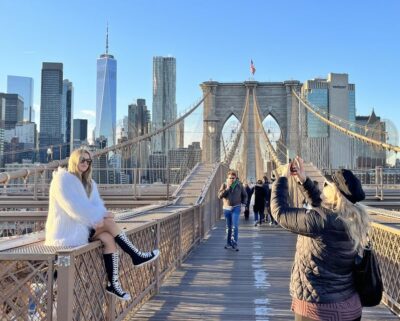

Brooklyn Bridge and Waterfront 2-hour Guided Bike Tour
Read our review →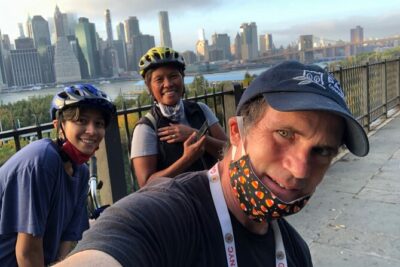
Browse the lists this tour appears in