
Reviewed · WALL STREET AND FINANCIAL DISTRICT TOURS
Wall Street: The birth place of NYC in French/English tour
New York began at the southern tip of Manhattan, long before Wall Street became a byword for money. This three-hour walk follows that story from the Lenape people and Dutch New Amsterdam to George Washington, the Stock Exchange, and the World Trade Center. Guide David Langlois brings the route to life in French or English with history, humor, and a steady supply of anecdotes.
I like two things right away: the east-to-west route links major sights with small corners most visitors miss, and the tour does not treat Wall Street as only a place of banks and stock prices. You get Stone Street, Dutch foundations, a tucked-away park, Trinity Church’s cemetery, and views toward Brooklyn, along with the grand civic sites.
The main consideration is the pace. Three hours on foot covers a lot of ground, and the Financial District has hard paving, busy crossings, and plenty of stops where you will want to listen closely. Wear comfortable shoes, and remember that the $70 price makes the most sense if you want a guide rather than a quick checklist of famous sights.
Key points at a glance
- A walk through New Amsterdam: See the foundations of a Dutch tavern and New York’s first paved street, Stone Street.
- David’s personal style: He is a French-born guide with a warm, lively approach and a talent for historical anecdotes.
- The heart of American finance: Visit Wall Street, the New York Stock Exchange, Federal Hall, and the statue of George Washington.
- Old New York in small details: Explore Trinity Church and cemetery, Fraunces Tavern, an old print shop, and a tucked-away park.
- A striking modern finish: The route includes Charging Bull, Fearless Girl, the National Museum of the American Indian, and the World Trade Center site.
- French or English choice: The tour lasts three hours, costs $70 per person, and is wheelchair accessible.
Why New York’s first chapter begins below Wall Street
I like starting here because Lower Manhattan makes New York’s past easy to read. The southern end of the island is a compact mix of old streets, civic buildings, office towers, churches, memorials, and financial institutions. A guide can connect these layers in a way that a solo walk often cannot.
The story begins with the Lenape tribe, then moves into the Dutch period and New Amsterdam. From there, the route follows the city through British rule, the American Revolution, the early republic, immigration, commerce, and modern finance. You are not just looking at old masonry. You are seeing how a small settlement grew into New York City.
This is especially useful if you are new to Manhattan. The Financial District can feel confusing at first because the streets are unusually old and irregular compared with the neat grid farther north. David’s job is to give those streets a clear sequence, so each stop adds something to the last.
More Wall Street and Financial District Tours:
- NYC City Tour: Statue of Liberty, 9/11 Memorial, Wall Street
★ 4.5 · 2,059 reviews - Wall Street Insider Tour with a Finance Professional
★ 4.5 · 660 reviews - Wall Street Insider Tour with a Finance Professional
★ 4.5 · 571 reviews
The print shop and a quiet park near the South Seaport
The meeting point is the man with the hat in front of the iPic theater. From there, the walk begins near the city’s oldest print shop. That is a fitting first stop, since printing helped spread news, political arguments, and commercial information as New York grew.
The tour then brings you to a small park tucked away from the main streets. This kind of stop is valuable because it gives you a break from the office towers and traffic while showing how much old Lower Manhattan hides in plain sight. David also points out lesser-known corners and local details, so the route is not simply a march from one famous statue to the next.
An elevated park with views toward Brooklyn is another welcome change of pace. The view adds a broader sense of place, showing the harbor-side setting that helped New York become a major port. The exact amount of time at each stop can vary, but the park gives the walk some breathing room before the denser Wall Street section.
Stone Street and the foundations of Dutch New Amsterdam
Stone Street is one of the most memorable parts of the route. It was New York’s first paved street, and its cobbled surface feels very different from the surrounding avenues. The pavement is not a stage set. It is a physical clue to the Dutch settlement that came before the modern city.
Nearby, you see the foundations of a Dutch tavern. The foundations matter because they turn an abstract history lesson into something you can actually stand beside. Even when only the base of a building survives, it shows the scale and position of the early town.
The tour also includes a building described as the oldest standing in New York City. That claim is the sort of detail that can be hard to notice without a guide. David uses these older structures and fragments to explain how New Amsterdam was laid out and how the city changed as it expanded.
You should expect a working city around you, not a preserved historic village. Stone Street sits in the middle of modern Lower Manhattan, and the contrast is part of the appeal. It also means the walk can be noisy and crowded at points.
Fraunces Tavern, New York’s oldest tavern
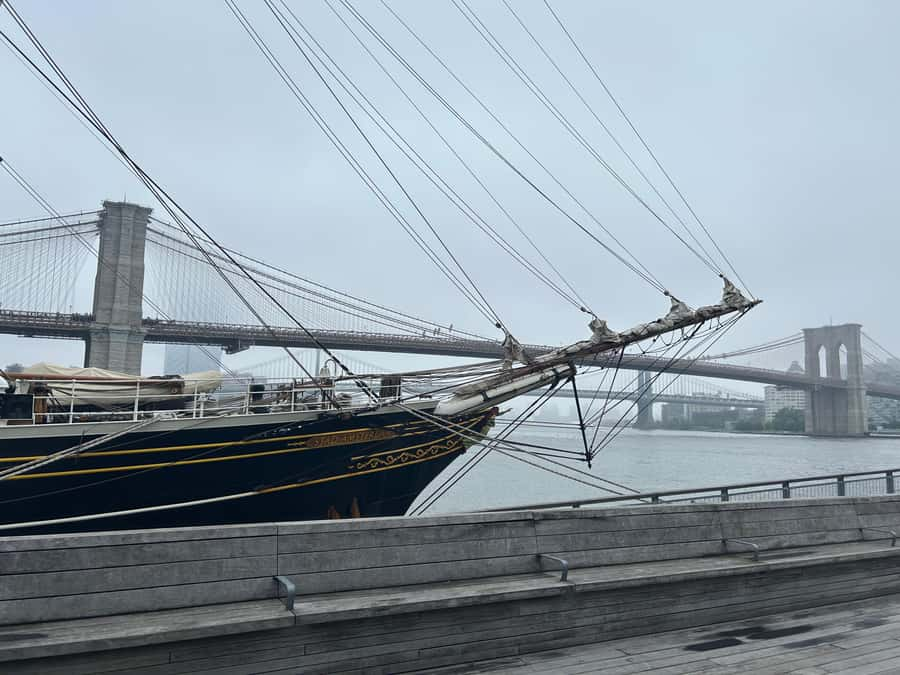
Fraunces Tavern is one of the key historic stops. It is described as the oldest tavern still operating in New York City, and it remains a useful link between early New York and the revolutionary period.
The building is associated with George Washington and the formation of the United States. The tour uses it to add human scale to the political history of the area. Taverns were places where people ate, drank, exchanged news, and made plans. That makes Fraunces Tavern more interesting than a simple old facade.
I also like that the route includes the oldest restaurant in Manhattan among its local food and history references, along with the most original bagel shop in town. The supplied details do not promise a meal or a tasting, so you should treat these as places and stories along the walk, not included food stops.
If you are hoping to linger over lunch, plan that separately. Three hours is designed for sightseeing and storytelling, not a sit-down meal.
More New York City Tours:
- NYC: SUMMIT One Vanderbilt Tickets
★ 4.7 · 51,195 reviews - NYC: Empire State Building Tickets – Observatory & Museum
★ 4.7 · 25,757 reviews - New York City: Statue of Liberty & Ellis Island with Ferry
★ 4.6 · 18,683 reviews - New York City: American Museum of Natural History Ticket
★ 4.5 · 15,447 reviews
Federal Hall and the birth of the American government
Federal Hall brings the walk from colonial New York into the early United States. It was here that George Washington took the oath of office as the nation’s first president, and the tour includes the statue of Washington outside.
This stop gives Wall Street a wider meaning. The district is not only the center of American finance. It was also an early center of national government, public debate, and political change. Seeing Washington’s statue near the modern Stock Exchange helps you understand how commercial and civic power grew side by side.
Federal Hall is one of the places where a guide’s anecdotes can make a real difference. A short explanation of what happened here can turn a familiar name into a clear moment in the city’s story. David’s approach, based on the information provided, mixes historical facts with cultural details and humor rather than delivering a dry lecture.
The Wall of Wall Street and the modern Stock Exchange
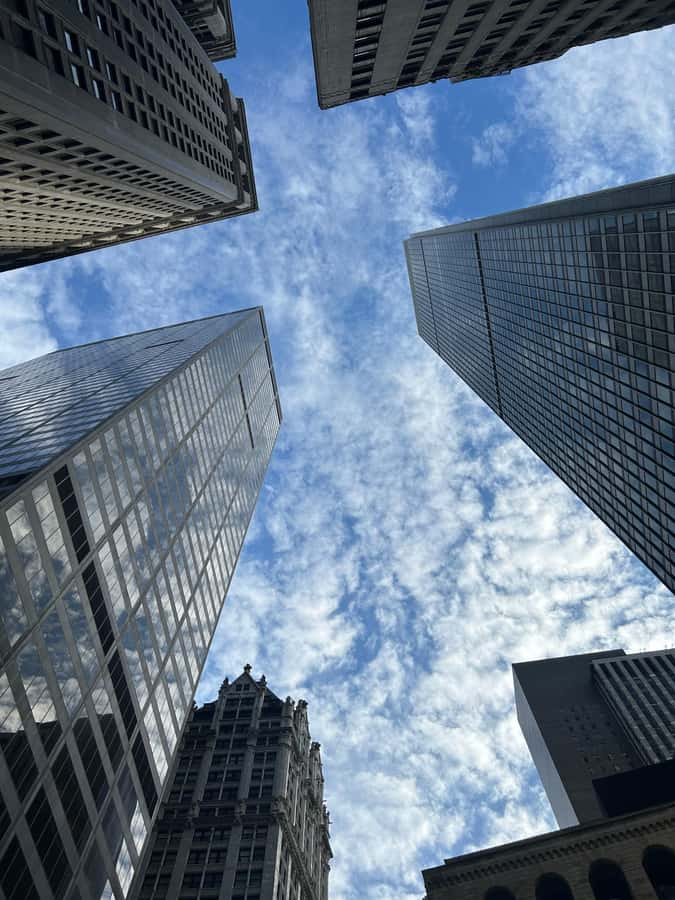
The name Wall Street comes from an actual wall built during the Dutch period. The tour explains the wall and its purpose, then brings you to the old and new New York Stock Exchange.
That contrast is central to the walk. An early defensive boundary eventually gave its name to one of the world’s best-known financial streets. The physical wall is gone, but the street still carries the name, and the route helps you see how a small colonial settlement became a global financial center.
You will not be taking part in stock trading, and the tour is not a business lecture. It is a history walk that uses the Stock Exchange as a way to explain New York’s commercial power. That distinction matters if you are comparing this with a specialized finance tour.
The buildings also make a sharp visual change from Stone Street and the old tavern. You move from cobblestones and colonial remains to monumental stone facades and tightly controlled financial institutions. That variety keeps the route moving.
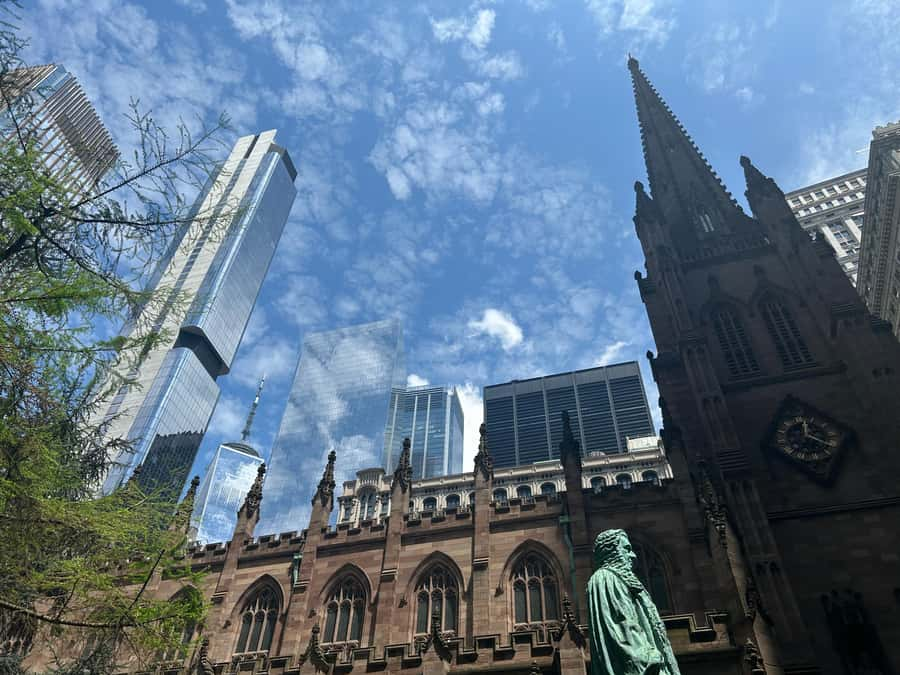
Trinity Church, its cemetery, and Hamilton’s tomb
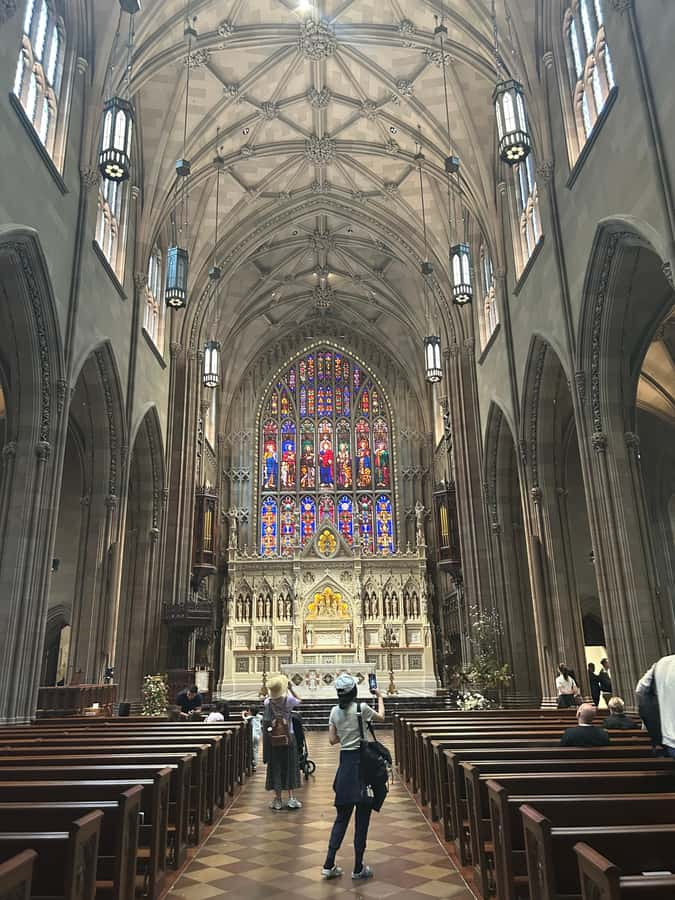
Trinity Church offers one of the tour’s strongest historical pauses. The church, its cemetery, and Hamilton’s tomb connect the Financial District to the early republic and to the people who shaped it.
The cemetery is particularly useful for slowing down the story. Instead of hearing only about famous events, you see names and graves in a real urban setting. Hamilton’s tomb adds a specific connection to the political and financial life of early New York.
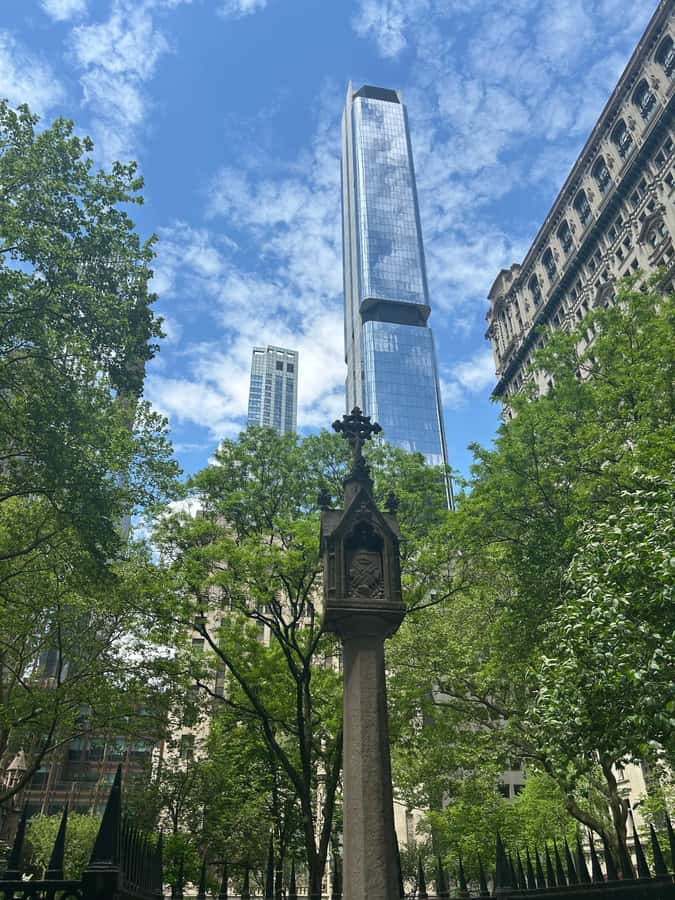
This is also a good place to notice the city’s layers. Trinity Church is surrounded by modern office buildings, yet its churchyard preserves a much older atmosphere. You do not need to be an expert in American history to appreciate the contrast.
Because the route includes several historic buildings in close succession, pay attention to the links David makes between them. The value is not just seeing Trinity Church. It is understanding how religion, politics, business, and burial grounds once occupied the same small part of town.
Charging Bull and Fearless Girl
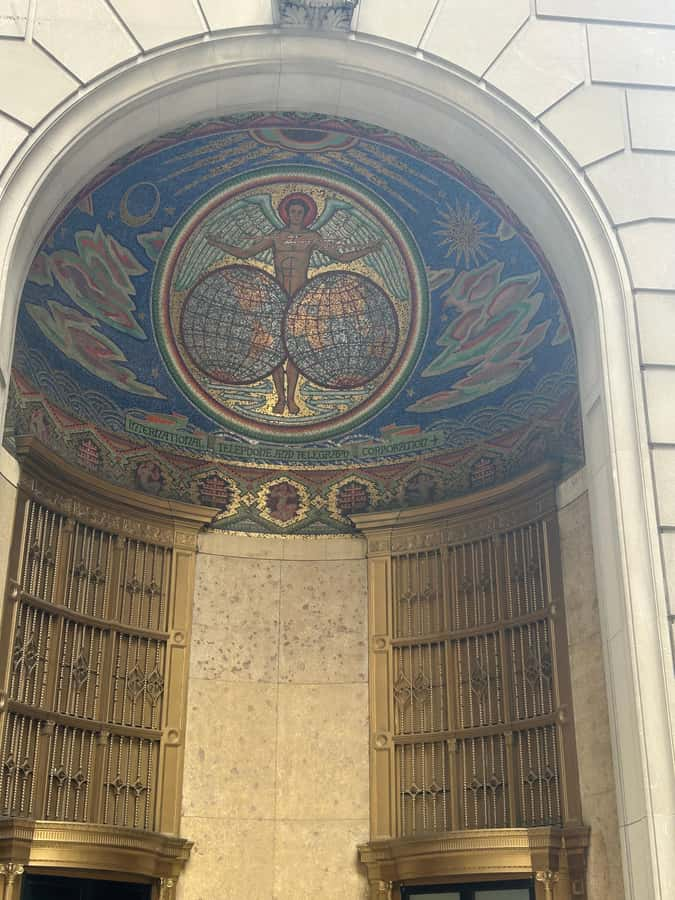
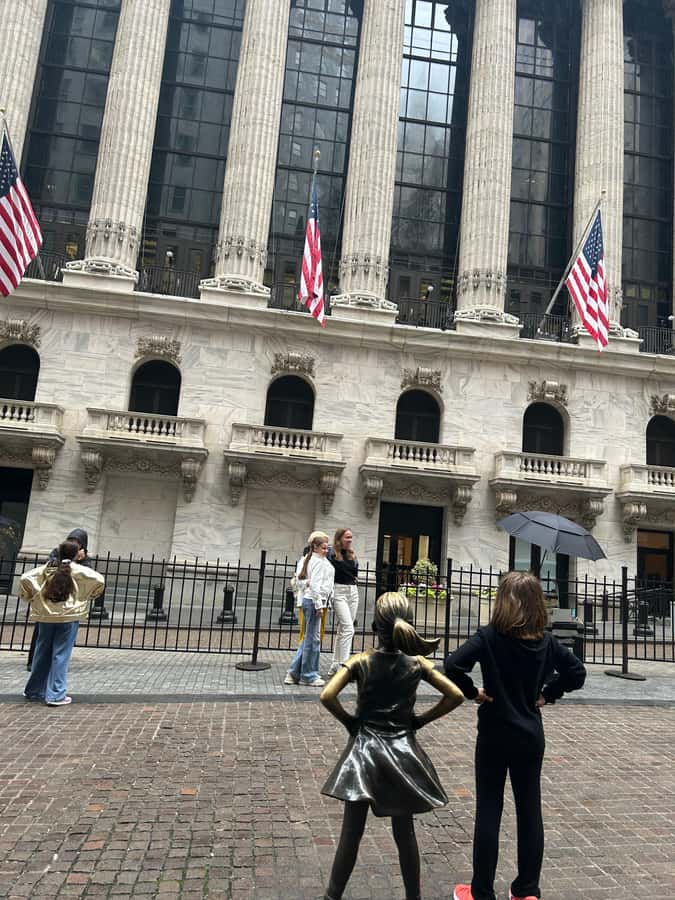
The Charging Bull and Fearless Girl statues bring the tour into present-day New York. They are popular photo stops, but they also raise questions about Wall Street, confidence, power, and public art.
Charging Bull is tied to the financial district’s image of force and ambition. Fearless Girl was placed nearby as a challenge to that image, making the pair a natural point for discussion. The tour describes the statues as controversial, which is more useful than treating them as simple photo props.
Expect these spots to be busy. They are among the most recognizable stops on the route, so you may spend part of the visit waiting for a clear view or sharing the space with other people. The guide can still add value by explaining the background and giving the statues a place in the larger Wall Street story.
The National Museum of the American Indian and New York’s first park
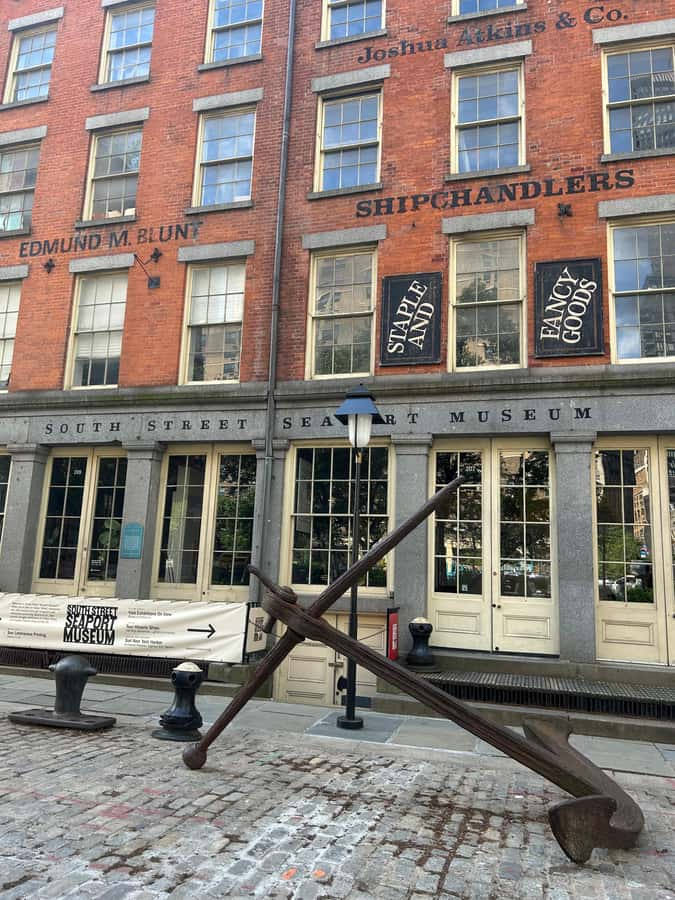
The route continues to the National Museum of the American Indian. The tour does not state that admission is included, so think of this as an exterior or orientation stop unless your guide tells you otherwise.
Its presence helps return the story to the Lenape and to the Indigenous history of the region, which is important. New York’s story did not begin with Dutch settlers or Wall Street. Starting with the Lenape and returning to Indigenous history gives the tour a broader frame.
You also visit New York State’s first park. This stop adds another piece to the city’s civic history and gives you a chance to consider how public space developed alongside the settlement. The route keeps moving between old streets, institutions, memorials, and parks, so the city feels like a series of connected chapters rather than a collection of unrelated sights.
Finishing at the World Trade Center site
The walk ends at the World Trade Center site. This is a serious, modern closing point after a route that begins with the earliest history of Manhattan.
The ending works because it brings the story into the present. You have seen the city’s colonial foundations, revolutionary-era landmarks, financial institutions, churches, statues, and parks. The World Trade Center site reminds you that New York’s history is still unfolding.
The tour is best understood as a guided orientation, not a full visit to every museum or memorial in Lower Manhattan. You will gain context and a clear sense of the district, then you can return later to spend more time at any place that catches your interest.
What $70 means for the value
At $70 per person, this is not the cheapest way to take a walk through Wall Street. You can see several of the outdoor sights without paying for a guide. The value comes from the number of connections packed into three hours and from having David explain the small details that are easy to miss.
I think the price is fair for visitors who want a structured history walk in French or English. You are covering a large part of Lower Manhattan, with a licensed NYC guide, and seeing both headline sights and less obvious stops. The route also saves you the work of researching how Stone Street, the Dutch foundations, Federal Hall, Trinity Church, and the World Trade Center fit together.
It is less compelling if you prefer to move at your own pace, take long photo breaks, or enter museums and historic buildings during the walk. The experience is built around walking and commentary. At $70, you should choose it for the guide’s stories and the route, not for included admissions or food.
Who should book this three-hour walk?
I would recommend it to first-time visitors who want a strong introduction to Lower Manhattan. It is also a good match for French-speaking visitors who want to discuss New York in their first language while still having an English option.
History-minded visitors will get the most from it, especially if they enjoy connections between colonial life, the American Revolution, finance, architecture, and public art. The route also suits people who have already seen Times Square and want a more grounded part of New York. One review described the Financial District as more rewarding than Times Square, and I understand the point: the sights here carry more historical weight and less commercial noise.
Families and older visitors should consider the three-hour walking length. The activity is wheelchair accessible, but the route includes streets, cobbles, and urban crossings, so it is sensible to confirm any specific mobility needs before booking.
The tour has a full schedule of stops, so bring water and wear supportive shoes. You can cancel up to 24 hours ahead for a full refund, and you can reserve now while paying later, which helps if your New York plans are still changing.
Should you book Wall Street: The Birthplace of New York City?
Book it if you want the Financial District explained as the place where New York began, not just the place where stocks are traded. David’s friendly style, French and English delivery, and fondness for anecdotes are the main reasons to choose this walk.
Skip it if you want a short photo tour, a food-focused outing, or plenty of free time inside museums. For everyone else, the mix of Stone Street, Dutch foundations, Fraunces Tavern, Federal Hall, Trinity Church, the Stock Exchange, the two statues, and the World Trade Center makes $70 a reasonable price for a focused three-hour introduction to New York’s first neighborhood.
FAQ
Where does the tour meet?
Meet the guide at the man with the hat in front of the iPic theater.
How long does the tour last?
The walking tour lasts three hours.
How much does the tour cost?
The price is $70 per person.
Is the tour offered in French?
Yes. You can take the tour in French or English.
Who leads the tour?
The tour is led by a friendly NYC licensed guide. The guide featured in the supplied information is David Langlois.
Is the tour wheelchair accessible?
Yes, the activity is listed as wheelchair accessible.
Can I cancel for a full refund?
Yes. You can cancel up to 24 hours in advance for a full refund.
Can I reserve now and pay later?
Yes. You can reserve your place and pay later, which keeps your plans flexible.
Recently added in New York City
- Brooklyn: 3-Hour Williamsburg Bites Food Tour★ 4.5 · 58 reviews
- World Trade Center, 911 and Ground Zero Walking Tour★ 5.0 · 4 reviews
- Welcome to New York: A Tour of Taylor Swift Hotspots★ 5.0 · 11 reviews
- Your NYC Story in Photos: Custom 2-Hour Tour & Photo Shoot★ 4.9 · 60 reviews
- Washington from New York in Spanish★ 5.0 · 4 reviews
- NYC: Empire State Building Sunrise Experience Ticket★ 4.6 · 55 reviews
- New York City: Walk This Way Harlem Hip Hop Walking Tour★ 4.8 · 42 reviews
- Wall Street and Financial District Private Walking Tour★ 5.0 · 6 reviews
Wall Street and Financial District Tours, compared.

NYC City Tour: Statue of Liberty, 9/11 Memorial, Wall Street
Read our review →
Wall Street Insider Tour with a Finance Professional
Read our review →Wall Street Insider Tour with a Finance Professional
Read our review →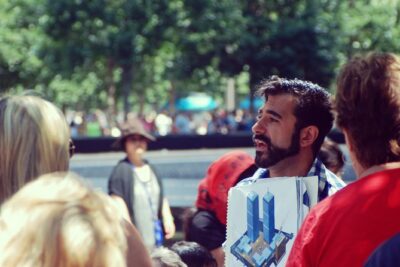
Manhattan Group Tour Including Wall Street and 911 Memorial
Read our review →
Wall Street Tour with 9/11 Memorial and Statue Ferry
Read our review →
Wall Street and Financial District Walking Tour
Read our review →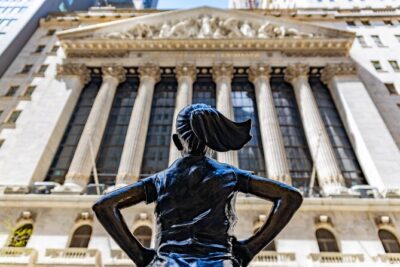

Wall Street and Financial District Walking Tour
Read our review →Browse the lists this tour appears in