
Reviewed · NYC WALKING TOURS
NYC: East Village & Midtown Irish History Walking Tour
New York’s Irish story is not confined to parade routes and pub signs. This two-hour walk links St. Patrick’s Old Cathedral, Tammany Hall politics, McSorley’s, the Fighting 69th, and the Theatre District into one fast-moving look at how Irish immigrants and their descendants helped shape Manhattan. I like the focus on lesser-known corners, and I like that the guides, including Vince and Earl, bring humor and personal energy to the storytelling.
The main drawback is the pace. The route covers a lot of ground in two hours, and several stops are guided points of interest rather than long visits inside attractions. You’ll need comfortable shoes, weather-ready clothing, and possibly an OMNY card. The tour is not suitable for wheelchair users or people with mobility impairments.
Key points to know before you book
- Irish New York beyond the usual pub crawl: The tour looks at politics, military service, immigration, culture, and city life rather than focusing only on food and drink.
- A wide route in just two hours: You move from the East Village toward Midtown, with stops around Union Square, Fifth Avenue, Hell’s Kitchen, and Duffy Square.
- McSorley’s with historical context: The famous Irish-American drinking spot is part of the story, but food and drinks are not included.
- Guides with strong local character: Vince and Earl are named guides whose tours are described as warm, funny, and packed with New York tips.
- A brisk, outdoor experience: Most of the value comes from narration and seeing important places in context, not from long indoor visits.
- Good flexibility for uncertain plans: You can cancel up to 24 hours ahead for a full refund and reserve now while paying later.
Why this Irish history walk feels different
I like tours that explain how a city was built, not just where to take a photograph. This one uses Irish-American New York as its thread, then follows that thread through politics, military history, neighborhood life, architecture, and entertainment.
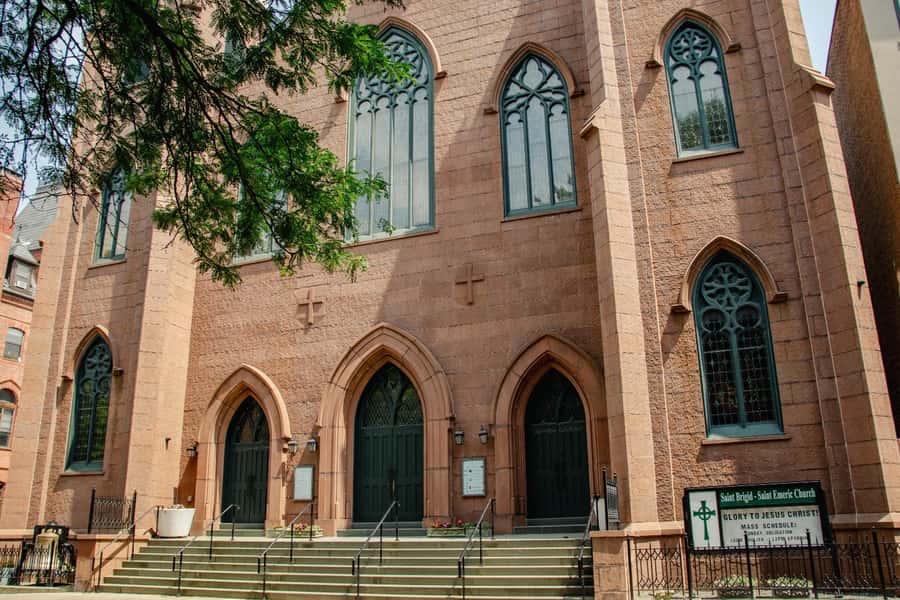
The starting point, the Basilica of St. Patrick’s Old Cathedral, gives the tour a useful foundation. It connects the walk to the Irish Catholic experience in Manhattan and to the immigrant communities that helped establish themselves in New York. From there, the route moves through places where Irish influence appears in less obvious ways.
You are not simply being led from one famous sight to another. The tour is designed to point out locations that played a role in Irish New York but may be easy to pass without context. That makes a live guide especially valuable. A plaque or quick internet search may tell you what a building is. A good guide can explain why it mattered to Irish communities and how it fits the larger story.
The tone also matters. The experience promises humor and heart, and the feedback connected with Vince and Earl points to guides who are generous with stories and New York advice. Earl, in particular, is described as taking time with the places along the route and offering additional tips about the city. Vince is described as having an impressive command of New York and making the experience work well for a mother-and-daughter outing.
That gives you a sense of the tour’s appeal. It is not presented as a dry lecture. You should expect a conversational walk, with anecdotes that help the political and social history feel close to street level.
More East Village Tours:
- East Village Rock and Roll Tour *Rock Junket Tours
★ 5.0 · 170 reviews - East Village Haunted Manhattan tour
★ 5.0 · 81 reviews - NYC East Village Polish Food Tour
★ 5.0 · 34 reviews
Starting at St. Patrick’s Old Cathedral
The tour begins at the Basilica of St. Patrick’s Old Cathedral. This is a fitting place to start because it gives the Irish-American story a clear cultural and religious anchor before the walk spreads across Manhattan.
The cathedral also helps set expectations. This is not just a tour of Irish restaurants or a search for St. Patrick’s Day decorations. The focus includes the institutions and communities that helped Irish New Yorkers build a life in the city.
Your guide can use the opening stop to explain the setting and establish the main themes of the walk. Since the full experience lasts only two hours, do not expect an extended cathedral visit to take up the schedule. The attraction here is the historical framing.
If you are especially interested in architecture or Catholic history, you may want to allow extra time before or after the tour to explore the area on your own. The guided experience is built around the wider route, so the cathedral is a beginning rather than the entire subject.
Gramercy Park and the politics of old Manhattan
Gramercy Park is one of the tour’s listed stops, and it shifts the story from religious community life toward Manhattan’s social and political world. This part of the walk helps show that Irish history in New York was not confined to one neighborhood.
The guide connects the area to the wider Irish-American story, including political influence and the way immigrant communities sought a voice in city government. The mention of Tammany Hall’s political intrigue is important here. You get a look at the complicated relationship between Irish New Yorkers and city politics, a subject that is more interesting than a simple success story.
Political power brought opportunity, but it also carried controversy. A good walking tour should leave room for both sides, and this experience promises an entertaining account rather than a polished legend. You can expect stories about ambition, influence, and the practical workings of New York politics.
Gramercy Park is also a reminder that the route crosses areas with different identities. The tour does not treat Irish history as something fixed in one old neighborhood. Instead, it follows the people and institutions into parts of Manhattan that many visitors see only as general sightseeing territory.
McSorley’s and the pub side of Irish New York
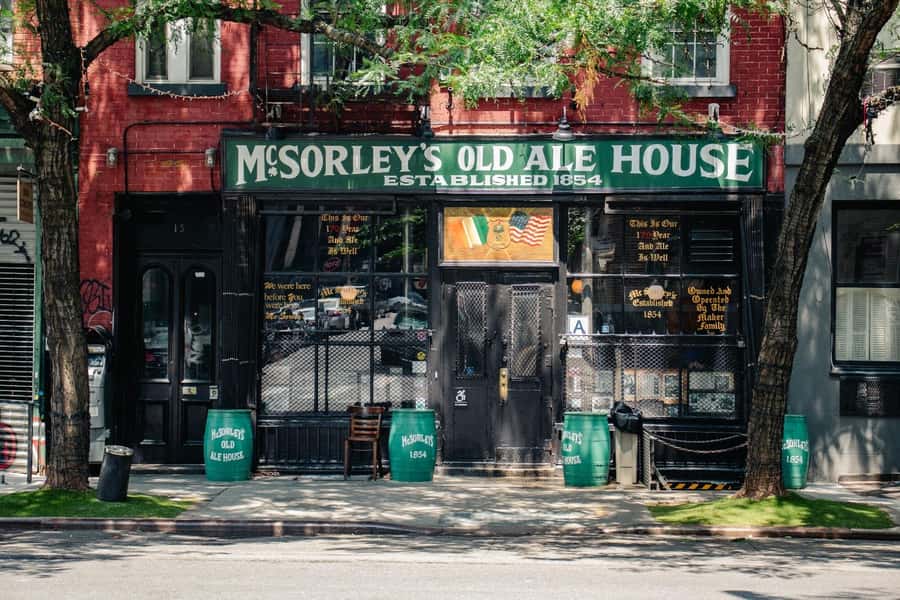
McSorley’s is likely to be one of the easiest stops to picture. It is a well-known Irish-American institution, but the tour uses it as a historical site rather than as a simple drinking break.
That distinction matters. Food and drinks are not included, and the experience does not promise a pub meal or tasting. You are paying for the stories and the setting, not a bundled beverage. If you want to eat or drink at McSorley’s, plan that separately and do not assume there will be time during the two-hour walk.
The value of this stop comes from context. A place associated with Irish-American social life can help make the broader history more tangible. Your guide may use it to connect working life, community ties, political talk, and the role of public houses in New York’s Irish culture. The exact presentation can vary by guide, but the listed stop signals that the pub is part of the historical route.
This is also a good point to keep your expectations realistic. A guided stop does not necessarily mean a long indoor tour. The itinerary calls it a guided visit, but no admission or reserved interior experience is specified. Treat McSorley’s as an important storytelling stop, with any food or drink on your own tab.
More Midtown Manhattan Tours:
- NYC: Circle Line “The Beast” Midtown/Downtown Speedboat Ride
★ 4.6 · 4,259 reviews - The Escape Game NYC: 60-Minute Adventures in Midtown Manhattan
★ 5.0 · 280 reviews - Midtown Manhattan Guided Tour w/ SUMMIT One Vanderbilt Entry
★ 4.2 · 188 reviews - Art Deco and Architecture Midtown Landmarks Tour
★ 5.0 · 142 reviews
Union Square and the city’s changing public life
Union Square gives the tour another large public space in which to discuss New York’s development. Here, you are looking at a major Manhattan gathering place while hearing how Irish communities fit into the city’s political and social life.
The stop helps break up the route. After the more focused setting of McSorley’s, Union Square opens the story to public demonstrations, movement through the city, and the changing use of urban space. The tour’s larger point is that Irish New Yorkers were part of the city’s growth, not separate from it.
I appreciate this kind of stop because it helps connect individual stories to the city around you. You see a present-day Manhattan plaza, then hear about the forces and people that helped shape the city. The contrast can make the past easier to picture.
There is no promise of a long break here, so use the time before the tour to handle water and personal needs. The pace remains important, especially as more Midtown stops follow.
Fifth Avenue and Irish influence beside the icons
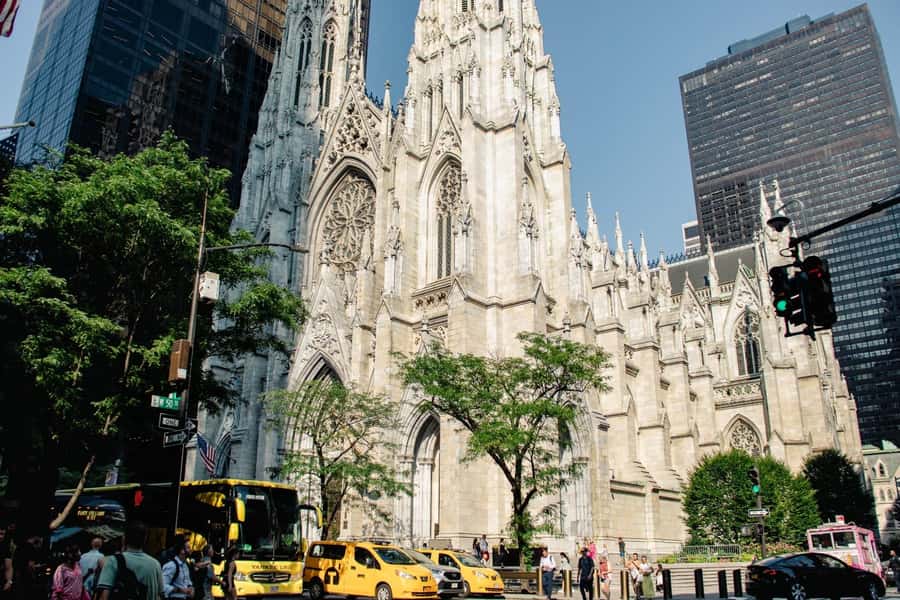
Fifth Avenue brings the Irish-American story into one of New York’s most famous corridors. The description points to Irish immigrants shaping the skyline alongside the Empire State Building, a useful reminder that the city’s grand image was built through the labor and ambition of ordinary communities.
The tour does not present Irish history as a side note. It places Irish workers, institutions, and public figures beside the major avenues and landmarks that define Manhattan for visitors. That can change how you read the city. Instead of seeing Fifth Avenue only as a shopping street or parade route, you begin to consider the people who built, served, organized, and lived around it.
Because no specific building admission is included, expect to view the area from the streets and hear the guide’s interpretation. That is a strength for some people. You can cover more ground and keep the focus on connections between places. It is less suitable if you want extended time inside museums or historic buildings.
Hell’s Kitchen and the working-city story
Hell’s Kitchen adds another layer to the walk. The neighborhood is included as a guided stop, and its place in the route supports the tour’s focus on Irish communities, working life, and the making of Manhattan.
This section should appeal to you if you prefer social history to a list of famous names. The Irish-American story includes political leaders and military units, but it also includes families, workers, neighborhood networks, and people building a future in a demanding city. Hell’s Kitchen gives the guide space to bring those themes into a neighborhood setting.
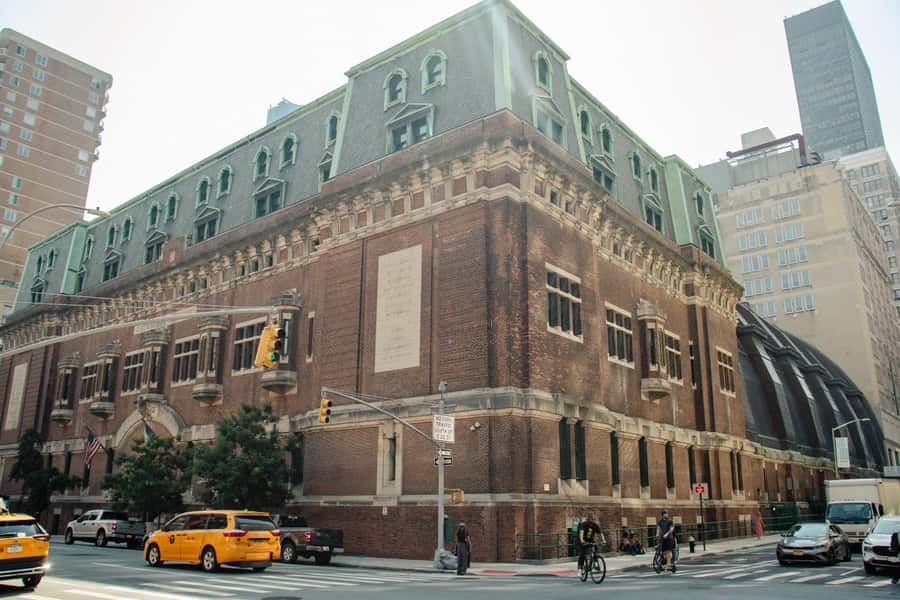
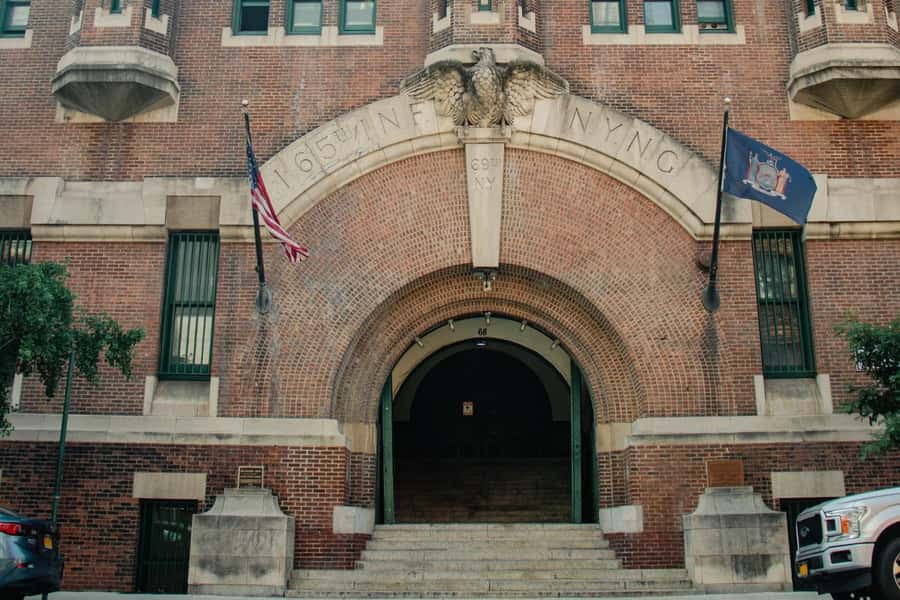
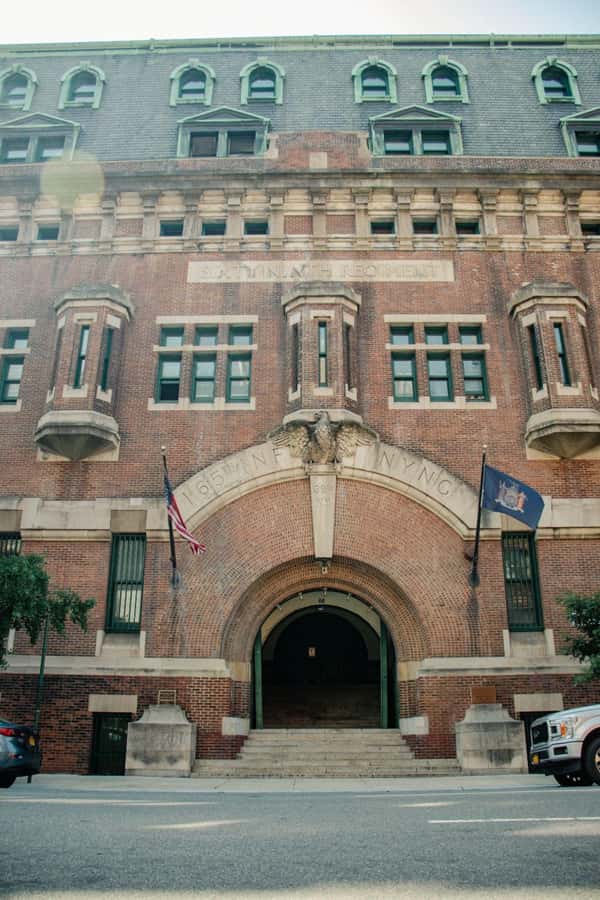
The tour also mentions the Fighting 69th Regiment Armory and its heroic legacy. That military connection broadens the subject beyond immigration and politics. Irish-American identity in New York was shaped by service and sacrifice as well as by churches, pubs, and political clubs.
The precise location of every story is not supplied, so I would not expect a formal armory visit or an indoor military exhibit as part of the $59 price. Instead, the guide brings the history into the street walk. That is useful if you want an efficient introduction, but less so if you are looking for a specialist military tour.
The Theatre District and Duffy Square finale
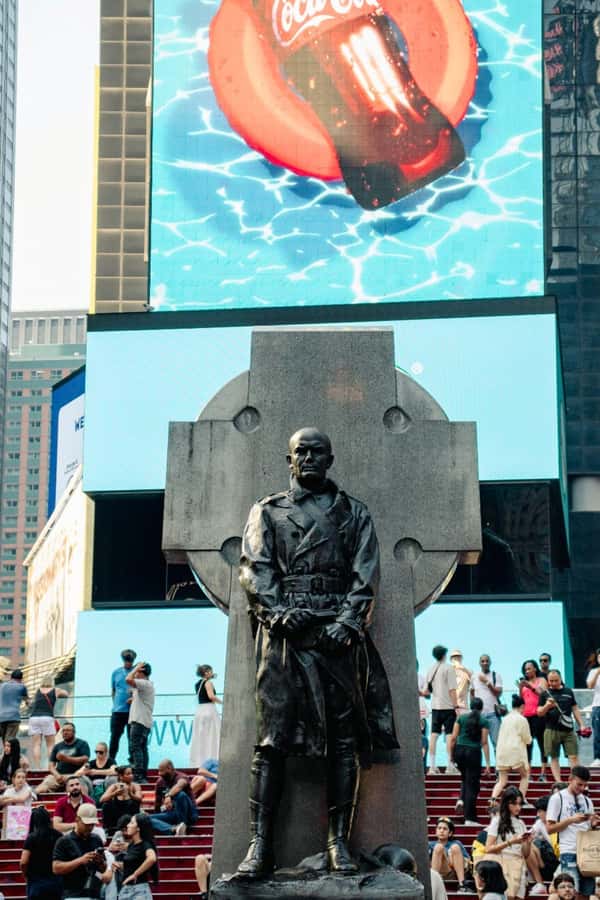
The route continues into the Theatre District and finishes at Duffy Square. This ending brings the story into one of Manhattan’s most recognizable public settings, where Irish influence is connected with the city’s cultural life and changing identity.
Duffy Square is a practical finish because it puts you near major Midtown sights and transport connections. You can continue sightseeing after the tour without needing to cross the city again. The ending also gives the walk a natural arc, from the old cathedral in Lower Manhattan to the bright center of modern New York entertainment.
The Theatre District may be familiar, but the guide’s job is to show you a less familiar angle. The tour is not simply a Times Square orientation. It uses Midtown to discuss Irish contributions to the city and the cultural forces that helped shape New York.
Keep in mind that two hours is short for such a broad route. The final stops may be brief, especially if the group has spent extra time on earlier stories. You will get a compact overview, not an exhaustive history of each neighborhood.
What $59 gets you
At $59 per person, the tour costs about $29.50 per hour. That is fair if you value a live guide who can connect scattered locations and explain why they matter. The price includes the guided walking tour, Irish New York stories, anecdotes, and visits to lesser-known historical sites.
The fee does not include food, drinks, entrance fees, or an OMNY card for subway and bus use. Those exclusions are easy to overlook, so budget for them if your plans include a pub stop or public transportation. The tour information identifies an OMNY card as something to bring, which suggests you should be ready for transit needs even though the experience is presented as a walking tour.
Value depends on your interests. If you already know Irish-American New York well, the route may feel like a short introduction rather than a specialist study. If you are new to the subject, the guide’s storytelling can save you time and give you a useful framework for exploring on your own.
Private group bookings are available, which may make the price more worthwhile for families, friends, or a special occasion. Veterans and first responders receive a 10 percent discount. Those details can make the tour a better fit for the right group, though no group size is specified.
Walking conditions, timing, and who should book
Plan for steady city walking over two hours. Wear shoes that can handle pavement and choose clothing for the weather. The route includes several neighborhoods and major avenues, so this is not a seated talk with a few short strolls.
The tour is conducted in English with a live guide. That makes it a good choice if you enjoy asking questions, hearing anecdotes, and getting more than a scripted audio track. The guides named in connection with the experience, Vince and Earl, are associated with a lively, generous style. You may not receive the same guide, so treat those names as examples of the human character this tour aims to offer.
This walk suits:
- People interested in Irish-American culture and New York immigration history
- Repeat New York visitors who want a fresh subject
- Families and couples looking for a story-led city activity
- Veterans and first responders who can use the available discount
- Visitors who prefer outdoor sightseeing to long museum visits
It is a poor fit if you use a wheelchair or have a mobility impairment, since the activity is specifically marked as unsuitable for those needs. It may also disappoint anyone hoping for a long pub meal, a formal museum entry, or a leisurely pace.
You can cancel up to 24 hours before the tour for a full refund, and the reserve-now, pay-later option keeps your plans flexible. Starting times vary, so check availability before arranging other activities around it.
Should you book the East Village and Midtown Irish History Walking Tour?
Book it if you want a compact, guide-led look at Irish-American New York that reaches beyond the obvious pub and parade themes. The combination of the Old Cathedral, McSorley’s, Tammany Hall politics, the Fighting 69th, Fifth Avenue, Hell’s Kitchen, and Duffy Square gives you a broad story in a short time.
I would choose it for a first visit if Irish culture is a major interest, or for a return visit when you have already covered the standard Manhattan sights. I would also consider it for a family gift or private group, especially if you value a guide who can mix facts with humor.
Skip it if you need step-free access, want extensive indoor visits, or prefer to explore at your own slow pace. At $59, the strongest value is the guide’s interpretation. If you are willing to walk briskly and listen closely, the tour can give familiar streets a useful new meaning.
FAQ
How long is the Irish history walking tour?
The tour lasts two hours.
Where does the tour begin?
It begins at the Basilica of St. Patrick’s Old Cathedral.
Where does the tour finish?
The listed final stop is Duffy Square in Midtown.
Is the tour conducted in English?
Yes. The tour has a live English-speaking guide.
Are food and drinks included?
No. Food and drinks are not included in the tour price.
Can I cancel the tour for a refund?
Yes. You can cancel up to 24 hours in advance for a full refund.
More Historical Tours in New York City
- New York City: American Museum of Natural History Ticket
★ 4.5 · 15,447 reviews - NYC: Starship Landmark 90 Minute Sightseeing Cruise
★ 4.6 · 3,666 reviews - Starship Landmark 90 Minute Sightseeing Cruise
★ 4.5 · 2,073 reviews - American Museum of Natural History Admission Ticket
★ 4.0 · 1,931 reviews
More NYC Walking Tours
- SoHo, Little Italy, and Chinatown Walking Tour in New York
★ 5.0 · 3,153 reviews - Secrets of Grand Central Station Walking Tour New York City
★ 5.0 · 1,796 reviews - Greenwich Village Walking and Food Tasting Tour
★ 5.0 · 1,572 reviews - Artistic, Alternative Greenwich Village Walking Tour
★ 5.0 · 971 reviews
Recently added in New York City
- NYC: Empire State Building Sunrise Experience Ticket★ 4.8 · 68 reviews
- NYC: Fabulous Drag Night Out with a Drag Queen★ 4.8 · 17 reviews
- NYC | French guided tour Bushwick & Williamsburg★ 5.0 · 16 reviews
- NYC: Empire State Building & Manhattan Walking Tour★ 4.6 · 18 reviews
- NYC: Empire State Building & Optional Top of the Rock Tour★ 4.4 · 12 reviews
- NYC Empire State Horse Carriage Ride in Central Park(45mins)★ 4.7 · 12 reviews
- NYC: Eat 4 New York Foods & See 30 Sights Walking Tour★ 5.0 · 3 reviews
- NYC: Elf & Home Alone 2 Locations Central Park Pedicab Tour★ 4.9 · 21 reviews
NYC Walking Tours, compared.

SoHo, Little Italy, and Chinatown Walking Tour in New York
Read our review →
Secrets of Grand Central Station Walking Tour New York City
Read our review →
Greenwich Village Walking and Food Tasting Tour
Read our review →
Artistic, Alternative Greenwich Village Walking Tour
Read our review →


NYC Greenwich Village Italian Food Guided Walking Tour
Read our review →Browse the lists this tour appears in