
Reviewed · MUSEUMS
NYC: Museum of Arts and Design
The Museum of Arts and Design puts the making process front and center. Instead of treating art as something sealed behind glass, MAD shows how artists shape metal, clay, textiles, jewelry, and everyday objects into ideas about culture and society. I especially like the working MAD Artist Studios and the range of current exhibitions, from Jonathan Adler’s witty design world to Douriean Fletcher’s Afrofuturist jewelry.
The location is another big plus: Columbus Circle, Central Park, and Times Square are all close by, so MAD fits neatly into a day in Midtown. The main drawback is that the museum can feel more like a collection of separate exhibitions than one smooth route, and one recent visitor found the flow unclear. At $20, the value depends on how much you enjoy contemporary craft and design rather than traditional paintings.
Key points to know before you go

- See artists at work: MAD Artist Studios lets you watch creative work in progress and ask questions when studios are open.
- Expect changing themes: Exhibitions can range from Barbie’s cultural history to handmade Afrofuturist jewelry and the design of childbirth.
- Jonathan Adler brings humor: The Mad MAD World pairs more than 60 pieces from the permanent collection with Adler’s own designs.
- The museum is easy to pair with sightseeing: MAD sits at Columbus Circle, a short walk from Central Park and Times Square.
- Use the MAD Mobile Guide: It adds background to the objects and helps make sense of work that may not explain itself at a glance.
- Plan around the practical rules: Food, drinks, luggage, and large bags are not allowed, but the museum is wheelchair accessible.
What makes MAD different from a standard art museum
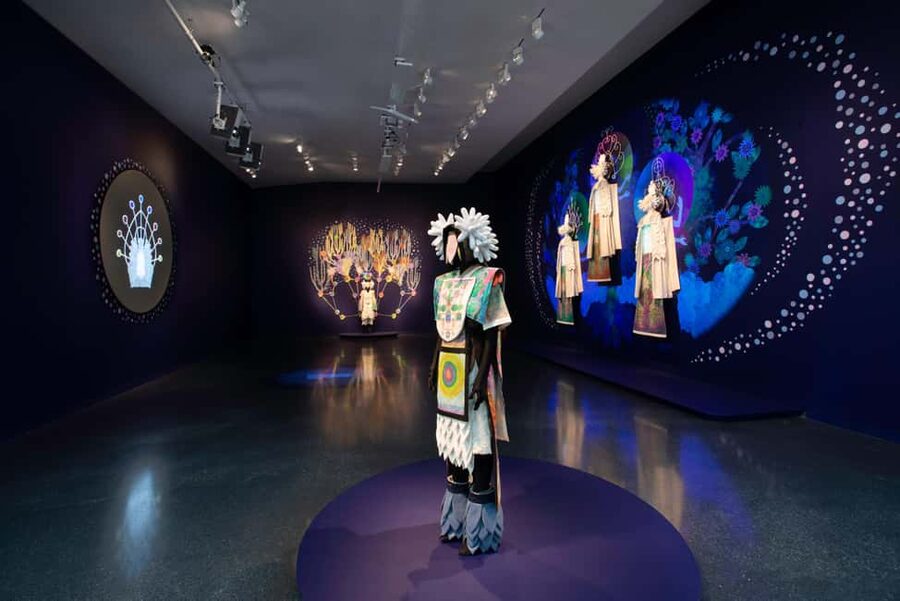
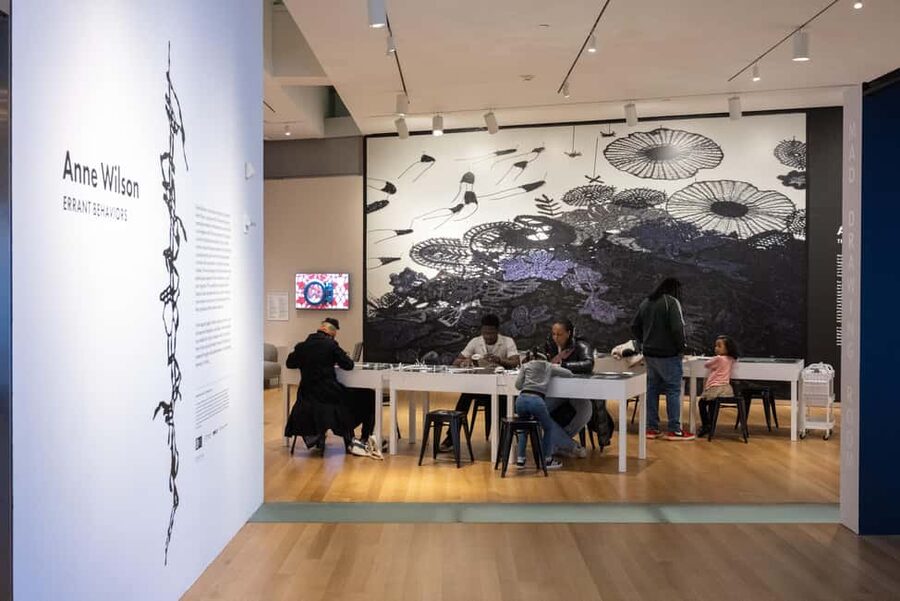
MAD is built around objects and the people who make them. You will find art, design, craft, and social commentary sharing the same space. That mix is the point. A handmade necklace can carry a cultural message, while a piece of furniture or a household object can raise questions about taste, identity, technology, or power.
This makes the museum a good choice if you like art that gives you something to discuss. It is less predictable than a gallery of famous paintings, but it can also be less immediately clear. Some works may look decorative until you read the label or use the MAD Mobile Guide. Give yourself time to ask what the object is made from, who it was made for, and what idea it is trying to express.
The museum welcomes visitors to see the world through an artist’s eyes, and its exhibitions often focus on the creative process. Many pieces are carefully made by hand, so small details matter. Look closely at surfaces, joins, patterns, and materials. The craftsmanship is often as important as the finished image.
More Museums in New York City:
- NYC: Empire State Building Tickets – Observatory & Museum
★ 4.7 · 25,757 reviews - New York City: American Museum of Natural History Ticket
★ 4.5 · 15,447 reviews - NYC: Museum of Modern Art (MoMA) Entry Ticket
★ 4.6 · 12,540 reviews
Jonathan Adler’s witty tour through the collection
The Mad MAD World of Jonathan Adler is designed as an introduction to the museum’s permanent collection through the taste of a well-known potter and designer. Adler’s first role selecting a museum exhibition brings more than 60 works together with his own recognizable designs.
The appeal here is the contrast. You are not simply walking through a timeline of objects arranged by date or material. Instead, Adler’s choices create a personal, glamorous, and playful route through the collection. His own pieces give you a reference point, while the museum objects show how many different ways artists can handle form, color, and function.
I would give this exhibition extra time if you enjoy interiors, ceramics, or objects with a sense of humor. It should also suit visitors who find traditional museum displays too formal. The title gives you a clue about the mood: expect wit and visual surprises rather than a quiet survey with a strict academic order.
The possible downside is that a personal selection may not explain every object in equal depth. If you want a complete history of MAD’s collection, this is not the same as a chronological tour. Think of it as a lively introduction that encourages you to follow your own interests.
Douriean Fletcher and the jewelry of the Afrofuture

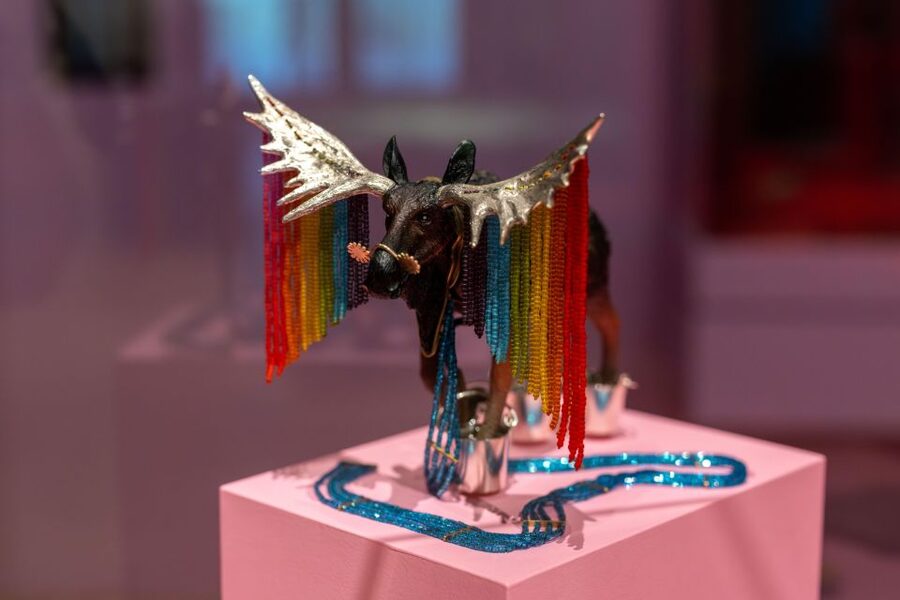
Douriean Fletcher: Jewelry of the Afrofuture presents 75 works from Fletcher’s collection. The exhibition follows her path from self-taught metalsmith to influential designer, including adornments made for the Marvel Studios Black Panther films.
This is one of the most specific exhibitions at MAD, with a clear focus on jewelry as both design and storytelling. Jewelry can signal status, belonging, strength, or imagined futures. Here, the handmade quality matters because the object is not only something to look at. It also reflects the skill and personal development of the artist who made it.
You may find the connection to Black Panther especially useful if you are interested in costume design or popular film. The exhibition gives you a way to see screen jewelry as part of a larger artistic practice rather than as a small detail in a movie. It also makes the museum’s focus on handwork easy to understand.
Allow time to look at the pieces from more than one angle. Jewelry is made for the body, so scale, texture, and how an object might move are part of its meaning. This section should appeal to design fans, film enthusiasts, and anyone curious about how a self-taught maker develops a professional voice.
Designing Motherhood turns everyday objects into social history

Designing Motherhood: Things that Make and Break Our Births looks at 150 years of design connected to fertility, pregnancy, postpartum care, and parenthood. More than 250 objects are included, making this the broadest exhibition described at MAD.
The subject is powerful because it deals with experiences that are often treated as private or purely medical. By focusing on objects, the exhibition asks how design shapes care, comfort, control, and expectations around birth and parenting. The objects may be familiar, technical, personal, or surprising, but the larger question is how tools and systems affect real lives.
This exhibition should be especially meaningful if you are interested in medicine, family life, industrial design, or the way society treats the body. It also gives you a reason to slow down. With more than 250 objects, a quick look will not reveal the full range of the show.
The subject matter may not suit every visitor, particularly if you want a light, purely decorative museum visit. Still, it is exactly the sort of exhibition that explains why MAD is different from a conventional art museum. The museum is not only displaying beautiful things. It is asking what objects do in the world.
More New York City Tours:
- NYC: SUMMIT One Vanderbilt Tickets
★ 4.7 · 51,195 reviews - New York City: Statue of Liberty & Ellis Island with Ferry
★ 4.6 · 18,683 reviews - Statue of Liberty and Ellis Island Tour: All Options
★ 5.0 · 13,571 reviews - New York in One Day Guided Sightseeing Tour
★ 5.0 · 13,166 reviews
The permanent collection rewards a curious eye
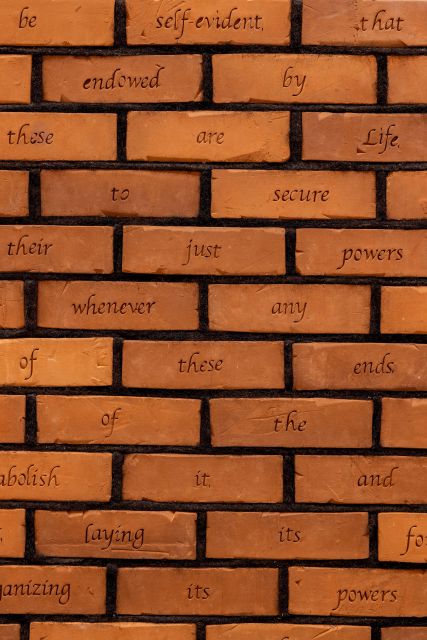
The permanent collection is part of the museum’s appeal, but it is not presented as a complete survey in the information provided. Instead, it appears alongside changing exhibitions, including Jonathan Adler’s personal selection.
That arrangement means you should not arrive expecting a single, predictable path. One room may focus on a design idea, while another may shift toward material, identity, or social life. I recommend using the MAD Mobile Guide when a work catches your attention but the meaning is not obvious. It can add the context needed to move from that looks interesting to now I understand why it matters.
A visitor who prefers a clear beginning, middle, and end may find the museum’s layout less natural. One recent visit was described as informative but lacking a clear flow. The practical answer is simple: do not rush from room to room trying to find the one correct route. Treat the museum as a set of connected exhibitions and follow the subjects that hold your attention.
MAD Artist Studios bring the making process into view
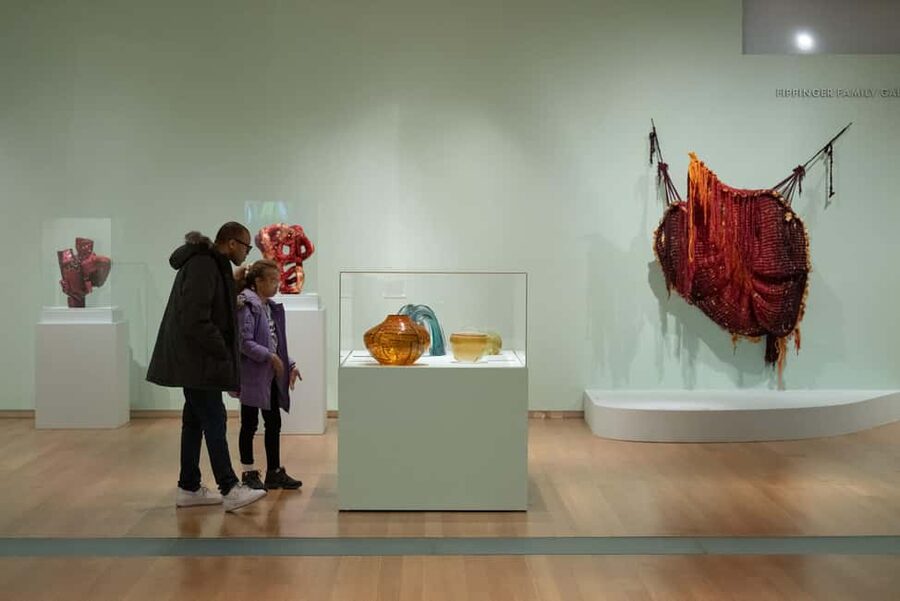
The Artist Studios are among the museum’s most valuable features. These are creative workspaces inside MAD where visitors can view works in progress and ask artists questions.
That changes the tone of the visit. You are not only looking at finished objects. You may also see the less polished stage when an idea is being tested, adjusted, or built. For anyone who makes things, or simply wonders how a finished artwork comes together, this can be the most memorable part of the museum.
The studios are open from 10:30 a.m. to 5:30 p.m. on Wednesday, Friday, and Saturday, and from noon to 7 p.m. on Thursday. Plan your museum day around those hours if this feature is important to you. The studios do not have the same schedule every day, so a visit outside those times may mean missing them.
Questions are welcome, but keep them focused and polite. Artists working in an open studio may be willing to explain a technique or idea, yet the space is still a workplace. A little patience will make the encounter better for everyone.
A Midtown location that helps you build a full day
MAD is at Columbus Circle, right beside Central Park and within easy reach of Times Square. That location makes it useful for visitors trying to fit several New York sights into one day.
You could visit the museum before walking through Central Park, or use it as a quieter indoor stop after the bright signs and crowds around Times Square. The museum itself is a full-day admission, but you do not have to stay all day to get value from it. A focused visit to two or three exhibitions, followed by lunch or another nearby sight, may be enough for many people.
The central location also makes the museum a practical rainy-day choice. Since food and drinks are not allowed in the galleries, plan to eat before entering or use the museum’s Robert restaurant if it fits your budget and schedule.
Robert restaurant and The Store at MAD
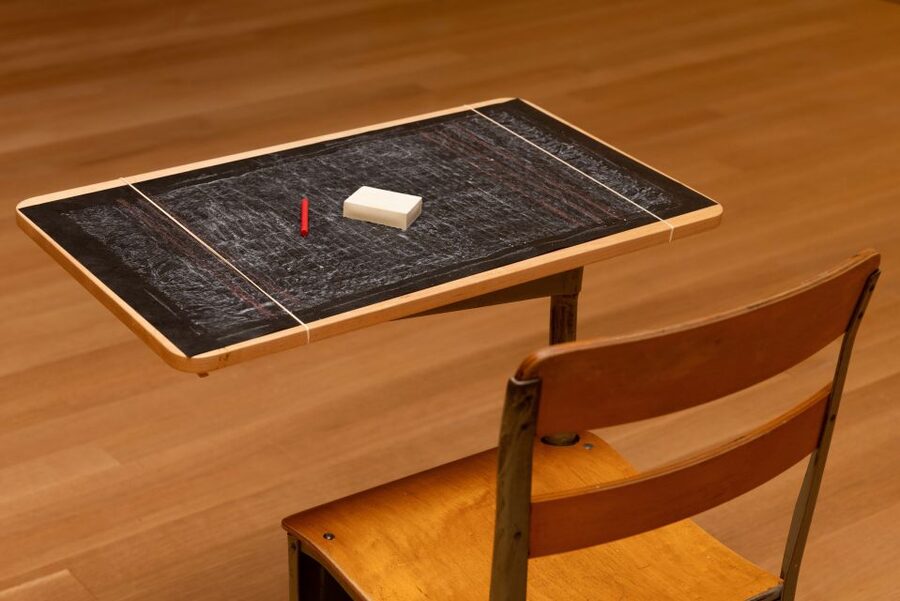
Robert restaurant is on the museum’s ninth floor and has views of Central Park. It serves contemporary American food and signature cocktails, making it more than a quick museum café stop.
The view is the main reason to consider it. You can turn the museum visit into a longer Midtown outing, but you should treat the restaurant as an optional add-on rather than part of the $20 admission. The museum ticket includes entry only.
The Store at MAD is another worthwhile stop, particularly if you like handmade gifts and design for the home. It offers stylish, carefully made products for different ages and tastes. The store gives you a chance to take home something connected to the museum’s focus on craft without buying a major artwork.
How long to stay and how to use the $20 ticket

Admission costs $20 per person and is valid for one day. That is a fair price if you plan to see several exhibitions, use the mobile guide, and visit the artist studios during their open hours. It is less compelling if you only want a quick look at one small show.
The museum does not provide a guided tour in the information supplied, and no guide name is listed. The MAD Mobile Guide is the main tool for adding detail as you explore. This suits independent visitors who like to set their own pace, but it means you should not expect a host to lead you from room to room.
The ticket is non-refundable, so check the date and opening times before committing. The experience is wheelchair accessible. Food, drinks, luggage, large bags, and pets are not allowed, although assistance dogs are permitted.
The booking is described as a small group experience limited to nine participants. Since this is a museum admission rather than a traditional walking tour, the cap may matter most if an organized visit or shared entry is being arranged. Do not assume it includes a private guide.
What recent programming tells you about MAD
The exhibition list changes, and recent programming included a Barbie exhibition that drew visitors interested in seeing the doll across different eras, outfits, careers, and ideas about diversity. That kind of show helps explain MAD’s approach: popular design can be treated as a serious subject when it affects how society thinks about identity and aspiration.
The Barbie exhibition also shows why you should check the current program before booking. You may arrive for one particular theme and find that it has ended, while a new show has taken its place. Current highlights include Jonathan Adler, Douriean Fletcher, and Designing Motherhood, but temporary exhibitions do not remain forever.
The range is a strength, but it can make the museum feel uneven. One section may appeal strongly to you, while another may seem modest. The building and central location help carry the experience, but your satisfaction will depend on whether the current subjects match your interests.
Who should visit MAD
I would recommend MAD to you if you like handmade objects, contemporary craft, fashion, jewelry, product design, or exhibitions that connect art with daily life. It is also a good pick for repeat New York visitors who have already seen the major painting museums and want something different.
Families may find some subjects approachable, especially exhibitions built around familiar objects or popular culture. The museum also suits design students and anyone interested in how a maker turns an idea into a physical object.
You may want to choose another museum if you prefer famous paintings, a large sculpture collection, or a clearly marked chronological route. MAD rewards curiosity, but it does not promise that every room will appeal equally. The museum asks you to bring your own questions.
Should you book the Museum of Arts and Design?
Book it if the current exhibitions interest you and you can spare at least a few hours near Columbus Circle. At $20, the strongest value comes from combining several shows with the MAD Mobile Guide and a visit to the Artist Studios during their scheduled hours.
I would be more cautious if you want a tightly guided museum tour or a guaranteed single blockbuster exhibition. The program changes, the route may not feel obvious, and the ticket cannot be refunded. For visitors who enjoy design with a social edge, handmade work, and a little visual mischief, MAD is a smart Midtown stop. For everyone else, check the current exhibition list before paying.
FAQ
Where is the Museum of Arts and Design located?
The museum is at Columbus Circle in New York City, near Central Park and Times Square.
How much does admission cost?
Admission costs $20 per person.
How long is the ticket valid?
The ticket is valid for one day.
Is the museum wheelchair accessible?
Yes, the activity is wheelchair accessible.
Are food and drinks allowed inside?
No. Food and drinks are not allowed.
Can I bring luggage or a pet?
Large bags and luggage are not allowed. Pets are not permitted, but assistance dogs are allowed.
Recently added in New York City
- NYC: Operation Mincemeat on Broadway6 reviews
- NYC: Night Tour and Viewpoints of New York★ 4.9 · 9 reviews
- NYC: Panoramic Tour by Air, Water and Land★ 3.1 · 4 reviews
- NYC: Citi Field Insider Guided Ballpark Tour★ 4.6 · 16 reviews
- NYC: New York City Contrasts Tour through Harlem, The Bronx, Queens and Brooklyn★ 4.4 · 65 reviews
- NYC: New York Contrasts Tour through Harlem, The Bronx, Queens & Brooklyn★ 4.7 · 26 reviews
- NYC: Night Holiday Lights and Cocoa Cruise★ 4.9 · 6 reviews
- NYC: New Year’s Eve Buffet Dinner Fireworks Harbor Cruise★ 4.3 · 37 reviews
Museums, compared.

Empire State Building Tickets – Observatory & Museum
Read our review →

9/11 Memorial, Ground Zero Tour with Optional 9/11 Museum Ticket
Read our review →

All-Access 9/11: Ground Zero Tour, Memorial and Museum, One World Observatory
Read our review →

Browse the lists this tour appears in