Reviewed · TOURS
NYC: MoMA Before-Hours Tour with Art Expert
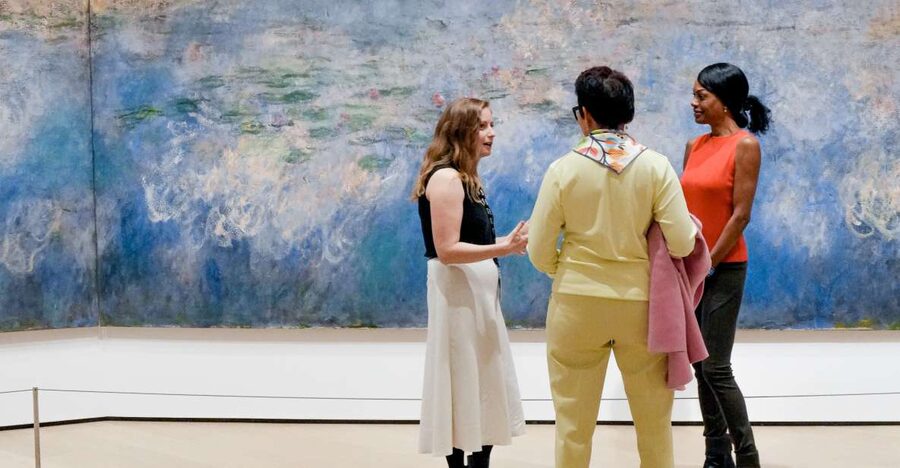
The best part of this MoMA before-hours tour is the silence. For one hour, you enter through a private doorway and see famous works before the museum fills with visitors. Water Lilies, The Starry Night, and Campbell’s Soup Cans are easier to study when you are not peering over a crowd.
I like two things especially: the art historian guide, who adds stories and useful context, and the chance to stay afterward for a full visit across six floors. Guides have included professors and museum specialists such as Matthew and Marie-Anne. The catch is simple: $112 is a lot for one guided hour, even though the ticket also covers MoMA and MoMA PS1.
Key points
- Empty galleries before opening: Enter MoMA before its regular 10:30 AM opening time, when the best-known rooms are at their calmest.
- Expert-led highlights: Expect works by Monet, Van Gogh, Picasso, Matisse, Warhol, Elizabeth Murray, Cindy Sherman, Ai Weiwei, and others.
- One focused hour: The guided portion moves briskly through selected galleries, so you will not see every floor with the guide.
- Six floors afterward: Stay in MoMA after the tour and explore painting, sculpture, film, design, and performance art at your own pace.
- Extra museum admission: Your booking includes entry to MoMA PS1 in Long Island City, Queens, for a separate visit.
- Best for art lovers with limited time: The early access and strong narration make the higher price easier to justify if MoMA is a priority.
Why the quiet hour changes MoMA
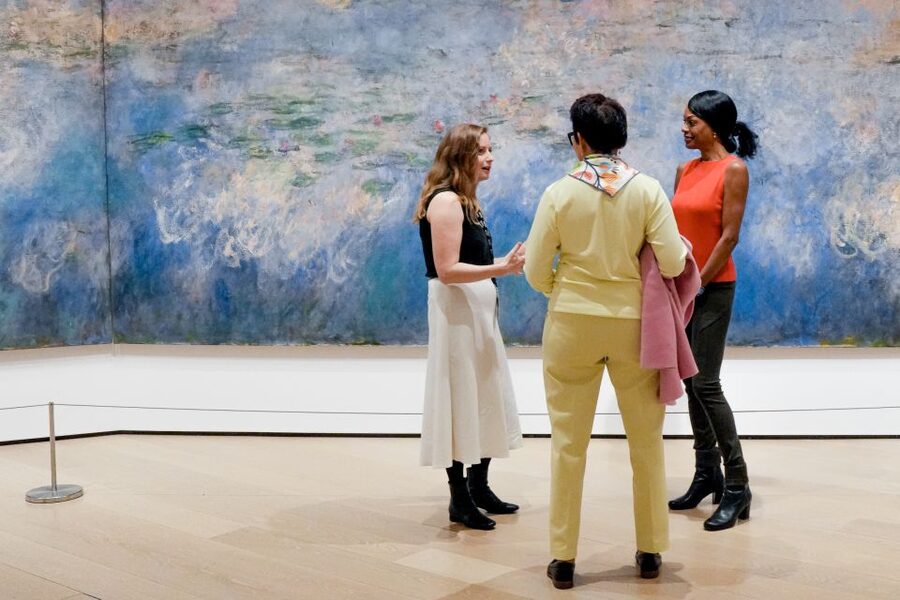
MoMA is not a shy museum. Its famous works draw steady crowds, and the experience can shift quickly from calm looking to shoulder-to-shoulder viewing. Arriving before general opening gives you something that a standard ticket cannot: time and space around the art.
The difference is especially clear in the galleries holding Monet’s Water Lilies. The large paintings need room, and the before-hours setting lets you take in their scale without a line of people passing between you and the canvas. The same goes for Van Gogh’s The Starry Night, one of the museum’s most sought-after works.
You are not buying a private museum to yourself for the entire day. The guided early access lasts one hour, and staff may direct the group through selected areas. Still, that first hour offers a rare look at MoMA before the public arrives. Once regular visitors enter, you will understand exactly what the extra cost bought.
More MoMA Tickets:
- NYC: Museum of Modern Art (MoMA) Entry Ticket
★ 4.6 · 12,540 reviews - The Museum of Modern Art Admission Ticket
★ 4.5 · 735 reviews - NYC Combo: Statue of Liberty Cruise, St Patrick’s Cathedral & Moma entrance
★ 4.0 · 8 reviews
Meeting beneath the curved silver awning
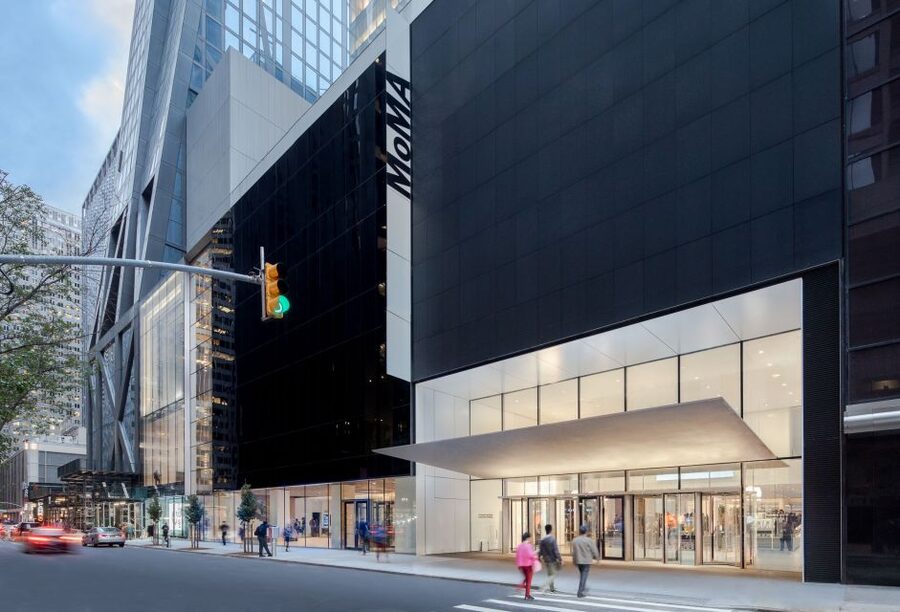
You meet at the Ronald S. & Jo Carole Lauder Building entrance, not the main doorway. Look for the curved silver awning directly to the left of The Modern restaurant. The location matters, since heading to the wrong entrance can make an already early morning feel rushed.
The tour is in English and uses a separate entrance for early access. The group is described in the supplied details as small, and one visitor reported a group of about 10 people. That is small enough for questions and close viewing, but the exact group size can vary.
MoMA is wheelchair accessible. Food, drinks, luggage, and large bags are not allowed, and video recording is prohibited. Plan for a light arrival, with only what the museum permits.
The first hour with an art historian
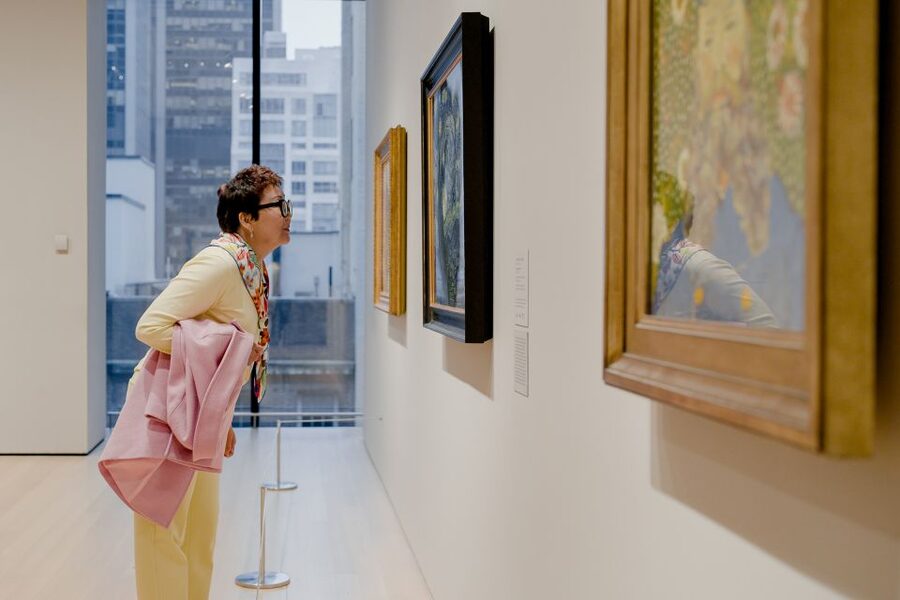
The guide does more than point at famous paintings. The strongest part of the tour is the explanation of how artists worked, how movements influenced one another, and why a particular piece mattered in its own time.
You might begin with European painting and sculpture from the late 19th century, then move into the better-known modern works on the upper floors. The exact order depends on the guide and current displays, but the aim is clear: build a useful path through the collection rather than march past random masterpieces.
Guides have included university professors and museum specialists. Matthew has been praised for bringing difficult periods of American history into the discussion. Marie-Anne, described as a university professor, has connected artists and movements through anecdotes and careful comparisons. Other guides, including Cathy and Karla, have been appreciated for mixing major works with personal favorites.
That variety matters. You are not simply receiving the same audio script in human form. A good guide chooses a handful of works and gives you a way to look at them. One guide may focus on brushwork and technique. Another may ask questions about an artist’s choices or connect a painting to social history.
The tour is also interactive. You may be asked what you notice first, how a composition directs your eye, or why an artist used an unusual color or shape. This is helpful if modern art has ever left you wondering if you are missing the point. You do not need a degree in art history. You need curiosity and a willingness to look for a little longer.
The masterpieces you are most likely hoping to see
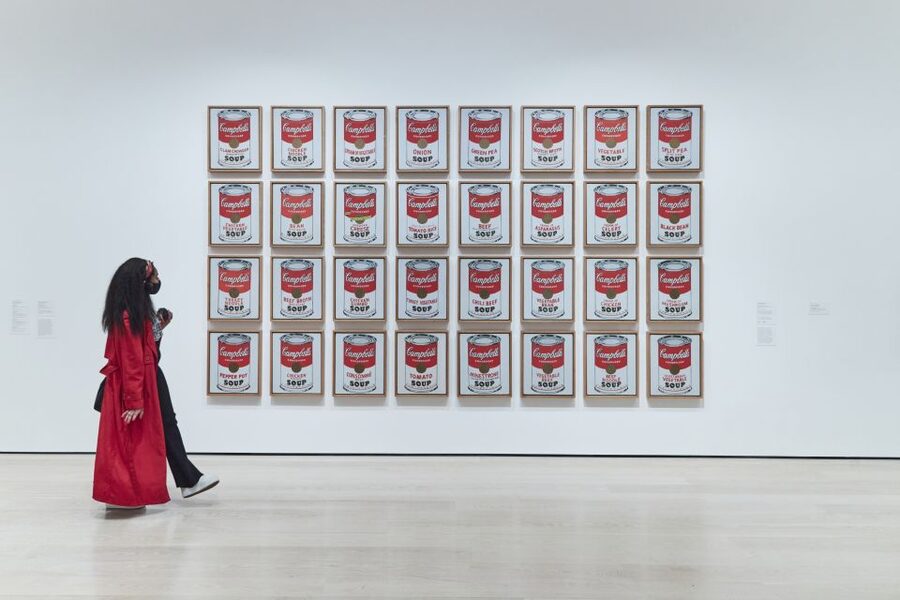
The tour highlights several of MoMA’s best-known works, including:
- Monet’s Water Lilies
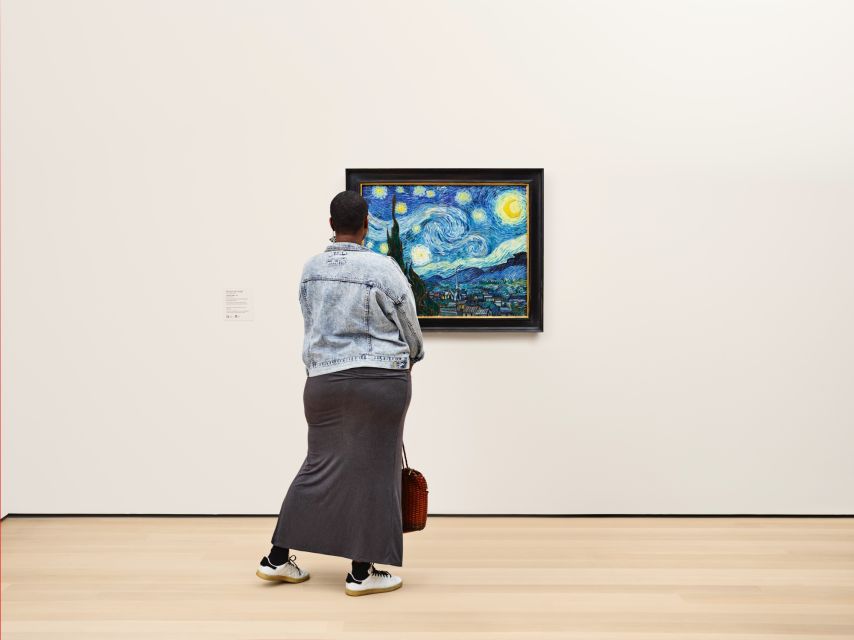
- Van Gogh’s The Starry Night
- Picasso’s Les Demoiselles d’Avignon
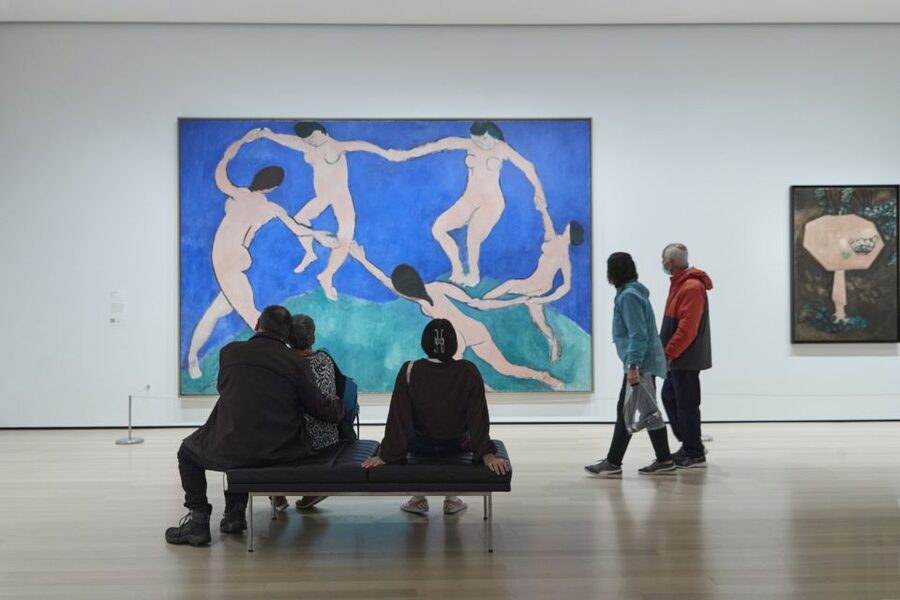
- Matisse’s Dance (I)
- Warhol’s Campbell’s Soup Cans
These are not all presented as a checklist to rush through. Their value comes from the guide’s context and from seeing them with enough room to form your own response.
Water Lilies can feel almost architectural because of its size and repeated water surface. The Starry Night is familiar from books and screens, but the original rewards close attention to paint, movement, and scale. Picasso’s Les Demoiselles d’Avignon can be challenging, and a guide helps place its fractured forms within the development of modern painting.
Matisse and Warhol offer a different kind of contrast. Matisse’s Dance (I) invites you to consider simplified bodies, rhythm, and color. Warhol’s Campbell’s Soup Cans raises questions about repetition, commercial imagery, and what belongs in a museum. A strong guide gives you a framework without telling you what you must think.
More New York City Tours:
- NYC: SUMMIT One Vanderbilt Tickets
★ 4.7 · 51,195 reviews - NYC: Empire State Building Tickets – Observatory & Museum
★ 4.7 · 25,757 reviews - New York City: Statue of Liberty & Ellis Island with Ferry
★ 4.6 · 18,683 reviews - New York City: American Museum of Natural History Ticket
★ 4.5 · 15,447 reviews
Contemporary art beyond the famous names
The hour is not limited to the old favorites. You may also see contemporary works by Elizabeth Murray, Cindy Sherman, and Ai Weiwei, along with film, design, performance, and other forms of recent art.
This is important because many first-time visitors treat MoMA as a museum of Van Gogh and Picasso only. The collection also asks what art can be, who gets represented, and how everyday objects, photographs, moving images, and large installations can carry meaning.
Cindy Sherman’s work, for example, can prompt discussion about identity, performance, and the roles people construct for themselves. Elizabeth Murray’s bold forms show how painting can push toward sculpture and cartoon-like space. Ai Weiwei brings contemporary political and social questions into the museum setting.
The guide cannot cover every artist in one hour. That is one of the tour’s limits. You get a focused route through selected works, not a full course in modern and contemporary art. If you want to spend half an hour with one lesser-known piece, save that for your solo time afterward.
Staying for six floors after the guide leaves
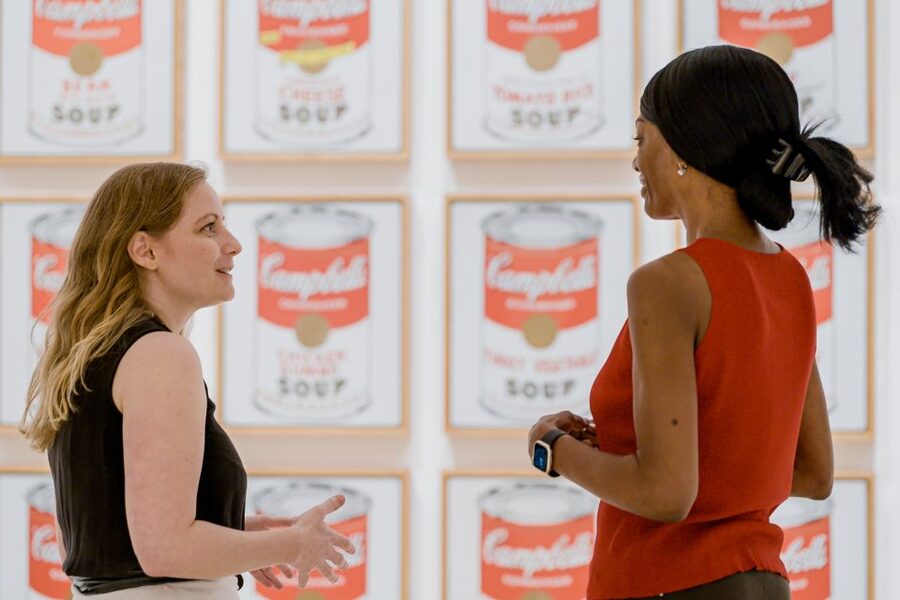
The guided portion ends after one hour, but your MoMA admission continues. This is where you should slow down and follow your own interests.
MoMA’s galleries cover European painting and sculpture from the 1880s through current work in film, design, and performance art. You can return to a work that caught your attention, visit rooms not included in the guided route, or simply take the museum floor by floor.
I recommend treating the guided hour as an orientation rather than the whole visit. The guide helps you understand the museum’s major themes and points out works you should not miss. Afterward, you can revisit those works without needing to keep pace with a group.
The timing also gives you a useful comparison. You see the museum in near-quiet conditions first, then experience the regular public atmosphere later. That contrast can make the early access feel even more valuable.
Do not expect the guide to cover all six floors before general admission begins. The supplied experiences make clear that the group focuses on selected highlights, often including major works on the fourth and fifth floors. If your main goal is every gallery, arrive ready to continue alone.
What the $112 price really buys
At $112 per person, this is not a budget museum visit. A normal MoMA admission gives you access without the early guided format, so the premium here pays for three things: early entry, a small-group setting, and a specialist who helps you read the art.
I think the price makes the most sense in three situations. First, you have limited time in New York and want to make your MoMA visit count. Second, you already know the museum’s famous works and want better context. Third, you dislike crowded galleries and value a quiet, orderly start more than saving money.
The cost is harder to justify if you are happy exploring alone, mainly want contemporary exhibitions, or plan to spend several hours at MoMA anyway. You can still see the major collection without the tour, and the one-hour guided section may feel short for the price.
The included MoMA PS1 admission improves the value, but only if you plan to visit Long Island City. PS1 focuses on current and experimental contemporary art, so it feels quite different from the Manhattan museum’s famous modernist rooms. It is not a quick add-on next door. You will need to plan it as a separate stop in Queens.
MoMA PS1: useful extra or easy-to-ignore bonus
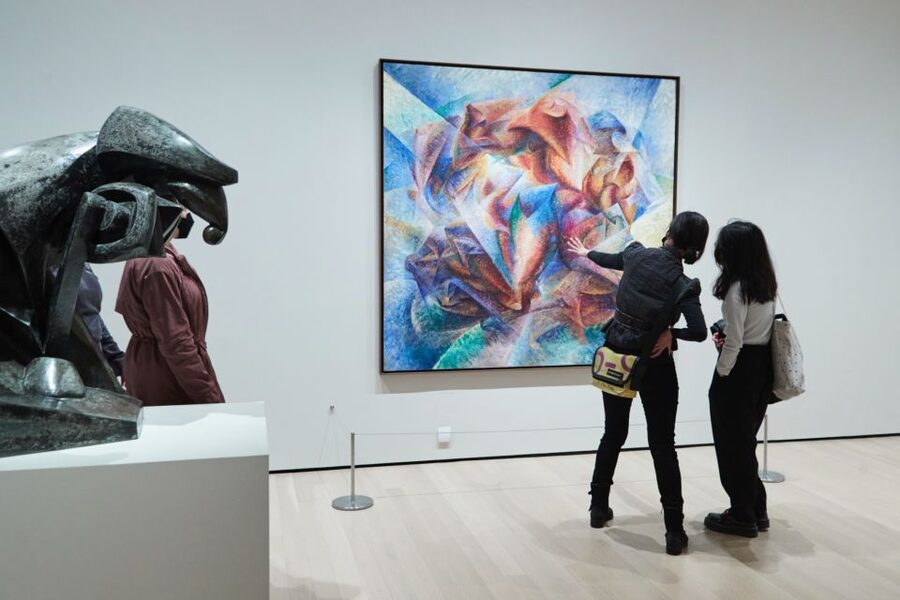
MoMA PS1 admission is included, which is a worthwhile addition for people interested in current art. The Queens center champions newer and more experimental work, giving you a different kind of museum visit after the more famous collection in Midtown Manhattan.
The practical point is that PS1 is not part of the one-hour morning route. You receive additional admission, then visit it separately. If your New York schedule is packed, you may not get there. If you enjoy contemporary work and can spare a separate outing, it adds substance to the booking.
Think of the PS1 ticket as a bonus, not the main reason to book. The real draw is the quiet hour at MoMA with an art historian.
The early start and practical limits
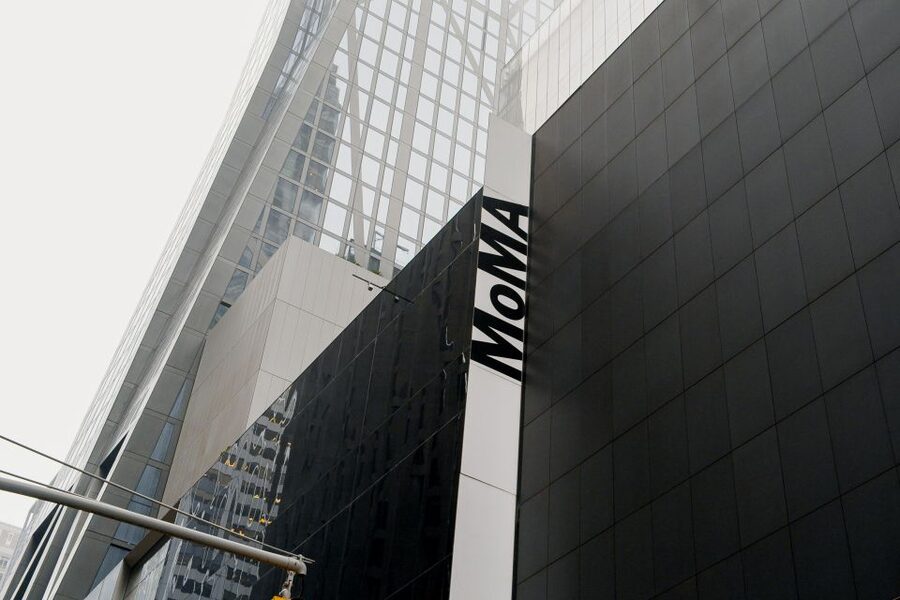
MoMA’s regular hours are 10:30 AM to 5:30 PM from Saturday through Thursday, with later closing at 8:30 PM on Friday. The before-hours tour takes place ahead of those public hours, so check the available start time carefully when booking.
There is no hotel pickup or drop-off, and food and drinks are not included. Large bags and luggage are not allowed. These rules are ordinary for a major museum, but they matter if you are heading straight from a hotel or train station with baggage.
You can cancel up to 24 hours in advance for a full refund, and the reserve-now, pay-later option keeps your plans flexible. Those policies are useful when your New York schedule is still shifting.
The tour is wheelchair accessible. Since the experience lasts one hour, you should also plan for extra time afterward if you want to make full use of the six floors.
Who will get the most from this tour
I would choose this experience for a first-time MoMA visitor who wants help making sense of modern art. It is also a strong choice for families with an older child or teenager who may respond better to stories and questions than to labels on a wall.
Art students, practicing artists, and repeat MoMA visitors can benefit too. Seeing the museum before opening is unusual even if you have visited several times, and a different guide may draw your attention to works you previously passed by.
It is less suitable for a traveler who wants an unhurried, self-directed morning. The guide sets the pace, and one hour is not long enough for extended discussion at every stop. It is also a poor fit if your luggage is with you or if you cannot arrive at the early meeting time.
The strongest guides appear to combine expertise with warmth. Several experiences describe professors, curators, and museum specialists who answered questions, adjusted to the group, and explained details from brushstrokes to gallery design. Still, guide style can vary. One guide may speak softly, while another may ask more questions and keep the pace brisk.
Should you book the MoMA before-hours tour?
Book it if MoMA is high on your New York list and $112 fits your budget. The quiet galleries, famous works, and expert context create a more focused visit than a standard entry ticket. Seeing Water Lilies or The Starry Night without the usual crowd can be the memory that makes the price worthwhile.
Skip it if you mainly want to wander alone or cannot spare more than one hour for the guided portion. In that case, use regular admission and keep the savings for another New York experience.
For the best value, plan to stay at MoMA after the tour and schedule MoMA PS1 for another part of your trip. That turns a pricey one-hour introduction into a full day of modern and contemporary art.
FAQ
How long does the guided MoMA tour last?
The guided portion lasts one hour. Afterward, you can explore MoMA’s six floors at your own pace with your admission ticket.
What time does the tour begin?
The tour takes place before MoMA opens to the general public. Starting times vary, so check availability when booking.
Where do I meet the guide?
Enter through the Ronald S. & Jo Carole Lauder Building entrance. It is east of MoMA’s main entrance and directly to the left of The Modern restaurant, beneath a curved silver awning.
Is the tour conducted in English?
Yes. The live guide conducts the tour in English.
Which artworks can I see?
The experience includes major works such as Monet’s Water Lilies, Van Gogh’s The Starry Night, Picasso’s Les Demoiselles d’Avignon, Matisse’s Dance (I), and Warhol’s Campbell’s Soup Cans. The route may also include works by Elizabeth Murray, Cindy Sherman, Ai Weiwei, and others.
Can I stay at MoMA after the tour?
Yes. Your MoMA admission remains valid after the guided hour, allowing you to explore the six floors independently.
Is admission to MoMA PS1 included?
Yes. The experience includes additional admission to MoMA PS1 in Long Island City, Queens.
Is the tour wheelchair accessible?
Yes, the activity is wheelchair accessible.
Can I bring food, drinks, or luggage?
No. Food, drinks, luggage, and large bags are not allowed.
Can I cancel the booking?
Yes. You can cancel up to 24 hours in advance for a full refund. The reserve-now, pay-later option is also available.
Recently added in New York City
- #1 Six Hour Bus Tour and Boat Ride By The Statue of Liberty★ 4.7 · 6 reviews
- NYC Combo: Statue of Liberty Cruise, St Patrick’s Cathedral & Moma entrance★ 4.0 · 8 reviews
- New York City Superheroes Private Walking Tour★ 5.0 · 103 reviews
- Stand Up Comedy Show + Mini Golf Ticket!★ 5.0 · 64 reviews
- Woodbury Common Premium Outlets Shopping Tour from Midtown★ 4.5 · 92 reviews
- Harlem: Mount Morris Gospel Tour with Brunch★ 4.5 · 111 reviews
- NYC: Greenwich Village Comedy Club Stand Up Comedy Show★ 3.6 · 38 reviews
- Stand Up Comedy LIVE in Times Square At Broadway Comedy Club★ 3.5 · 56 reviews
Tours, compared.
Statue of Liberty and Ellis Island Tour: All Options
Read our review →




9/11 Memorial, Ground Zero Tour with Optional 9/11 Museum Ticket
Read our review →
Hop-on Hop-off Sightseeing Tour by Open-top Bus
Read our review →