Reviewed · TICKETS
NYC: The Frick Collection Entry Ticket
The best thing about the Frick Collection is its scale. You see major European paintings in a historic mansion rather than crossing a huge museum floor for hours. Bellini, Rembrandt, Vermeer, Gainsborough, Turner, and other masters are displayed in rooms where the building itself is part of the experience.
I like the careful renovation and the calm chance to study important art up close. I also like the restored Russell Page garden, helpful room attendants, free audio content, and easy mobile entry. The main drawback is strictness: no interior photography, no liquids in the galleries, and crowded transition areas at busy times.
Key points
- Renaissance to nineteenth-century art: See famous works by Bellini, Rembrandt, Vermeer, Fragonard, and more.
- A mansion-sized museum: The historic Fifth Avenue setting gives the collection a personal, residential feel.
- New second floor: Smaller paintings, sculpture, and decorative arts are now displayed throughout the upper rooms.
- Plan around crowds: Timed entry helps, but Saturday midday can still mean queues and slow movement.
- Strict gallery rules: Children 10 and under are not admitted, and photography is allowed only in the lobby.
- Good practical facilities: The museum has accessible entry, bathrooms, a cafe, a gift shop, and a coat check for oversized items.
Why the Frick feels different from New York’s giant museums
The Frick Collection reopened on April 17, 2025, after a major renovation of its historic Fifth Avenue home. The museum has been open since 1935, and its identity still comes from Henry Clay Frick’s former residence and his European art collection.
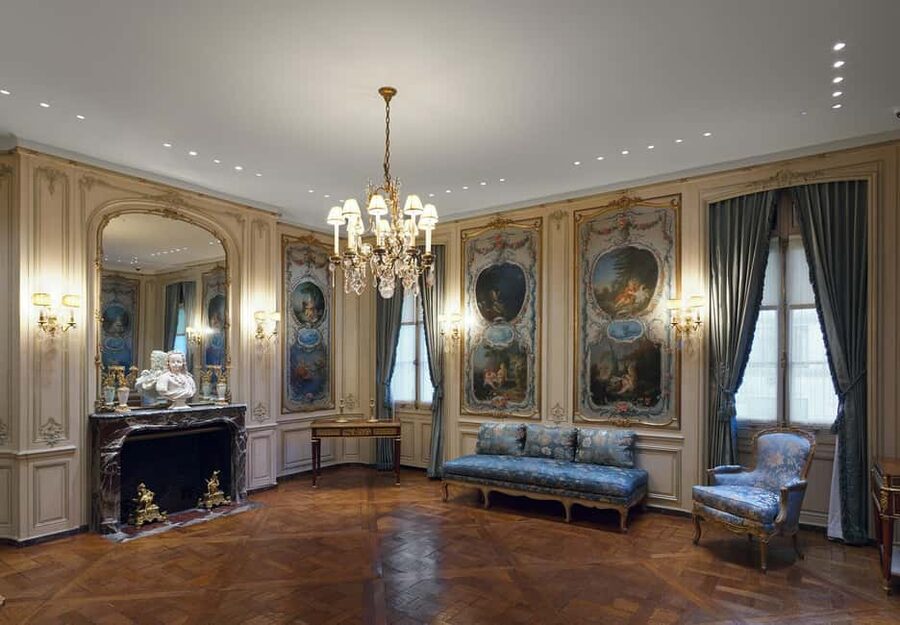
I find the setting especially important here. The rooms, fabrics, rugs, fountains, and architectural details are not just decoration around the paintings. They shape how you see them. A small number of excellent works can hold your attention more easily when you are not surrounded by hundreds of unrelated objects.
This is not the place for a quick checklist of every period in art history. It is better for a slower afternoon, especially if you enjoy fifteenth-, sixteenth-, and seventeenth-century painting, elegant interiors, sculpture, and decorative arts.
The museum is compact enough to cover all its rooms in about an hour if you move briskly. I would allow longer if you want to read, listen to the audio, sit in the garden, or stop at the cafe. The collection rewards attention, but it does not demand the stamina of a very large museum.
More New York City Tours:
- NYC: SUMMIT One Vanderbilt Tickets
★ 4.7 · 51,195 reviews - NYC: Empire State Building Tickets – Observatory & Museum
★ 4.7 · 25,757 reviews - New York City: Statue of Liberty & Ellis Island with Ferry
★ 4.6 · 18,683 reviews
Entering the renovated Fifth Avenue home
Your mobile ticket is used for entry, and booking ahead is sensible. The ticket helps you avoid purchasing admission on arrival, though it does not always mean you walk straight through the entrance. At busy times, people with timed reservations can still find themselves waiting outside or moving through an entrance queue.
That distinction matters. The ticket process is generally smooth once you are inside, but the entry area can become crowded, especially on a Saturday or around midday. If you dislike waiting, choose the beginning of the day or a quieter time if availability allows.
Inside, staff and room attendants are a real help. They can direct you, explain the rules, and answer questions about the rooms. The building is also wheelchair accessible, and practical facilities include bathrooms, coat check space for oversized items, a cafe, and a gift shop.
Bring as little as possible. Large bags, luggage, garment bags, and camera extension poles are not allowed in the galleries. Oversized belongings must go to the coat check. Small personal items can also attract reminders from museum staff, so I would avoid carrying anything you do not need.
The first-floor masterpieces: Bellini, Rembrandt, and Vermeer
The restored first-floor galleries hold the museum’s best-known masterworks. This is where the Frick makes its strongest case for a visit. The collection includes works by Bellini, Fragonard, Rembrandt, Vermeer, and other major European artists from the Renaissance through the late nineteenth century.
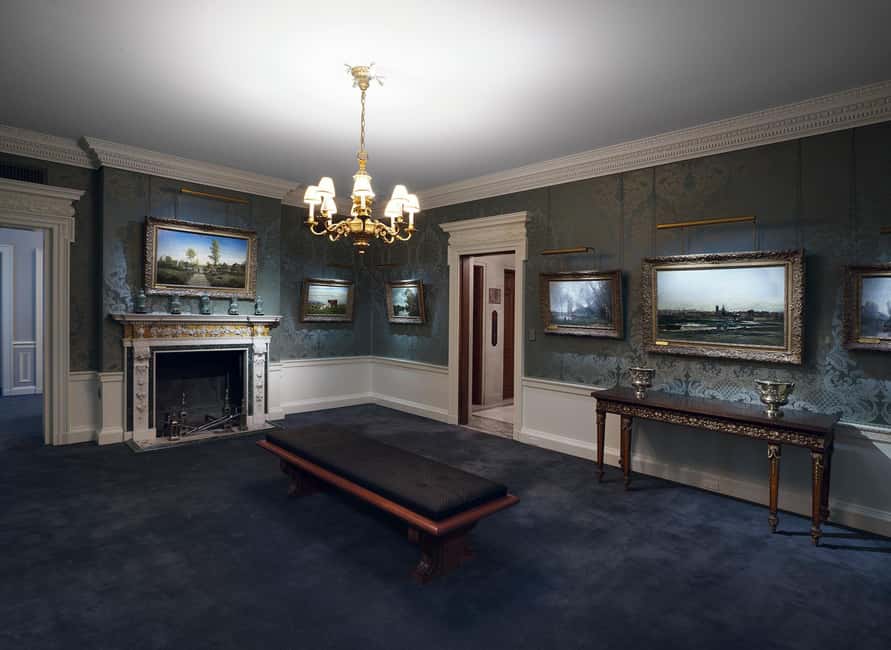
The appeal is not simply the names. The Frick places important paintings in rooms that let you consider their scale, surface, and surroundings. You can move from painting to painting without the exhausting crowds and long corridors found in larger institutions, although busy periods can still slow the experience.
Vermeer is a major draw. The small number of paintings associated with him requires close looking, and the compact museum makes that possible. Rembrandt and Bellini give the collection a strong early foundation, while later rooms broaden the picture with artists such as Gainsborough, Constable, Turner, Renoir, Monet, and Degas.
The collection is not evenly focused across every period. If your main interest is Impressionism, you may find the current display lighter than expected. One visitor felt that the Impressionist room had fewer paintings than before the renovation, while the Renaissance presence had grown. The arrangement may change over time, but it is wise to book this museum for the overall collection rather than for one favorite painting alone.
The newly opened second floor
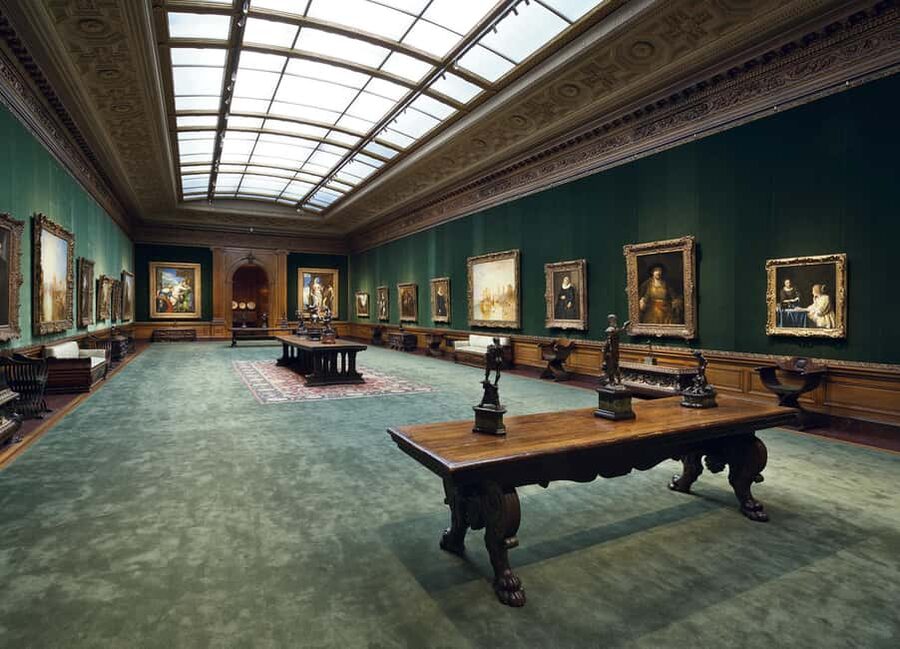
The second floor adds more room for smaller paintings, sculpture, and decorative objects. This changes the rhythm of the visit. The first floor gives you the grand rooms and headline works, while the upper level lets you look at more intimate objects without trying to fit everything into the mansion’s historic rooms.
I like this addition because it makes the collection feel broader. You can spend time with works that might otherwise be pushed aside by the most famous paintings. It also gives returning visitors a reason to come back, since the post-renovation presentation is not simply the old visit restored.
The upper rooms can feel crowded in connecting areas, even when individual galleries remain manageable. That is one reason I would avoid rushing from room to room. Let a congested passage clear, then settle into the next gallery. The museum is small enough that you lose very little by moving at a relaxed pace.
Some people miss the former residential charm. The renovation has brought more art to public view, but any change to a historic home involves a tradeoff. I found the restored rooms and additional displays valuable, yet visitors who loved the old arrangement may notice that the building now feels more like a museum than a private residence.
More Tickets in New York City:
- New York City: American Museum of Natural History Ticket
★ 4.5 · 15,447 reviews - NYC: Museum of Modern Art (MoMA) Entry Ticket
★ 4.6 · 12,540 reviews - NYC: One World Observatory Skip-the-Line Ticket
★ 4.7 · 12,329 reviews - NYC Empire State Building Observation Deck Ticket
★ 4.5 · 6,916 reviews
The house, fabrics, fountains, and Russell Page garden
The architecture deserves as much time as the paintings. The restoration has renewed the colors, fabrics, rugs, surfaces, and decorative details that frame the collection. Several visitors considered the renovation one of the highlights, and I understand why: the setting gives the art a sense of place that a plain white gallery cannot provide.
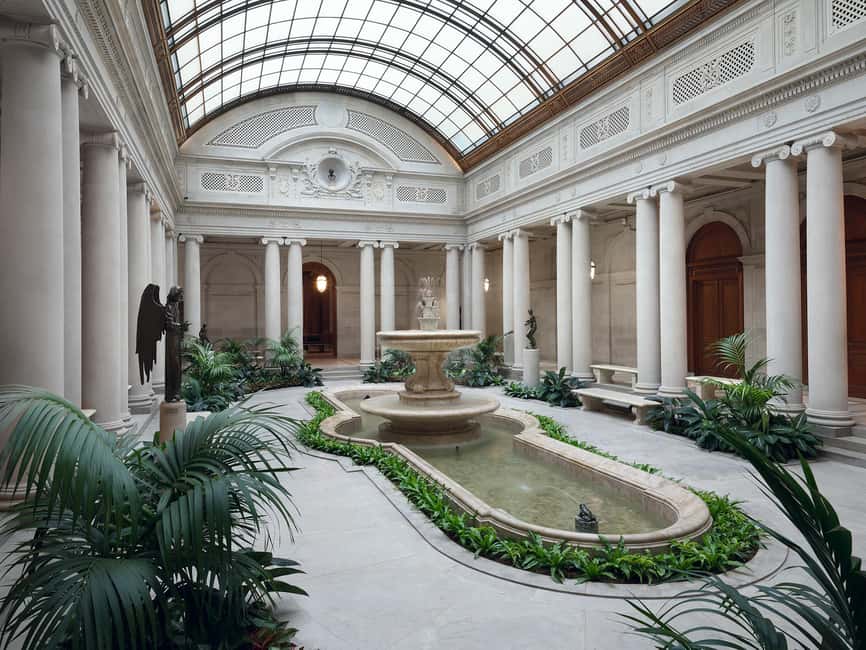
The garden offers a welcome pause. The restored Russell Page garden is a small, special place to sit and collect your thoughts after the galleries. It is also the one area where photography is permitted, since cameras are not allowed inside the museum.
Weather affects the garden experience. In winter, snow can cover parts of it, so you may not see it at its best. Still, it provides a useful break from concentrated looking, and its fountains and formal design add another layer to the visit.
The basement performance hall is not included with this entry ticket. If you have seen the Frick associated with concerts or other events, do not assume that every part of the building is part of the museum admission. The ticket covers entry to the collection.
How to get the most from one day

Your ticket is valid for one day, with starting times based on availability. I would treat the visit as a flexible half-day rather than a quick stop between major Midtown attractions.
Start with the first-floor galleries while your attention is fresh. Give extra time to the artists you came to see, then move upstairs for the smaller works, sculpture, and decorative arts. Finish with the garden if weather permits.
The free audio content can add useful context, but the presentation may involve using your phone. One visitor found the Bloomberg audio guide difficult to use, while others appreciated having audio available at no extra cost. If you prefer not to look at a screen in a museum, bring your own background knowledge or ask the staff in the rooms for help.
The amount of information beside each painting may feel limited. The audio offers more, but it is not always the detailed wall text some museumgoers want. I would buy or browse the museum bookshop material if you want a fuller account of Henry Clay Frick, his collecting habits, and why particular artists appear so often.
That background can make the collection more satisfying. For example, the repeated presence of Gainsborough makes more sense when you understand the owner’s interests and collecting goals. The museum gives you remarkable objects, but you may need to seek out some of the story behind them.
Photography, bags, and other rules that affect your visit
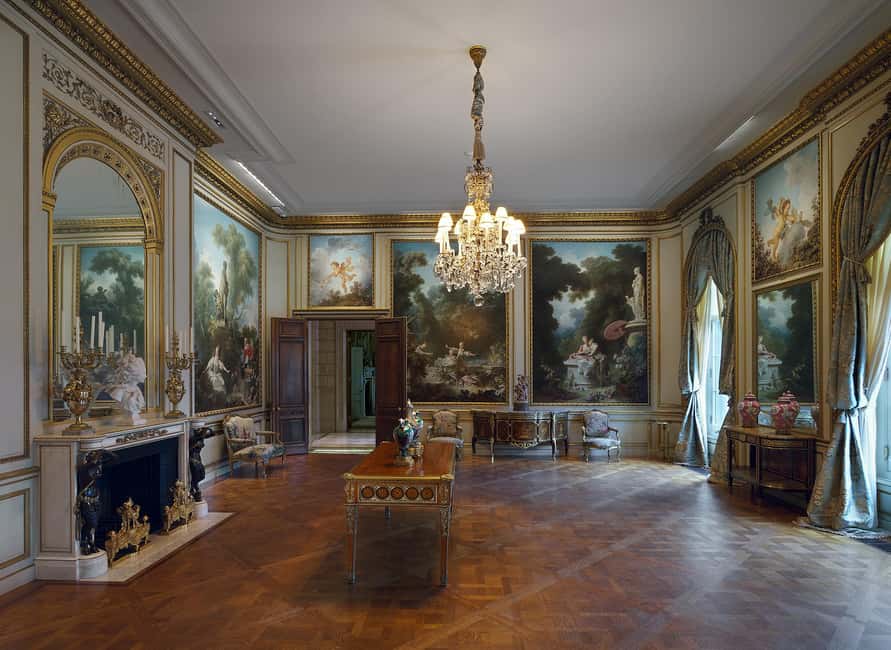
Photography is allowed only in the lobby. You cannot photograph the paintings or interiors in the galleries, even without flash. If you like documenting museum visits, this rule may frustrate you. It also means you should not plan on using your phone as a visual notebook.
Liquids and bottles are not allowed in the galleries unless medically necessary. Leave your water bottle behind or use the coat check arrangements as directed. Children 10 and under are not permitted, so this is not a family outing for younger children.
The rules can feel strict because staff monitor what people carry into the rooms. I would see this as a place to travel light: a small purse, no drink, no large outerwear, and no photography equipment beyond an ordinary phone kept away in the galleries.
The staff inside the museum are generally friendly and ready to help. Room attendants can explain where to go and answer questions, while the entry area may feel more pressured during a queue. If you need shade or assistance while waiting outside, plan ahead during hot weather.
Is $30 a fair price?
Admission costs $30 per person. That is not a budget museum ticket, but the value depends on how you like to visit museums.
For a large general collection, you might expect more rooms and more hours of viewing. The Frick offers something else: a small, high-quality collection in a restored historic mansion, with major works by artists who rarely appear together in such an intimate setting.
I think the price is fair if you care about European painting, period interiors, or a quieter museum visit. It is less convincing if you want a broad survey of modern art, extensive Impressionist holdings, or a full day of entertainment with children under 10.
The cafe adds convenience, but it is expensive by New York standards, and waits can be long at busy times. Put your name down early if you want to eat there, then visit the galleries while you wait. The gift shop is worth a look if you want books or objects connected with the museum, but neither the cafe nor the shop is included in the ticket price.
Free cancellation up to 24 hours before the visit and a reserve-now, pay-later option make the booking less risky. Still, the most useful reason to reserve ahead is practical: timed entry helps you secure a place at this newly reopened museum.
Who should book the Frick Collection?
I would recommend this experience to anyone who enjoys Renaissance and Baroque painting, European masters, sculpture, decorative arts, and historic homes. It is also a strong choice if you prefer a focused museum where you can see the full collection without spending an entire day on your feet.
Art lovers should give themselves at least a few hours, especially if Vermeer, Rembrandt, Bellini, Turner, or Gainsborough are priorities. Returning visitors may also appreciate the new second-floor displays and the restored presentation.
I would hesitate if your group includes children 10 or under, if interior photography is essential, or if your main goal is a large Impressionist collection. Saturday midday can also be crowded, so choose an earlier or quieter entry time when possible.
Should you book it?
Book the Frick Collection if you want important European art in an intimate, beautifully restored setting. The combination of first-floor masterpieces, new upper rooms, helpful staff, and the Russell Page garden makes the $30 ticket worthwhile for the right audience.
Go with realistic expectations. This is a compact museum, the cafe can be pricey, the audio may require patience, and the no-photo rule is firm. Arrive with light bags, reserve ahead, and give yourself time to look slowly rather than trying to squeeze the Frick into a rushed Fifth Avenue schedule.
FAQ
How much does admission to the Frick Collection cost?
Admission costs $30 per person.
How long is the Frick Collection ticket valid?
The ticket is valid for one day.
What art can I see at the Frick Collection?
You can see European fine and decorative arts from the Renaissance through the late nineteenth century, including works by Bellini, Fragonard, Rembrandt, Vermeer, Gainsborough, Turner, and other artists.
When did the renovated Frick Collection reopen?
The museum reopened to the public on April 17, 2025.
Can I take photographs inside the Frick Collection?
No. Photography is permitted only in the Frick lobby. Photography is not allowed inside the galleries.
Are children allowed into the museum?
Children 10 and under are not permitted in the museum.
Can I bring a water bottle into the galleries?
No. Liquids and bottles are not allowed in the galleries unless they are medically necessary.
Is the Frick Collection wheelchair accessible?
Yes, the museum is wheelchair accessible.
Can I bring luggage or a large bag?
No. Luggage and large bags are not allowed, and oversized items must be left at the coat check.
Can I cancel the ticket for a refund?
Yes. You can cancel up to 24 hours in advance for a full refund.
Recently added in New York City
- #1 Six Hour Bus Tour and Boat Ride By The Statue of Liberty★ 4.7 · 6 reviews
- Harlem: Mount Morris Gospel Tour with Brunch★ 4.5 · 111 reviews
- NYC: Greenwich Village Comedy Club Stand Up Comedy Show★ 3.6 · 38 reviews
- Stand Up Comedy LIVE in Times Square At Broadway Comedy Club★ 3.5 · 56 reviews
- New York Harbor Brunch Cruise★ 4.5 · 106 reviews
- NYC Combo: Statue of Liberty Cruise, St Patrick’s Cathedral & Moma entrance★ 4.0 · 8 reviews
- New York City Superheroes Private Walking Tour★ 5.0 · 103 reviews
- Stand Up Comedy Show + Mini Golf Ticket!★ 5.0 · 64 reviews
Tickets, compared.

Empire State Building Tickets – Observatory & Museum
Read our review →


NYC Empire State Building Observation Deck Ticket
Read our review →
9/11 Memorial, Ground Zero Tour with Optional 9/11 Museum Ticket
Read our review →