
Reviewed · LITTLE ITALY AND CHINATOWN TOURS
SoHo, Little Italy, and Chinatown 2-Hour Guided Walk
New York’s past gets especially vivid in the short stretch between SoHo and Chinatown. This two-hour walking tour moves from cast-iron buildings and celebrity addresses to Little Italy’s old mob lore, then into Chinatown’s Bloody Angle and gangland stories.
I like the mix of architecture and human stories, especially the E.V. Haughwout Building and the Manhattan Well Murder site. I also like that the tour leaves you in Columbus Park, near Chinatown’s food shops and streets, rather than simply circling back to the starting point.
The main drawback is pace. Three neighborhoods in two hours means you get a sharp introduction, not a slow look at every street. Bring comfortable shoes, and remember that food is not included in the $39 price.
Key points at a glance
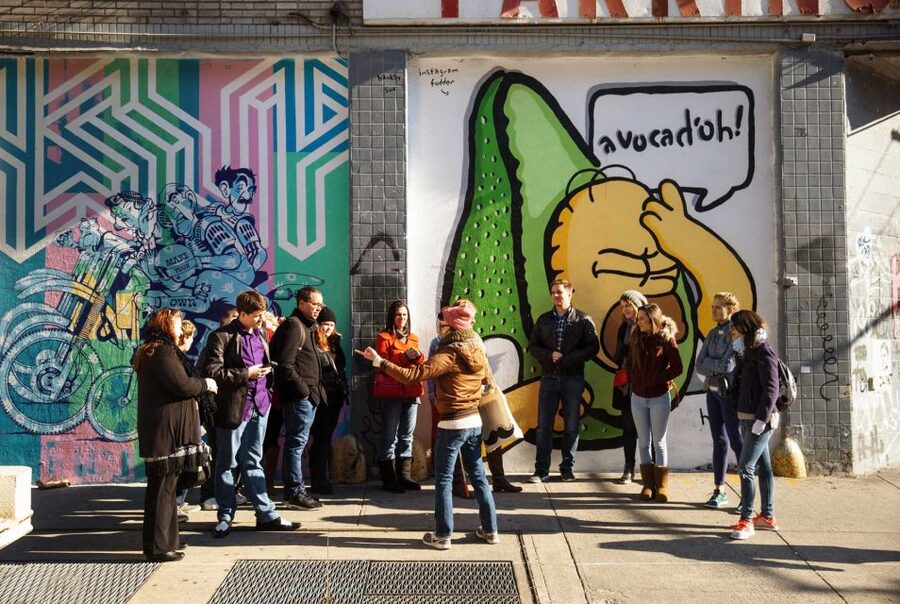
- Three neighborhoods in 120 minutes: Spend about 40 minutes each in SoHo, Little Italy, and Chinatown.
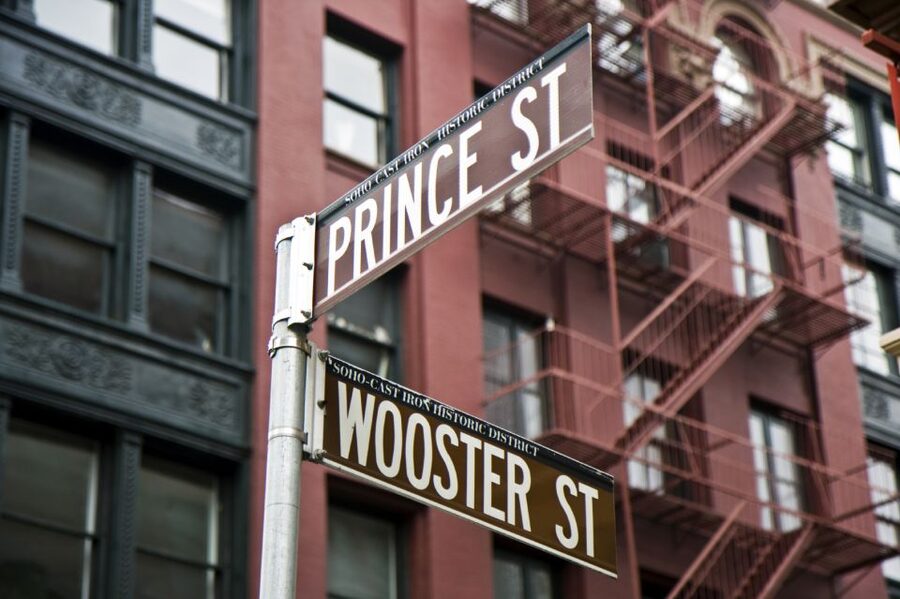
- Cast-iron SoHo: See Spring Street, Greene Street, the E.V. Haughwout Building, and a celebrity-linked address.
- Crime stories with a New York edge: Hear about John Gotti, Joe Gallo, the Manhattan Well Murder, and Chinatown gang violence.
- A useful food pause: Little Italy gives you time to consider cheese, cannoli, pizza, and other local specialties at your own cost.
- Strong guide element: Guides such as Angela, Steve, Felipe, George, and Ari are praised for humor, local knowledge, clear storytelling, and personal touches.
- Convenient finish: The walk ends at Columbus Park, a handy place to continue exploring Chinatown.
Why this compact New York walk works
At $39 per person, this is a reasonably priced way to get your bearings in three famous downtown districts. You are paying mainly for interpretation, not admission tickets, transport, or a meal. That makes the value depend on your guide, and the guide is central here.
A good guide can point to an ordinary doorway and explain the murder, immigrant family, political struggle, or film connection attached to it. That is the strength of this walk. It turns streets you might otherwise pass without notice into places with a story.
The route is also efficient. SoHo, Little Italy, and Chinatown sit close together, but their identities are quite different. In a single morning or afternoon, you move from former industrial buildings to Italian American landmarks and then into streets shaped by Chinese immigration and organized crime.
The tradeoff is detail. Forty minutes per district does not leave time for a full neighborhood tour. You will see selected sites from the outside and hear the key stories, but you will not get extended museum visits or long stops inside historic buildings.
More SoHo Tours:
- SoHo, Little Italy, and Chinatown Walking Tour in New York
★ 5.0 · 3,153 reviews - NYC: SoHo, Little Italy, and Chinatown Guided Tour
★ 4.7 · 614 reviews - SoHo, Little Italy, and Chinatown NYC Guided Walking Tour
★ 5.0 · 443 reviews
Starting in SoHo’s cast-iron streets
The walk begins at Spring Street Park, though the exact meeting point can vary with the option you book. From there, the guide leads through SoHo for roughly 40 minutes.
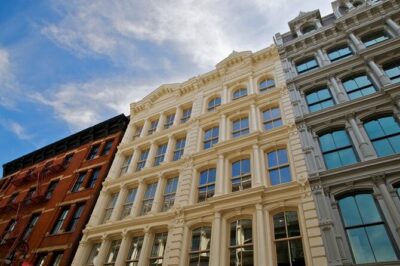
SoHo’s famous cast-iron buildings are the visual opening act. Their decorative fronts helped create the district’s distinctive look, and today the streets are linked with fashion, expensive apartments, celebrities, and pop culture. Keep your eyes up, since the best details are often above storefront level.
Spring Street and Greene Street bring the Manhattan Well Murder into the story. This was the first recorded murder case in New York City, and the location gives the guide a chance to show how an old crime can remain tied to a modern street corner.
The E.V. Haughwout Building is another strong stop. It is associated with the first safety elevator, a small but important detail in the story of how New York buildings grew taller and changed the way people lived and worked.
You also pass 421 Broome Street, known for its connection to Heath Ledger’s death in Mary Kate Olsen’s apartment. This is a sensitive subject, and the value of the stop depends on how the guide handles it. The best approach is brief context rather than sensational storytelling.
SoHo is also the place to keep an eye out for celebrities and fashion figures. That possibility adds a playful note, but it should not be your reason for booking. You may see nobody famous at all. The cast-iron streets and city history are the dependable attractions.
Little Italy through churches, cheese, and mob stories
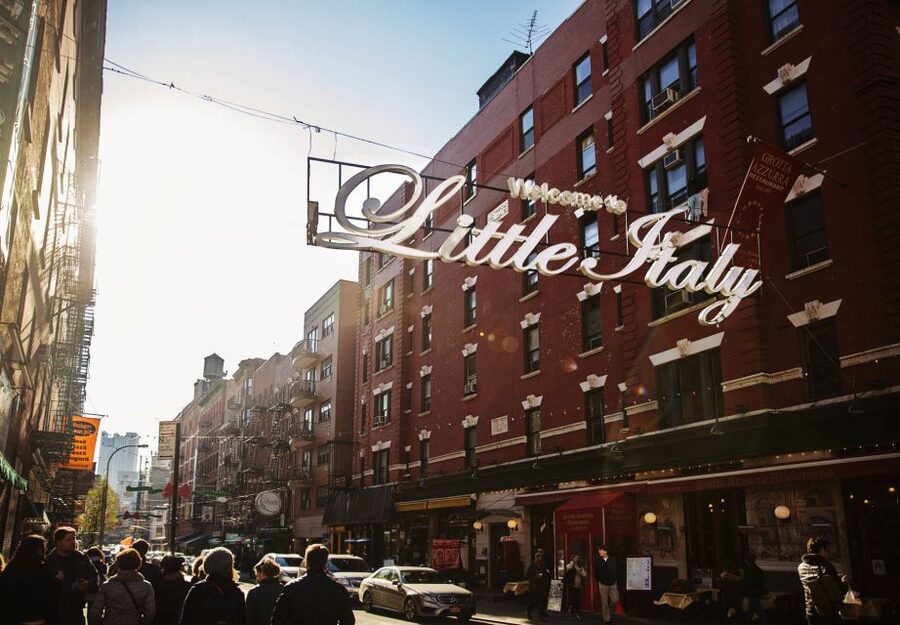
The route continues into Little Italy for another 40 minutes. This is where the tour shifts from architecture toward immigration, family businesses, religion, and organized crime.
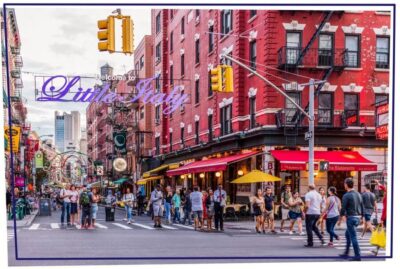
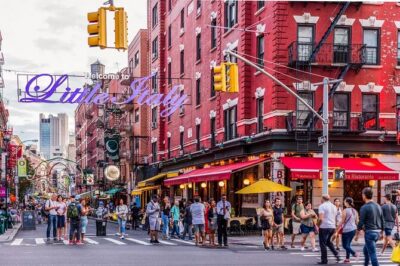
Mulberry Street is the center of the district. The guide explains how Italian immigrants built a community here and faced hard work, crowded living conditions, and prejudice. You get a more useful picture of Little Italy when it is presented as a working immigrant neighborhood first, and a restaurant district second.
Old Saint Patrick’s adds an important religious and community layer. The National Shrine Church of San Gennaro brings in one of the area’s best-known traditions, including the story of the liquefaction of the saint’s blood. You do not need to share the belief to see why the ritual matters to local identity.
At Alleva Dairy, the focus turns to food and continuity. The shop is associated with a century of cheese making, giving you a tangible link to the small businesses that helped define Italian American life in the neighborhood. Food costs are not part of the tour, but you may have a chance to buy something during the break.
That pause is useful. One earlier account describes time to have a bite and explore Little Italy before regrouping for Chinatown. You should treat this as an opportunity rather than a guaranteed included tasting. Budget extra if you want cheese, pizza, cannoli, or another snack.
The Italian American Museum is tied to the site of the Triangle Shirtwaist Factory fire. This is one of the most serious subjects on the route. The fire exposed dangerous working conditions and became a major moment in the history of labor and safety reform. The stop adds depth to the neighborhood story by showing that immigrant life involved both cultural pride and real risk.
Little Italy also supplies the tour’s crime-history thread. At Umberto’s, you hear about the mob hit on Joe Gallo. The Ravenite Club brings in John Gotti and the public image of the Mafia. These stories can be entertaining, but they are most useful when balanced with the everyday history of residents, shopkeepers, churches, and families.
Chinatown and the Bloody Angle
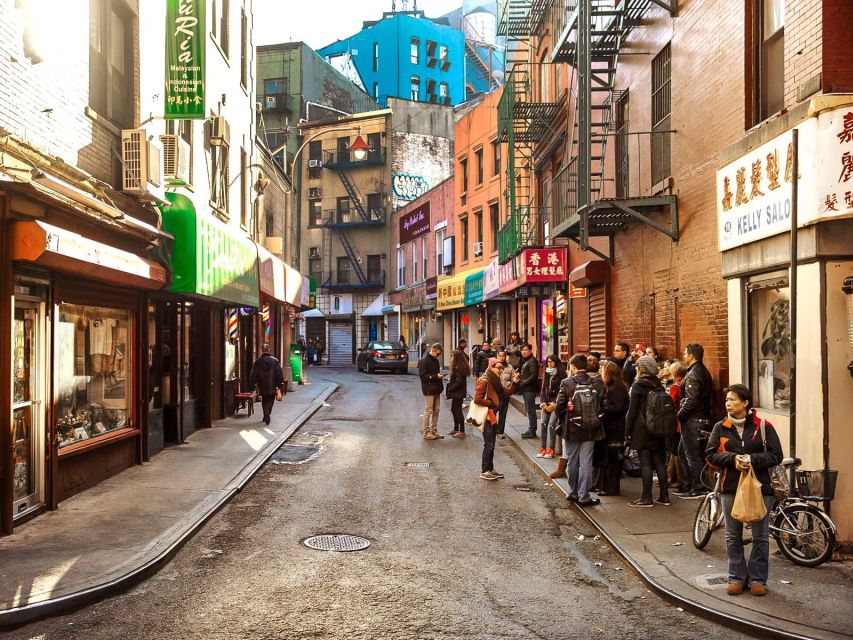
The final 40 minutes take you into Chinatown, ending at Columbus Park. Here the guide turns to Chinese immigration, gang conflict, old vice stories, and the way the neighborhood developed under pressure.
Doyers Street, known as the Bloody Angle, is likely to be one of the most memorable stops. The street’s sharp bend made it difficult to see what was ahead, and the setting is closely tied to stories of Chinese gang violence. It is a compact place with a strong sense of drama, so listen for the details rather than rushing to take a picture.
The tour also points out an old opium den. This stop helps explain the darker side of Chinatown’s early reputation, though the subject can easily become a stereotype if handled carelessly. A strong guide connects the story to immigration, poverty, exclusion, and survival rather than presenting Chinatown as a collection of crime tales.
Columbus Park is associated with the gangs portrayed in Gangs of New York. It gives the walk a natural ending and a chance to reflect on how the area changed over time. You can continue through Chinatown from here, look for food, or simply take a break in the park.
This section can feel more crowded and hectic than SoHo, so stay close to the guide at crossings. One especially useful feature of the better guides is attention to traffic and group safety. That matters on a walking tour where the route crosses busy streets and narrow sidewalks.
More Little Italy and Chinatown Tours:
- NYC: Chinatown & Little Italy Food Tour with 7 Flavorful Tastings
★ 5.0 · 2,733 reviews - Original NYC Guided Food Tour of Chinatown and Little Italy
★ 5.0 · 2,194 reviews - NYC: Chinatown and Little Italy Food Tour
★ 4.7 · 703 reviews - 3 Neighborhoods Tour: Soho, Chinatown & Little Italy
★ 4.5 · 275 reviews
The guide makes the difference
The experience has an English-speaking live guide, and the range of guide names attached to strong bookings is unusually broad. Angela, Steve, Felipe, George, Ari, Alex, Jacob, and others have been praised for humor, energy, clear explanations, and an easy way with questions.
That matters because the route contains many stops but few formal attractions with signs explaining themselves. Your guide has to connect the pieces. Angela is repeatedly described as energetic and funny, while Steve is valued for local knowledge and personal stories from living in the area for decades. Felipe is praised for mixing history, food advice, true crime, and everyday observations.
Ari is another name to note if assigned to your group. He is described as both entertaining and well informed, with recommendations that help you continue exploring after the walk. George is praised for making room for questions, and several guides are described as approachable with families and mixed-age groups.
Do not assume you will receive a particular guide. Names can change by date and availability. The broader pattern is reassuring: the tour depends on strong storytelling, and the available guide team appears comfortable mixing facts with humor and pop culture.
The guides also seem able to adjust to conditions. On a very hot day, one guide made a point of finding shade and keeping the group comfortable. That is a small detail, but it can make a real difference in summer.
How hard is the walking?
The tour lasts two hours and keeps an easy enough pace for many people. One account describes it as suitable even for people who are not regular walkers, with a comfortable rhythm and a snack pause.
Still, this is a walking tour through Manhattan. You will be on city sidewalks, standing during explanations, crossing streets, and dealing with crowds. The activity is not suitable for people with mobility impairments, according to the supplied information.
Wear shoes you can walk in for two hours. Weather-appropriate clothing is also important because the tour takes place outdoors. On hot days, shade may be limited in some sections. On wet or cold days, the cast-iron streets and narrow sidewalks will not make the weather any kinder.
I would avoid scheduling an elaborate meal immediately afterward if you want time to follow up on the guide’s recommendations. The walk ends at Columbus Park, so you have plenty of food choices nearby, but the tour itself does not cover food costs.
Who gets the most from this experience?
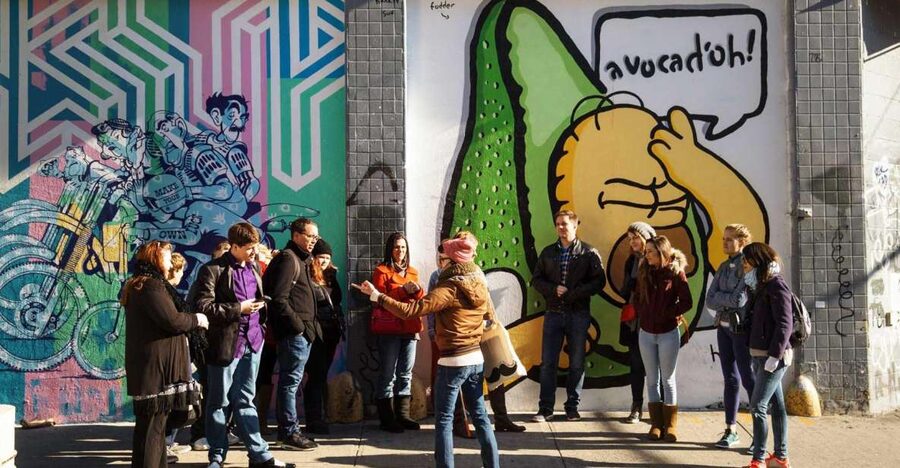
This is a good first or second day activity for someone who wants context before exploring on their own. It gives you names, addresses, and stories you can use later, especially in Little Italy and Chinatown.
It also suits repeat visitors who have seen the major landmarks but want a closer look at downtown neighborhoods. The Manhattan Well Murder, the old police station, the opium den, and the Ravenite Club are the kind of details you can easily miss without local explanation.
Families can enjoy it if children are comfortable with crime stories and a few darker subjects. The guides have handled groups with children, but the content includes murder, gang violence, a mob killing, and the Triangle Shirtwaist Factory fire. Parents should decide if that tone fits their group.
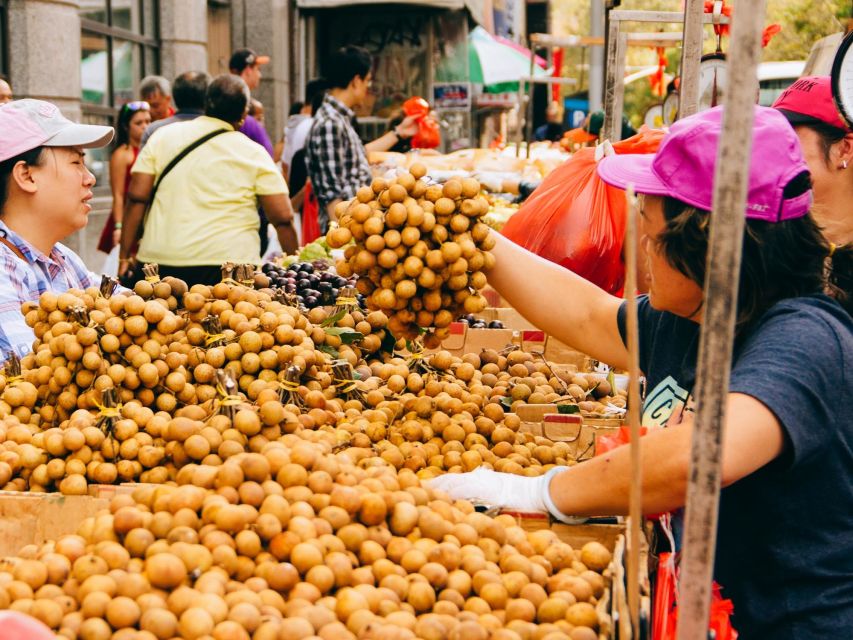
Food-focused visitors will appreciate the break and recommendations, but this is not a food tour. You may hear where to look for pizza, cannoli, cheese, and other specialties, yet purchases are your responsibility.
Architecture fans will find the SoHo section strongest. Crime-history fans may prefer Little Italy and Chinatown. If you want equal time inside museums, churches, and shops, this walk will feel too quick.
Is $39 a fair price?
I think $39 is fair if you want a guide to make sense of the streets. The price is modest compared with a private tour, and the route covers three districts with distinct stories. It is less attractive if you plan to wander these areas anyway and prefer to spend the money on food.
The value rises when you use the tour as an introduction, then return to one neighborhood afterward. For example, you could stay in Chinatown after the finish, revisit Mulberry Street for a meal, or explore SoHo’s buildings at a slower pace.
The free cancellation period and reserve-now, pay-later option also make the booking less risky. You can cancel up to 24 hours before the start for a full refund, and you do not have to pay at the time of reservation.
Should you book the SoHo, Little Italy, and Chinatown walk?
Book it if you want fast, story-driven orientation to downtown New York, especially if you enjoy architecture, immigrant history, true crime, and food suggestions. The route is compact, the price is sensible, and the guide can add far more than a self-guided stroll.
Skip it if you need a slow, accessible route, dislike crime-focused stories, or want food tastings included. For most visitors who can walk comfortably and have two hours to spare, this is a smart way to see how three very different neighborhoods fit together.
FAQ
How long does the walking tour last?
The tour lasts two hours, with about 40 minutes planned for SoHo, 40 minutes for Little Italy, and 40 minutes for Chinatown.
Where does the tour start?
The listed starting point is Spring Street Park in SoHo. The exact meeting point may vary depending on the option booked.
Where does the tour finish?
The walk ends at Columbus Park in Chinatown.
What language is the tour conducted in?
The tour is conducted in English with a live English-speaking guide.
Is food included in the price?
No. Food costs are not included. You may have an opportunity to buy ethnic food during the Little Italy portion or break, but you pay separately.
What should I bring?
Bring comfortable shoes and clothing suited to the weather.
Is the tour suitable for people with mobility impairments?
No. The activity is listed as unsuitable for people with mobility impairments.
Can I cancel the booking?
Yes. You can cancel up to 24 hours in advance for a full refund. You can also reserve now and pay later, keeping your plans flexible.
More NYC Walking Tours
- Secrets of Grand Central Station Walking Tour New York City
★ 5.0 · 1,796 reviews - Greenwich Village Walking and Food Tasting Tour
★ 5.0 · 1,572 reviews - Artistic, Alternative Greenwich Village Walking Tour
★ 5.0 · 971 reviews - True Crime NYC: Mafia Walk w/Ret. NYPD Detective and Local Food
★ 5.0 · 848 reviews
More 2-Hour Experiences in New York City
- NYC: Circle Line 2h Harbor Lights Cruise Skip-The-Box-Office
★ 4.6 · 8,222 reviews - 2-hour Metropolitan Museum Guided Tour
★ 5.0 · 515 reviews - Brooklyn Bridge and Waterfront 2-hour Guided Bike Tour
★ 4.5 · 184 reviews - Ghosts of Greenwich Village: 2-Hour Private Walking Tour
★ 5.0 · 178 reviews
Recently added in New York City
- #1 Six Hour Bus Tour and Boat Ride By The Statue of Liberty★ 4.7 · 6 reviews
- Harlem: Mount Morris Gospel Tour with Brunch★ 4.5 · 111 reviews
- NYC: Greenwich Village Comedy Club Stand Up Comedy Show★ 3.6 · 38 reviews
- Stand Up Comedy LIVE in Times Square At Broadway Comedy Club★ 3.5 · 56 reviews
- New York Harbor Brunch Cruise★ 4.5 · 106 reviews
- NYC Combo: Statue of Liberty Cruise, St Patrick’s Cathedral & Moma entrance★ 4.0 · 8 reviews
- New York City Superheroes Private Walking Tour★ 5.0 · 103 reviews
- Stand Up Comedy Show + Mini Golf Ticket!★ 5.0 · 64 reviews
Little Italy and Chinatown Tours, compared.
SoHo, Little Italy, and Chinatown Walking Tour in New York
Read our review →
Chinatown & Little Italy Food Tour with 7 Flavorful Tastings
Read our review →
Original NYC Guided Food Tour of Chinatown and Little Italy
Read our review →
SoHo, Little Italy, and Chinatown NYC Guided Walking Tour
Read our review →
3 Neighborhoods Tour: Soho, Chinatown & Little Italy
Read our review →
Chinatown & Little Italy Food Tour with 8 Tastings
Read our review →Browse the lists this tour appears in