Reviewed · TOURS
Financial Crisis Tour
Wall Street is easier to understand when you hear the crisis where it happened. This two-hour outdoor walk links the 2008 financial crash to the buildings and streets that shaped it, with a guide who has Wall Street experience. I like the mix of hard finance and old New York, especially the stops at the New York Stock Exchange, Federal Hall, Stone Street, and the former Lehman Brothers site. I also like that guides such as Jared, James, Peter, Tom, and Mr. Van Buren have been praised for clear storytelling and humor.
The main catch is that the tour is almost entirely outdoors, and the New York Stock Exchange is closed to visitors. The financial material can also become technical, so this is a better match for adults, students, and curious teenagers than for very young children. Downtown winds can be fierce, even on a mild day.
Key points to know before you book
- The 2008 crash is explained on the streets where its major players worked, giving abstract financial events a physical setting.
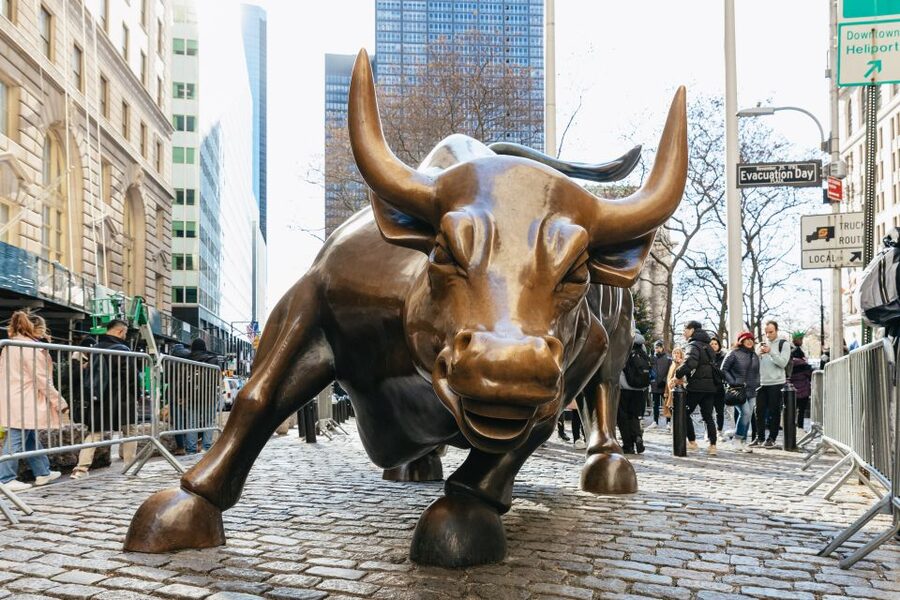
- The route covers major Lower Manhattan sights, including the New York Stock Exchange, Wall Street, Federal Hall, Stone Street, Trinity Church, and Charging Bull.
- Your guide is the main attraction, with Wall Street experience and a storytelling style that can make difficult subjects easier to follow.
- The tour runs outdoors in all weather, so comfortable shoes and proper clothing matter more than they might on a museum visit.
- You cannot enter the New York Stock Exchange, but you can see its exterior and learn how the surrounding district developed.
- At $59 for two hours, the tour is fairly priced if you want expert explanation, but less so if you only want quick photos of famous buildings.
Why the 2008 crash makes sense on foot
The global financial crisis can feel like a pile of strange terms: subprime mortgages, credit default swaps, failing banks, bailouts, and collapsing markets. A classroom can explain the mechanics, but this tour adds a useful sense of place. You walk through the district where investment banks made decisions that reached far beyond New York.
Your guide explains how traders and executives built enormous fortunes, why major institutions failed, and how the crisis spread through the world economy. The subject is serious, but the tour is not presented as a dry lecture. Past guides have been praised for using humor, personal insight, and plain explanations. James, in particular, was praised for turning complex material into a lively story, while Jared helped one group connect the missing pieces of the 2008 crisis.
I would not expect a private financial briefing or access to confidential trading floors. The value comes from the guide’s ability to connect public events, buildings, and financial history. If you already follow markets closely, you may know some of the basic story. Even then, the local setting and Wall Street perspective can add useful detail.
More New York City Tours:
- NYC: SUMMIT One Vanderbilt Tickets
★ 4.7 · 51,195 reviews - NYC: Empire State Building Tickets – Observatory & Museum
★ 4.7 · 25,757 reviews - New York City: Statue of Liberty & Ellis Island with Ferry
★ 4.6 · 18,683 reviews
Starting at 22 Broad Street
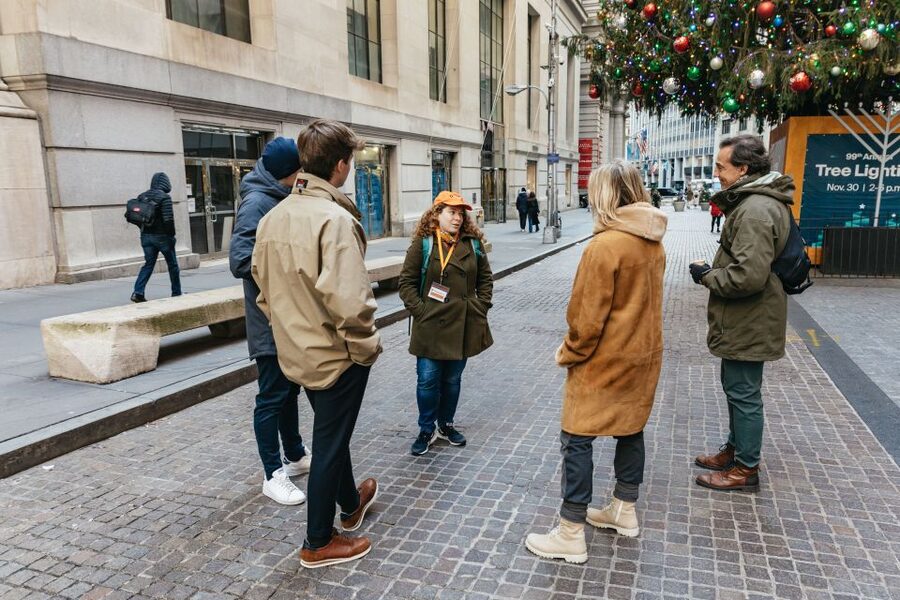
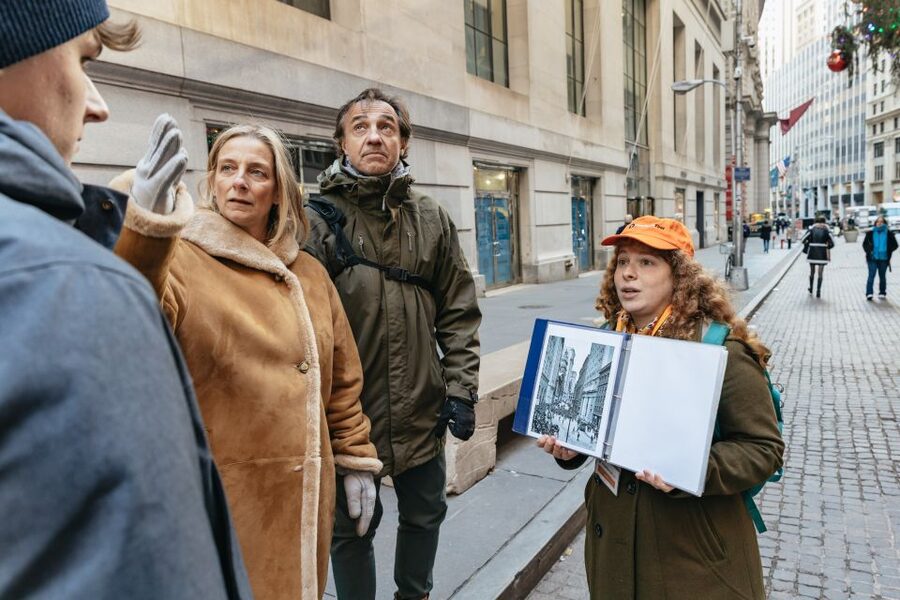
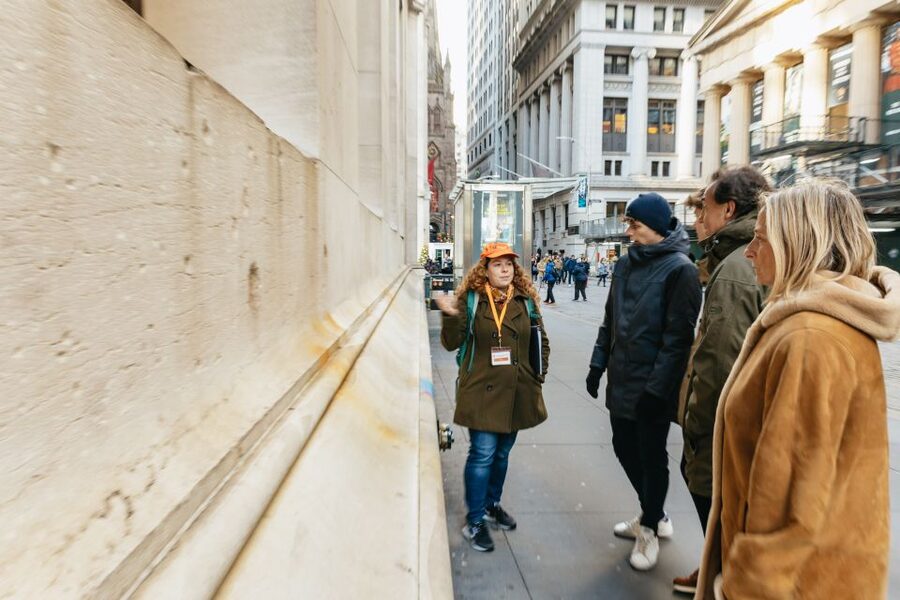
The meeting point is outside 22 Broad Street, in front of Blue Bottle Coffee and across from 15 Broad Street. Do not go inside a building. Look for the guide wearing an orange hat, and arrive about 10 minutes early.
This is a busy part of Lower Manhattan, so give yourself extra time to find the exact corner. The tour does not include transportation. You will walk between the stops, then finish near the Federal Reserve Bank of New York at 36 Liberty Street or another listed drop-off point.
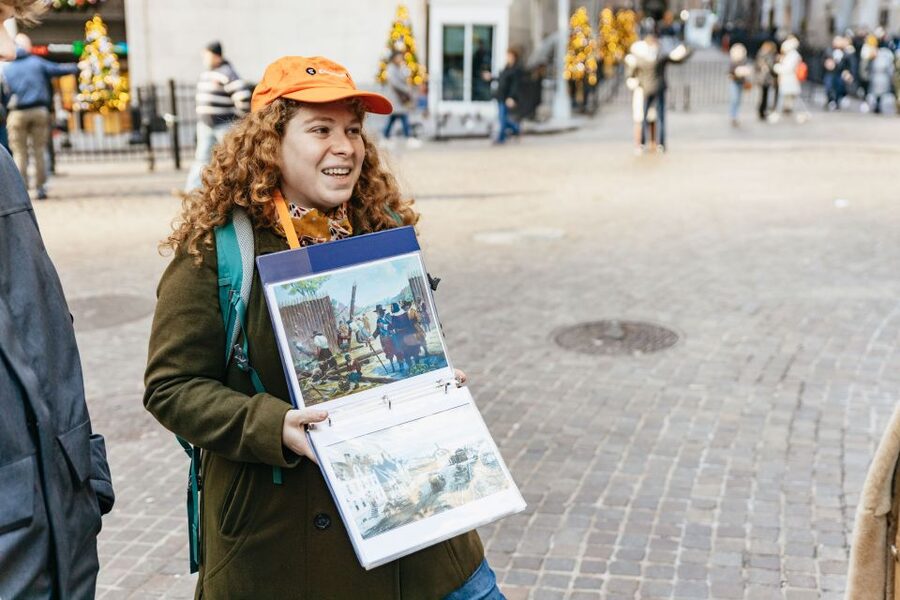
The route is compact, but the district can be crowded and noisy. A guide may use a microphone for the group, as one past guide did, which helps when traffic and footfall compete with the explanation. Group size can vary. Past tours have included small groups of roughly 8 to 10 people, though you should not assume every departure will be that size.
New York Stock Exchange and Wall Street
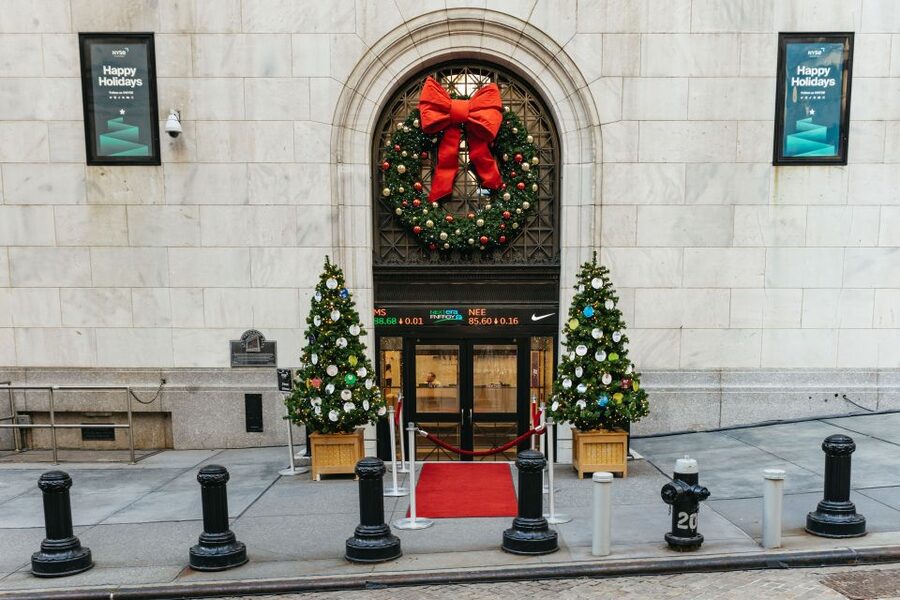
The New York Stock Exchange is the natural opening subject. You will stop outside for photographs and hear about the institution’s role in American finance. Its grand facade gives the discussion a useful anchor, but keep your expectations in check: the exchange is closed to visitors, so this is not an inside tour.
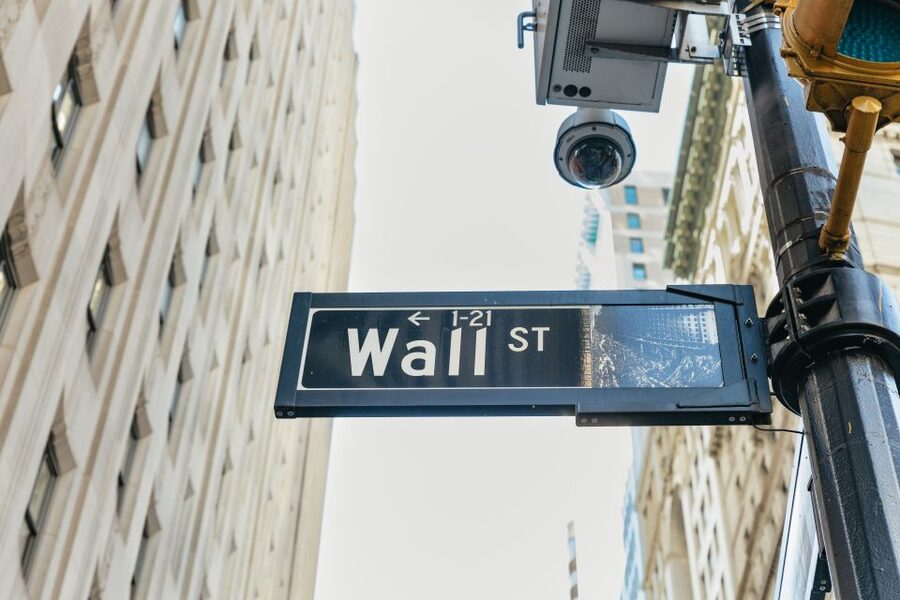
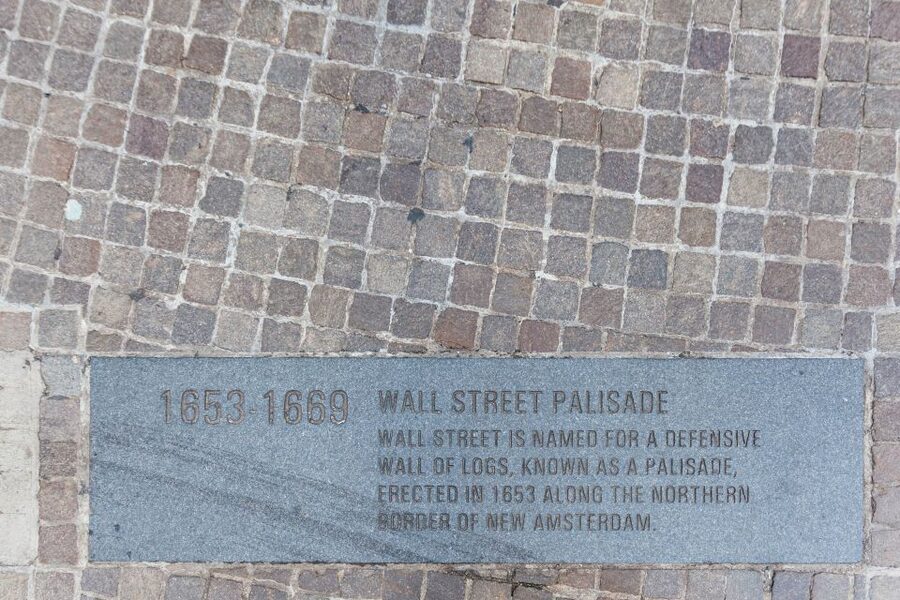
From there, the route moves along Wall Street itself. The street is far more than a sign for money and power. Your guide explains how the district developed and how its buildings reflect changing forms of finance. You also hear about the people and institutions that helped turn Lower Manhattan into a center for global markets.
This part of the walk is especially useful if you are new to financial history. The guide can tie the physical surroundings to the causes and aftermath of the crash instead of treating the crisis as an isolated event. If you are keen on markets, you may appreciate the personal angle supplied by someone with Wall Street experience.
The downside is that street-level sightseeing cannot show you working trading rooms or private offices. The exchange and nearby buildings are viewed from outside. Think of this as an interpretive walking tour, not a behind-the-scenes building visit.
Federal Hall and the older face of Lower Manhattan
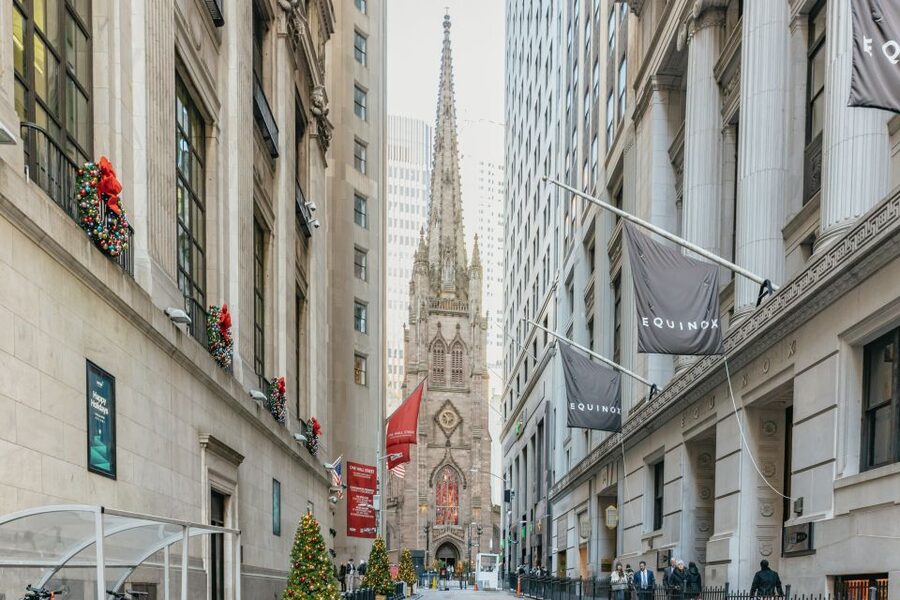
Federal Hall brings an earlier chapter of American history into the route. The stop helps place Wall Street in a broader story, beyond banks and stock prices. You will have time for photographs and an explanation of the site and its role in the district.
I like this change of subject. A tour focused only on the crash could become repetitive, especially over two hours. Federal Hall gives the walk historical range and shows how the financial district grew beside major political and civic landmarks.
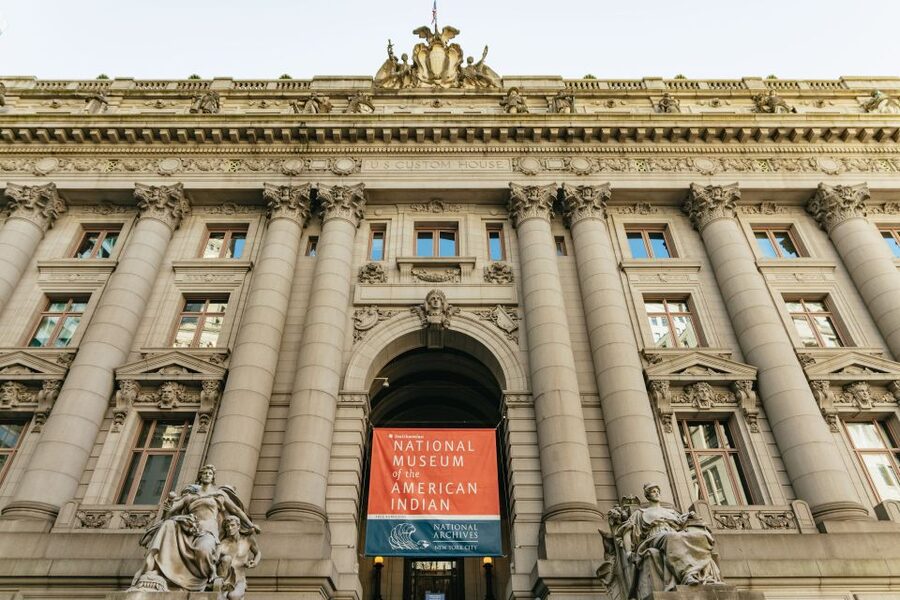
The guide also points out architectural details and other important buildings along the way. You are not simply moving from one finance-related address to another. The older stonework, formal facades, and tight streets make the area feel different from the glass towers elsewhere in Manhattan.
A completely different way to spend a day in New York City:
- New York City: American Museum of Natural History Ticket
★ 4.5 · 15,447 reviews - Statue of Liberty and Ellis Island Tour: All Options
★ 5.0 · 13,571 reviews - New York in One Day Guided Sightseeing Tour
★ 5.0 · 13,166 reviews - NYC: Museum of Modern Art (MoMA) Entry Ticket
★ 4.6 · 12,540 reviews
Stone Street and the human scale of the district
Stone Street Historic District is one of the more atmospheric sections of the route. Its historic setting offers a contrast to the large institutions on Wall Street. You stop for photographs while the guide discusses the area and its place in Lower Manhattan.
This is a good point to catch your breath and take in the surroundings. The financial crisis story can feel dominated by corporations and numbers. Stone Street gives the walk a more personal scale, with a street that feels designed for people rather than markets.
The tour remains outdoors, and seating is not guaranteed. One past group had occasional chances to sit on benches, but you should plan to walk and stand for most of the two hours. Wear shoes you can manage on hard pavement.
Charging Bull, Trinity Church, and the photo stops
Charging Bull is the best-known photo stop on the route. It is also one of the busiest. If you want a clear picture without a crowd, visit again after an early breakfast, when the area is quieter. During the tour, your guide provides context and helps place the sculpture within the district’s public image.
The bull is a symbol of market confidence, which makes it an interesting counterpoint to a tour about collapse and financial fear. It is easy to treat the sculpture as a quick photo opportunity, but the guide can use it to discuss how Wall Street presents itself to the public.
Trinity Church adds another layer of Lower Manhattan history. Its presence among financial offices shows how old and new parts of the city sit close together. The stop is mainly for sightseeing and photographs, but it helps break up the financial explanation with a major architectural landmark.
The route includes another photo and sightseeing stop before the final drop-off, though the supplied details do not identify that stop by name. The focus remains on the district’s buildings, institutions, and public spaces.
Lehman Brothers and the story behind the collapse
One of the most useful elements is the attention given to the grounds connected with major players in the crisis, including Lehman Brothers. Standing near the places tied to the collapse helps you follow the sequence of events more clearly.
Your guide explains how some firms made huge gains while the wider system became unstable. You hear about the buildup to the crash, the collapse of major institutions, and the effects that followed. The point is not simply to assign blame. It is to show how decisions made inside financial firms affected workers, homeowners, governments, and markets around the world.
This is where the guide’s ability matters most. The subject can become technical very quickly. One past participant found parts of the tour slightly too technical, while another found the explanation filled important gaps. That tells you what to expect: the tour aims to explain real financial mechanics, but the level may depend on your guide and your own background.
If you are unfamiliar with the crisis, do not worry about knowing every term beforehand. Ask questions when you lose the thread. A good guide can translate the jargon into a story about risk, debt, confidence, and failure.
The Federal Reserve finish
The tour ends near the Federal Reserve Bank of New York at 36 Liberty Street. This is a fitting final point because the Federal Reserve played a major role in the response to the crisis. The ending lets your guide connect the collapse to the measures taken afterward.
You do not receive transportation back to your hotel or to another part of the city. From the ending, you can continue exploring Lower Manhattan on foot, but the tour itself is finished. Plan your next activity around the Federal Reserve area rather than assuming you will return to the starting point.
The route’s ending also makes the walk easy to pair with other downtown sights. You could continue through the Financial District, visit nearby historic sites, or make your way toward the waterfront. The tour gives you a useful orientation for exploring on your own.
How much value do you get for $59?
At $59 per person, this is not the cheapest way to see Wall Street. You can photograph the bull, exchange, and church without paying for a tour. The fee pays for the explanation, structure, and financial context.
I think the price works best for you if the 2008 crisis is a main reason for booking. A guide with Wall Street experience can connect the buildings to the people, institutions, and choices involved. That is hard to recreate from a quick internet search while standing on the sidewalk.
The value is weaker if you only want a general Lower Manhattan walk. Several sights are visible from public streets, and the exchange cannot be entered. In that case, you may prefer a broader history tour or a self-guided route.
The two-hour length is sensible. It is long enough to cover the crash, the area’s past, and several major landmarks without taking up an entire day. One guide stayed beyond the scheduled time for an especially engaged group, but do not count on extra time. Plan for the stated two hours.
Weather, clothing, and practical comfort
This tour runs in rain, cold, heat, and wind. Downtown Manhattan can feel particularly windy between the buildings, and a cold-weather departure once proved challenging even for a lively guide. Check the forecast and dress for standing outdoors, not just walking between indoor attractions.
Bring:
- Comfortable walking shoes
- A weather-appropriate coat or layers
- Water in warm weather
- A camera or phone for the many photo stops
There is no transportation included, and the experience is conducted in English. You should also be ready for city noise, crowded sidewalks, and periods when the group must pause near a busy street.
The tour is not designed as an indoor escape from bad weather. If the forecast is poor, you can cancel up to 24 hours before departure for a full refund. You can also reserve now and pay later, which gives you some flexibility while planning a New York trip.
Who will enjoy this Wall Street walk?
I would recommend it to adults interested in economics, politics, business, or recent history. It also suits students, especially those studying the financial crisis and looking for a clear real-world setting. Teenagers with a strong interest in markets may enjoy it, though one younger participant found the full two hours a little long.
It works well for first-time visitors who want more than postcard views. You see famous sights, but the guide gives them a reason to matter. It also suits repeat visitors who have already seen Lower Manhattan and want a new angle on the area.
I would be cautious about booking it for very young children or anyone who dislikes technical explanations. The walking pace is manageable, but the subject requires attention. This is not a simple sightseeing loop with constant entertainment.
Should you book the Financial Crisis Tour?
Book it if you want the financial story behind Wall Street, not just photographs of its landmarks. The strongest part is the combination of place and explanation: you walk past the exchange, Federal Hall, Stone Street, Trinity Church, Charging Bull, and sites linked to firms such as Lehman Brothers while hearing how the 2008 crash unfolded.
Skip it if your priority is entering the New York Stock Exchange, touring interiors, or spending most of your time indoors. The tour is outside, the exchange is closed to visitors, and some sections may feel technical.
For the right audience, $59 is fair value. You get two hours, a focused route, and a guide whose storytelling can make a difficult subject understandable. Arrive early at 22 Broad Street, watch for the orange hat, dress for the weather, and keep your questions ready.
FAQ
How long does the Financial Crisis Tour last?
The tour lasts two hours.
What is the price?
The tour costs $59 per person.
Where does the tour begin?
Meet outside 22 Broad Street, in front of Blue Bottle Coffee and across from 15 Broad Street.
How do I identify the guide?
The guide will be outside wearing an orange hat.
Is the New York Stock Exchange open to visitors during the tour?
No. The New York Stock Exchange is closed to visitors, so you see it from outside.
What language is the tour conducted in?
The live tour guide speaks English.
Is transportation included?
No. Transportation is not included. The experience is a walking tour through Lower Manhattan.
Does the tour operate in bad weather?
Yes. The tour runs regardless of weather conditions and takes place outdoors.
How early should I arrive?
Arrive 10 minutes before the scheduled departure.
What is the cancellation policy?
You can cancel up to 24 hours in advance for a full refund. You can also reserve now and pay later.
Recently added in New York City
- From NY: Boston Day Tour Cambridge, Harvard, MIT & Freedom Trail in 1 Day★ 4.4 · 73 reviews
- From New York: New Haven, Rhode Island and Boston 2-Day Trip★ 4.6 · 5 reviews
- From NYC: Full-Day Niagara Falls Tour by Van★ 3.4 · 17 reviews
- New York City: Flatiron Food, History, and Architecture Tour★ 4.8 · 43 reviews
- From New Jersey: NYC Skyline Helicopter Tour★ 4.8 · 81 reviews
- From New York City: Philadelphia & Amish Community Day Trip★ 4.5 · 32 reviews
- Food Tour of Greenwich Village★ 4.8 · 53 reviews
- Flavors of Flushing: Exploring New York’s Biggest Chinatown★ 5.0 · 14 reviews
Tours, compared.
Statue of Liberty and Ellis Island Tour: All Options
Read our review →

9/11 Memorial, Ground Zero Tour with Optional 9/11 Museum Ticket
Read our review →
Hop-on Hop-off Sightseeing Tour by Open-top Bus
Read our review →