
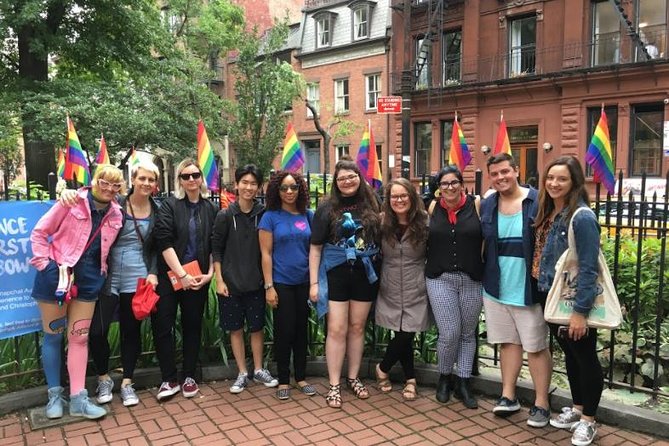
Reviewed · NYC WALKING TOURS
Two-Hour NYC LGBTQ+ History Walking Tour
The most meaningful part of this Greenwich Village walking tour is the way it connects famous places with the people and protests behind them. You’ll hear about the 1966 Sip-In at Julius’, the Stonewall uprising, AIDS activism, LGBTQ+ literature, public art, and the daily work of community organizations.
I like two things right away: the route gives you a clear story across nine important sites, and the guide leaves room for questions rather than simply pointing at plaques. I also like the ending at the LGBT Community Center, where you can see an original Keith Haring mural and browse an LGBTQ+-owned bookshop. The main consideration is pace: two hours is enough for a strong introduction, but not enough for long visits at every stop.
Key points to know before you book
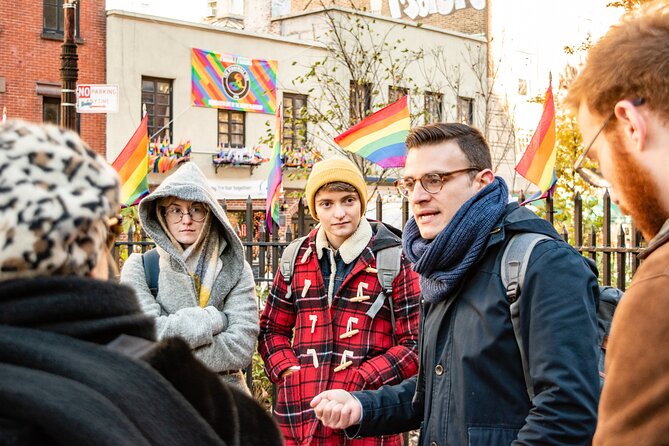
- Julius’ sets the tone: Learn about the 1966 Sip-In, an early protest that took place before Stonewall.
- Stonewall gets context: The tour covers the riots, key figures, the rainbow flag, and the monument surrounding the inn.
- Nine stops fit into two hours: You’ll walk between sites, with most stops lasting from five to 15 minutes.
- The route ends at the LGBT Community Center: Allow extra time for the Keith Haring mural, displays, and LGBTQ+-owned bookshop.
- A small group helps: The maximum is 20 people, making it easier to hear the guide and ask questions.
- The $49 fee covers more than photos: You’re paying for an organized historical route and an English-speaking guide, while admission to the listed sites is free.
Why this Greenwich Village route matters
Greenwich Village is easy to enjoy as a collection of pretty streets, cafés, and old brick buildings. This tour asks you to look again. A doorway, a bar, a street sign, or a public sculpture can carry a story about protest, community, fear, loss, or hard-won freedom.
That is the real value here. You are not simply walking past Stonewall, taking a photo, and moving on. You are given a sequence of events that helps explain why these places matter together.
The tour is also useful if you know only the broad outline of LGBTQ+ history. You’ll move from pre-Stonewall activism to the 1969 uprising, then onward to public memorials, community services, and the AIDS crisis. That wider view keeps Stonewall from becoming the only story.
The route is offered in English and lasts about two hours. The listed stop times add up to roughly 100 minutes, leaving the rest for walking, introductions, questions, and transitions. Wear comfortable shoes, since the experience is entirely on foot.
More NYC Walking Tours:
- SoHo, Little Italy, and Chinatown Walking Tour in New York
★ 5.0 · 3,153 reviews - Secrets of Grand Central Station Walking Tour New York City
★ 5.0 · 1,796 reviews - Greenwich Village Walking and Food Tasting Tour
★ 5.0 · 1,572 reviews
Julius’ and the 1966 Sip-In
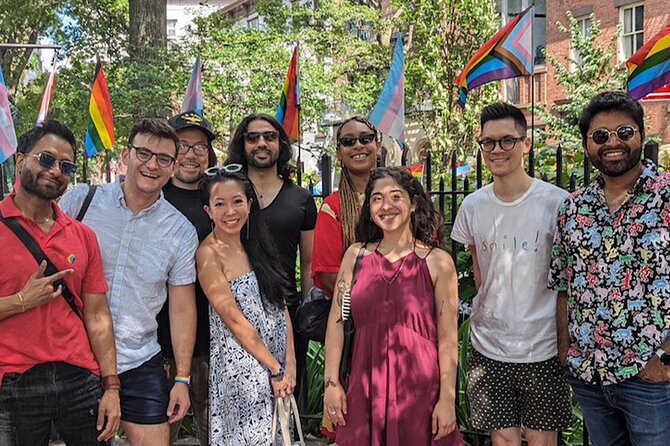
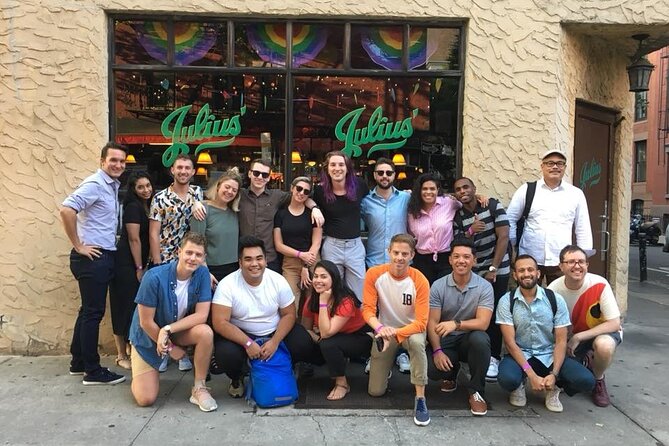
The meeting point is at McCarthy Square, at Charles Street and Waverly Place. From there, the group heads to Julius’, where you’ll hear about the Mattachine Society’s 1966 Sip-In.
This protest came three years before the Stonewall riots. Members of the Mattachine Society entered the bar and challenged rules that allowed establishments to refuse service to people suspected of being gay. The event is a useful reminder that LGBTQ+ activism did not begin at Stonewall. Organizing, legal challenges, and public protest were already under way.
The stop lasts about 15 minutes and admission is free. That is enough time to hear the central story and ask a few questions, though you should not expect an extended sit-down session inside the bar.
I like beginning here because it gives the tour a strong historical base. Julius’ is not treated as just a famous drinking spot. It becomes a place where ordinary action, ordering a drink, could turn into a public challenge to discrimination.
LGBTQ+ books and the meaning of Gay Street
The next stop is Greenwich Letterpress, the former site of the first LGBTQ+ bookstore on the east coast. You’ll hear about its connection to LGBTQ+ literature and why bookstores mattered to a community whose stories were often excluded from mainstream publishing.
This is a short, approximately 10-minute stop. The importance is less about browsing inside a current museum and more about understanding the role of books, writers, and access to information. A bookstore could offer connection and recognition when many people had few other places to find those things.
After that, the group reaches Gay Street. You’ll have time for photos and a history of the street itself, with about 10 minutes allotted here.
This is one of the simpler stops, since the street is an outdoor location rather than an exhibit. Still, it works well as a breather between denser stories. Your guide can place the street in the wider Village setting, and you get a clear photo opportunity without losing the thread of the walk.
Stonewall National Monument and the rainbow flag
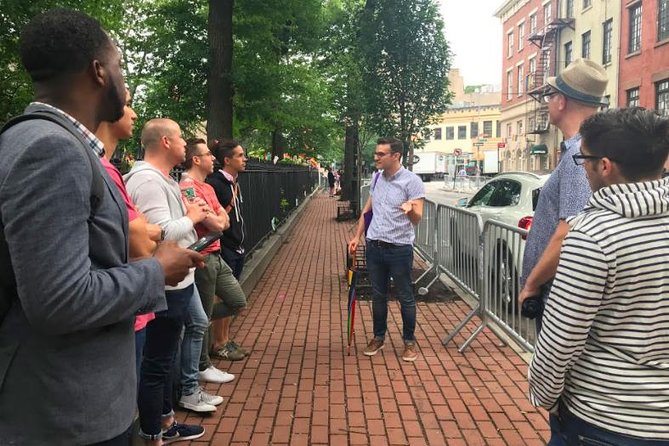
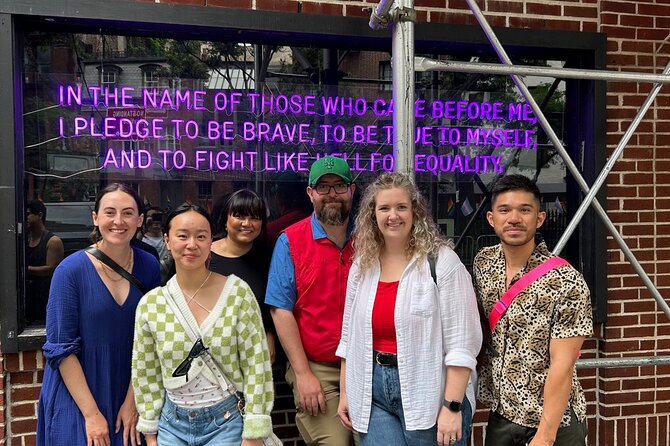
Stonewall National Monument introduces the symbolic side of the route. Here you’ll learn about the original 1978 rainbow flag created by Gilbert Baker and its role as a sign of pride and resistance.
The listed stop lasts five minutes, so expect a focused explanation rather than a long visit. The short timing makes sense if the guide is using this point to explain the flag before moving to the Stonewall Inn itself.
For me, this is an important bridge between local history and a symbol recognized around the world. The flag is not presented as decoration alone. Its story belongs to the period when LGBTQ+ communities were creating visible signs of identity and solidarity.
More LGBTQ-Friendly in New York City:
- Before Stonewall Secret Gay History of New York City
★ 5.0 · 4 reviews - Greenwich Village LGBTQ+ Pride Walking Tour
★ 5.0 · 3 reviews
The Stonewall Inn and the events of 1969
The Stonewall Inn is the emotional center of the walk. The tour covers firsthand accounts and stories of the 1969 Stonewall Riots, including key figures and the uprising’s lasting effect beyond New York.
You’ll have about 15 minutes here. That is enough for a concise account of what happened and why the event became so important, but the subject is large. If you want a long lecture on every person and every later political development, this tour will feel brief.
The strength of a guide-led stop is that the inn is not left as a photo backdrop. You’ll hear how the events became part of a larger movement and why Stonewall has global meaning. The guide also answers questions, which matters at a place where many people arrive with partial or simplified versions of the story.
You can take photos outside the historic inn. The tour does not list admission to the building, so plan on an exterior visit and historical explanation rather than an interior attraction.
The visitor center and Gay Liberation Monument
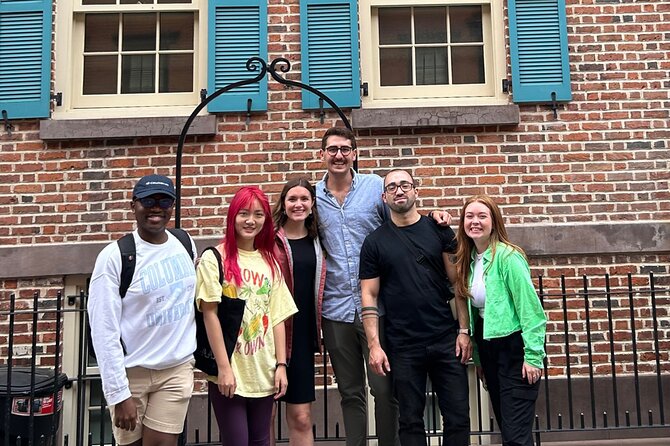
At the Stonewall National Monument Visitor Center, the group spends about 10 minutes with exhibits that preserve and honor LGBTQ+ history. This gives you a more formal setting after several outdoor stops.
The visitor center is especially useful if you prefer objects, displays, and organized interpretation alongside storytelling. The time is still limited, so treat it as an introduction. You may want to return on your own if you want to study the exhibits at length.
Next comes the Gay Liberation Monument, with approximately 10 minutes to consider its meaning and its dedication in 1992. The tour explains how public art can keep LGBTQ+ stories visible in the city.
This stop broadens the route beyond protests and bars. A monument changes the question from what happened here to what a city chooses to remember in public. That makes it a worthwhile pause, even if you are not usually drawn to sculpture.
Ending at the LGBT Community Center
The final major part of the route is the Lesbian, Gay, Bisexual & Transgender Community Center at 208 West 13th Street. The center is presented as both a place of LGBTQ+ history and an active community institution, with programs, events, rotating art, and historical displays.
You’ll spend about 10 minutes learning about its role in the fight for LGBTQ+ rights and its continuing support for the community. The tour ends here, so you are not rushed toward another neighborhood or subway stop.
One of the best practical details is the chance to see an original Keith Haring mural and browse an LGBTQ+-owned bookshop after the formal walk ends. The provided schedule does not promise a long amount of free time, so ask your guide how much time is available if these are priorities for you.
I like this ending because it moves the story into the present. You finish not only with memories of past protests, but with a sense of the institutions, art, books, and services that help a community continue its work.
The AIDS Memorial and the story of activism
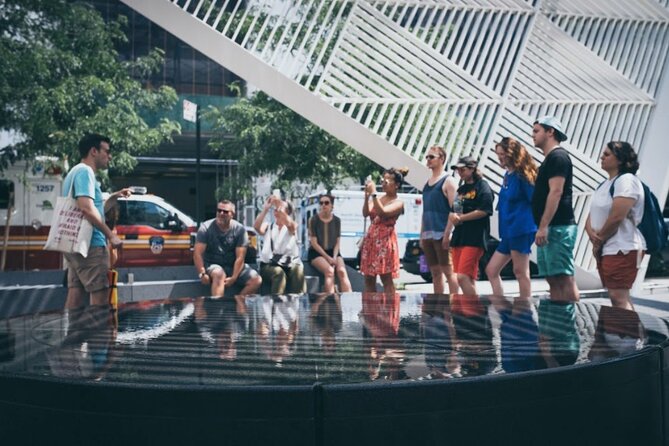
The New York City AIDS Memorial is listed as the last historical stop before the Community Center, with about 15 minutes devoted to it. You’ll learn about the memorial and about AIDS activism that began in New York and helped start a global movement.
This is likely to be one of the heavier parts of the tour. The subject calls for attention and respect, and the short stop means the guide must focus on the main story rather than cover every aspect of the epidemic or every activist group.
Its place on the route matters. A tour focused only on Stonewall could leave you with a narrow picture of LGBTQ+ history. The AIDS Memorial adds grief, organizing, public health, and political pressure to the story. It also shows how local action in New York reached far beyond the city.
What $49 gets you
The price is $49 per person. Since the listed sites are free, the fee mainly pays for the guide, the planned route, and the interpretation that ties the stops together.
I think the price is reasonable if you want structure and context. Greenwich Village is easy to walk through on your own, but it is much harder to know which locations matter, what happened there, and how the events connect. The guide saves you research time and keeps the two hours focused.
The value is lower if you already know the neighborhood well and prefer to read independently. You will not be buying entry to a major paid attraction, and several stops are short outdoor explanations. The decision comes down to how much you value a human guide and the chance to ask questions.
The group maximum is 20 people. That is small enough to feel manageable, though not private. If you want a one-on-one conversation at every stop, look for a private option instead.
The tour is often booked about 29 days ahead, which is a useful planning signal. I would reserve before your New York visit rather than assume a preferred date will remain open.
Timing, meeting point, and practical advice
The start is McCarthy Square at Charles Street and Waverly Place. The end is the LGBT Community Center at 208 West 13th Street. Both points are near public transportation, making it fairly easy to fit the walk into a day in Manhattan.
Confirmation is provided at booking. Service animals are allowed, and most people can participate. Since the tour requires good weather, keep an eye on the forecast and have a little flexibility in your plans.
You can cancel for a full refund up to 24 hours before the start time. Changes or cancellations made inside that window are not accepted for a refund. If poor weather cancels the tour, you’ll be offered another date or a full refund. The same applies if the minimum number of participants is not reached.
Comfortable shoes are the key practical tip. The route is only two hours, but you are walking between nine stops and standing while the guide speaks. Keep your schedule open after the tour if you want time at the Community Center, the mural, or the bookshop.
Who will get the most from this walk
I would recommend this tour to anyone who wants a clear introduction to LGBTQ+ history in New York, especially if Stonewall is familiar as a name but not as a set of events and people.
It also suits educators, parents, and people who work with young LGBTQ+ people. Michael, one of the guides named in the feedback, was specifically praised for making the experience enlightening and useful to someone who works with troubled teens and wanted a better grasp of the struggles LGBTQ+ young people may face.
The walk can also work well for visitors who want history without spending a full day in a museum. You get outdoor places, public art, a visitor center, and a community institution in one compact route.
I would be more cautious if you need a highly detailed scholarly tour or extended time at every site. The experience is an introduction with meaningful detail, not a full course in New York LGBTQ+ history.
Should you book the Two-Hour NYC LGBTQ+ History Walking Tour?
Book it if you want the major Greenwich Village sites linked by a thoughtful human story. The best parts are the early focus on Julius’ and the Mattachine Society, the context given at Stonewall, and the decision to finish with the AIDS Memorial and LGBT Community Center.
The $49 price is fair for a two-hour guided route, a maximum group of 20, and access to an English-speaking guide who answers questions. Just remember that most stops are brief, the sites are free, and the tour moves at walking pace.
If you prefer a short, focused introduction with real places under your feet, this is a strong choice. If you want long museum visits or a private, highly specialized history lesson, choose something with more time and a smaller group.
FAQ
How long is the LGBTQ+ history walking tour?
The tour lasts approximately two hours.
How much does the tour cost?
The price is $49 per person.
Where does the tour begin?
It begins at McCarthy Square, at Charles Street and Waverly Place in New York, New York.
Where does the tour end?
The tour ends at the Lesbian, Gay, Bisexual & Transgender Community Center at 208 West 13th Street.
What language is the tour offered in?
The tour is offered in English.
How many people can join the tour?
The maximum group size is 20 people.
Are admission tickets included?
The listed stops have free admission. The tour includes the guide and the walking route.
Can I take photos at the Stonewall Inn?
Yes. Photo opportunities at the historic Stonewall Inn are included.
Is the tour accessible by public transportation?
The meeting and ending points are near public transportation.
What happens if the weather is poor?
If the tour is canceled because of poor weather, you’ll be offered a different date or a full refund.
More Historical Tours in New York City
- New York City: American Museum of Natural History Ticket
★ 4.5 · 15,447 reviews - NYC: Starship Landmark 90 Minute Sightseeing Cruise
★ 4.6 · 3,666 reviews - Starship Landmark 90 Minute Sightseeing Cruise
★ 4.5 · 2,073 reviews - American Museum of Natural History Admission Ticket
★ 4.0 · 1,931 reviews
More 2-Hour Experiences in New York City
- NYC: Circle Line 2h Harbor Lights Cruise Skip-The-Box-Office
★ 4.6 · 8,222 reviews - SoHo, Little Italy, and Chinatown 2-Hour Guided Walk
★ 4.6 · 566 reviews - 2-hour Metropolitan Museum Guided Tour
★ 5.0 · 515 reviews - Brooklyn Bridge and Waterfront 2-hour Guided Bike Tour
★ 4.5 · 184 reviews
Recently added in New York City
- New York City’s Best Smash Burger tour – You be the judge!★ 5.0 · 3 reviews
- Greenwich Village Walking Tour★ 5.0 · 4 reviews
- Gritty NYC True Crime Tour with a Lawyer★ 4.5 · 13 reviews
- West Village History & Walking Food Tour★ 4.5 · 10 reviews
- Greenwich Village Soho Little Italy/Paris Chinatown Walking Tour★ 5.0 · 9 reviews
- Greenwich Village Literary Pub Crawl★ 5.0 · 48 reviews
- Greenwich Village Private Walking Tour★ 5.0 · 3 reviews
- Greenwich Village Rock and Roll Tour *Rock Junket Tours★ 5.0 · 9 reviews
NYC Walking Tours, compared.
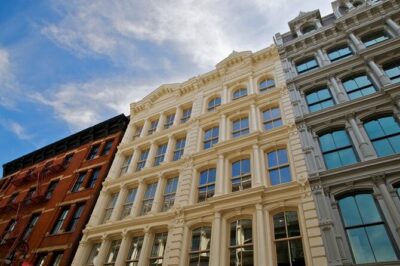
SoHo, Little Italy, and Chinatown Walking Tour in New York
Read our review →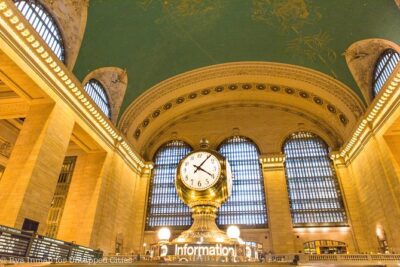
Secrets of Grand Central Station Walking Tour New York City
Read our review →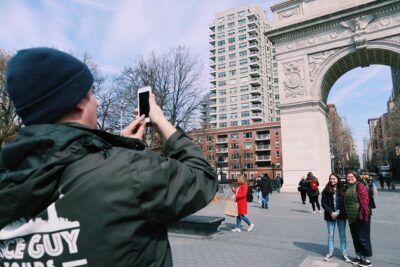
Greenwich Village Walking and Food Tasting Tour
Read our review →
Artistic, Alternative Greenwich Village Walking Tour
Read our review →
NYC Greenwich Village Italian Food Guided Walking Tour
Read our review →Browse the lists this tour appears in