
Reviewed · HISTORICAL TOURS
Before Stonewall Secret Gay History of New York City
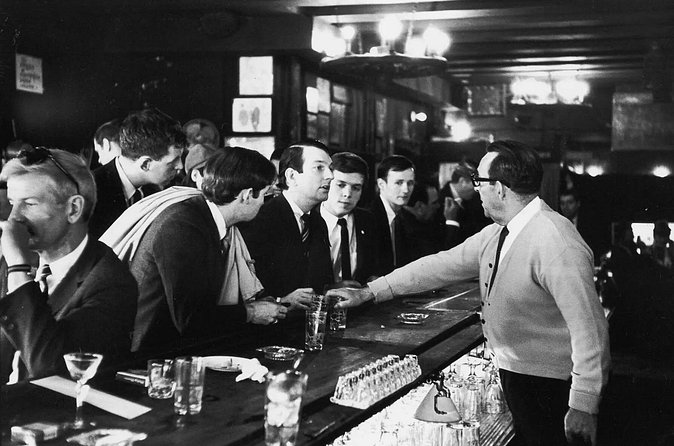
The most striking part of this walking tour is how it places Stonewall within a longer fight for LGBTQ rights. You begin with the earlier Sip-In protest at a popular LGBTQ bar, then walk through the streets, parks, and meeting places that helped turn private community life into public visibility.
I like the steady pace, with time to stop for stories instead of racing from one address to the next. I also like the human touch: Patrick and Percy bring different personalities to the tour, and Patrick has been especially good at answering questions and adding useful details, including the story of a former gay bookstore near the end.
The main drawback is simple: this is an outdoor walking tour, so cold weather can affect the experience. The tour lasts about two hours, but its value depends on your interest in social history and your willingness to listen at several street-side stops rather than expect a museum-style presentation.
Key points to know before you book
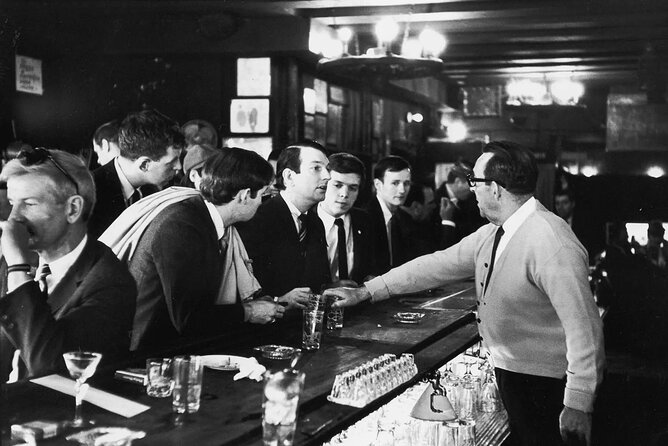
- The Sip-In comes before Stonewall: You learn about an earlier protest that challenged discrimination against LGBTQ customers in bars and restaurants.
- Stonewall was once Mob-owned: The tour adds context to the famous 1969 riots and explains the complicated setting behind the landmark.
- Greenwich Village is treated as a community, not just a backdrop: Parks, streets, bars, bookstores, and former gathering places all have a role.
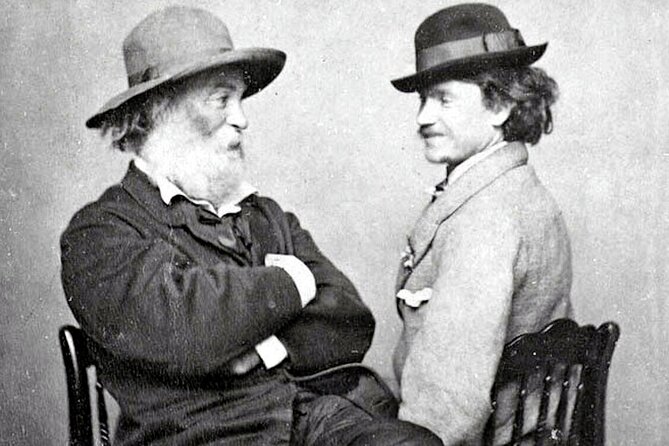
- Patrick and Percy are named guides: Their approach combines photos, stories, questions, and a little humor.
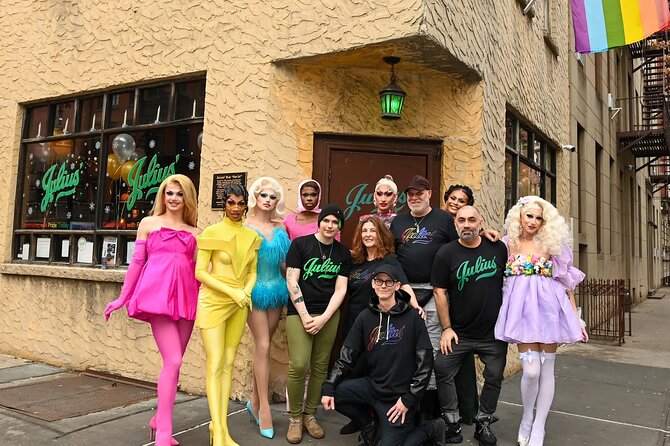
- The walk ends at Julius’ Bar: This historic LGBTQ bar gives the tour a fitting final stop, with nearby food and drink options.
- The group can reach 25 people: It is not a private walk, though the small maximum should keep the experience reasonably personal.
Why the story begins before Stonewall
Many tours about LGBTQ New York rush straight to the Stonewall riots. I appreciate that this one begins earlier, because Stonewall did not appear out of nowhere. The Sip-In protest shows how LGBTQ people were already organizing, testing the law, and challenging public discrimination before 1969.
At the Sip-In stop, you hear about an event held at a popular LGBTQ bar. The action focused on the refusal of service to LGBTQ patrons in bars and restaurants. That detail matters. It shifts the story away from a single dramatic night and toward the daily rules that made ordinary social life difficult.
You can expect a pause here for explanation and discussion. The guide may use photos and other information on a tablet or phone, which helps make the story more concrete than a simple street address.
This is also a good place to ask questions. The tour does not force the history into a perfectly straight timeline. New York’s LGBTQ past developed through overlapping groups, protests, publications, bars, and neighborhoods, so the guide may connect one subject to another as the walk moves along.
More LGBTQ-Friendly in New York City:
- Two-Hour NYC LGBTQ+ History Walking Tour
★ 5.0 · 35 reviews - Greenwich Village LGBTQ+ Pride Walking Tour
★ 5.0 · 3 reviews
Stonewall, with the hard facts left in
The tour then reaches the location of the 1969 Stonewall Riots. Stonewall Inn is now a popular LGBTQ bar and a National Historic Landmark, but the guide also explains a less polished part of its past: the Mob owned it.
That fact gives you a more honest picture of the place. Stonewall was not a sleek symbol carefully designed for history books. It was a working bar in a city where LGBTQ people had few safe public spaces. The Mob connection helps explain the conditions surrounding the bar and the complicated choices people made to find community.
The stop is about more than taking a photograph outside. You learn why the riots mattered and how the event became a major turning point in public LGBTQ activism. The physical location is modest, which makes the stories especially important. The building alone cannot explain what happened there.
The tour only walks by the Stonewall Inn Visitor Center. If you have time, I recommend doubling back to see it after the walk. It has displays and apparel, and it adds an indoor stop to a tour that is otherwise outside.
A park at the center of LGBTQ community life
One of New York’s best-known parks appears as another setting for the story. The park is presented not simply as a pleasant green space, but as a place where LGBTQ people met, gathered, and became visible to one another and to the wider city.
This part of the walk helps you understand why public parks mattered. A bar could be raided or refuse service. A private room could be difficult to find. A public park offered a different kind of meeting place, with its own risks and possibilities.
I like this stop because it links personal life to city space. You are not only learning names and dates. You are seeing how people used ordinary New York places to build friendships, exchange information, and create a community.
Expect the guide to pause here rather than hurry across the park. The walking is broken up by these longer story sections, which is helpful if you dislike tours that keep moving while the guide talks. In bitter cold, the pauses may feel less comfortable, so dress for the forecast.
Walking the main street of LGBTQ visibility
Another stop follows New York’s main thoroughfare of LGBTQ visibility. The street’s importance comes from public presence. It represents the point where LGBTQ life was not confined to back rooms, private apartments, or coded meeting places.
The guide uses the street to show how visibility grew over time. That does not mean every part of the past was safe or easy. It means that people claimed space, returned to it, and made their presence harder to ignore.
This section can be especially useful if you already know the basic Stonewall story. Instead of treating the riots as the beginning and end of LGBTQ New York, the tour traces the broader social change around them.
You will be on city sidewalks for much of the experience. Comfortable shoes are more useful than anything formal, and you should plan for ordinary urban conditions, including traffic, crowds, and weather. Private transportation is not included, but you do not need a vehicle for the tour itself.
More Historical Tours in New York City:
- New York City: American Museum of Natural History Ticket
★ 4.5 · 15,447 reviews - NYC: Starship Landmark 90 Minute Sightseeing Cruise
★ 4.6 · 3,666 reviews - Starship Landmark 90 Minute Sightseeing Cruise
★ 4.5 · 2,073 reviews - American Museum of Natural History Admission Ticket
★ 4.0 · 1,931 reviews
From secret tearooms to MacDougal-style nightlife
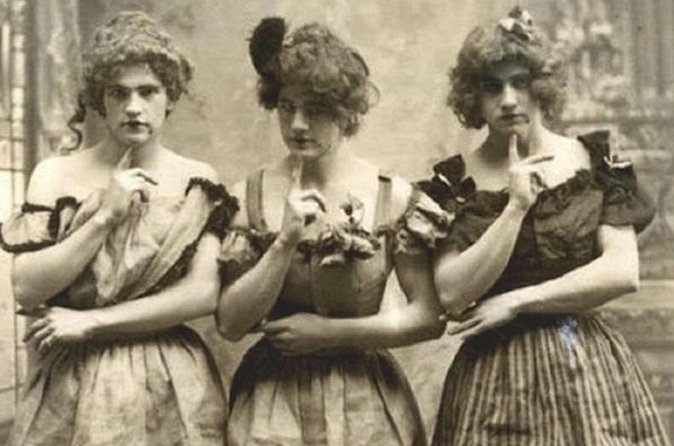
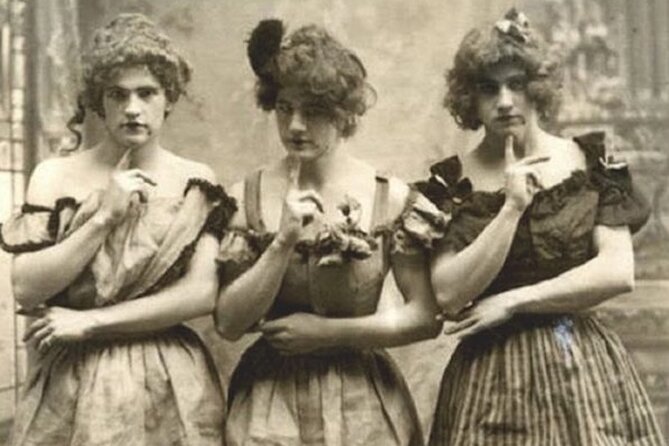
The route also reaches a street once associated with secret speakeasies and tearooms serving LGBTQ customers. Today, the same kind of street life is tied to comedy clubs, cafes, music venues, and quick bites.
That contrast is one of the tour’s best ideas. The physical setting may look casual now, but the guide helps you see how coded language and discreet meeting places once mattered. A tearoom could offer a chance to meet others, but only within the limits of a society that treated LGBTQ life as something to conceal.
I like the way this stop connects the past with what you see around you now. You might pass a cafe or music venue without giving it much thought. The story gives the street another layer, showing how public entertainment districts can also serve as meeting places for communities that lack safer options.
The tour does not turn every stop into a solemn lecture. Patrick is described as able to handle the material with a serious but playful tone, including a memorable reference to the Meat Rack. That balance suits the subject. LGBTQ history includes discrimination and danger, but it also includes humor, friendships, style, and ordinary fun.
Julius’ Bar gives the walk a fitting ending
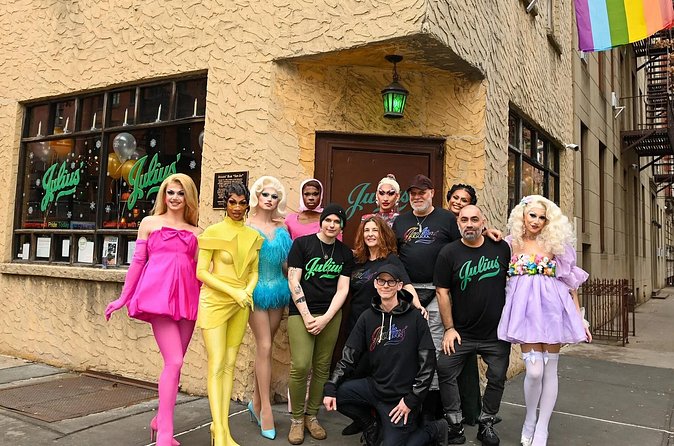
The tour ends at Julius’ Bar on West 10th Street. This is a strong finish because Julius’ connects the broad political story to a real place where people gathered.
You are not ending at a generic viewpoint or a subway entrance. You finish at a historic LGBTQ bar, which keeps the final moments grounded in community life. The stop also gives you a practical chance to continue the afternoon with a drink, snack, or another nearby visit.
A small detail can make the ending useful for book lovers. The route passes the site of what was once a gay bookstore. It is no longer operating as that bookstore, but a small LGBTQ section nearby may still offer unusual titles. The selection may include books you cannot easily find at home, so readers should consider allowing extra time after the tour.
A gelato or ice cream shop near the end also provides an easy snack option. That is not the main reason to book the walk, but it is the kind of small convenience that helps when you have spent two hours outdoors.
What the guides add to the experience
The named guides connected with this tour are Patrick and Percy. The experience can change depending on who leads your group, but both are presented as strong choices for an educational walk through LGBTQ New York.
Patrick’s approach includes photos and information shown on a tablet or phone. On one very cold outing, the tablet stopped working, but he switched to his phone and kept the tour going. That is a minor practical point, yet it says something useful about the experience: the guide is not dependent on one piece of equipment.
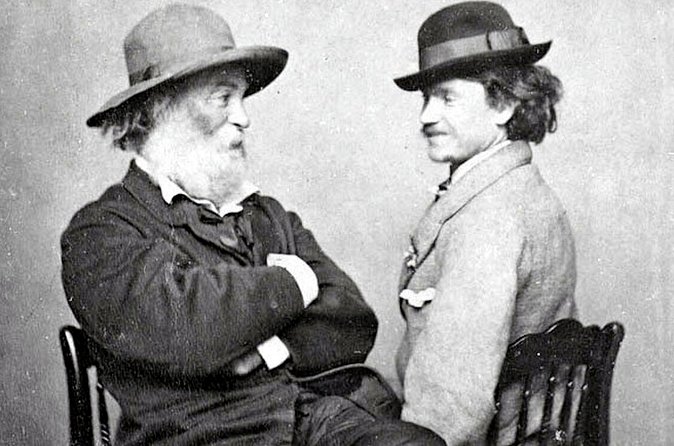
He also appears comfortable with questions and with history that does not fit neatly into the order of the streets. You may discuss Gay Liberation before the Mattachine Society, for example, because the neighborhood’s layout does not follow a textbook timeline.
Percy is described as a strong guide for an enjoyable and educational tour. If you are especially interested in LGBTQ history, ask questions as you walk. A two-hour route cannot cover everything, but a good guide can help you understand which subjects deserve more study afterward.
Pace, group size, and weather
The tour lasts about two hours and starts at 11:00 a.m. at 640 Broadway. It ends at Julius’ Bar, 159 West 10th Street, so you finish in a different part of the city than where you began.
The group can include up to 25 people. That is not the intimacy of a private tour, but it is a manageable limit for a city walk. The actual feel will depend on how full the departure is and how easily everyone can gather around the guide.
The pace includes longer pauses for stories, with breaks between walking sections. I see that as a real benefit. You cover meaningful ground without spending the entire tour marching through Greenwich Village.
Still, you should treat the tour as an outdoor activity. There is no private vehicle or air-conditioned vehicle. Wear shoes suited to city sidewalks and check the weather before you leave. Cold conditions can make the story stops less pleasant, even though the guide can adapt the presentation.
Is $39 a fair price?
At $39 per person, this tour sits in a reasonable range for a two-hour guided walk in New York. The price includes an expert licensed guide, which is the main product here. You are paying for explanation, local context, and access to a coherent story, not transportation or admission to a series of indoor attractions.
The value is strongest if you know only the Stonewall headline and want to understand what came before and after it. The Sip-In, the park, the former meeting places, the street of public visibility, and Julius’ Bar create a fuller picture than a single photo stop at Stonewall.
I would be less enthusiastic if you want a long list of indoor sites, exhibits, or bar visits. Much of the experience takes place on sidewalks and outside historic locations. You should also remember that two hours leaves no room to cover every part of LGBTQ New York.
For many people, the price is justified by the guide’s ability to connect places that might otherwise look ordinary. I would treat the walk as a starting point for exploring the Village on your own afterward, not as a complete account of the city’s LGBTQ past.
Who should book this New York walking tour?
I would choose this experience if you want:
- A focused introduction to LGBTQ history in New York City
- A tour that goes before Stonewall rather than beginning with it
- A walking route through Greenwich Village and nearby historic areas
- Time for questions and stories instead of nonstop movement
- A guide who can add context beyond the basic route
- A small food, bookstore, or visitor center stop afterward
It is also a good fit for people who already know the main Stonewall story. The Sip-In and the bar, park, bookstore, and street details add useful context.
I would think twice if you have difficulty standing outside for two hours, strongly dislike city walking, or want a private experience. The group may reach 25 people, and the tour does not provide transport.
The tour is offered in English. Confirmation is provided when you book, and service animals are allowed. It is near public transportation, and most people can participate.
Cancellation is free if you cancel at least 24 hours before the 11:00 a.m. start time. Within 24 hours, no refund is offered, and changes are not accepted. The tour also requires a minimum number of participants, so a cancellation by the operator can lead to another date, another experience, or a full refund.
Should you book it?
Book this tour if you want the story behind the landmarks, not only the landmarks themselves. The strongest parts are the pre-Stonewall Sip-In, the frank explanation of Stonewall’s Mob ownership, and the way the route shows LGBTQ life moving from secrecy toward public visibility.
I especially like the measured pace and the chance to finish at Julius’ Bar, with the Stonewall Inn Visitor Center and a former gay bookstore nearby for additional stops. Just prepare for a fully outdoor walk, and choose a warmer day if you can.
At $39, it is a sensible choice for an English-speaking visitor who wants a compact, thoughtful introduction to LGBTQ New York. It is less suitable for anyone looking for a long indoor museum visit or a private car-based tour.
FAQ
How much does the tour cost?
The tour costs $39 per person.
How long does the experience last?
The walking tour lasts approximately two hours.
What time does the tour start?
The tour starts at 11:00 a.m.
Where does the tour begin?
The meeting point is 640 Broadway, New York, NY 10012, USA.
Where does the tour end?
The tour ends at Julius’ Bar, at 159 West 10th Street, New York, NY 10014, USA.
Is transportation included?
No. Private transportation and an air-conditioned vehicle are not included.
What language is the tour offered in?
The tour is offered in English.
How many people can join the tour?
The maximum group size is 25 people.
Recently added in New York City
- New York City’s Best Smash Burger tour – You be the judge!★ 5.0 · 3 reviews
- Greenwich Village Walking Tour★ 5.0 · 4 reviews
- Gritty NYC True Crime Tour with a Lawyer★ 4.5 · 13 reviews
- West Village History & Walking Food Tour★ 4.5 · 10 reviews
- Greenwich Village Soho Little Italy/Paris Chinatown Walking Tour★ 5.0 · 9 reviews
- Greenwich Village Literary Pub Crawl★ 5.0 · 48 reviews
- Greenwich Village Private Walking Tour★ 5.0 · 3 reviews
- Greenwich Village Rock and Roll Tour *Rock Junket Tours★ 5.0 · 9 reviews
Historical Tours, compared.


Starship Landmark 90 Minute Sightseeing Cruise
Read our review →
Starship Landmark 90 Minute Sightseeing Cruise
Read our review →
American Museum of Natural History Admission Ticket
Read our review →
Top Rated Brooklyn Half-Day Food, History & Culture Tour via bus
Read our review →
The Original Greenwich Village Food & Cultural Tour Since 1999
Read our review →
The Speakeasy Adventure: A Tipsy Trip Through History
Read our review →Browse the lists this tour appears in