
Reviewed · GREENWICH VILLAGE TOURS
Greenwich Village NYC Pizza Walking Tour
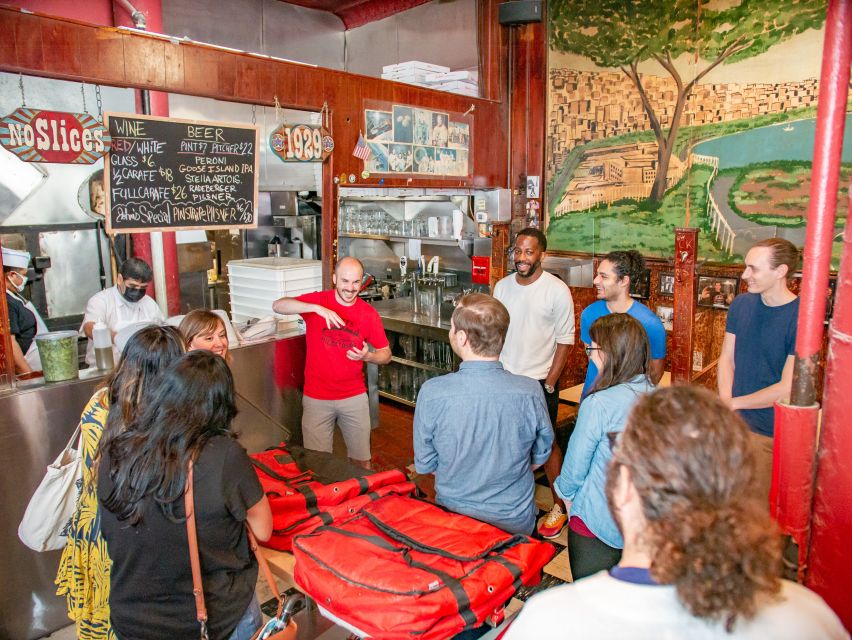
Greenwich Village gives this pizza tour a fine setting, but the real draw is the way it traces pizza’s journey from southern Italy to New York’s corner slice shops. In 150 minutes, you taste three different styles while learning why dough, ovens, toppings, and American city life changed the dish.
I like the three distinct pizzeria stops, especially the chance to visit John’s of Bleecker Street and L’Industrie, two popular names that can draw long lines. I also like the access to pizza makers and owners, plus a Pocket Pizza Journal that helps turn lunch into a small food lesson.
The main drawback is focus. This is first and foremost a pizza class with a walk attached, so you get less general sightseeing than on a standard Greenwich Village tour. The walk can also feel a little long if your interest ends after the second slice.
Key points at a glance
- Three stages of pizza: Follow the dish from its southern Italian roots through its American development and modern New York forms.
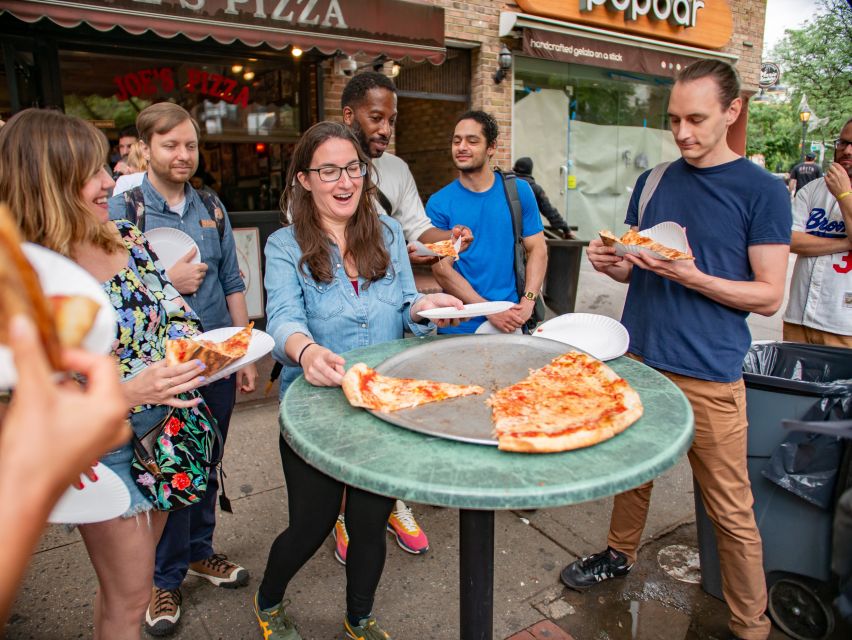
- Stops with different identities: Taste at three pizzerias rather than eating three versions of the same slice.
- John’s and L’Industrie: These well-known stops can be popular, making the tour useful for seeing them without planning your own pizza crawl.
- A serious pizza guide: David, Scott, Laura, and Assad have led tours, bringing humor, practical detail, and strong enthusiasm for the subject.
- A 150-minute walking meal: Wear good shoes, expect a full afternoon of food, and remember that drinks are not included.
- Good value for pizza fans: At $65, the price covers three slices, guiding, neighborhood walking, pizza education, and a Pocket Pizza Journal.
From southern Italy to the New York slice
The tour treats pizza as a food with a past, not simply something to grab between sights. You begin with the humble origins of the Italian tomato pie, then follow its changes as it reached American cities and took on new ingredients, methods, and forms.
That historical frame gives each tasting more purpose. Instead of asking only if you like a slice, you can consider what it tells you about the stage of pizza being presented. The guide discusses old toppings, dough stretching, oven temperatures, and baking patterns, so the food in your hand becomes part of the lesson.
This is especially useful if you already know the basics. Pizza fans can compare details that are easy to miss when eating quickly: the feel of the crust, how the oven colors the dough, and how a topping behaves under heat. If you are less interested in pizza technique, the amount of information may feel like a lot.
The tour also explains how pizza changed in America’s industrial cities. That shift matters because New York pizza is not simply a copy of an Italian original. It is the result of immigration, urban life, local businesses, and a city culture that made a quick slice part of everyday life.
More NYC Pizza Tours:
- A Slice of Brooklyn Pizza Tour
★ 5.0 · 306 reviews - Greenwich Village Pizza Walk
★ 5.0 · 158 reviews - NYC: Private Home Alone 2 Stretch Limousine Tour with Pizza
★ 4.6 · 98 reviews
Meeting at John’s of Bleecker Street
The tour begins outside John’s of Bleecker Street at 278 Bleecker Street. Arrive before the scheduled start, since check-in begins 15 minutes early and the guide gathers the group there.
John’s provides a fitting starting point. It places you in one of Greenwich Village’s best-known pizza areas before the walking lesson gets underway. The tour uses the neighborhood as more than a backdrop, connecting old Little Italy associations and local streets with the way pizza developed in New York.
You should not expect a long, general introduction to every corner of the Village. The guide’s main subject is pizza, and the surrounding streets support that theme. You will see historic Greenwich Village and walk toward Soho, but the commentary gives most of its time to food, ovens, dough, and the people who make the pies.
That focus is a plus if you came for pizza. It is less ideal if you want a broad architecture or literary tour of Greenwich Village. One useful approach is to treat the walk as a food route and save a separate visit for the Village’s other sights.
Three pizzerias, three steps in pizza’s story
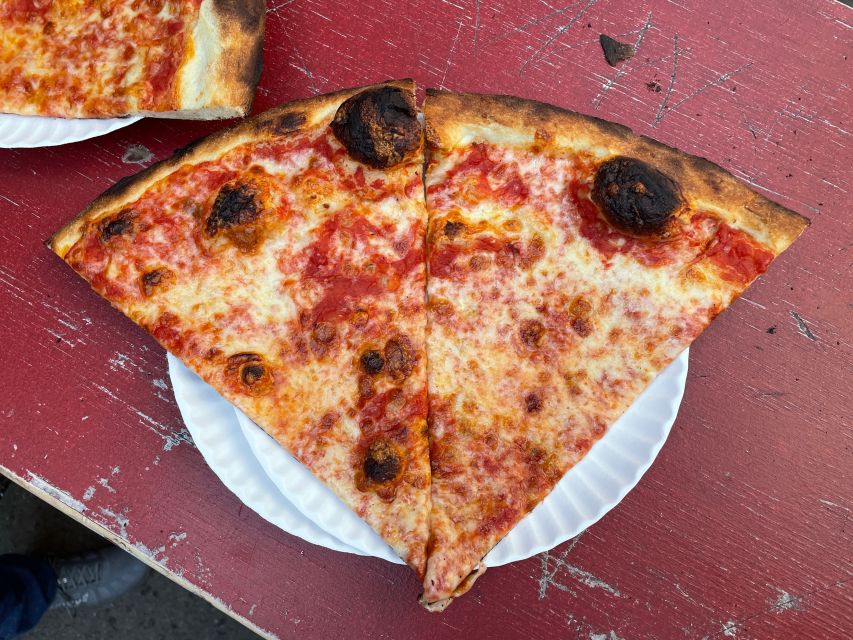
The central idea is simple: each stop represents a different stage in the development of pizza. The exact balance of styles can depend on the route and the shops open on the day, but the tour is built around contrast rather than repetition.
At the first pizzeria, the guide sets the historical groundwork. You learn how pizza began as humble food in southern Italy and how early versions used simple ingredients. The point is not to claim that one pizza is the only authentic form. It is to show how a basic dish could change as it crossed borders.
The second stop brings the American story into clearer view. Industrial cities helped shape pizza into a food that could be made, sold, and eaten at a faster urban pace. Here, the guide connects pizza to New York’s Italian neighborhoods and to the growth of corner shops and slice culture.
The third stop shows how far the dish has traveled. Modern pizza makers work with different ovens, dough methods, and toppings while still drawing on the same basic idea of a baked flatbread with tomato and other ingredients. You get to compare those choices instead of hearing about them only in theory.
John’s of Bleecker Street and L’Industrie are named stops associated with the experience. Both can attract substantial lines on their own, so having them built into a guided route is useful. You still need to accept that popular shops can bring a little waiting or crowding, though the tour is designed around those visits.
The third pizzeria gives the tour room to complete the comparison. Since its name is not specified in the available details, I would not book expecting a particular final shop. Book for the three-stop format and the chance to compare methods, not for a fixed list of famous brands.
Why the ovens matter
The oven lesson may be the most practical part of the tour. You compare the baking patterns of three different pizza ovens, which helps explain why two pies with similar ingredients can taste and feel so different.
The guide discusses coal-fired brick ovens as well as other approaches used by New York pizzerias. You learn to notice how heat affects the crust and toppings. The goal is not technical training for home cooks, but it gives you a better vocabulary for judging pizza after the tour.
You also hear about dough stretching techniques. That detail matters because dough is not just a neutral base. The way it is handled affects thickness, texture, and how it responds to the oven. Even a simple explanation can change how you look at the next slice you order.
Pizza makers and owners may spend time with the group at the stops, offering practical insight into their work. That contact is one of the tour’s strongest features. You are not only standing outside a shop while a guide talks about it. You have a chance to connect the food with the people producing it.
More Greenwich Village Tours:
- NYC: Greenwich Village Food Tour with 6 Locals Favorites Dishes
★ 5.0 · 1,812 reviews - Greenwich Village Walking and Food Tasting Tour
★ 5.0 · 1,572 reviews - Artistic, Alternative Greenwich Village Walking Tour
★ 5.0 · 971 reviews - NYC Greenwich Village Italian Food Guided Walking Tour
★ 5.0 · 627 reviews
Guides who keep the lesson lively
The listed guides include David, Scott, Laura, and Assad. David is described as energetic, funny, and highly focused on pizza, while Scott and Laura bring strong pizza expertise and an informal style. Assad is also described as enthusiastic about both the food and the neighborhood.
The guide makes a real difference here. This is not a tour where you can simply admire the scenery and wait for the next snack. You spend much of the 150 minutes listening, asking questions, tasting, and walking. A guide who can keep the group involved is essential.
The best fit is someone who enjoys detail and does not mind staying with one subject for a while. You may hear about ancient toppings, dough stretching, immigration, ovens, and the growth of American pizza in one outing. That is a lot of pizza talk, but it is also what gives the experience its purpose.
The humor and informal tone help prevent the lesson from becoming stiff. Still, the focus can feel narrow. If you hoped for equal attention to Greenwich Village’s buildings, writers, music, and street life, you may want another tour as well.
How much food do you get for $65?
The price is $65 per person. That is not the cheapest way to eat three slices, but the value is not limited to the food.
You are paying for three tastings, a licensed guide, neighborhood walking, access to pizza knowledge, and the Pocket Pizza Journal. You also avoid having to research three pizzerias, plan a route, and work out how to compare them. For a pizza enthusiast, that combination can justify the price.
Drinks are not included, so budget for beverages separately. The tasting format also means you should not expect three full pizzas or a large restaurant meal. You receive slices at three places, with the educational experience spread between them.
I would call the value strongest for first-time visitors to Greenwich Village, dedicated pizza fans, and people who enjoy food tours with a clear subject. If you already know the city well and only want inexpensive slices, you could spend less on your own. You would also lose the guided context, the owner encounters, and the structured comparison.
The tour’s 4.9 rating from 16 reviews suggests a very strong response, but the sample is small. I would use that score as a helpful sign rather than a guarantee. The most consistent strengths are the guides’ enthusiasm, the three different pizza stops, and the amount of information.
The walking, timing, and comfort level
The experience lasts 150 minutes, or two and a half hours. That gives the guide enough time to explain the food, visit three shops, and walk through Greenwich Village and Soho without turning every stop into a rushed bite.
You should wear comfortable shoes. This is a proper walking tour, not a seated tasting. Dress for the weather because the tours run rain or shine unless conditions become dangerous.
The route is wheelchair accessible according to the activity details. Since the experience includes city walking and visits to operating pizzerias, you may still want to confirm any personal access needs when booking. The provided information does not specify the exact route, group size, or seating at each stop.
The walk between tastings helps the meal feel less heavy and gives you time to discuss the last slice before the next one. It also gives the guide space to connect pizza with the streets around you. On the other hand, if you are mainly interested in eating, the walking sections may feel longer than expected.
One practical tip: do not arrive after a large meal. The tour includes three pizza stops, and you want enough appetite to compare the slices rather than nibble at the end. At the same time, this is not a speed-eating event. The informal pace leaves room for questions and conversation.
Who will enjoy this pizza walk most?
I would recommend it first to people who care about how food is made. You do not need to be a pizza expert, but curiosity helps. If terms such as dough, oven heat, toppings, and crust already interest you, the tour gives you plenty to consider.
It also suits visitors who want a guided introduction to Greenwich Village without signing up for a broad city history tour. You will walk through historic streets and learn about the area’s former Italian connections, but pizza remains the organizing idea.
Families and mixed groups can enjoy it if everyone is happy with a food-centered activity. The guide’s humor and informal approach should help keep the outing social. Still, very young children or people who do not eat pizza may find the two and a half hour format less appealing.
I would be more cautious if your main goal is general sightseeing. One tour experience specifically found the pizza discussion stronger than the commentary on the surrounding areas. That is not a flaw if you want pizza, but it is an important distinction when choosing among Greenwich Village tours.
Booking details that matter
You can cancel up to 24 hours before the tour for a full refund, and you can reserve now while paying later. That flexibility helps if your New York plans are still shifting.
The tour is conducted in English. Meet outside John’s of Bleecker Street, and arrive 15 minutes before the start for check-in. If dangerous weather is expected, the operator says it will provide an update by 10:00 on the day of the tour.
Since the tour runs in most weather, bring suitable clothing rather than assuming the whole experience happens indoors. You move between pizzerias, so a wet or cold day can affect your comfort even when the food remains appealing.
Should you book the Greenwich Village pizza tour?
Book it if you want more than a list of good pizza shops. The strongest reason to go is the combination of three tastings, oven comparisons, neighborhood walking, and direct contact with pizza makers. David, Scott, Laura, and Assad bring the kind of enthusiasm that suits a subject this specific.
Skip it if you want a broad Greenwich Village sightseeing tour, a large sit-down meal, or a cheap way to buy slices. The tour can feel long when the pizza lesson is not your main interest, and drinks cost extra.
For the right audience, $65 is fair. You get a structured route through a food-centered part of New York, a clear story about pizza’s development, and enough tasting to make the differences meaningful. Wear good shoes, arrive hungry, and expect the pizza talk to be as important as the pizza itself.
FAQ
Where does the Greenwich Village pizza tour meet?
Meet outside John’s of Bleecker Street at 278 Bleecker Street, New York, NY 10014. Check-in begins 15 minutes before the tour starts.
How long does the tour last?
The tour lasts 150 minutes, or two and a half hours.
How many pizzerias do you visit?
You stop at three different Greenwich Village pizzerias and receive pizza slices at each one.
Are drinks included?
No. Beverages are not included in the $65 price.
Is the tour conducted in English?
Yes. The live tour guide speaks English.
Is the walking tour wheelchair accessible?
The activity is listed as wheelchair accessible. You should still consider the city walking involved and confirm any specific access needs when booking.
What should I wear?
Wear comfortable shoes and dress for the weather. The tour runs rain or shine unless conditions become dangerous.
More NYC Walking Tours
- SoHo, Little Italy, and Chinatown Walking Tour in New York
★ 5.0 · 3,153 reviews - Secrets of Grand Central Station Walking Tour New York City
★ 5.0 · 1,796 reviews - Central Park Guided Walking Tour
★ 5.0 · 774 reviews - New York City: Private Walking Tour with a Local
★ 4.6 · 771 reviews
Recently added in New York City
- New York City: West Village Food Tour★ 5.0 · 3 reviews
- NEW YORK HARLEM GOSPEL WALKING★ 5.0 · 8 reviews
- NY: Bear Mountain State Park&Beacon Day Tour | Kids 50% Off★ 5.0 · 4 reviews
- NYC: Traditional Immigrant Foods Guided Walking Tour★ 4.9 · 4 reviews
- NYC: Magical Christmas Lights Carriage Ride★ 4.5 · 121 reviews
- New York City: Harlem Gospel Experience Walking Tour★ 4.0 · 25 reviews
- New York: Times Square Professional Photoshoot★ 4.9 · 20 reviews
- NYC: Iconic Brooklyn – Bridge, Dumbo & Coney Island tour★ 4.7 · 18 reviews
Greenwich Village Tours, compared.
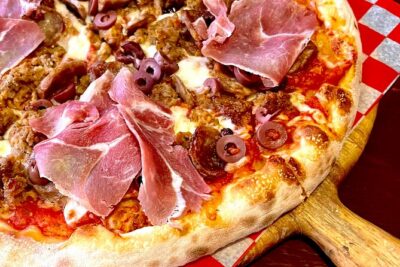
Greenwich Village Food Tour with 6 Locals Favorites Dishes
Read our review →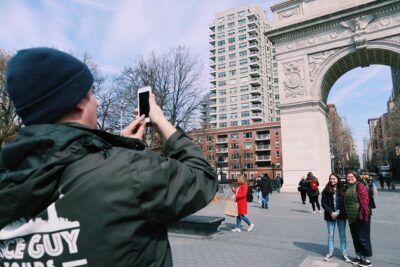
Greenwich Village Walking and Food Tasting Tour
Read our review →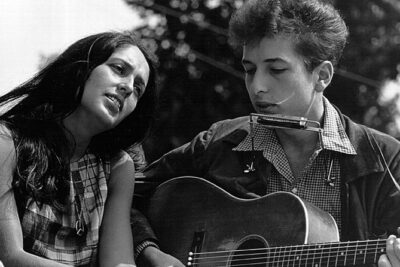
Artistic, Alternative Greenwich Village Walking Tour
Read our review →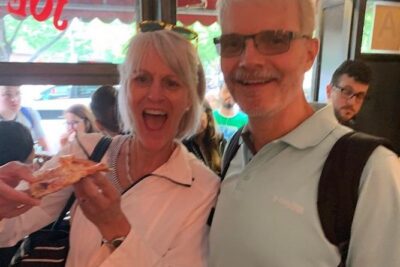
NYC Greenwich Village Italian Food Guided Walking Tour
Read our review →

High Line Park and Greenwich Village Food Tour
Read our review →
Browse the lists this tour appears in