
Reviewed · GILDED AGE MANSION TOURS
Private Tour New York City in the Gilded Age: A History of High Society
New York’s Gilded Age becomes most vivid along Fifth Avenue, where a short stretch of city street once held the mansions of American tycoons, social clubs, museums, and private worlds built on enormous fortunes. This private walk connects the surviving buildings with the grand homes that disappeared, giving you a sharper sense of how old New York worked.
I like the private format, since your guide can adjust the pace and spend more time on the people or buildings that interest you. I also like the guides’ storytelling style, with Dan, Kevin, Sara, John, Richard, Brad, and Jarod all praised for bringing social history, architecture, business, and family rivalries into the walk. The main drawback is simple: nearly all of the tour takes place outdoors, and you generally will not enter the mansions or museums discussed.
Key points to know before you book
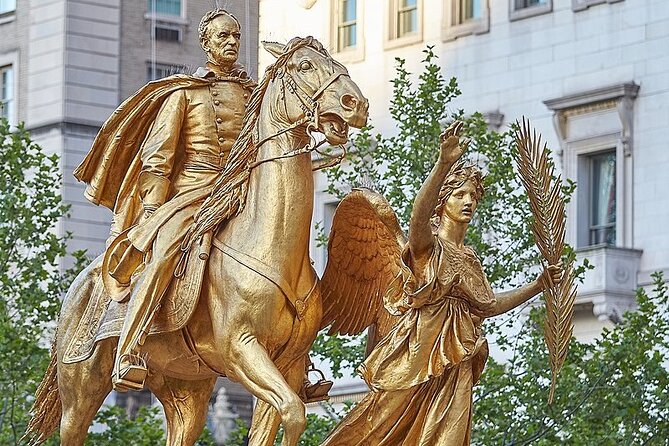
- Fifth Avenue is the main stage: You begin near the Sherman Monument, at the point where the avenue shifts from commercial blocks to grand residential architecture.
- Vanished mansions matter as much as surviving ones: Your guide uses the present-day street to explain homes and buildings that no longer exist.
- Private means flexible: The pace can be adjusted for your group, which helps on a chilly, hot, rainy, or slow-moving day.
- The stories reach beyond architecture: Expect tycoons, social rank, art collecting, business power, and the families who shaped New York society.
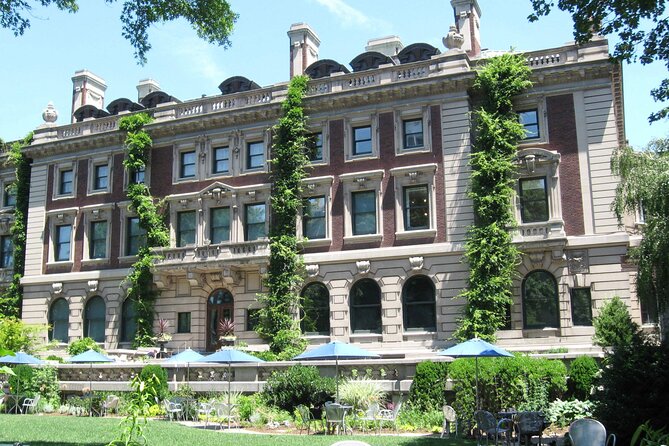
- The walk ends near Cooper Hewitt: The published endpoint is in front of the Cooper Hewitt, Smithsonian Design Museum at 2 East 91st Street.
- Plan for weather: Wear comfortable shoes and dress for the forecast. There is little indoor shelter during the tour.
Fifth Avenue before the skyscrapers took over
The tour starts at the General William Tecumseh Sherman Monument near Central Park South. This is a smart starting point because it places you at the divide between Fifth Avenue’s commercial and residential sections.
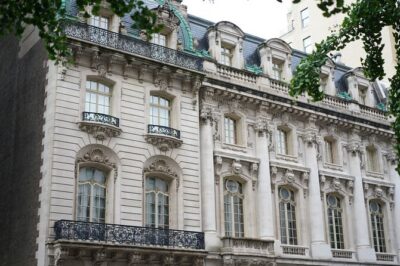
From here, the guide sets up the basic story: in the late 19th century, Fifth Avenue became the address of choice for families whose fortunes came from railroads, steel, banking, retail, publishing, and industry. Their houses were not modest city homes. They were urban palaces, designed to signal wealth, taste, family importance, and social ambition.
You will walk north while your guide points out what remains and what has vanished. That contrast is central to the tour. New York changed quickly, and many Gilded Age mansions were demolished for apartment buildings, offices, stores, or later cultural institutions. The city you see today is partly a museum of survival and partly a map of loss.
I find this more useful than a simple mansion-spotting walk. It helps you picture the scale of the vanished avenue. A building may look elegant today, but the guide can explain how it once related to an entire row of private homes, carriage entrances, servants’ quarters, clubs, and elite social rituals.
More Gilded Age Mansion Tours:
- Gilded Age Mansions Tour in New York
★ 5.0 · 980 reviews - NYC: Gilded Age Mansions Guided Tour
★ 4.8 · 374 reviews - Fifth Avenue Gilded Age Mansions Walking Tour
★ 5.0 · 280 reviews
How a private guide changes the walk
At $150 per person, this is not the inexpensive way to see Fifth Avenue. The price makes the most sense for a small group that wants a focused, conversational experience rather than a standard walk with a fixed script.
The private setup is the real value. Your group is the only group participating, so the guide can slow down for questions, move more quickly when the weather turns sour, or place more emphasis on architecture, family stories, art, or social customs. One guide adjusted the pace for a group that included older adults, and other outings continued despite rain or cold weather.
The two-hour length is also well judged. It is long enough to create a clear story but short enough to fit before a museum visit, lunch, or another Upper East Side plan. You will be walking and stopping repeatedly, so the time feels active rather than like a seated lecture.
The tradeoff is that a private tour depends heavily on the individual guide. Names associated with particularly strong outings include Dan, Kevin, Sara, John, Richard, Brad, and Jarod. Dan is often described as entertaining and quick with historical details. Kevin is praised for connecting architecture with business, society, books, movies, and television. Sara is known for making the subject accessible, while John kept a steady pace for a group of retirees.
The people behind the marble facades
The best part of the experience is not simply seeing expensive buildings. It is learning why the people inside them mattered and how they used wealth.
Gilded Age New York was shaped by a small number of families who competed for social position as fiercely as they competed in business. A mansion could function as a calling card. Its size, materials, art, location, and entertaining rooms all sent a message.
Your guide explains the social machinery behind the facades: who was admitted, who was excluded, which families married into which circles, and how a new fortune tried to gain acceptance among established names. These details turn Fifth Avenue into more than a pretty street. You begin to see it as a carefully managed stage.
The stories also show the limits of the era’s glamour. Great fortunes could buy land, architects, art, servants, and political access, but social approval was harder to purchase. The guide’s job is to connect personal ambition with the larger growth of New York.
This is also where the tour works well for people who have watched HBO’s The Gilded Age. The series is not required, but familiarity with its world can help you picture the vanished interiors, formal calls, elaborate dinners, and strict social codes. If you have not seen it, you will still get the essential setting and characters.
Mansions that disappeared, and what replaced them
A major strength of this walk is its attention to buildings that no longer exist. New York can be frustrating for anyone hoping to see a continuous row of original Gilded Age mansions. Much of that private architecture was lost, and only a few major traces remain.
That loss is not treated as a footnote. It becomes part of the story. Your guide can point to modern buildings and explain what stood there before, who owned it, and why it disappeared. This makes the city feel layered. The present street is only the latest version of the avenue.
If you need to enter grand rooms and see original interiors, this tour may disappoint. The experience is mainly about exterior views, spoken history, and imagination. You should not book it expecting access to every mansion, club, or museum on the route.
Still, the absence of interiors gives the guide room to explain the broader picture. You learn how large the homes were, how they related to the sidewalk, and why their demolition changed the character of Fifth Avenue. In some ways, the lost buildings are the most memorable part because you must reconstruct them in your mind.
More Historical Tours in New York City:
- New York City: American Museum of Natural History Ticket
★ 4.5 · 15,447 reviews - NYC: Starship Landmark 90 Minute Sightseeing Cruise
★ 4.6 · 3,666 reviews - Starship Landmark 90 Minute Sightseeing Cruise
★ 4.5 · 2,073 reviews - American Museum of Natural History Admission Ticket
★ 4.0 · 1,931 reviews
Museums, clubs, and the culture of collecting
The route also links Fifth Avenue’s private wealth with New York’s public culture. This was the age when wealthy families began collecting art on a scale that could shape entire institutions.
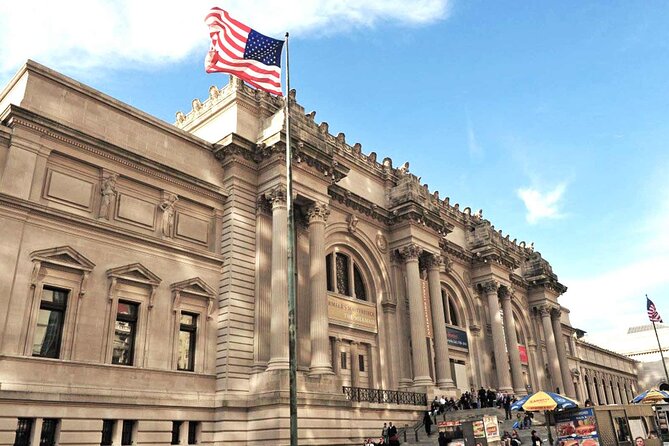
One stop is described as home to the greatest art collection in the Western Hemisphere, pointing to the Metropolitan Museum of Art and the role of wealthy patrons in building its holdings. The museum’s presence helps explain an important shift: fortunes that once produced private mansion rooms could later support public museums and cultural organizations.
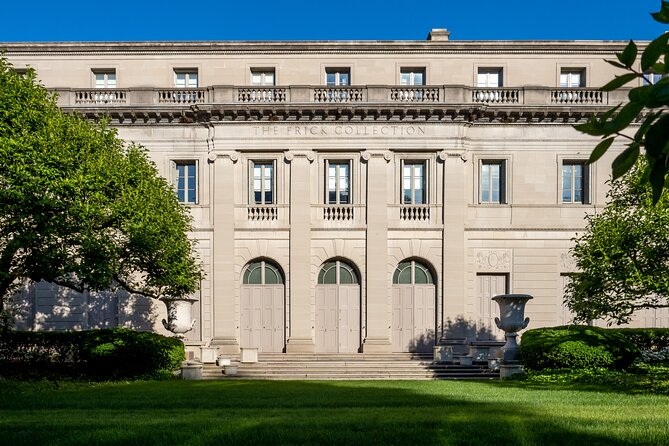
The walk also passes areas associated with fine art museums and cultural institutions. Your guide places them within the same story as the mansions. Art was not only decoration. It was proof of taste, education, travel, and cultural authority.
You will also hear about social clubs and elite addresses. These spaces mattered because society did not happen only at home. Clubs gave powerful men places to meet, form alliances, exchange information, and reinforce their standing. The guide connects these institutions to the private homes and public museums along the avenue.
Do not expect extended time inside the Metropolitan Museum or Cooper Hewitt. The focus is the street and the history around it. If you want to visit a museum afterward, the end of the tour gives you a convenient starting point.
Central Park as part of the story
Central Park is more than a pleasant backdrop here. Its creation helped make the northern stretch of Fifth Avenue attractive to wealthy families and institutions.
The park offered open space, clean air, formal views, and a sense of distance from the crowded commercial city farther south. That helped the avenue become a desirable residential address. As you walk, the guide can show how park access, property values, social ambition, and urban planning worked together.
Some versions of the outing have included a return through Central Park, but the stated endpoint is in front of Cooper Hewitt on East 91st Street. Treat the park as part of the setting rather than a guaranteed separate walking segment.
The park also affects the practical side of the tour. The route can be pleasant in good weather, but wind, rain, heat, or cold will shape your comfort. One group found the pace manageable in chilly weather, while another was reminded to dress properly because there is little chance to get indoors.
Reaching Cooper Hewitt and the Upper East Side
The walk ends at the Cooper Hewitt, Smithsonian Design Museum, 2 East 91st Street. This is a useful endpoint because you finish in the Upper East Side, near a cluster of cultural institutions and Central Park.
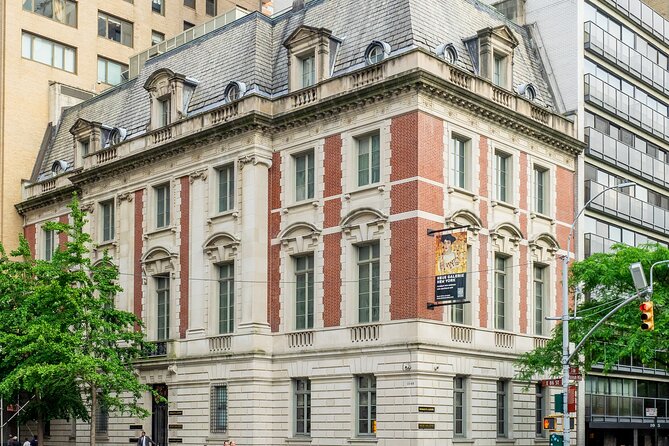
The museum itself is presented as a former mansion of an iconic American magnate, which gives the ending a strong architectural connection to the tour’s main theme. You can look at the building as both a historic residence and a modern museum, a neat example of how elite private spaces have been reused for public culture.
The endpoint also makes planning easy. You can continue to the museum if you have admission and time, explore nearby institutions, walk into Central Park, or use public transportation. One account placed the end near the Metropolitan Museum, but the published meeting information identifies Cooper Hewitt as the official final stop. Confirm the exact endpoint with the provider if your schedule depends on it.
Do not expect a guided museum tour at the end. The experience finishes outside Cooper Hewitt. The guide may explain the building and its significance, but the museum visit itself is separate.
What the guides do especially well
The strongest guides bring several subjects together without making the walk feel like a classroom lecture. You may hear about architecture in one minute, family rivalry in the next, then business, art, or New York politics.
Dan is repeatedly described as warm, entertaining, and full of facts. He also adjusted the pace during very cold conditions. Kevin receives especially strong praise for linking architectural details with social and business history, and for offering useful recommendations related to books, television, and film.
Sara is praised for making the period feel immediate. John’s steady pace worked well for retirees, while Richard helped local residents see their Upper East Side neighborhood in a new way. Brad and Jarod were also described as engaging and well prepared.
Guide assignments can vary, so you may not receive a specific person unless the provider confirms one. The important point is that the private format lets a good guide respond to your interests instead of delivering a one-size-fits-all talk.
Price, pace, weather, and practical planning
The cost is $150 per person, with group discounts available. For one or two people, that is a meaningful expense. For a family or group splitting the cost of a private guide, it can be a better value than booking several separate activities.
The tour is offered in English and includes a licensed guide plus the private personalized walk. Gratuities are not included, so plan for that separately if the service meets your expectations.
Wear comfortable walking shoes. The route lasts about two hours, and you will spend most of that time outside on city sidewalks. Bring layers in cold weather, protection from rain when needed, and water during hot conditions.
The meeting point is the General William Tecumseh Sherman Monument at 764 Doris C. Freedman Place. It is near public transportation, and confirmation is provided at booking. Service animals are allowed, and the activity is listed as suitable for most people, but anyone with mobility concerns should ask about the day’s exact route and stopping pattern.
Free cancellation is available up to 24 hours before the start time. Changes or cancellations made inside that window are not accepted for a refund.
Who should book this Fifth Avenue history walk
I would choose this tour if you enjoy city history, architecture, old wealth, museums, and stories about the people behind famous addresses. It is also a strong choice for repeat visitors and New York residents who have walked Fifth Avenue many times but want to understand what used to occupy the blocks.
Families can make good use of the private format because the guide can adjust the pace and explain the period to different ages. The subject worked for a group that included a 16-year-old, a history enthusiast, and adults with different interests.
I would hesitate if you want extensive indoor access, original mansion interiors, or a museum tour. You will see buildings from the outside and hear about places that cannot be entered. The tour rewards curiosity and imagination more than a checklist of rooms.
Should you book it?
Book this private Gilded Age tour if you want the stories behind Fifth Avenue rather than only its polished facades. The best reason to go is the combination of vanished mansions, living museums, Central Park views, elite clubs, and personal stories about the people who built New York’s upper-crust world.
Skip it if you need a low-cost group walk or guaranteed indoor stops. Otherwise, $150 per person is fair for a private two-hour experience, especially when you can request a pace that suits your group and ask the guide to focus on art, architecture, business, or society. Dress for the weather, expect no regular mansion access, and let the street itself become the museum.
FAQ
How long does the private Gilded Age tour last?
The tour lasts approximately two hours.
How much does the tour cost?
The listed price is $150 per person. Group discounts are available.
Is this a private tour?
Yes. Only your group participates in the activity.
What language is the tour offered in?
The tour is offered in English.
Where does the tour begin?
It begins at the General William Tecumseh Sherman Monument, 764 Doris C. Freedman Place, New York, New York 10019.
Where does the tour end?
The published endpoint is in front of the Cooper Hewitt, Smithsonian Design Museum at 2 East 91st Street, New York, New York 10128.
Does the tour include entry to the mansions or museums?
No admission tickets are included. The tour focuses on the streets, exterior architecture, historical explanations, and stories connected with the buildings and institutions.
Can I cancel for a full refund?
Yes. You can cancel at least 24 hours before the experience start time for a full refund. Cancellations or changes made less than 24 hours before the start time are not accepted.
Recently added in New York City
- Private Tour: Niagara Falls Day Trip from New York City★ 4.0 · 4 reviews
- Private Tour of Historic Lower Manhattan and the Financial District NYC★ 5.0 · 6 reviews
- Private Tour: Personal Travel Photographer Tour in New York★ 5.0 · 24 reviews
- New York Private Food Tour with 6+ Tastings in Greenwich Village★ 5.0 · 107 reviews
- Brooklyn, Queens, and the Bronx Private Tour with a Driver-Guide★ 4.5 · 8 reviews
- Private Walking Tour: 5th Avenue and the Gilded Age Mansions★ 5.0 · 4 reviews
- Private Tour Alexander Hamilton and the Founding Fathers New York City★ 5.0 · 23 reviews
- Private Tour of Soho, Chinatown, and Little Italy★ 4.5 · 24 reviews
Gilded Age Mansion Tours, compared.
Fifth Ave Gilded Age Mansions Guided Walking Tour
Read our review →
Fifth Avenue Gilded Age Mansions Private Guided Walking Tour
Read our review →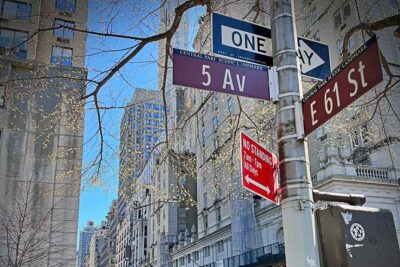
A Gilded Age Audio Guide: New York’s Millionaire Row
Read our review →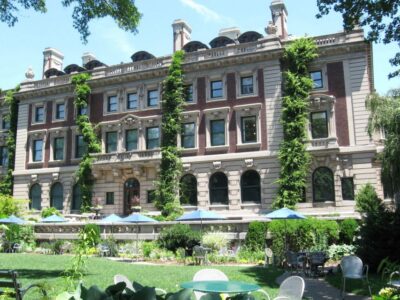
New York, Private Tour: New York in the Gilded Age
Read our review →
Private Walking Tour: 5th Avenue and the Gilded Age Mansions
Read our review →Browse the lists this tour appears in