
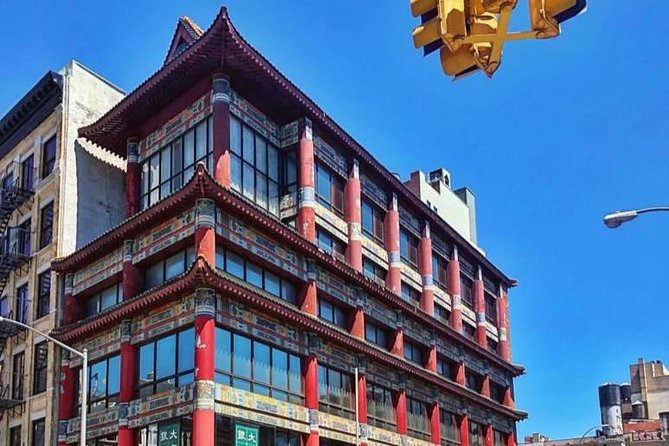
Reviewed · LITTLE ITALY AND CHINATOWN TOURS
3 New York Neighborhoods Semi-Private Tour : SoHo, Chinatown and Little Italy
SoHo’s cast-iron facades, Little Italy’s old food shops, and Chinatown’s narrow streets fit into one compact walk on this $39 semi-private tour. You get a useful first look at three very different parts of Lower Manhattan without spending half a day figuring out the route yourself.
I like the small group limit of 15, which makes it easier to ask questions, and I like the mix of grand architecture and ordinary neighborhood life. Guides such as Francesca, Patrick, Claire, Josh, and Thomas have brought strong local stories to the walk. The main drawback is pace: you cover a lot in about two hours, and the amount of information can depend heavily on your guide.
Key points at a glance
- Three neighborhoods in one walk: SoHo, Little Italy, and Chinatown each bring a different chapter of New York.
- Look up in SoHo: Cast-iron buildings, Greene Street, and the Haughwout Building explain how this district changed.
- Food history without a meal included: Ferrara Bakery, Piemonte Ravioli, Alleva Dairy, and Dominique Ansel Bakery are sights, not guaranteed tasting stops.
- The group stays small: A maximum of 15 people gives the walk a more personal feel than a large city tour.
- Doyers Street adds a darker story: The so-called Bloody Angle brings Chinatown’s past into sharp focus.
- Wear proper shoes: You will walk on city streets in rain or shine, with no transportation between stops.
Why this compact Lower Manhattan walk works
This tour is useful because the three neighborhoods sit close together but feel quite different. SoHo is known for elegant old buildings and high-end shopping. Little Italy carries traces of an older Italian American district. Chinatown brings Chinese cultural history, restaurants, shops, and a very different street rhythm.
I like the way the route moves through these areas on foot rather than treating them as isolated photo stops. You see how one neighborhood gives way to another, and you get a basic sense of how immigration, business, architecture, and changing rents shaped downtown Manhattan.
The format also suits a first visit. You do not need to research which streets matter or why a plain-looking building deserves attention. A good guide can point out details that are easy to miss, then leave you with enough time to return later on your own.
Still, keep your expectations in check. This is an overview, not a full architectural survey or a food tour. Food and drinks cost extra, vendors are not guaranteed, and the tour does not promise extended indoor visits. The experience depends on the guide’s energy and command of the material. The strongest feedback has singled out guides such as Francesca, Patrick, Luke, Efraim, Thomas, and Claire, while one less successful outing suffered from a guide who gave too little factual detail.
More SoHo Tours:
- SoHo, Little Italy, and Chinatown Walking Tour in New York
★ 5.0 · 3,153 reviews - NYC: SoHo, Little Italy, and Chinatown Guided Tour
★ 4.7 · 614 reviews - SoHo, Little Italy, and Chinatown 2-Hour Guided Walk
★ 4.6 · 566 reviews
Starting at Duarte Square and heading into SoHo
The meeting point is at Duarte Square near the Avenue of the Americas, Canal Street, and Grand Street. The start time is 12:30 pm, and you should arrive 15 minutes early. The group leaves promptly, with no refund if you miss the departure because you are late.
The first major section is SoHo, allotted about 45 minutes. That is enough time to get a good orientation, hear about the district’s buildings, and pause at several important corners. It is not enough for a slow shopping trip or a detailed look inside every building.
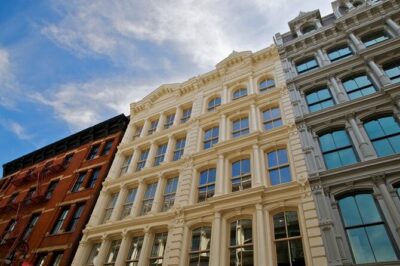
SoHo is especially rewarding if you enjoy city architecture. The area’s cast-iron fronts and old commercial buildings give it a look unlike most other parts of Manhattan. Greene Street is highlighted as one of the neighborhood’s most interesting streets, and the Haughwout Building is presented as an early ancestor of the modern New York skyscraper.
The guide may also use historic photographs on an iPad to show how streets and buildings looked in earlier periods. This can make the architectural story easier to follow, though one report noted that a cracked screen made the images hard to see. That is a small detail, but it matters when the guide is relying on visual comparisons.
Dominique Ansel Bakery is another SoHo stop. It is associated with the Cronut, the pastry that helped make the bakery famous. You may get a quick look or a short explanation, but the tour does not include food, and vendors are not guaranteed. If trying a pastry is important to you, plan to return independently and budget extra time.
SoHo’s old buildings and new identity
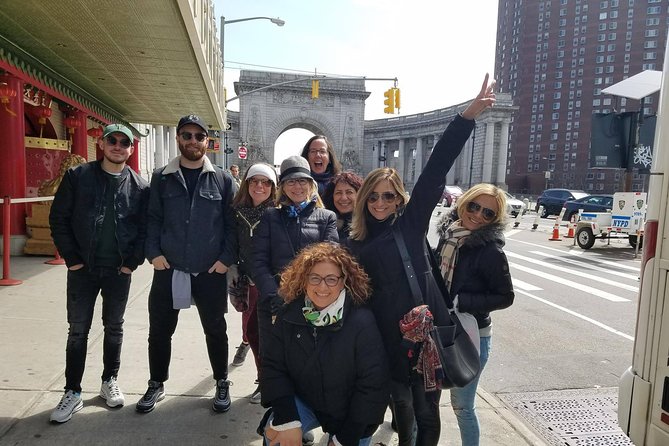
The most useful part of SoHo is the contrast between its past and present. The grand facades now frame fashion stores, galleries, bakeries, and restaurants. Your guide can help explain why the area is considered one of New York’s more exclusive districts today, while also drawing attention to its earlier commercial and industrial character.
This is where guide quality matters most. A guide who explains architecture clearly can turn a walk past a handsome facade into a lesson about changing city design. A guide who focuses mainly on long anecdotes may leave you wanting more facts about the buildings themselves.
I would pay close attention to the Haughwout Building and Greene Street. They are the kind of places you can pass without knowing why they matter. Even if you are not an architecture fan, the stops give SoHo more substance than a simple shopping stroll.
Little Italy through food shops and old stories
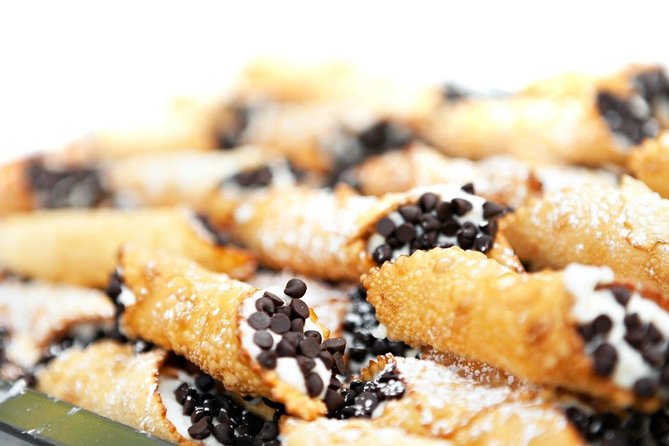
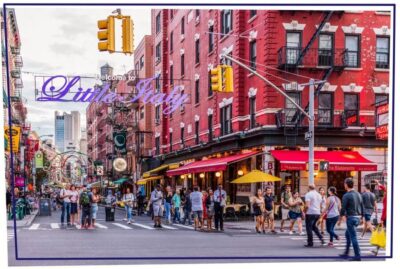
The walk continues into Little Italy, with about 25 minutes listed for the neighborhood itself. The route also includes food-related stops such as Ferrara Bakery and Cafe, Piemonte Ravioli, and Alleva Dairy.
Ferrara is described as Little Italy’s oldest sweet shop. Piemonte Ravioli is a pasta shop opened in 1920. Alleva Dairy is presented as America’s oldest cheese shop. These businesses give the area a physical link to its Italian food traditions, even as the neighborhood has changed over time.
The tour does not include tastings, and food vendors are not guaranteed. That is important. You can enjoy the history without spending more, but you should not book this expecting a progressive lunch with samples at every stop.
I like the food-shop angle because it gives you practical ideas for a later visit. Francesca, who is from Rome, has been praised for offering an interesting perspective on Little Italy and for recommending locally owned shops selling marinara sauce and homemade pasta. Her background is not guaranteed on every departure, but it shows how the right guide can add a useful personal layer to the neighborhood story.
Da Gennaro brings a more dramatic element. The stop is tied to the site of an infamous Mafia hit. This is a quick look rather than a full crime-history program, but it adds another side to Little Italy beyond restaurants and cannoli.
The Old Police Headquarters is also part of the route. Admission is not included, and the tour appears to treat it as an exterior point of interest. As with several other stops, you should expect explanation and context rather than a long interior visit.
More Little Italy and Chinatown Tours:
- NYC: Chinatown & Little Italy Food Tour with 7 Flavorful Tastings
★ 5.0 · 2,733 reviews - Original NYC Guided Food Tour of Chinatown and Little Italy
★ 5.0 · 2,194 reviews - NYC: Chinatown and Little Italy Food Tour
★ 4.7 · 703 reviews - SoHo, Little Italy, and Chinatown NYC Guided Walking Tour
★ 5.0 · 443 reviews
Chinatown, from a Buddhist temple to Doyers Street
Chinatown receives about 35 minutes on the route, followed by short stops and a final visit toward Columbus Park. The Mahayana Buddhist Temple is described as New York’s largest Buddhist temple, and the visit is listed at about five minutes.
That short timing tells you what kind of stop this is. You may get an introduction and a quick look, but do not count on a lengthy temple visit or a guided religious presentation. One assessment found the temple interior disappointing, so keep expectations modest. Its value here is as a quick marker of Chinatown’s cultural life.
Doyers Street is one of the more memorable stops. Known as the Bloody Angle, it has a reputation tied to old gang conflicts and a violent past. The short stop works well because the street itself is compact, and the story gives you a reason to notice its unusual shape and atmosphere.
The route also points out Chinatown’s oldest dim sum restaurant, although the supplied information does not promise a meal or tasting there. Again, think of this as a neighborhood introduction. If you want dim sum, dumplings, or other Chinese food, you will need to arrange that separately.
Columbus Park is the ending area. It is a lively public park and a useful place to finish because it gives you a chance to see local daily life rather than only commercial streets. The tour ends in Chinatown near Columbus Park, not back at the starting point.
What the small group changes
A maximum of 15 people is one of the tour’s best features. In a group this size, you can usually hear the guide more easily, ask a question without interrupting a crowd, and stay connected when crossing busy streets.
The semi-private label does not mean you get a private guide. Other people will be on the walk, and the exact group size can vary. It does mean the experience should feel less crowded than a large bus or mass walking tour.
Several guides have been praised for making a point of interacting with each person. Thomas, for example, has been described as especially personal and engaged. Claire, Josh, Luke, Efraim, Alex, and others have also been noted for clear explanations, good pacing, and enjoyable stories.
There is a real tradeoff here. The route is likely supported by a standard set of points and stories, but delivery can vary. One guide received criticism for spending too long on a single anecdote and not providing enough architecture or history. If you want a tightly academic tour, this may feel uneven. If you prefer a relaxed walk with room for questions, the format is more appealing.
Timing, walking, and the real value of $39
At $39 per person, the tour offers fair value if you want orientation and context rather than admission tickets. Most of the stops are free to view from the street, so you are paying mainly for the guide, the route, and the stories that connect the places.
The advertised duration is about two hours. The listed stop estimates add up to more than that, so treat those figures as route markers and approximate attention times rather than a promise that every stop receives a full, separate visit. The walk includes many brief pauses, and the overall experience is designed to keep moving.
You should be comfortable walking for the full outing. Wear sneakers or another pair of supportive shoes. The tour runs in rain or shine, so check the weather and dress accordingly. On a hot day, shade may be limited when the group stops to listen, and one outing was less comfortable because of the heat.
There are no guaranteed bathroom breaks. Keep that in mind before meeting at Duarte Square. The route is near public transportation, but you are responsible for reaching the start and getting away from the Chinatown finish.
For a first visit to Lower Manhattan, $39 can save you time and help you decide where to return. If you already know these neighborhoods well and want long interior visits or a full meal, the value is weaker.
Who will enjoy this walk most
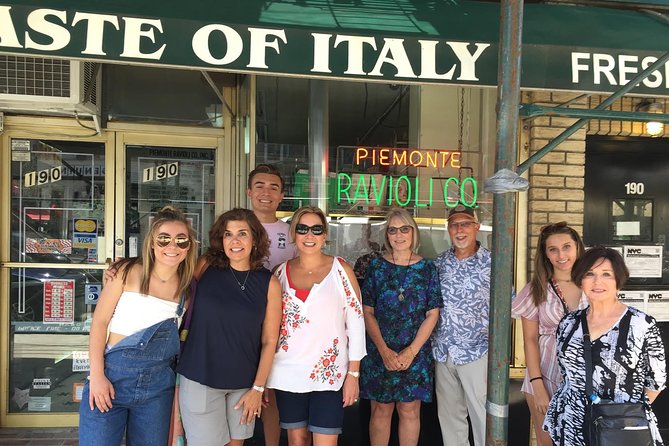
I would recommend the tour to first-time visitors who want a fast introduction to downtown neighborhoods. It also works for repeat New York visitors who have seen Midtown and the major landmarks but have never spent time in this part of the city.
Families can manage it if children are used to walking. Anyone under 18 must be with an adult at least 21 years old. A child who enjoys stories about buildings, food, and city life may find the route engaging, but the tour does not offer a special children’s program.
The walk also suits people who like choosing their own food stops later. You can note Ferrara, Piemonte Ravioli, Alleva Dairy, or Chinatown food options during the tour, then return when you have more time. Since food is not included, you control the cost.
I would think twice if you have limited mobility, dislike city walking, or need a highly predictable schedule. Most people can participate, and service animals are allowed, but the experience involves a good amount of walking and may change route during marches, parades, or other events.
Booking details worth knowing

The tour is offered in English and includes a mobile ticket. An audio guide that translates the tour is not included, so English comprehension is important.
Free cancellation is available up to 24 hours before the start time. Changes or cancellations made inside that window are not refunded. The provider may cancel after confirmation if too few people book, in which case you are offered another date or a full refund. Dangerous weather can also lead to a new date or full refund.
The tour is commonly booked about a month ahead, with an average lead time of 32 days. That suggests you should reserve ahead if your New York dates are fixed, especially if you want a midday activity on a particular day.
Should you book the SoHo, Little Italy, and Chinatown tour?
Book it if you want a compact, affordable introduction to three Lower Manhattan neighborhoods, especially on your first day downtown. The small group, central route, and range of subjects make it a useful way to get your bearings before returning for shopping, food, or longer independent visits.
The best departures seem to come from guides who combine facts with warmth, such as Francesca, Patrick, Claire, Thomas, Luke, and Efraim. The weaker experience comes when stories run long or the guide gives too little detail about the buildings and local history.
I would book this as an overview, not as a food tour, temple tour, or full architectural study. Bring comfortable shoes, arrive early, keep lunch plans separate, and expect the guide to shape much of the experience. If that sounds right, $39 is a sensible price for a focused walk through a fascinating corner of New York.
FAQ
How long does the tour last?
The tour lasts approximately two hours.
Where does the tour start?
It starts at Duarte Square near the Avenue of the Americas, Canal Street, and Grand Street in New York City.
Where does the tour end?
The tour ends in Chinatown near Columbus Park.
What time should I arrive?
The tour starts at 12:30 pm. You should arrive 15 minutes early because the group departs promptly.
Is food included?
No. Food and drinks are not included, and food vendors are not guaranteed during the walk.
How many people can join the tour?
The group has a maximum of 15 participants.
Recently added in New York City
- #1 Six Hour Bus Tour and Boat Ride By The Statue of Liberty★ 4.7 · 6 reviews
- Harlem: Mount Morris Gospel Tour with Brunch★ 4.5 · 111 reviews
- NYC: Greenwich Village Comedy Club Stand Up Comedy Show★ 3.6 · 38 reviews
- Stand Up Comedy LIVE in Times Square At Broadway Comedy Club★ 3.5 · 56 reviews
- New York Harbor Brunch Cruise★ 4.5 · 106 reviews
- NYC Combo: Statue of Liberty Cruise, St Patrick’s Cathedral & Moma entrance★ 4.0 · 8 reviews
- New York City Superheroes Private Walking Tour★ 5.0 · 103 reviews
- Stand Up Comedy Show + Mini Golf Ticket!★ 5.0 · 64 reviews
Little Italy and Chinatown Tours, compared.
SoHo, Little Italy, and Chinatown Walking Tour in New York
Read our review →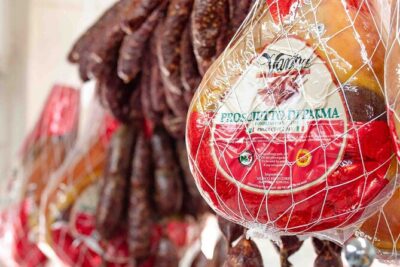
Chinatown & Little Italy Food Tour with 7 Flavorful Tastings
Read our review →
Original NYC Guided Food Tour of Chinatown and Little Italy
Read our review →
SoHo, Little Italy, and Chinatown 2-Hour Guided Walk
Read our review →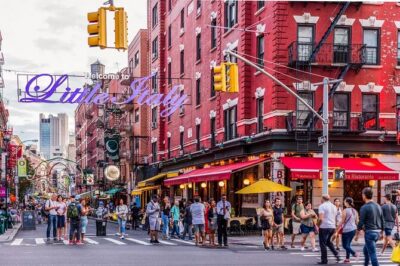
SoHo, Little Italy, and Chinatown NYC Guided Walking Tour
Read our review →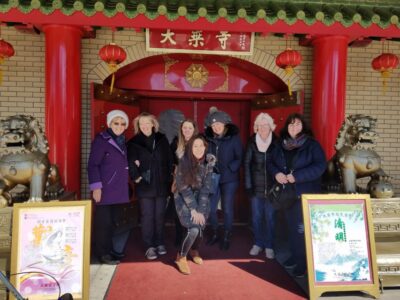
3 Neighborhoods Tour: Soho, Chinatown & Little Italy
Read our review →Browse the lists this tour appears in