
Reviewed · HARLEM TOURS
Harlem guided tour in French
Harlem is one of New York’s best places to understand how music, politics, faith, and daily life can shape a neighborhood. This French-language walking tour connects the area’s African-American cultural roots with its present-day changes, including gentrification and the return of Harlem as one of Manhattan’s fashionable districts.
I like the small group limit of 12, which gives you a better chance to ask questions and keep up with the guide. I also like the range of subjects: gospel, jazz, hip-hop, soul food, street art, and the fight for equal rights all fit into one three-and-a-half-hour walk. The main consideration is that snacks are not included, and the tour requires good weather.
Key points to know before booking
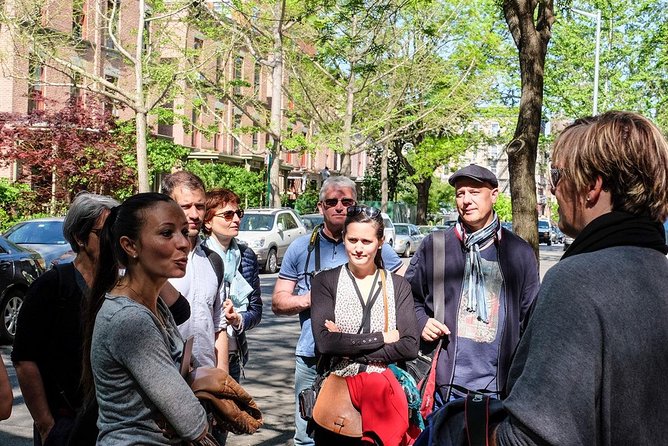
- French-speaking guides: Marie, Guillaume, and Aymeric are among the guides praised for clear explanations, enthusiasm, and a friendly approach.
- Harlem beyond stereotypes: The tour explains how the area moved beyond its troubled reputation in the 1970s while still facing the effects of gentrification.
- A cultural story told through people: Louis Armstrong, James Baldwin, Malcolm X, Sugar Ray Robinson, and Marcus Garvey are among the figures connected with Harlem.
- Small walking group: A maximum of 12 people makes this more personal than a large coach or crowded group tour.
- A useful half-day outing: The tour lasts about 3 hours and 30 minutes, beginning at 321 Lenox Avenue and ending near 602 West 116th Street.
- Strong booking record: The experience has a 5 out of 5 rating from 293 reviews and is recommended by 100 percent of respondents.
Why Harlem makes a strong French-language tour
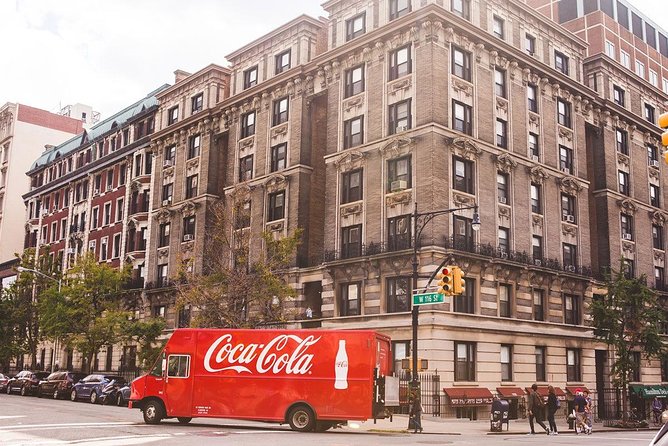
Harlem is not simply a neighborhood to pass through for a photograph. It is a place where American history becomes local and visible. The streets connect the Black church, the Harlem Renaissance, civil rights activism, modern music, and the everyday pressure of rising property values.
That broad frame is what makes this tour useful. You are not being shown isolated sights without context. Instead, the walk is designed to explain how Harlem became a center of African-American culture and why that identity still matters.
I especially like the fact that the tour does not present Harlem as frozen in the past. It covers the neighborhood’s former reputation as a dangerous area in the 1970s, then looks at its later changes. Harlem is now one of New York’s more fashionable districts, but that shift came with gentrification and questions about who can continue to live there.
A French-speaking guide can make these subjects easier to discuss. The guides work in New York and bring a personal connection to the city, while the tour itself remains focused on Harlem’s history and culture. Marie is praised for her strong knowledge of the area, while Guillaume is noted for clear explanations and an open manner. Aymeric is described as bringing both enthusiasm and a strong sense of the neighborhood’s past.
More Harlem Tours:
- NYC Highlights Tour: Bronx, Brooklyn, Harlem, Queens & Coney
★ 4.5 · 2,846 reviews - NYC: Contrasts Tour of Harlem, The Bronx, Queens & Brooklyn
★ 4.5 · 2,167 reviews - NYC: Harlem Hallelujah! Gospel Wednesday Concert
★ 4.7 · 1,638 reviews
Starting on Lenox Avenue
The meeting point is at 321 Lenox Avenue, a practical location in central Harlem. The tour ends at 602 West 116th Street, so you should expect a point-to-point walk rather than a loop that returns to the start.
That matters when planning the rest of your day. You will finish farther north than where you began, so check your plans before booking a tightly timed museum visit or restaurant reservation elsewhere in Manhattan. The end point also puts you in a different part of Harlem, which can be useful if you want to continue exploring on your own.
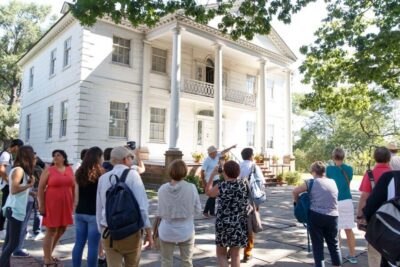
The route is presented as a neighborhood walk, not a formal attraction visit with an indoor program. Most people can participate, and the tour is near public transportation. You should still allow enough time to walk at a steady pace for three and a half hours.
The mobile ticket keeps the arrival process simple. Confirmation is normally sent at booking, although reservations made within two days of departure may take up to 48 hours to confirm and remain subject to availability. That is a small but important detail if your New York schedule is already fixed.
Harlem’s cultural story, from gospel to soul food
One of the tour’s main strengths is the way it treats culture as part of everyday life. Harlem’s identity is expressed through gospel, jazz, hip-hop, soul food, and street art. These are not presented as separate entertainment topics. Together, they help explain how residents created and protected a distinct cultural voice.
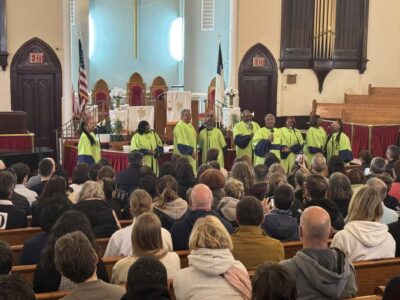
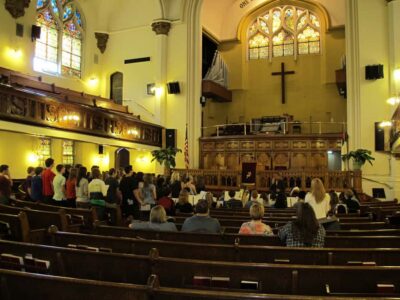
Gospel points toward the importance of Baptist churches and religious life. The tour description refers to churches filled with the force of gospel, making faith an important part of the route’s story. You should not assume that a church service or musical performance is included, since the experience is described as a guided visit rather than a concert. Still, the religious setting provides a useful way to understand Harlem’s community life.
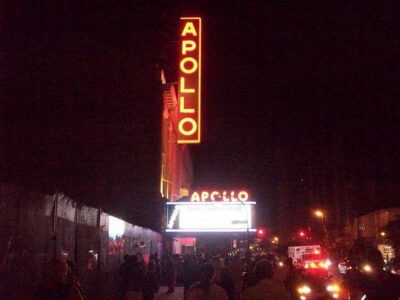
Jazz and soul connect Harlem to the long history of African-American music. Louis Armstrong is one of the major names associated with the neighborhood. Hip-hop and street art bring the story forward, showing that Harlem’s cultural influence did not end with the jazz era.
Soul food adds another practical and human layer. Food can tell you how communities preserve memory, adapt traditions, and create social spaces. Snacks are not included in the tour price, so you should budget separately if you want something to eat before or after the walk.
The people who shaped Harlem
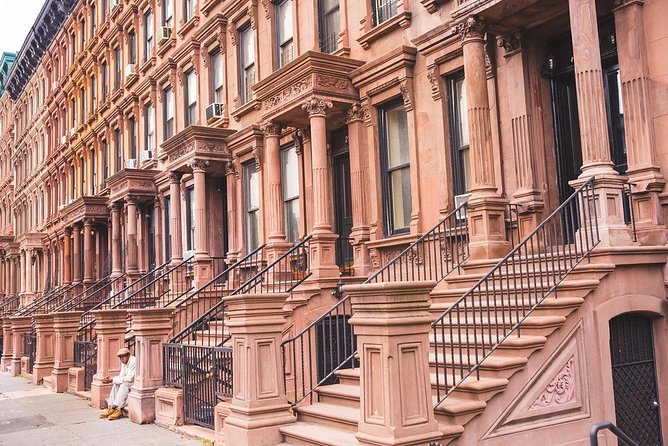
The tour gains depth by connecting streets and institutions with individuals. Harlem has been home to or associated with figures such as Louis Armstrong, James Baldwin, Malcolm X, Sugar Ray Robinson, and Marcus Garvey.
Each name points to a different part of Harlem’s story. Armstrong connects to music. Baldwin brings literature and questions of race and identity. Malcolm X represents political action and the struggle for civil rights. Sugar Ray Robinson links the neighborhood with boxing and athletic achievement. Marcus Garvey points to Black self-determination and international political thought.
This mix is valuable because it avoids reducing Harlem to one famous period or one type of achievement. You get artists, writers, activists, athletes, and organizers. The result is a broader picture of how the neighborhood contributed to American culture and political life.
The guide’s role matters here. Names alone are easy to forget. A good explanation shows why a person mattered, how the person relates to Harlem, and what the neighborhood looked like during that period. Guillaume’s clarity and Marie’s detailed knowledge are especially relevant if you want more than a list of famous residents.
More New York City Tours:
- NYC: SUMMIT One Vanderbilt Tickets
★ 4.7 · 51,195 reviews - NYC: Empire State Building Tickets – Observatory & Museum
★ 4.7 · 25,757 reviews - New York City: Statue of Liberty & Ellis Island with Ferry
★ 4.6 · 18,683 reviews - New York City: American Museum of Natural History Ticket
★ 4.5 · 15,447 reviews
Understanding the civil rights struggle locally
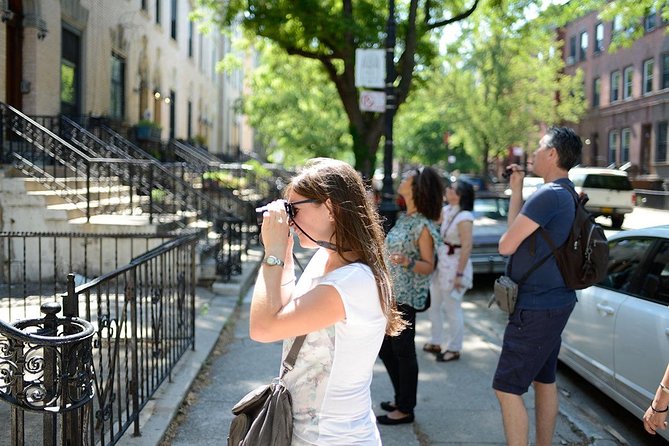
Harlem is a natural setting for learning about the African-American fight for equal rights, but the subject can be handled in shallow ways. This tour appears to make it a central part of the walk rather than a brief historical aside.
That focus is one reason I would recommend the experience to anyone who wants to understand New York beyond its landmarks. The civil rights story is not only about events in the American South. Harlem was an important center of political thought, activism, protest, and community organization.
You can expect the guide to place the neighborhood’s cultural life beside its political struggles. Music, churches, writers, and activists all contributed to the way Harlem expressed its demands for dignity and equality.
The tour is also useful because it encourages you to question simple impressions of the city. One guide is praised for changing the way people see New York and for encouraging them to ask deeper questions. That is a good description of what a thoughtful neighborhood tour should do: give you facts, then help you notice how those facts affect the way you read the streets.
Harlem after the 1970s
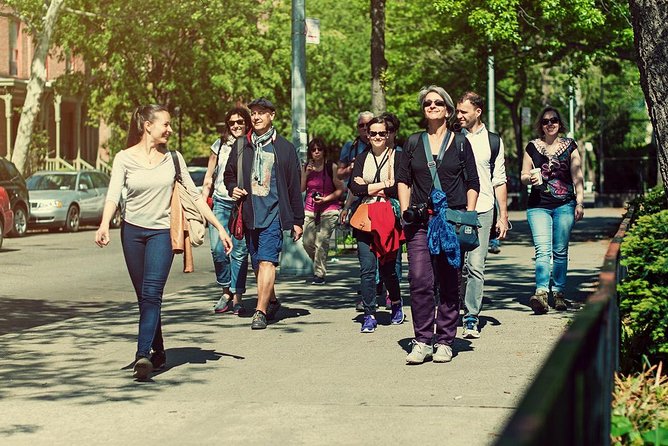
The tour does not portray Harlem as an untouched historic district. It acknowledges that the area is no longer the same ghetto described in accounts of the 1970s. Today, Harlem is one of New York’s more dynamic and fashionable neighborhoods.
That change brings both opportunity and loss. New restaurants, businesses, and property investment can improve streets and services, but gentrification can also make it harder for long-time residents and local businesses to remain. A useful tour should let you see both sides, and this one includes that tension in its story.
I appreciate this balance. A purely celebratory tour might present Harlem as a trendy place for visitors, while a purely nostalgic tour might ignore the neighborhood’s present life. Here, you get a chance to consider how cultural heritage survives as the population, buildings, and commercial scene change.
Do not expect a technical urban-planning lecture. The experience is built around a guided walk and conversation. But if you want to think about the cost of neighborhood change while seeing Harlem itself, this subject adds real value.
What the three-and-a-half-hour format gives you
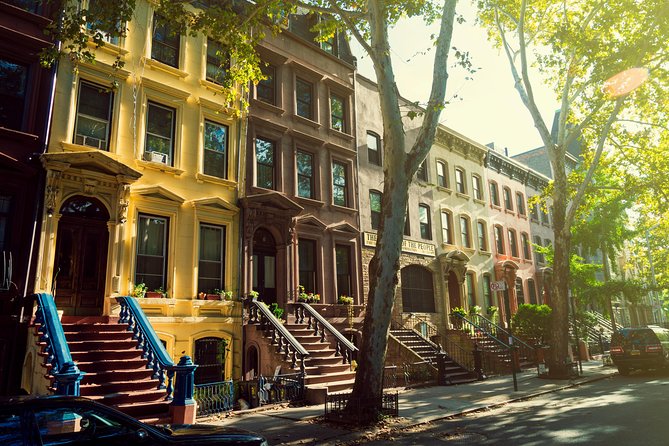
The tour lasts about 3 hours and 30 minutes. That is long enough to build a connected story rather than rush between a few photo stops, but it also takes a meaningful part of your day.
A short Harlem tour might give you a quick introduction and leave you with a few names. This longer format allows the guide to connect music, religion, politics, civil rights, and current change. It also leaves room for questions, which can make a major difference on a subject with so many layers.
The tradeoff is simple: you need to be comfortable walking and listening for several hours. The activity is near public transportation, and most people can participate, but no detailed route information is provided about stairs, seating, or walking surfaces. If you have a mobility concern, ask the provider before booking.
Groups are limited to 12 people. That is small enough to feel more personal, while still large enough to bring different questions and perspectives. Service animals are allowed.
Is the $63.72 price fair?
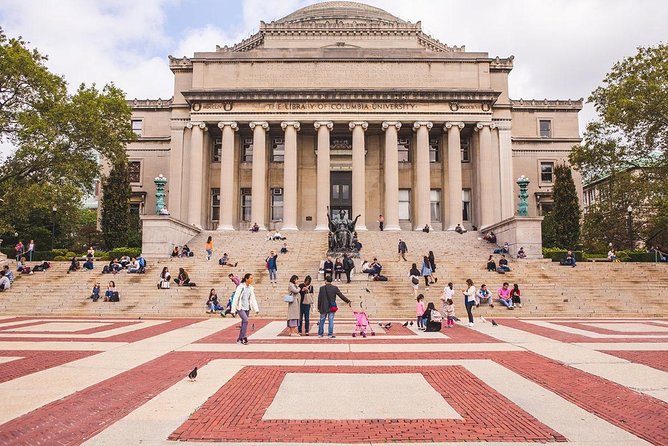
At $63.72 per person, this is not the cheapest way to see Harlem. You are paying for a professional French-speaking guide, a small group, and three and a half hours of interpretation rather than simply being shown a few streets.
I think the price is reasonable if you value context and want the tour in French. Harlem’s story includes sensitive subjects and many historical connections, so clear explanations can be worth more than a quick, low-cost walk.
The value is strongest for visitors who might otherwise see Harlem only through general sightseeing. You are paying for a guided interpretation of the neighborhood’s cultural and political life, not for snacks, admission to a performance, or a meal. Since food is not included, add your own budget for refreshments.
The tour is commonly booked about 42 days ahead. That suggests you should reserve early if your New York dates are firm, especially if you want a particular day or are traveling during a busy period.
Who will get the most from this walk?
I would choose this tour if you want to explore Harlem in French and care about the reasons behind what you see. It suits visitors interested in African-American culture, music, literature, civil rights, religion, and the social effects of gentrification.
It is also a good choice for repeat visitors to New York. If you have already seen the usual Manhattan sights, Harlem offers a different way to understand the city. The tour can add meaning to later visits to churches, music venues, restaurants, or cultural sites, even though those extras are not included here.
Families with older children and teenagers could find the mix of music, sports, politics, and famous personalities approachable. The subject is serious, but it is not limited to academic history.
You may want to skip it if you are looking for a gospel concert, a food tour, or a tour focused on famous buildings alone. You should also think twice if a long walking activity in potentially poor weather would be uncomfortable.
The experience depends on good weather. If conditions force a cancellation, you are offered another date or a full refund. You can cancel for a full refund up to 24 hours before the start time, but cancellations or changes made later are not accepted for a refund.
Should you book the Harlem French tour?
Book it if you want a thoughtful introduction to Harlem, prefer to learn in French, and can give the subject most of an afternoon. The strongest reasons are the small group, the guides named Marie, Guillaume, and Aymeric, and the tour’s effort to connect culture with civil rights and current neighborhood change.
The 5 out of 5 score from 293 reviews and the 100 percent recommendation rate support the idea that the tour delivers what it promises. Still, the decision comes down to your interests. This is a history and culture walk, not a packaged entertainment show.
For a French-speaking visitor who wants Harlem explained by someone who knows New York well, the $63.72 fee is a fair exchange for three and a half hours of guided context. Bring comfortable shoes, plan your transport from the northern end point, and leave room afterward for your own food stop or further exploration.
FAQ
What language is the Harlem tour conducted in?
The tour is conducted in French by a professional French-speaking guide.
How long does the tour last?
The tour lasts approximately 3 hours and 30 minutes.
Where does the tour begin?
The meeting point is 321 Lenox Avenue, New York, NY 10027.
Where does the tour end?
The tour ends at 602 West 116th Street, New York, NY 10027.
How many people can join the tour?
The maximum group size is 12 people.
Are snacks included?
No. Snacks are not included in the tour price.
Is the tour accessible by public transportation?
Yes. The meeting area is near public transportation.
What happens if the weather is poor?
The experience requires good weather. If it is canceled because of poor conditions, you will be offered another date or a full refund.
Recently added in New York City
- #1 Six Hour Bus Tour and Boat Ride By The Statue of Liberty★ 4.7 · 6 reviews
- New York City Superheroes Private Walking Tour★ 5.0 · 103 reviews
- Stand Up Comedy Show + Mini Golf Ticket!★ 5.0 · 64 reviews
- Woodbury Common Premium Outlets Shopping Tour from Midtown★ 4.5 · 92 reviews
- Harlem: Mount Morris Gospel Tour with Brunch★ 4.5 · 111 reviews
- NYC: Greenwich Village Comedy Club Stand Up Comedy Show★ 3.6 · 38 reviews
- Stand Up Comedy LIVE in Times Square At Broadway Comedy Club★ 3.5 · 56 reviews
- New York Harbor Brunch Cruise★ 4.5 · 106 reviews
Harlem Tours, compared.

NYC Highlights Tour: Bronx, Brooklyn, Harlem, Queens & Coney
Read our review →
Contrasts Tour of Harlem, The Bronx, Queens & Brooklyn
Read our review →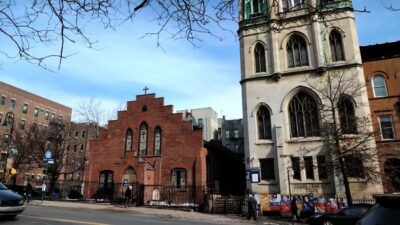
Browse the lists this tour appears in