
Reviewed · NYC WALKING TOURS
TriBeCa Architecture & History Walking Tour
TriBeCa’s big surprise is how much city history fits into a few walkable blocks. This 2.5-hour tour follows the neighborhood from farmland to industrial district to one of New York’s priciest addresses, with stops at the A. T. Stewart Building, Frederick Hotel, Ghostbusters Firehouse, and the hard-to-spot Staple Street sky bridge.
I like the way the walk connects handsome buildings to practical New York stories, including air rights, dry-goods warehouses, and the neighborhood’s role in the fight against slavery. I also like the local advice built in, from affordable brunch spots to photo locations and hidden speakeasies. The main drawback is simple: you are outdoors for the full tour, rain or shine, and the morning schedule may not suit every itinerary.
Key points at a glance
- From farmland to industry: Follow TriBeCa’s change from countryside to a major 19th-century working district.
- Buildings with a story: Learn why the A. T. Stewart Building, Frederick Hotel, converted warehouses, and newer towers matter.
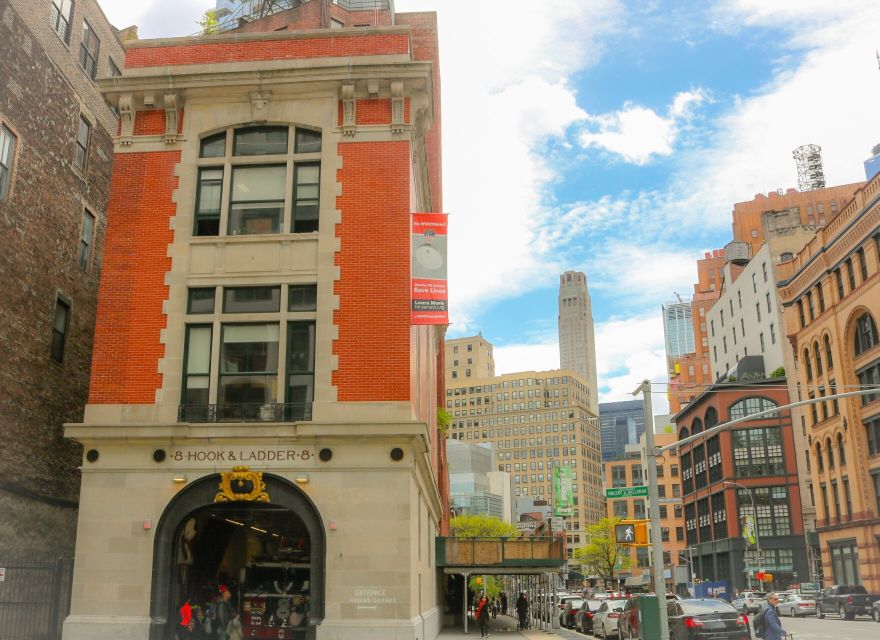
- The Ghostbusters Firehouse: Hear the real story behind one of the city’s most famous film locations.
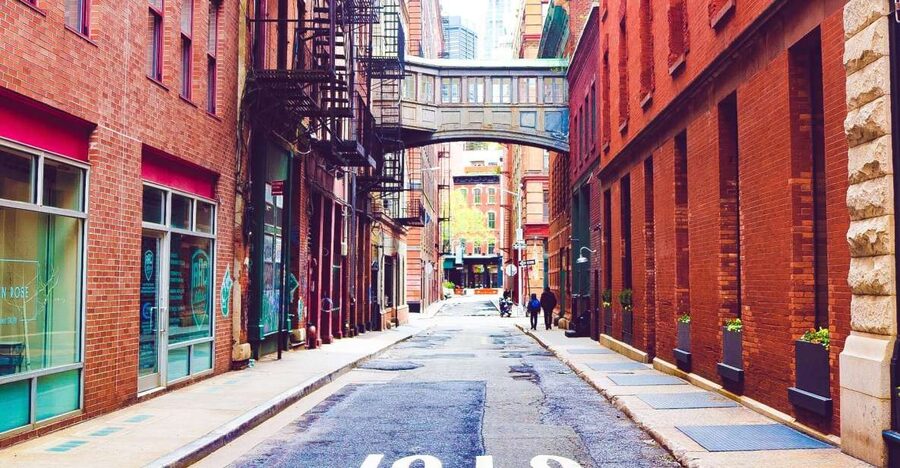
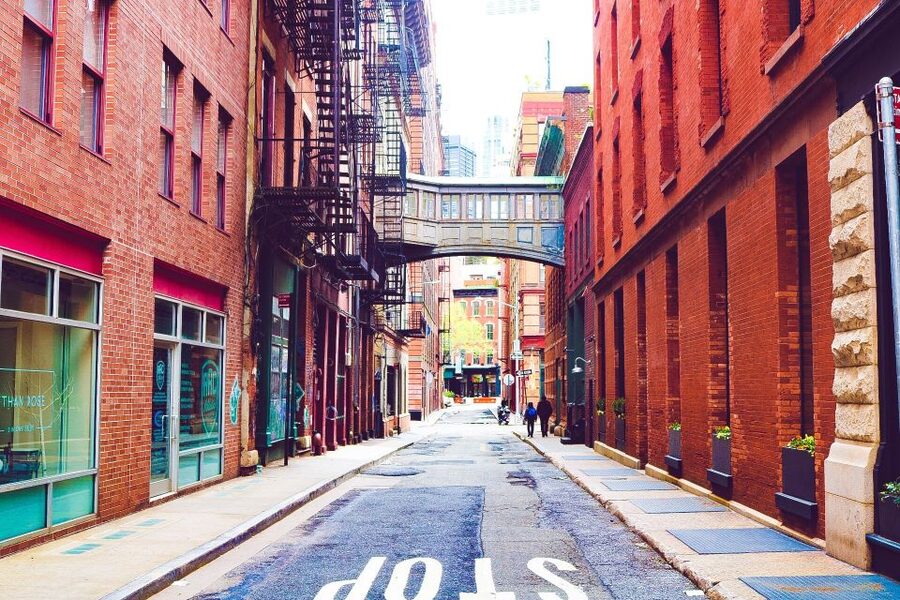
- A tucked-away sky bridge: Find the Staple Street structure, one of TriBeCa’s easiest architectural details to miss.
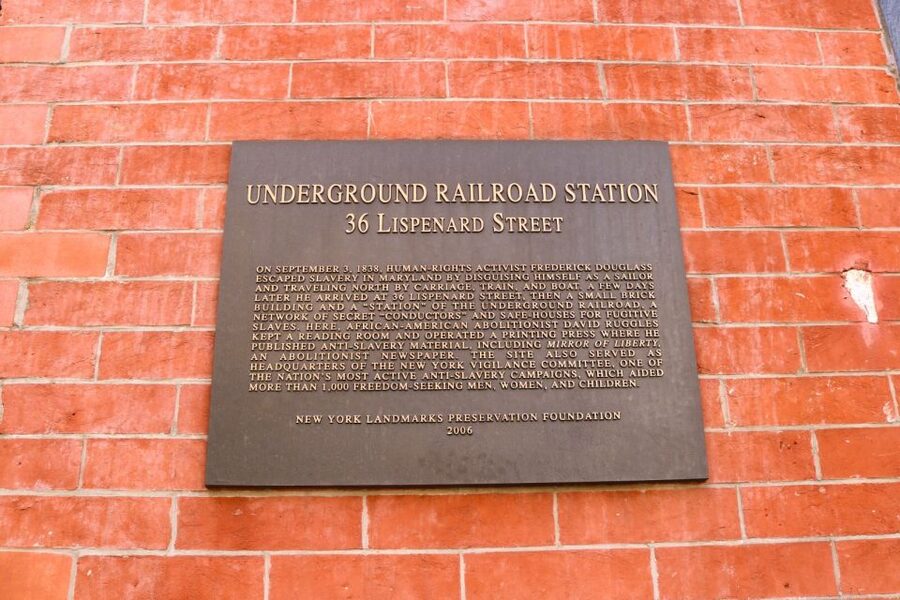
- History beyond the facades: Explore TriBeCa’s lesser-known connection to the 19th-century fight against slavery.
- Practical neighborhood tips: Finish with ideas for brunch, photos, and Manhattan speakeasies.
Why TriBeCa rewards a walking tour
TriBeCa is easy to cross but not easy to read. At street level, you see cobbled sections, old brick facades, loft windows, polished residences, and modern construction. Without context, it can look like a stylish mix of old and new. With a guide, the neighborhood becomes a record of changing work, wealth, technology, and city planning.
The tour starts at TriBeCa’s southern edge and moves north. That direction gives the walk a clear storyline. You are not simply hopping between unrelated sights. You watch the area change as its uses change, from open land to warehouses and commercial buildings, then to expensive homes and contemporary architecture.
This is the sort of experience I would choose after seeing the major sights of Lower Manhattan. You get a close look at a neighborhood rather than another high viewpoint or large museum. The reward is detail: a building line, a bridge overhead, a former warehouse entrance, or a fact about property that you would likely pass without noticing.
More NYC Skyline and Architecture Tours:
- Statue of Liberty & NYC Skyline Cruise – Freedom Liberty Tour
★ 4.0 · 1,499 reviews - Manhattan Architecture Yacht Cruise
★ 5.0 · 1,395 reviews - NYC: Dyker Heights Christmas Lights & Skyline View Bus Tour
★ 4.7 · 1,192 reviews
Meeting near City Hall
The meeting point is marked by a black Metro Tours umbrella, which is useful in a busy part of Lower Manhattan. The nearest subway stations are Brooklyn Bridge City Hall on the 4, 5, 6, J, or Z lines; City Hall on the R or W; and Park Place on the 2 or 3.
Give yourself enough time to reach the umbrella. The tour begins at the southern end of TriBeCa, so arriving late could mean missing the opening explanation and the first part of the neighborhood’s story.
The guide is a New York City certified guide, and Meghan Sara is named in the tour details and repeatedly praised for bringing humor, energy, and clear explanations. Some feedback spells her name Megan, but the guide is identified as Meghan Sara in the activity information. She has covered subjects ranging from architectural styles to air rights, and she makes room for questions.
TriBeCa before the warehouses
The opening section explains a version of New York that is easy to forget. TriBeCa was once farmland, not the dense, high-priced district you see now. The walk then tracks the forces that drew commercial activity south and west through Manhattan.
That change matters because TriBeCa’s streets still carry the shape of its working past. Old commercial buildings were made for storage, trade, and movement of goods. Later, many of those same structures became desirable residences. The tour helps you see that conversion not as a random real-estate trend, but as part of a larger change in New York’s economy.
I find this first section especially useful for visitors who enjoy architecture but do not want a lecture that stays at the level of dates and names. The guide ties design to use. You learn what buildings were built to do, why they looked the way they did, and how their later lives changed the neighborhood.
The A. T. Stewart Building and New York firsts
The A. T. Stewart Building is one of the early anchors of the walk. It connects TriBeCa to the rise of large-scale retail and to the firsts that helped shape modern New York.
You will hear about the building’s place in the city’s commercial story, then use it as a starting point for understanding how New York became more organized around trade, consumer goods, and dense business districts. The value here is not only the facade. It is the link between one building and a broader shift in how the city worked.
The tour also points out other early examples around the neighborhood. That gives the walk a useful rhythm: one stop focuses on a single structure, while the next shows how several buildings fit into the same period of urban growth.
If architectural detail interests you, pay close attention to the guide’s explanation of styles and materials. If you are more interested in everyday city life, focus on the practical side of the story: who used these buildings, what moved through them, and why the area became important.
More NYC Walking Tours:
- SoHo, Little Italy, and Chinatown Walking Tour in New York
★ 5.0 · 3,153 reviews - Secrets of Grand Central Station Walking Tour New York City
★ 5.0 · 1,796 reviews - Greenwich Village Walking and Food Tasting Tour
★ 5.0 · 1,572 reviews - Artistic, Alternative Greenwich Village Walking Tour
★ 5.0 · 971 reviews
The Frederick Hotel and the shape of a growing city
The Frederick Hotel adds another piece to TriBeCa’s story. Hotels helped support a growing commercial district, and this building offers a way to talk about accommodation, business, and movement in a city that was expanding quickly.
The stop also reinforces one of the tour’s strongest themes: TriBeCa contains several New York firsts and early examples in a small area. The guide does not treat the neighborhood as a museum frozen in the past. Instead, you see how buildings were part of a living city, then adapted as the city moved on.
That approach makes the tour more useful than a simple list of landmarks. You begin to understand why a hotel, a warehouse, a retail building, and a residence can all belong to the same neighborhood story.
From dry-goods warehouses to costly homes
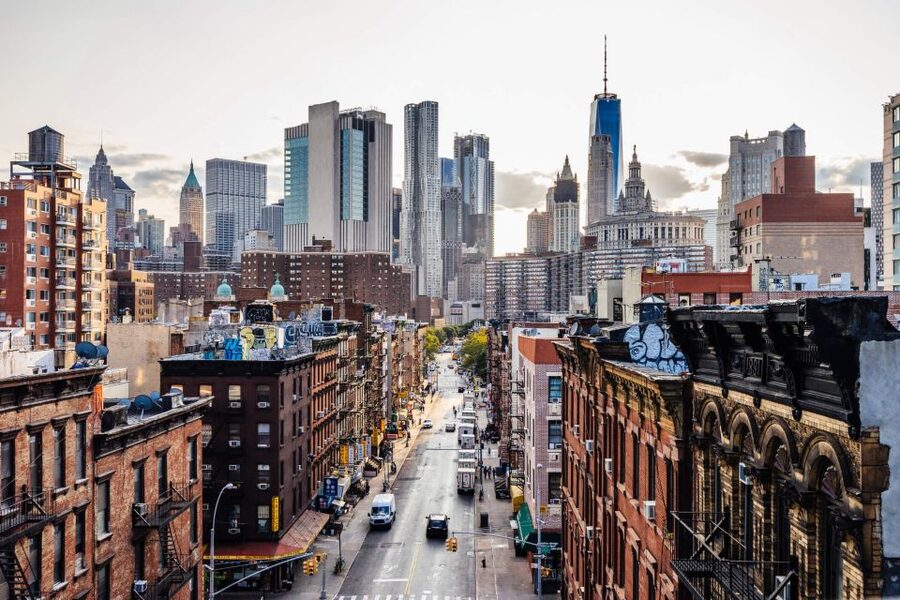
A major part of the walk looks at former dry-goods warehouses that have become luxury residences. This is TriBeCa’s clearest physical change, and it raises an important question: why did industrial buildings become so desirable as homes?
The answer is written into the buildings themselves. Their scale and construction reflect commercial use, while their later conversion reflects a new demand for spacious urban living. The tour helps you spot that change in the street-facing details instead of treating the buildings as attractive backdrops.
You may find this section most interesting if you like adaptive reuse. Old structures have not simply been replaced by new ones. Many have been given a different purpose, which lets earlier layers of New York remain visible.
There is also a caution here. TriBeCa’s polished residential identity can make it easy to forget the workers and businesses that once defined the area. This tour keeps those earlier uses in view, so the neighborhood’s wealth does not become the whole story.
The Ghostbusters Firehouse
The Ghostbusters Firehouse is the tour’s most familiar pop-culture stop. Even if you know the building from the film, the guide explains the attraction as part of TriBeCa rather than as an isolated movie prop.
That distinction matters. The firehouse sits within a real neighborhood with its own architecture and history. You can enjoy the film connection while also seeing how the building fits into the streets around it.
This is a good moment for photos, but remember that the tour is not built around film locations alone. If you want a full movie-location itinerary, this walk may feel too focused on architecture and local history. If you like a film reference mixed into a serious neighborhood tour, the stop adds a welcome bit of fun.
Modern buildings and the role of air rights
TriBeCa is not only about handsome older structures. The route also examines modern buildings and the planning ideas that helped reshape the district.
Air rights receive particular attention. The subject can sound dry, but it explains a great deal about how New York grows upward and how development affects the character of an established neighborhood. A guide can make the point while you are looking at the buildings involved, which is far easier than trying to understand it from a planning document.
This is one of the tour’s more useful lessons for repeat visitors to New York. You begin to notice that the city’s skyline is not just the result of architects making attractive buildings. Rules, property rights, preservation concerns, and market demand all play a part.
The modern stops also keep the walk balanced. You are not asked to choose between old New York and new New York. You see the friction between them and the ways TriBeCa has absorbed both.
Finding the Staple Street sky bridge
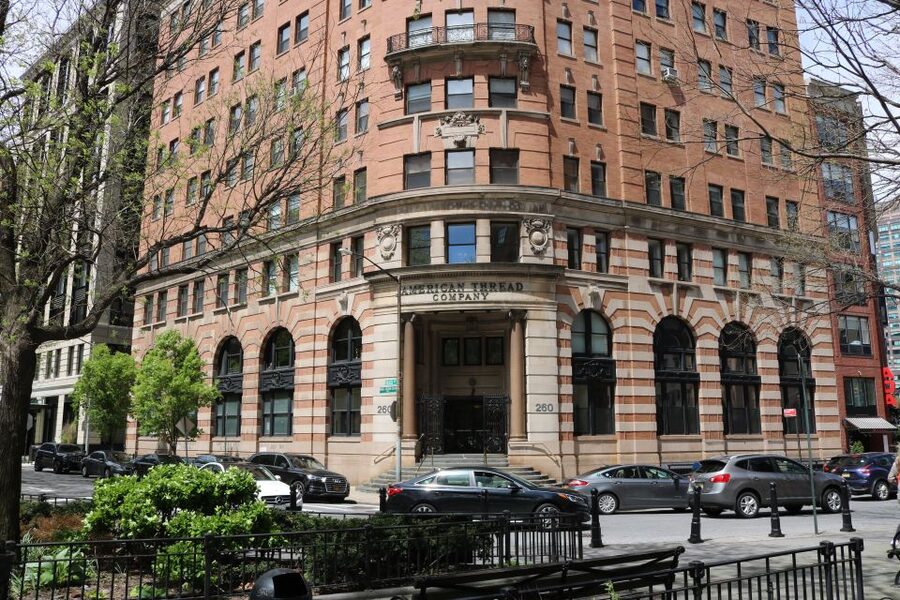
The Staple Street sky bridge is a highlight for anyone who likes unusual urban details. It is easy to miss if you are walking alone, which is precisely why a local guide is useful here.
The bridge gives you a clear example of how TriBeCa rewards looking up and looking twice. At street level, the area can seem orderly and familiar. Above you, a structure links buildings in a way that changes your sense of the block.
This is also a practical reason to take the tour early in your New York visit. Once you know where the sky bridge is, you can return for your own photos without spending time searching. The tour includes suggestions for good photo spots, so ask the guide about the best angle and time to revisit if photography matters to you.
TriBeCa’s overlooked antislavery history
The closing section turns to TriBeCa’s less visible history and its role in the fight against slavery during the 19th century. This gives the walk moral and political weight beyond architecture and real estate.
It is an important inclusion because neighborhood tours can easily become stories about wealthy owners, grand buildings, and clever design. TriBeCa also took part in the arguments and actions that shaped the United States. The guide brings that history into the same streets you have been examining for commercial and architectural reasons.
This part may be especially meaningful if you want your New York sightseeing to include social history. It also shows why walking matters. A broad city overview can mention antislavery activity in passing, but standing in the area where those events and connections mattered gives the subject a stronger sense of place.
What the 2.5 hours feel like
The advertised duration is 2.5 hours, usually in the morning. That is long enough to build a proper narrative without taking up your entire day, though you should plan to remain on your feet for most of it.
Two short breaks have been noted as part of the experience. They help, but this is still a walking tour, not a sightseeing ride. Wear comfortable shoes and dress for the weather. The route operates in rain or shine.
If conditions become too severe, you should receive an email, phone call, or text with an option to rebook or receive a full refund. Still, check the forecast yourself and bring sensible items such as sunscreen or an umbrella. A wet day may not ruin the architecture, but it can make a long walk less pleasant.
The tour is wheelchair accessible. Since the supplied information does not give exact details about every surface or restroom stop, it is sensible to contact the provider if you need specific route assistance.
Is $40 a fair price?
At $40 per person, this is reasonably priced for a guided New York walk lasting two and a half hours. You are paying for a live, certified guide and a focused route through a neighborhood that is easy to overlook, not for admission to a major attraction.
The value depends on how you travel. If you enjoy reading plaques, photographing facades, and researching buildings on your own, you could explore TriBeCa without a guide. But the tour earns its fee by linking separate details into one explanation. You learn why the buildings look different, how their uses changed, and what the neighborhood contributed to New York beyond its current property prices.
The included neighborhood advice adds practical value. You can ask about affordable brunch, photo locations, and Manhattan speakeasies, then use those suggestions after the walk. The tour does not include food or drinks, so budget separately for those plans.
Free cancellation up to 24 hours before the start and a reserve-now, pay-later option make the booking less rigid. Those policies are useful in New York, where weather and crowded schedules can change quickly.
Who should take this TriBeCa walk?
I would recommend it to first-time visitors who want a quieter, more focused alternative to the city’s biggest attractions. It is also a good fit for repeat visitors who have already seen Lower Manhattan’s main monuments and want to understand one neighborhood in greater detail.
Architecture fans will get the most from the old warehouses, modern buildings, air-rights discussion, and Staple Street sky bridge. History-minded visitors will appreciate the move from farmland to industry and the final section on the fight against slavery.
The tour also suits visitors who enjoy a guide with personality. Meghan Sara is described as funny, energetic, patient, and willing to answer questions. That matters on a long walk. A dry delivery can make even good material feel heavy, while an engaging guide helps the details stick.
I would be less likely to choose it for a very young child who needs constant activity, or for anyone seeking only film locations. The Ghostbusters Firehouse is one stop, not the central purpose. The tour asks you to listen, look closely, and stay interested in buildings.
Should you book it?
Book this tour if you want New York explained through streets, buildings, and the people who used them. The strongest reasons are the clear south-to-north route, the mix of architecture and social history, and the chance to see details such as the Staple Street sky bridge that you might miss alone.
Skip it if you prefer fast sightseeing, indoor attractions, or a tour built mainly around famous names. For everyone else, $40 buys a useful two-and-a-half-hour introduction to TriBeCa, plus ideas for what to eat, photograph, and explore next.
FAQ
How long is the TriBeCa Architecture & History Walking Tour?
The tour lasts 2.5 hours and is usually available in the morning.
What language is the tour conducted in?
The live tour is conducted in English.
Where does the tour meet?
Look for the black Metro Tours umbrella. Nearby subway stops include Brooklyn Bridge City Hall, City Hall, and Park Place.
Which subway lines serve the meeting area?
You can use the 4, 5, 6, J, or Z to Brooklyn Bridge City Hall; the R or W to City Hall; or the 2 or 3 to Park Place.
Is the tour wheelchair accessible?
Yes, the activity is listed as wheelchair accessible.
What should I bring?
Wear comfortable shoes and clothing suited to the weather. Depending on the forecast, bring items such as sunscreen or an umbrella.
Does the tour operate in bad weather?
Tours operate rain or shine. If conditions become too severe, you will be contacted by email, phone, or text with an option to rebook or receive a full refund.
Can I cancel for a full refund?
Yes. You can cancel up to 24 hours in advance for a full refund. A reserve-now, pay-later option is also available.
More Historical Tours in New York City
- New York City: American Museum of Natural History Ticket
★ 4.5 · 15,447 reviews - NYC: Starship Landmark 90 Minute Sightseeing Cruise
★ 4.6 · 3,666 reviews - Starship Landmark 90 Minute Sightseeing Cruise
★ 4.5 · 2,073 reviews - American Museum of Natural History Admission Ticket
★ 4.0 · 1,931 reviews
Recently added in New York City
- Brooklyn: 3-Hour Williamsburg Bites Food Tour★ 4.5 · 58 reviews
- World Trade Center, 911 and Ground Zero Walking Tour★ 5.0 · 4 reviews
- Welcome to New York: A Tour of Taylor Swift Hotspots★ 5.0 · 11 reviews
- Your NYC Story in Photos: Custom 2-Hour Tour & Photo Shoot★ 4.9 · 60 reviews
- Wall Street: The birth place of NYC in French/English tour★ 5.0 · 6 reviews
- Washington from New York in Spanish★ 5.0 · 4 reviews
- Wall Street and Financial District Private Walking Tour★ 5.0 · 6 reviews
- NYC: Empire State Building Sunrise Experience Ticket★ 4.6 · 55 reviews
NYC Walking Tours, compared.
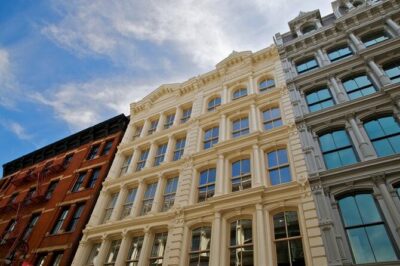
SoHo, Little Italy, and Chinatown Walking Tour in New York
Read our review →
Secrets of Grand Central Station Walking Tour New York City
Read our review →
Greenwich Village Walking and Food Tasting Tour
Read our review →
Artistic, Alternative Greenwich Village Walking Tour
Read our review →


NYC Greenwich Village Italian Food Guided Walking Tour
Read our review →Browse the lists this tour appears in