Reviewed · CITY TOURS
Unveiling New York City’s Most Breathtaking Lobbies
New York hides some of its best architecture behind revolving doors and security desks. This two-hour tour takes you inside grand hotel entrances, historic buildings, Art Deco interiors, skyscrapers, and cultural spaces that are easy to miss from the sidewalk. The small group, limited to six, should make it easier to ask questions and adjust the route to your interests.
I like the focus on places you normally pass without entering, and I like that the guide can shape the experience around architecture, design, or famous personalities connected with each building. The main caution is reliability: two bookings praised the guide and the unexpected locations, but one reported that the guide did not show up, so confirm your reservation by WhatsApp or email after booking.
Key points at a glance
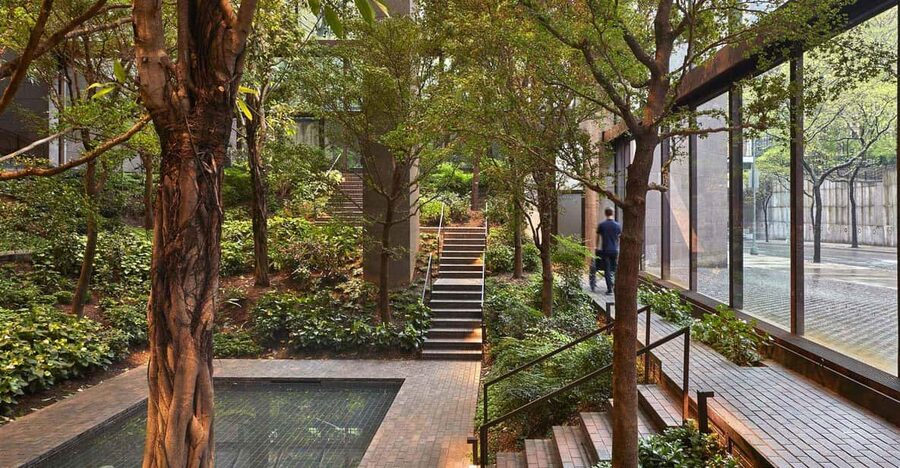
- Start at the Ford Foundation entrance: The tour begins at a clearly named meeting point and returns there at the end.
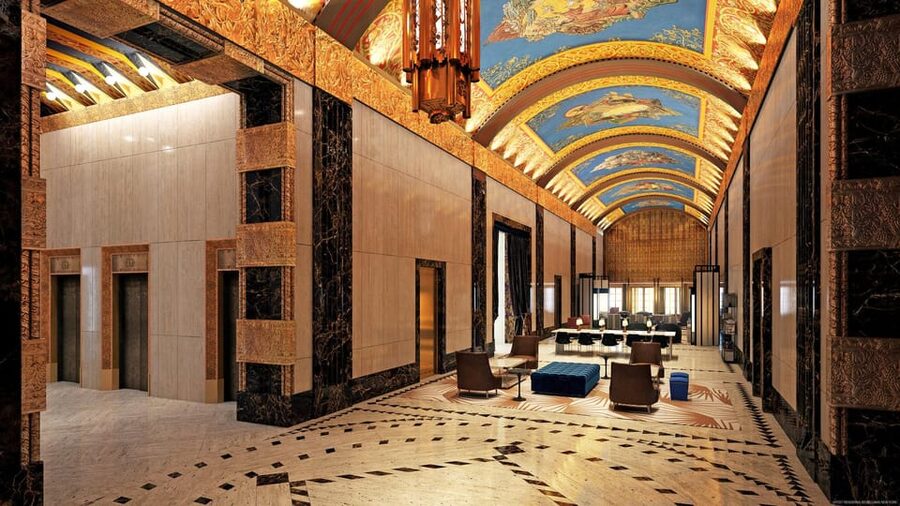
- Look inside famous hotels: Expect grand entrances with marble, chandeliers, and details linked to New York’s old-world glamour.
- Compare Art Deco and modern design: The route moves from Roaring Twenties style to contemporary interiors and bold public art.
- Hear local stories: Guides connect architecture with famous people, cultural life, and the city’s changing tastes.
- Keep the group personal: With no more than six participants, you can ask questions and discuss what catches your eye.
- Plan for photography, not refreshments: Photography opportunities are included, but food, drinks, and transportation are not.
Why New York’s lobbies deserve a tour
Most New York architecture tours keep you outside, looking up at towers or walking past ornate facades. This one changes the angle. You enter the buildings and pay attention to the first room, the place designed to make an impression before anyone reaches an office, hotel room, theater, or gallery.
That matters because a lobby is often where a building explains itself. Marble, metal, wood, glass, lighting, murals, and sculpture tell you what the owners wanted people to feel. A hotel may use chandeliers and polished stone to suggest luxury. An Art Deco building may use geometric patterns and metallic surfaces to suggest speed, money, and modern life.
I like this subject because it gives you something useful to notice after the tour. Once you have learned to look at a ceiling, elevator surround, floor pattern, or entrance screen, ordinary walks through Manhattan become more rewarding. You begin to see design choices instead of simply seeing another impressive doorway.
The tour also suits people who have already covered the major outdoor sights. If you know the Empire State Building, Times Square, or Fifth Avenue from the street, this offers a different view of the city. It is less about collecting famous buildings and more about understanding how their interiors welcome the public.
More New York City Tours:
- NYC: SUMMIT One Vanderbilt Tickets
★ 4.7 · 51,195 reviews - NYC: Empire State Building Tickets – Observatory & Museum
★ 4.7 · 25,757 reviews - New York City: Statue of Liberty & Ellis Island with Ferry
★ 4.6 · 18,683 reviews
Starting at the Ford Foundation entrance
Your meeting point is the Ford Foundation entrance, and the tour ends at the same place. That makes the two-hour plan easier to manage because you do not need to arrange a separate pickup or figure out where the final stop will leave you.
The supplied information does not give a fixed list of buildings or a detailed walking route. That is worth knowing before you book. You should think of this as a guided look at a selection of impressive lobbies, not a guaranteed checklist of named interiors.
The Ford Foundation starting point also sets the right tone. The focus is not simply on tourist attractions. It is on architecture, public space, and the way New York buildings use their entrances to shape a first impression.
Wear comfortable shoes. Transportation is not included, and the activity is described as a walking tour, so you should expect to move between stops on foot. Food and drinks are also not included, which is easy to handle before or after a two-hour outing.
Grand hotels and the style of old New York
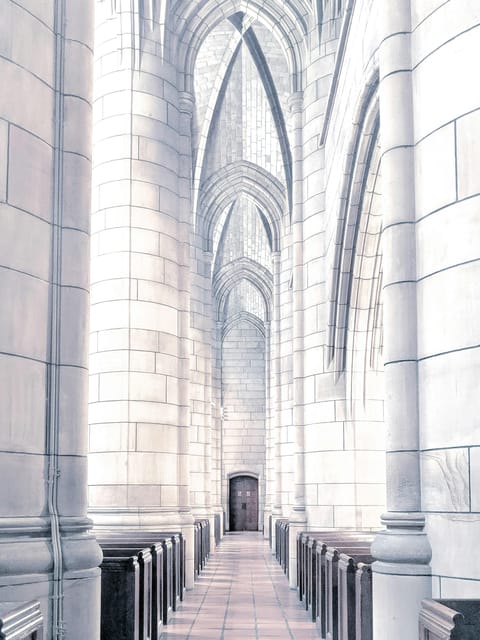
One part of the experience centers on iconic hotels. These interiors are where you are most likely to find the familiar signs of New York glamour: crystal chandeliers, marble floors, polished surfaces, and a sense of ceremony at the entrance.
The appeal is not only visual. Hotel lobbies reveal how the city once presented luxury to arriving visitors. The scale, materials, and lighting were meant to make a person feel that something important was happening inside. Your guide can use those details to explain the social life connected with the buildings and the personalities associated with them.
Do not expect a hotel visit to mean a private tour of guest areas. The information only promises access to notable lobbies and unique locations that people do not usually enter. You should respect hotel rules and understand that access can depend on the building’s current conditions.
This is one reason the small group matters. In a group of six or fewer, you have a better chance of hearing the guide clearly in a busy entrance and asking why a particular ceiling, floor, or chandelier was designed that way. A large group would make these indoor stops less comfortable and less conversational.
Historic landmarks with stories in stone and glass
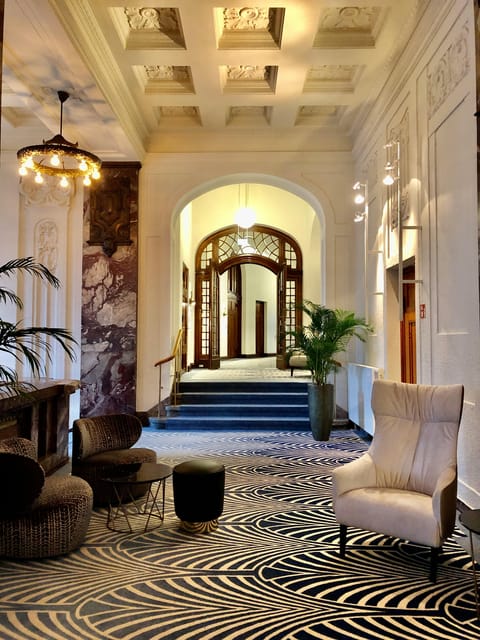
The next layer is New York’s historic architecture. Here, the entrance is treated as a record of ambition, innovation, and changing taste. You may examine the materials, decorative details, and layout while your guide explains how the building fits into the city’s architectural story.
The word historic can cover many styles, so the variety is part of the attraction. One lobby might feel formal and traditional. Another might use a strong geometric plan or a dramatic combination of glass and stone. The point is to compare them rather than judge every interior by the same standard.
The tour also promises stories about famous personalities connected with the lobbies. Those anecdotes can make the spaces easier to remember. Instead of seeing a decorative entrance as an isolated work of design, you connect it with the people who worked, lived, performed, visited, or made an impression there.
I would ask your guide for the story behind any building that catches your attention. The experience is designed for cultural questions, not just quick photo stops, and the strongest part of a small tour is usually the conversation that happens when you pause over a detail.
More City Tours in New York City:
- New York City: American Museum of Natural History Ticket
★ 4.5 · 15,447 reviews - New York City: Manhattan Helicopter Tour
★ 4.7 · 7,076 reviews - Top of the Rock Observation Deck New York City Ticket
★ 4.5 · 4,556 reviews - From New York City: Washington and Philadelphia 1-Day Tour
★ 4.5 · 2,877 reviews
Art Deco, from the Roaring Twenties to the sidewalk
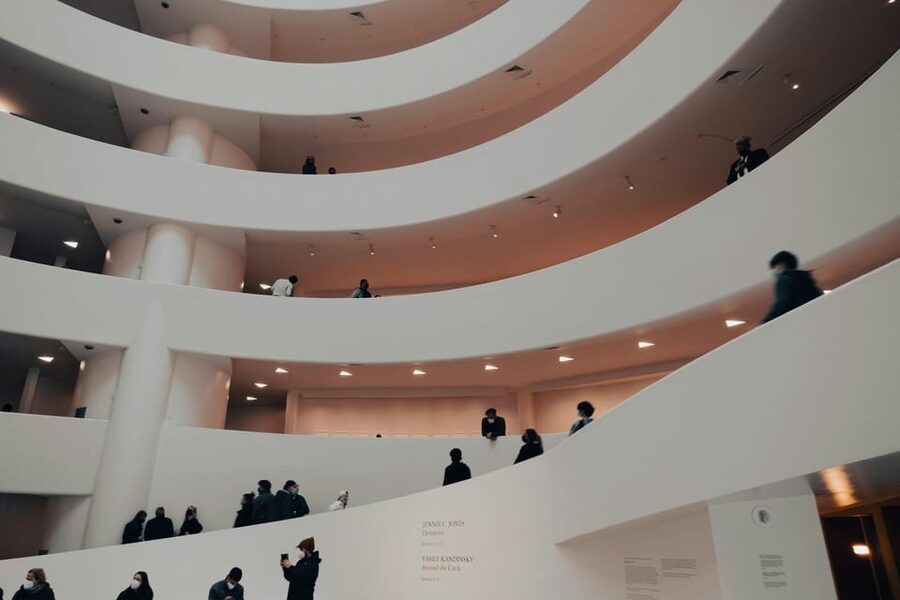
Art Deco is a natural highlight for this subject. The style’s sharp geometry, repeated patterns, rich surfaces, and sense of motion fit New York’s image as a city always moving forward.
The tour describes Art Deco interiors as reminders of the Roaring Twenties. That period is important here because the style was not merely decoration. It expressed confidence in machines, speed, skyscrapers, travel, and a new urban future.
Inside a lobby, look for the way the design controls your eye. A patterned floor can point you toward the elevators. Vertical lines can make a ceiling feel higher. A metallic detail can catch the light and turn an ordinary passage into a stage set.
You will get more from this portion if you slow down. A quick photograph may record the pattern, but the guide can help you understand why it was placed there and how it fits the building’s larger design. Photography opportunities are part of the experience, though you should follow each building’s rules about taking pictures.
Contemporary spaces and changing ideas about welcome
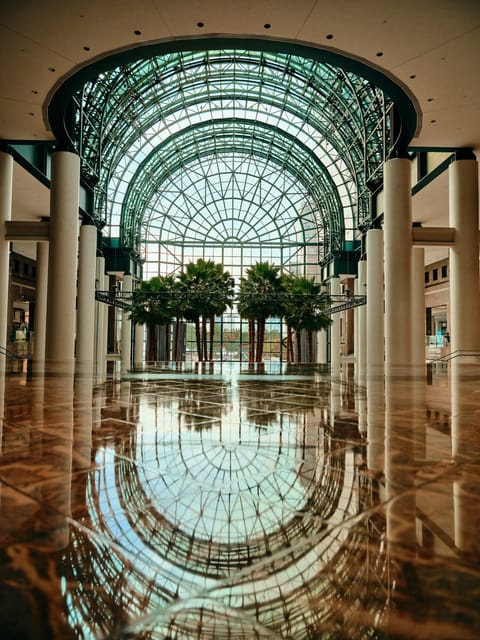
The tour does not stop with old hotels and preserved landmarks. It also includes modern lobbies in skyscrapers and cultural institutions, where contemporary artists and designers use the entrance as a public canvas.
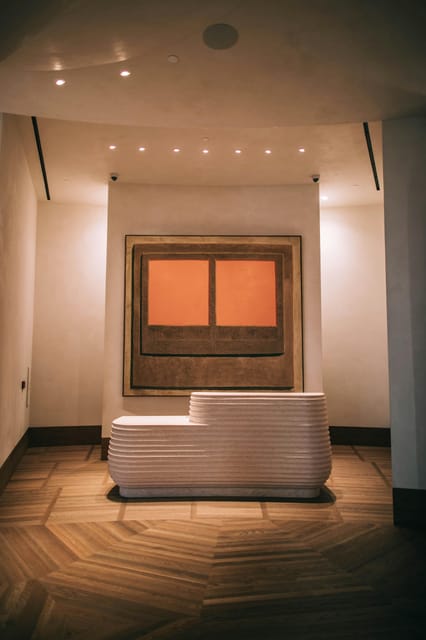
These spaces give you a useful contrast. Earlier lobbies often signal status through ornament and expensive materials. A newer lobby may rely on open space, unusual lighting, large-scale art, strong color, or a deliberately simple arrangement.
The value is in the comparison. You can ask how the idea of a welcoming entrance has changed. Is the lobby meant to impress you, guide you, make you feel comfortable, or display the identity of an institution? A good guide can turn those questions into a running conversation across the route.
Because the exact stops are not published in the supplied details, you should not book this expecting a fixed contemporary-art itinerary. The tour promises access to distinctive locations, but the final selection may depend on the guide, the group’s interests, and what can be entered on the day.
A guide-led route shaped around your interests
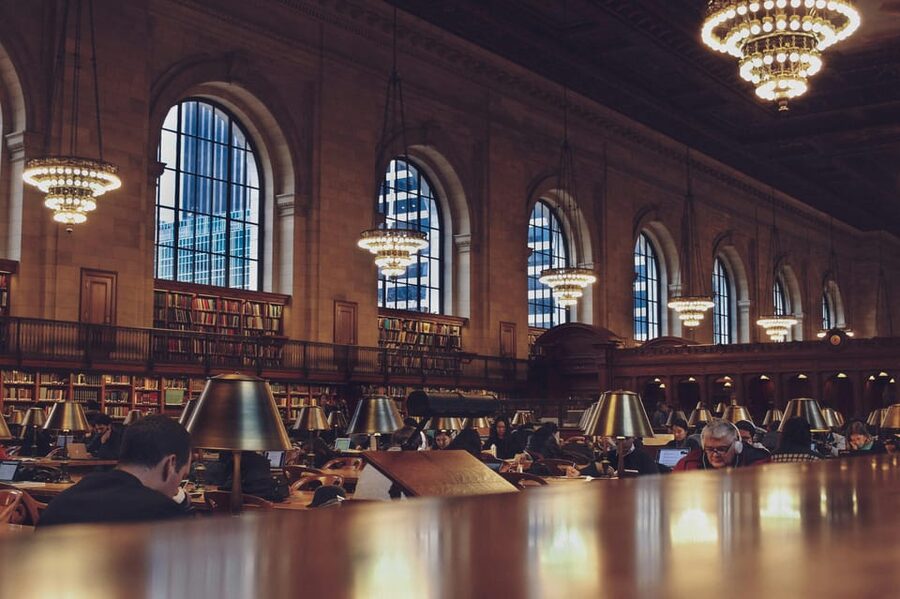
The live guide is available in English, Spanish, and Hindi. No guide names are provided, so you should not book expecting a particular person. The useful point is language choice and the chance to ask questions in a small setting.
One especially good feature is the possibility of tailoring the route. A previous booking praised the guide for adjusting the tour to personal preferences. That means you can tell the guide at the start if you care most about Art Deco, hotel design, historic buildings, photography, or stories about famous people.
Another booking described the tour as revealing places the participants would not have known about otherwise. That is the core value here. You are paying for access and interpretation, not simply for a walk between buildings you could identify on a map.
Still, the experience depends heavily on the guide. One booking reported that the guide failed to appear, which is a serious concern even though the other two reported experiences were highly positive. Send your booking voucher by WhatsApp or email as requested, and make sure your reservation is confirmed before setting aside the morning or afternoon.
What the $50 price really buys you
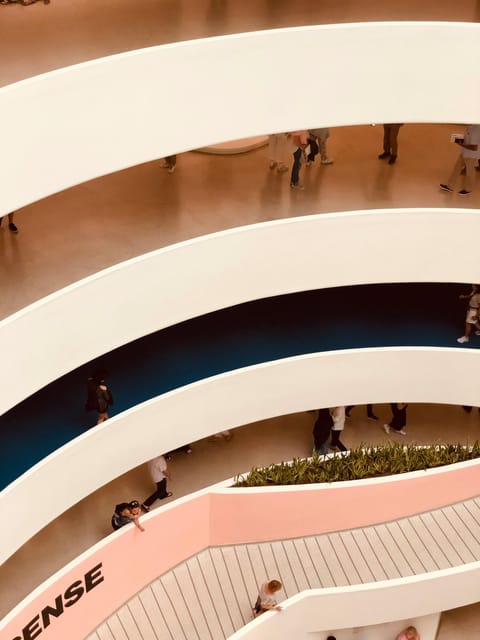
At $50 per person, this is not the cheapest way to spend two hours in New York. You are not paying for food, transportation, admission to a major museum, or a large production with many scheduled attractions.
You are paying for a specialist-style introduction to interiors that are easy to overlook. If the guide gives you context, helps you enter unusual buildings, and responds to your interests, the price can be fair, especially for a group of six or fewer.
The value is strongest for architecture fans, design students, photographers, repeat New York visitors, and curious walkers who prefer detail over a standard highlights tour. It is less compelling if you want a list of famous sights, a fast-paced overview of Manhattan, or guaranteed entry to a precise set of buildings.
The flexibility also helps. You can reserve now and pay later, and cancellation is free up to 24 hours before the activity for a full refund. Those terms reduce the financial risk, but they do not remove the need to confirm the appointment because of the reported no-show.
Who should book this two-hour experience
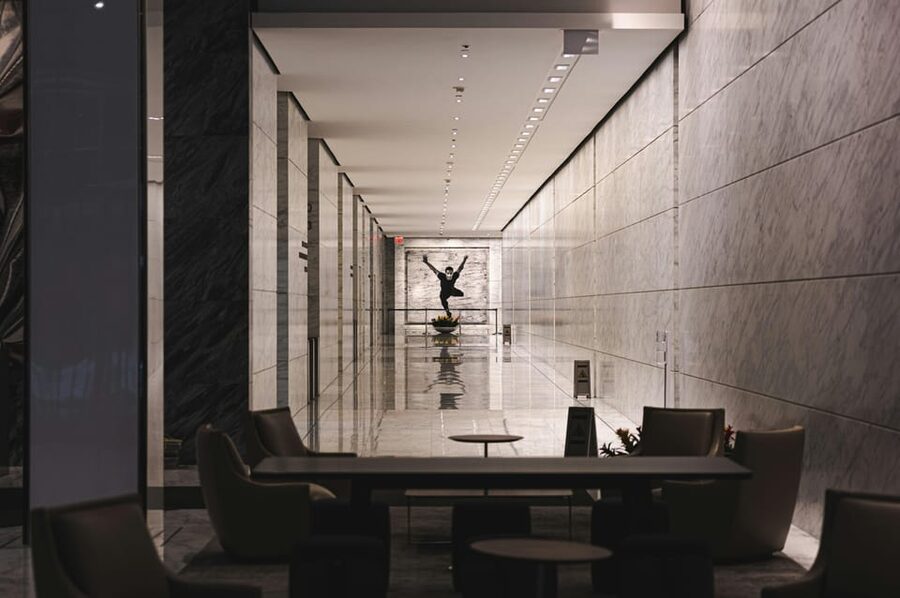
I would recommend it to you if you enjoy looking closely at buildings and asking why a space feels grand, calm, dramatic, or modern. It is also a smart choice if you have visited New York before and want an experience that goes beyond the usual street-level route.
The tour should work well for solo visitors and couples who like conversation. A small group makes it easier to hear the guide and discuss personal interests without waiting for a crowd to move along.
Families with older children may also find it worthwhile if the children enjoy design, buildings, or stories about famous people. Very young children may find two hours of lobby-focused sightseeing less engaging, though the supplied information does not set an age limit.
It is not the best choice if you need a guaranteed indoor schedule with named stops. The route is described by type of place rather than a full public itinerary, so you need to be comfortable with some flexibility.
Practical advice before you go
Meet at the Ford Foundation entrance and arrive ready to walk. Since transportation is not included, plan your route to the starting point in advance and leave time for New York delays.
Send the voucher by WhatsApp or email after booking so the provider can confirm your reservation. This is especially important given the report of a guide not showing up.
Bring a phone or camera if you want to record details, but ask before photographing inside each building. Have your questions ready. Ask about the history of a hotel, the purpose of an Art Deco pattern, the people linked to a location, or why a contemporary lobby feels different from an older one.
If you have a strong preference, state it at the beginning. The guide has adjusted the experience around individual interests before, and the tour will be more useful if you say clearly what you want to notice.
Should you book it?
Book this if you want New York through its entrances rather than its skyline. The tour offers a focused look at hotel luxury, preserved landmarks, Art Deco style, modern design, local stories, and places you might not enter on your own.
The strongest reasons to go are the small group, the guide’s ability to tailor the discussion, and the chance to see interiors that are easy to miss. The main reasons to hesitate are the unspecified route, the lack of included food or transportation, and the reported no-show.
For an architecture-minded visitor, $50 can be good value if the guide is reliable and the access works as promised. Confirm your booking, arrive at the Ford Foundation entrance, and choose this experience for its details and stories, not for a fixed checklist of famous buildings.
FAQ
How long does the lobby tour last?
The tour lasts two hours. Starting times depend on availability.
Where does the activity begin and end?
The tour begins at the Ford Foundation entrance and ends back at the same meeting point.
What languages are available?
The live guide can conduct the tour in English, Spanish, or Hindi.
How large is the group?
The tour is limited to six participants.
Are food, drinks, or transportation included?
No. Food, drinks, and transportation are not included.
How do I confirm my reservation?
After booking, send your booking voucher by WhatsApp or email to confirm the reservation.
Recently added in New York City
- Brooklyn: 3-Hour Williamsburg Bites Food Tour★ 4.5 · 58 reviews
- World Trade Center, 911 and Ground Zero Walking Tour★ 5.0 · 4 reviews
- Welcome to New York: A Tour of Taylor Swift Hotspots★ 5.0 · 11 reviews
- Your NYC Story in Photos: Custom 2-Hour Tour & Photo Shoot★ 4.9 · 60 reviews
- Wall Street: The birth place of NYC in French/English tour★ 5.0 · 6 reviews
- Washington from New York in Spanish★ 5.0 · 4 reviews
- NYC: Empire State Building Sunrise Experience Ticket★ 4.6 · 55 reviews
- New York City: Walk This Way Harlem Hip Hop Walking Tour★ 4.8 · 42 reviews
City Tours, compared.



Top of the Rock Observation Deck New York City Ticket
Read our review →
Circle Line: 2hr – New York City Harbor Lights Cruise
Read our review →
New York City One World Observatory Admission Ticket
Read our review →