
Reviewed · NYC SKYLINE AND ARCHITECTURE TOURS
New York City: Art Deco and Architecture Landmarks Tour
Midtown Manhattan is much more than office towers and hurried commuters. Look up, and the stone, metal, glass, and ornament begin to tell the story of New York’s grand building years. This 2.5-hour walking tour gives you a focused look at Art Deco masterpieces, Beaux-Arts landmarks, and a few buildings you could easily miss on your own.
I like the mix of famous sights and lesser-known interiors. I also like the use of historic photographs, which helps you see how Midtown changed and why preservation laws matter. The main drawback is simple: you cover a lot of ground, and one past participant felt the guide walked too quickly even after asking for a slower pace.
Key points to know before you book
- See Midtown in one well-planned walk: The route links Bryant Park, 42nd Street, the Chrysler Building, Grand Central Terminal, Fifth Avenue, and Rockefeller Center.
- Look above street level: Decorative details on upper floors, rooftops, and facades are easy to miss without someone pointing them out.
- Go inside when possible: Preserved lobbies add color and scale to the exterior architecture.
- Learn why buildings survived: Your guide explains the origins of New York’s landmarking laws and the preservation movement.
- Expect a guide-led history lesson: Jeremy and Robin are named as guides, and both are praised for their preparation, enthusiasm, and ability to answer questions.
- Bring comfortable shoes: This is a walking tour in all weather except severe conditions, with no hotel pickup or food included.
Why this Midtown architecture walk works
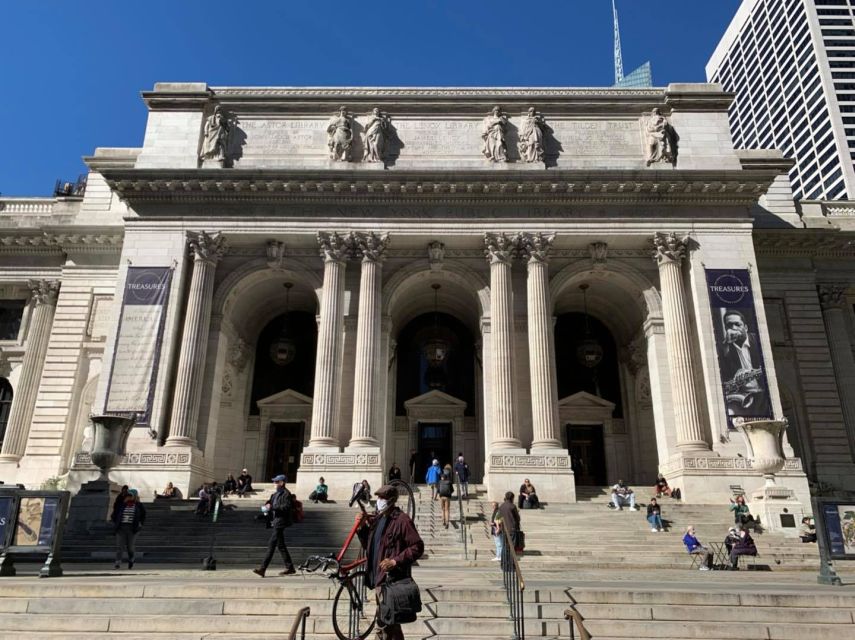
This is not a tour built around one observation deck or a single famous building. It is a connected story about how Midtown was planned, built, decorated, threatened, and protected.
You begin near Bryant Park and make your way through the central part of Manhattan. The route takes in major names such as the Empire State Building, Chrysler Building, Grand Central Terminal, and Rockefeller Center, but it also asks you to notice the less obvious buildings between them.
That balance is the strongest part of the experience. You get the landmarks you likely came to New York to see, but the guide also points out decorative work that does not appear on a standard sightseeing checklist. The result is useful for first-time visitors and rewarding for anyone who already knows Midtown but wants to see it with sharper eyes.
The tour costs $40 per person. For two and a half hours with a live English-speaking guide and a small group, I consider that a fair price, especially if you care about architecture. You are paying for interpretation, not admission to a paid attraction. There is no hotel transfer, meal, or entry ticket bundled in, so the value depends on how much you want the architectural detail explained.
More NYC Skyline and Architecture Tours:
- Statue of Liberty & NYC Skyline Cruise – Freedom Liberty Tour
★ 4.0 · 1,499 reviews - Manhattan Architecture Yacht Cruise
★ 5.0 · 1,395 reviews - NYC: Dyker Heights Christmas Lights & Skyline View Bus Tour
★ 4.7 · 1,192 reviews
Starting at Bryant Park and looking up
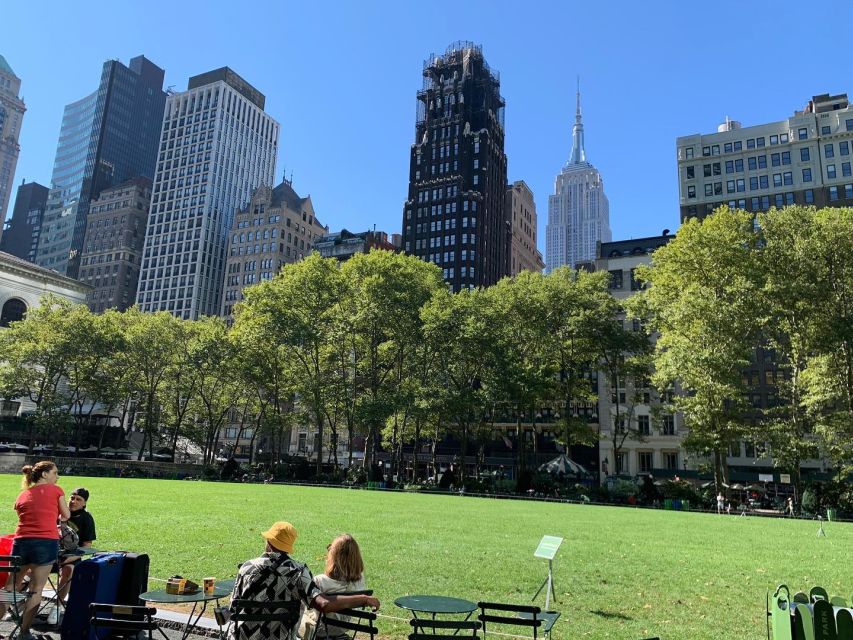
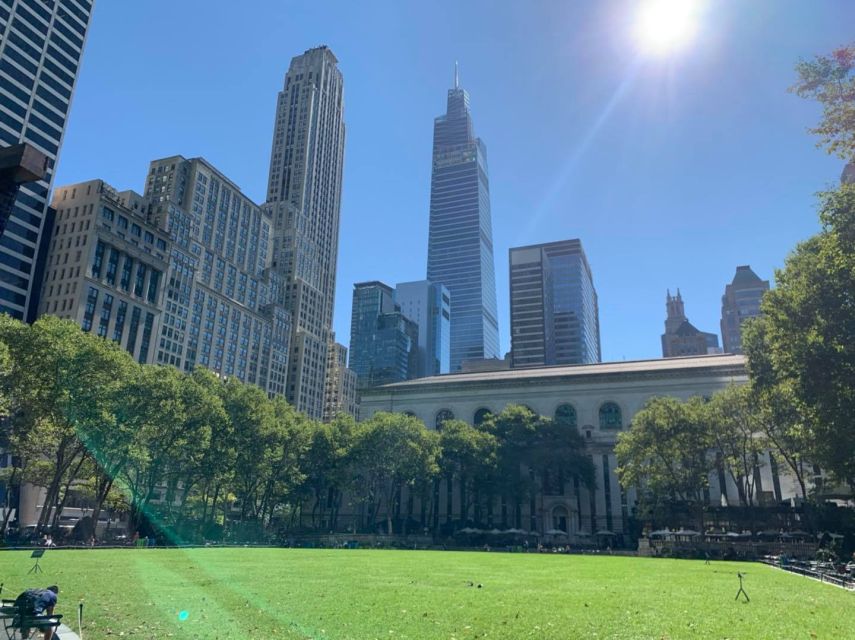
Bryant Park is a sensible place to begin. It gives you a pleasant setting before the tour moves into the denser streets of Midtown, and it provides a natural introduction to the area’s changing identity.
The guide sets the stage here, then leads you into the surrounding streets. This is where the tour’s method becomes clear. Rather than simply naming buildings, the guide uses historic photographs to show how the neighborhood looked in earlier decades and how the preservation movement helped save important structures.
I especially like this approach because New York’s architecture can blur together when you see too much of it at once. A photograph gives you a reference point. You begin to understand which details are original, which buildings faced demolition, and why landmarking laws became necessary.
The tour also gives you a fresh view of the Empire State Building. You may already know its outline, but a guide can direct your attention to design features and explain its place within Midtown’s architectural story. This is one reason the experience suits people who have already taken a general city tour. It adds another layer to a familiar skyline.
Moving along 42nd Street
The 42nd Street section lasts about 30 minutes, making it one of the more substantial parts of the walk. You see several historic buildings and hear how the street fits into the development of Midtown.
This part is not just a transfer between major stops. The guide uses the buildings along the way to explain changing architectural styles and the ambitions behind New York’s early skyscrapers. Art Deco gets the most attention, but Beaux-Arts and other styles also enter the story.
You will want to keep your eyes moving. The ground-floor entrances are often easier to notice, but the tour encourages you to scan upward for carved motifs, geometric patterns, stylized figures, and other details. One useful lesson from the experience is that street level tells only part of the story.
The pace can be brisk because Midtown has so much to cover. If you need frequent pauses, tell the guide early. The small-group format should make questions easier, and several guide accounts describe plenty of time for discussion. Still, this is not a slow architectural sketching walk. It is a compact route with many stops.
The Chrysler Building and Art Deco at full volume
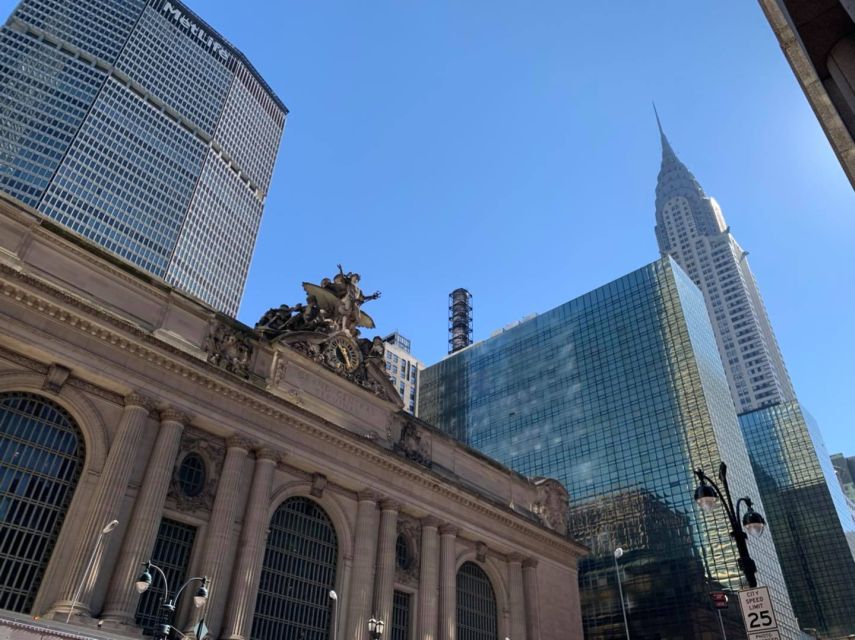
The Chrysler Building is the visual high point for many people. Its silvery crown and sharp geometric decoration make it one of New York’s clearest expressions of Art Deco.
The tour includes a photo stop, an exterior visit, and guided explanation. The guide draws attention to decorative details that are easy to overlook from the pavement. One especially memorable detail from the tour commentary concerns the car designs and Chrysler’s Bulldog ornamentation. That sort of specific story makes the building feel less like a postcard and more like a product of its era.
This is also where the tour helps you understand Art Deco as more than a color scheme or a collection of zigzags. You hear about the design ideas behind the building and the influences that shaped its ornament. The goal is not to turn you into an architectural historian in 15 minutes. It is to give you a vocabulary for seeing the rest of the city.
The Chrysler Building stop is relatively short, so photographers should be ready when the group arrives. You will get context and time to look, but the entire tour keeps moving.
More New York City Tours:
- NYC: SUMMIT One Vanderbilt Tickets
★ 4.7 · 51,195 reviews - NYC: Empire State Building Tickets – Observatory & Museum
★ 4.7 · 25,757 reviews - New York City: Statue of Liberty & Ellis Island with Ferry
★ 4.6 · 18,683 reviews - New York City: American Museum of Natural History Ticket
★ 4.5 · 15,447 reviews
Grand Central Terminal’s grand interior
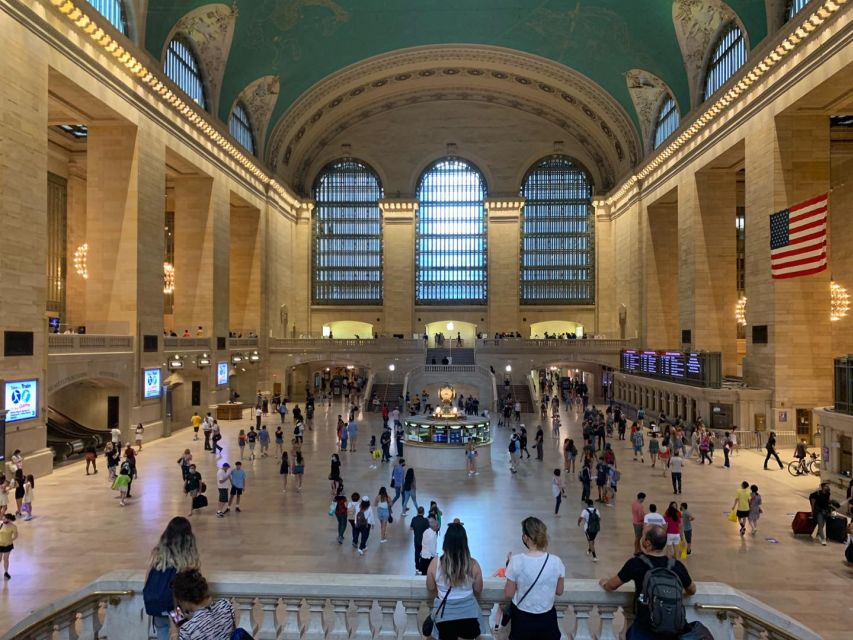
Grand Central Terminal gives the walking tour a welcome change of scale. After studying facades from the sidewalk, you enter one of New York’s most impressive interior spaces.
The terminal is presented as both a working train station and an architectural achievement. Its size, planning, and decorative treatment make it an important stop even if you have visited before. A guide can direct you toward elements that may disappear amid the crowds and daily activity.
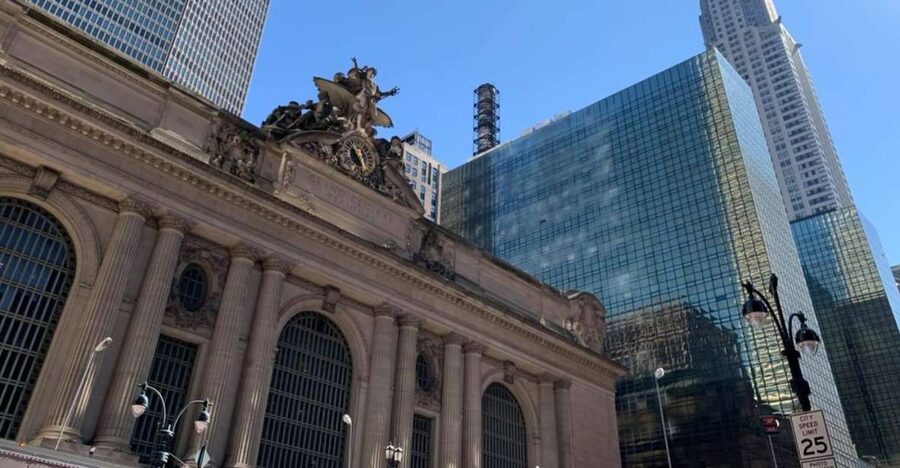
The interior visit lasts about 15 minutes. That is enough for an introduction and a look at the principal spaces, but not enough for every room or every detail. If Grand Central is a personal priority, you may want to return later and explore at your own pace.
I like having this interior stop in the middle of the tour. It breaks up the outdoor walking and shows how the same era’s design principles worked inside a public building. It also gives you a chance to appreciate how architecture shapes movement, light, and mood, not just a building’s appearance from the street.
Fifth Avenue and a lesser-known Art Deco treasure
After Grand Central, the route heads toward Fifth Avenue. This section brings the tour back to facades and street views, but it also includes what is described as the guide’s favorite Art Deco treasure in Midtown.
The exact building is not identified in the tour details, which may be part of its appeal. You are not simply being marched from one famous address to the next. The guide introduces a place that could easily escape notice if you were following a standard map.
This is the sort of stop that can change how you explore New York afterward. Once you learn to inspect entrances, lobby ceilings, metalwork, stone carving, and upper-story decoration, you can keep finding details on your own. One participant continued with a self-guided walk after the tour, which makes sense. The route gives you a starting point for seeing Midtown with more purpose.
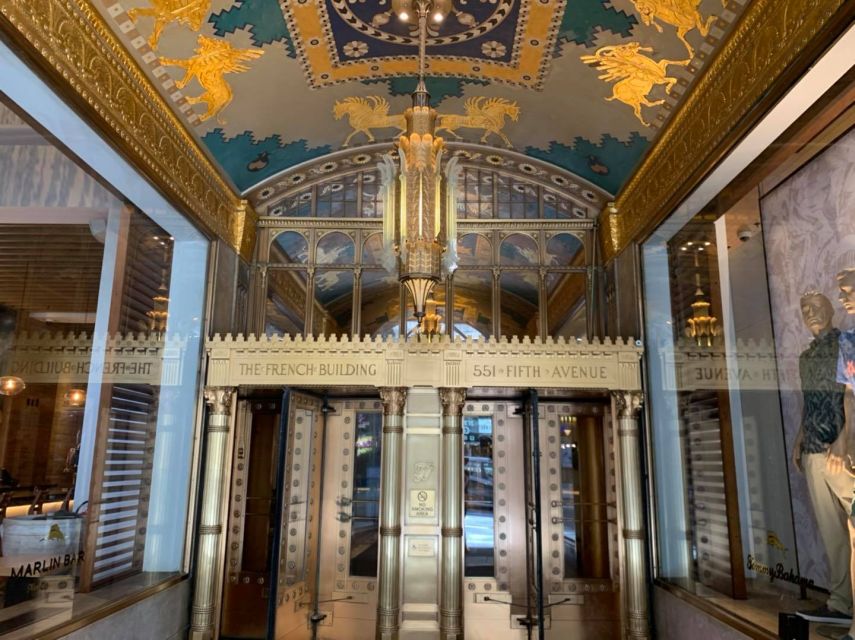
The tour may also enter several preserved lobbies along the way. Access can depend on building conditions and practical circumstances, so you should not treat every interior as guaranteed. When entry is possible, it adds real value. A lobby often reveals the materials, craftsmanship, and color choices that a street view cannot show.
Finishing at Rockefeller Center
The tour ends at Rockefeller Plaza, a useful place to finish because it is one of Midtown’s most concentrated collections of public art and architectural design.
By this point, you have seen several ways Art Deco and related styles appear in New York. Some buildings express the style through a dramatic crown. Others use metalwork, carved stone, stylized figures, or carefully planned interiors. Rockefeller Center gives the guide a final setting in which to connect those ideas.
The ending also works well for planning the rest of your day. You can remain in the Rockefeller Center area, continue to Fifth Avenue, or use the nearby attractions as your next stop. One practical idea is to visit Top of the Rock after the walking tour, as one participant did. From above, you can look back toward the buildings discussed during the walk and better understand their place in the Midtown skyline.
The tour itself does not include admission to Top of the Rock, so plan that separately. Think of the walking experience as preparation for seeing the city from above, not as a combined ticket.
The guides and the small-group format
Jeremy receives the most praise in the supplied feedback, with repeated comments about his command of the subject, enthusiasm, humor, visual materials, and willingness to answer questions. Several people found that he adjusted the discussion to their interests rather than delivering a rigid script.
Robin is also named as a guide. A small group of three received a full presentation from her, which suggests that the experience does not lose energy when attendance is low.
That matters because architecture tours depend heavily on the guide. Buildings cannot speak for themselves, and a weak explanation would leave you staring at facades without much context. Here, the guide is expected to explain design features, preservation, historical change, and the stories behind individual buildings.
The small-group setup should also make photography and questions easier than on a large coach excursion. You can ask why a particular detail matters or request clarification when several styles begin to blend together. Still, group pace varies. If you prefer long stops and quiet observation, this may feel fast.
Practical details that affect your day
The meeting point is in front of the Whole Foods store on Sixth Avenue. Check the precise meeting instructions before leaving, especially since the route begins in the Midtown and Bryant Park area.
The total duration is 150 minutes. The named sightseeing sections add up to about 105 minutes, with the remaining time used for walking, transitions, explanations, and short stops along the route. You should expect a continuous urban walk rather than a series of long stationary talks.
Wear comfortable shoes. Midtown sidewalks can be crowded, and the tour takes place rain or shine unless severe weather forces a cancellation. Bring weather protection and keep your hands free enough to look upward, take photographs, and follow the guide safely.
The tour is offered in English and is wheelchair accessible. Food and drinks are not included, so eat beforehand or plan a stop after the walk. Hotel pickup and drop-off are also not included, which is normal for a central Manhattan walking tour.
Free cancellation is available up to 24 hours before the start time, and you can reserve now while paying later. Those options are useful if your New York schedule is still changing.
Who will get the most from this tour
I would choose this experience if you enjoy buildings as much as museums, or if you want more from Midtown than a quick photograph at each landmark.
It is particularly well suited to:
- Architecture fans interested in Art Deco, Beaux-Arts, and preservation
- First-time visitors who want to cover several Midtown landmarks efficiently
- Repeat visitors who have seen the major buildings but missed their decorative details
- Photographers who enjoy facades, lobbies, and skyline views
- People who prefer a small walking group and time for questions
It is less suitable if you dislike walking, want a relaxed pace, or prefer to spend an hour inside each building. It is also not the right choice if your main goal is a formal visit to the Empire State Building or Top of the Rock. Those admissions are not part of this experience.
Should you book the Art Deco and Architecture Landmarks Tour?
Book it if you want Midtown to make more sense. The route is efficient, the price is reasonable for a 150-minute guided walk, and the mix of major icons with overlooked decorative details gives you more than a standard photo tour.
The best reason to go is the interpretation. Jeremy and Robin bring the buildings into focus with historic photographs, design stories, and preservation context. Just wear good shoes, allow for a brisk pace, and come ready to look up.
FAQ
Where does the tour meet?
Meet your guide in front of the Whole Foods store on Sixth Avenue.
How long does the tour last?
The tour lasts 150 minutes, or two and a half hours.
Which major landmarks are included?
The route includes Bryant Park, 42nd Street, the Empire State Building area, the Chrysler Building, Grand Central Terminal, Fifth Avenue, and Rockefeller Center.
Is the tour conducted in English?
Yes. The tour has a live English-speaking guide.
Is the tour wheelchair accessible?
Yes, the activity is listed as wheelchair accessible.
What should I bring?
Bring comfortable shoes. The tour takes place rain or shine, except in severe weather, and food and drinks are not included.
Recently added in New York City
- NYC: Long Island Sommelier-Guided Wine Tasting Tour★ 4.8 · 27 reviews
- New York City: Discover Pass with Hop-on Hop-off Bus Tour★ 3.3 · 35 reviews
- NYC: Day Cruise on Small Yacht with Statue of Liberty Views★ 5.0 · 14 reviews
- Hudson Valley Wine Tour: NY’s only sommelier-guided tour!★ 4.4 · 5 reviews
- New York City: City Cruises Alive After Five Cocktail Cruise★ 3.9 · 42 reviews
- New York City: Champagne and Cheese Pairing Cruise★ 4.3 · 8 reviews
- NYC: Christmas Eve Gourmet Brunch or Dinner Harbor Cruise★ 4.6 · 31 reviews
- NYC: Central Park Highlights Guided Tour★ 4.6 · 51 reviews
NYC Skyline and Architecture Tours, compared.

Statue of Liberty & NYC Skyline Cruise – Freedom Liberty Tour
Read our review →

Dyker Heights Christmas Lights & Skyline View Bus Tour
Read our review →

Statue of Liberty and New York City Skyline Sightseeing Cruise
Read our review →
NY Helicopter Tour: New York City Skyline (Heliport fees Incl)
Read our review →
Statue and Skyline Cruise Aboard a Luxury Yacht
Read our review →
Browse the lists this tour appears in