
Reviewed · CENTRAL PARK TOURS
NYC: Private Tour Secrets of Central Park
Central Park is far more than a patch of green in the middle of Manhattan. This private two-hour tour shows how its lakes, bridges, terraces, statues, theaters, and meadows were planned as one great work of public art.
I like the private format, since you can shape the walk around your interests. I also like the wide range of sights, from the lively Sherman Monument at Grand Army Plaza to quiet corners such as Shakespeare Garden and the park’s smaller lakes.
The main caution is the guide’s presentation. One detailed booking note found the content too heavy on dates and facts, so ask questions and request stories, design details, and local context if the talk starts to feel like a classroom lecture.
Key points to know before you book
- Grand Army Plaza is the meeting point: Find your guide at the General William Tecumseh Sherman Monument on Fifth Avenue between 59th and 60th Streets.
- The route covers major Central Park sights: Expect attention to Bethesda Terrace, Bow Bridge, Strawberry Fields, Sheep’s Meadow, the Great Lawn, Belvedere Castle, and more.
- The private format lets you customize the walk: Your group can focus more on art, architecture, park design, history, or famous movie locations if the guide can adjust the route.
- You get a licensed local guide: The tour is conducted in English and is designed as an interactive walk rather than a self-guided visit.
- Two hours gives you a useful overview: You can see many important areas, but you will not have time to linger at every stop.
- The tour runs rain or shine: Wear comfortable shoes and dress for the forecast. Wheelchair access is available.
Starting at Grand Army Plaza and the Sherman Monument
Your walk begins at Grand Army Plaza, just outside Central Park on Fifth Avenue between 59th and 60th Streets. Meet in front of the General William Tecumseh Sherman Monument, a large and easy-to-identify statue near the park’s southeast corner.
This is a smart starting point. Grand Army Plaza gives you an immediate view of how New York frames Central Park as a grand civic space. Fifth Avenue supplies the city scale, while the park opens up just a few steps away. You get a quick lesson in Manhattan’s contrasts before the walk even begins.
The meeting point also matters for practical reasons. Central Park is huge, and its many entrances can make first-time navigation confusing. Arrive with enough time to locate the Sherman Monument and check that your phone has the meeting details available.
Because the experience is private, your group is not tied to a large crowd. That can make it easier to stop for questions or ask the guide to explain why a bridge, fountain, statue, or view was placed where it is.
More Central Park Tours:
- Central Park Pedicab Guided Tours
★ 5.0 · 7,108 reviews - Private Central Park Pedicab Tour
★ 5.0 · 6,981 reviews - NYC: Central Park Bike Rentals
★ 4.2 · 2,528 reviews
Seeing how Central Park was designed as one work of art
The special idea behind this tour is not simply checking famous spots off a list. Central Park was planned as a place where natural-looking scenery and constructed features work together.
You will see open lawns, water, rock formations, formal terraces, bridges, paths, gardens, and buildings. The guide’s job is to connect those pieces so the park feels less like a collection of attractions and more like a carefully arranged experience.
That design focus is useful because many visitors walk through Central Park without noticing how much of the scenery was shaped by human hands. A winding path may frame a view. A bridge may create a photo stop. A lawn may open suddenly after a wooded stretch. The tour gives you a way to read those choices.
I would ask the guide to explain the difference between areas meant for movement and areas meant for lingering. That sort of detail is more useful than a long list of construction dates, especially if this is your first visit.
The Pond, Central Park Zoo, and the park’s southern edge
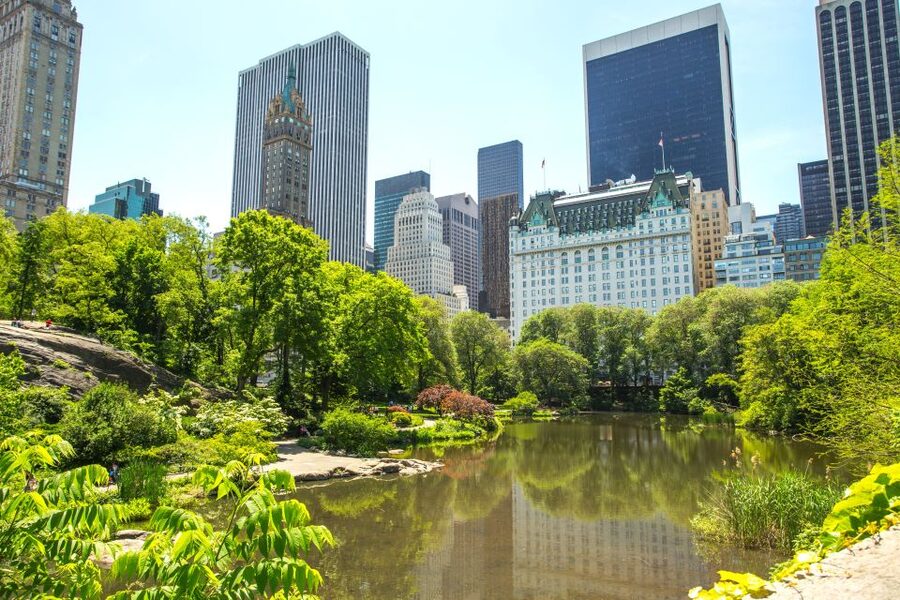
The route may include The Pond and the Central Park Zoo, both near the park’s southeast section. The Pond offers a calmer first look at Central Park’s water features, with city buildings close by and the park’s paths folding around the water.
The zoo is one of the park’s best-known attractions, but this walking tour is not a zoo admission visit. Treat it as a Central Park landmark and a way to understand the range of facilities inside the park. If you want to spend time seeing animals, you will need a separate visit and more time than this tour allows.
This early part of the walk can be lively because it is close to Fifth Avenue and major entrances. The tradeoff is that it may feel less secluded than the park’s central and northern sections. Still, it gives you useful context before the tour moves toward lawns, terraces, and larger views.
Loeb Boathouse and the park’s lakes
Loeb Boathouse is another notable stop, associated with the water and recreational side of Central Park. The setting helps show that the park was not designed only for walking. Water, boating, views, and leisure all form part of its public purpose.
The exact amount of time spent here will depend on the guide and your group’s interests. If you enjoy architecture and park planning, ask how the boathouse relates to the lake and nearby paths. If you prefer photographs, this is a good place to request time near the water rather than rushing past it.
The tour description also points to lakes throughout the park, along with fountains and other water features. Since two hours passes quickly, do not expect a detailed visit to every body of water. Think of this section as an introduction to the way water changes the mood and scale of the park.
More New York City Tours:
- NYC: SUMMIT One Vanderbilt Tickets
★ 4.7 · 51,195 reviews - NYC: Empire State Building Tickets – Observatory & Museum
★ 4.7 · 25,757 reviews - New York City: Statue of Liberty & Ellis Island with Ferry
★ 4.6 · 18,683 reviews - New York City: American Museum of Natural History Ticket
★ 4.5 · 15,447 reviews
Sheep’s Meadow and the open heart of Manhattan
Sheep’s Meadow offers one of Central Park’s clearest breaks from the surrounding city. It is a broad open lawn where you can see how the park creates breathing room in a crowded urban setting.
The stop is valuable even if you are not interested in formal history. Look across the grass toward the surrounding buildings and notice the contrast between open space and Manhattan’s dense skyline. The view explains why Central Park feels so important to New Yorkers.
Sheep’s Meadow can also be busy, and the tour does not control the weather or crowd levels. If you are hoping for a quiet pause, be realistic. The guide can explain the space, but this is still a public park used for recreation.
The Mall, Bethesda Terrace, and the park’s grandest details
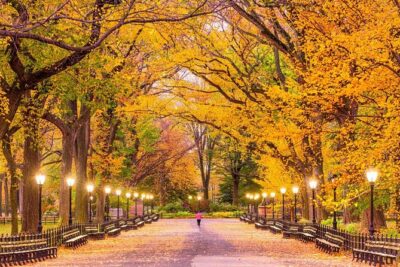
The Mall is one of the most formal sections of Central Park. Its straight walkway and rows of trees create a strong visual axis, making it feel different from the park’s winding paths and rocky areas.
This is an excellent place to focus on design. Ask how the path directs your eye and how the surrounding trees shape the sense of ceremony. The Mall connects naturally with Bethesda Terrace, one of the park’s best-known architectural features.
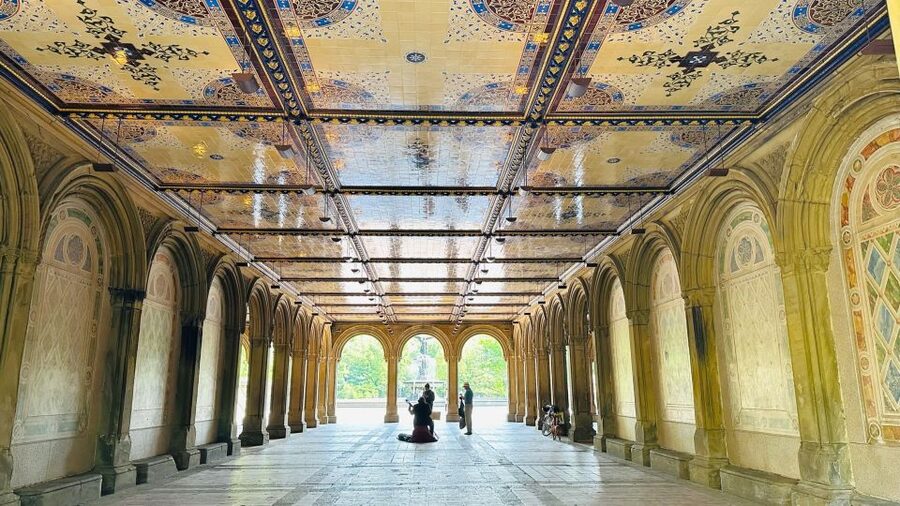
Bethesda Terrace brings together stairs, carved details, a grand arcade, and the famous Angel of the Waters fountain. It is one of the places where architecture, sculpture, water, and public life meet in a single view.
The terrace can be crowded, so you may not get a long quiet look at every detail. Still, a guide adds real value here by pointing out features you might otherwise pass without noticing. This is also a good moment to ask for a short explanation rather than a string of dates.
Bow Bridge and the art of the scenic view
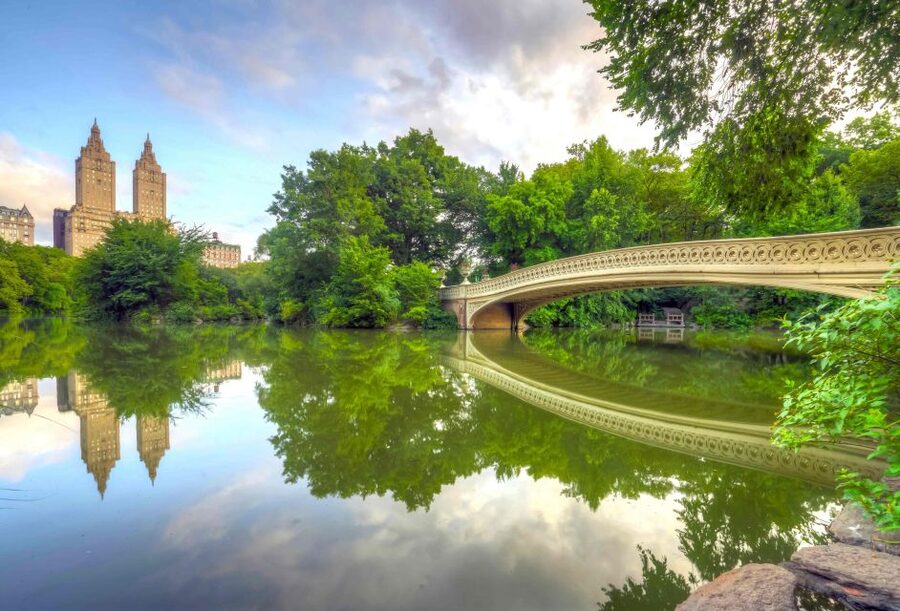
Bow Bridge is one of Central Park’s signature structures. Its curved shape and position over the water make it a natural photo stop, but the bridge is more than a pretty backdrop.
The view from and around Bow Bridge shows how Central Park uses bridges to create movement between different sections. You cross water, gain a new angle on the surrounding scenery, and continue into another part of the park.
This is where a private tour can work especially well. Ask the guide to point out the intended sightlines and explain why the bridge feels so graceful. If your group includes photographers, couples, or anyone who enjoys design, you may want to spend a few extra minutes here.
The practical drawback is simple: Bow Bridge is popular. You may need patience for photographs, and the two-hour schedule may limit how long you can wait for a clear view.
Strawberry Fields and the park’s memorial art
Strawberry Fields is a memorial area associated with John Lennon and one of the most recognizable cultural sites in Central Park. Its presence adds a modern layer to a park otherwise known for formal planning, old structures, and traditional sculpture.
The stop is not only about the famous central artwork. It also shows how Central Park has continued to serve as a setting for public memory and art. Ask the guide to explain how this memorial fits into the surrounding park rather than treating it as a quick photo stop.
This part of the walk may carry a more reflective mood than the grand terrace or open meadow. It is a useful reminder that Central Park is not just a sightseeing route. It is also a place where people gather to remember, rest, meet, and mark important moments.
Belvedere Castle, Shakespeare Garden, and the upper park
Belvedere Castle brings a theatrical quality to the tour. Its elevated setting gives it a different feel from the low bridges, lawns, and terraces below. The castle is tied to the park’s use of architecture to create surprise and drama.
Nearby Shakespeare Garden adds another kind of interest. The garden connects planting and literature, making it a good stop for anyone who enjoys the quieter, more decorative side of the park.
The Delacorte Theater belongs to this same cultural zone. It is known as a performance venue within the park, and its presence shows that Central Park serves as a stage as well as a garden and recreation area.
You should keep expectations realistic. A two-hour walking tour can introduce these places, but it will not give you time to attend a performance, study every planting, or explore every structure in detail. The value is in seeing how many different uses fit into one park.
The Great Lawn and the limits of a two-hour walk
The Great Lawn gives you another broad view of Central Park. Like Sheep’s Meadow, it shows the park’s role as open public space, but its position and scale create a different feeling.
The tour also includes many sculptures, statues, fountains, and lakes. That list is impressive, but it points to the main limitation: Central Park is too large and detailed for a complete tour in two hours.
A private guide can change the emphasis, but cannot make time expand. If you want the full story of every listed site, plan a separate return visit. Use this tour as a well-organized introduction that helps you decide where to spend more time later.
What the private format is worth at $149
The price is $149 per person. That is a serious cost for a two-hour walk, especially for a solo visitor or a small group. The value depends on how much you want personal attention and how difficult it would be for your group to agree on a route.
For a family, couple, or group of friends, the private format may make more sense than paying for several separate admissions or trying to manage a large group tour. You are paying for a customizable route, a licensed local guide, and the chance to ask questions throughout the walk.
The price is harder to justify if you mainly want to stroll through the park, take photographs, and read about the sights on your own. Central Park itself is free, and many major locations can be visited without a guide.
The strongest reason to book is structure. You get a concentrated introduction to the park’s major design features, cultural sites, and scenic areas without spending your first visit guessing which paths lead where.
How to prepare for rain, crowds, and changing pace
The tour runs rain or shine, so clothing matters. Wear weather-appropriate layers and comfortable shoes. Central Park’s paths and open lawns can feel very different in sun, wind, or rain, and a two-hour walk is long enough for poor footwear to become a real problem.
The experience is wheelchair accessible, but the pace and route can still depend on the chosen path and current conditions. If accessibility is important for your group, confirm the route details when booking and tell the provider what you need.
The tour is in English with a live guide. No other language options are provided in the information available here.
One important tip: make the tour interactive. If the guide starts giving too many dates, ask for the story behind a statue, the reason for a path’s curve, or the meaning of a memorial. A private walk gives you room to steer the conversation toward the kind of information you find useful.
Who should book this Central Park walk?
I would recommend it to first-time visitors who want a strong overview of Central Park and prefer a private experience. It also suits families, couples, and small groups with different interests, since the route can be adjusted.
Art and architecture fans should find plenty to discuss, especially around Bethesda Terrace, Bow Bridge, Belvedere Castle, the Mall, fountains, and sculptures. People who want a relaxed, unstructured park walk may prefer to explore independently.
The tour is less suitable if you want a long visit inside the zoo, a complete examination of every landmark, or a quiet nature walk far from other people. Its strength is range, context, and personal guidance, not extended time at one attraction.
Should you book it?
Book this tour if you want Central Park explained as a planned work of art rather than a series of famous photo spots. The private format, wheelchair access, flexible cancellation, and pay-later option make it easy to fit into a changing New York schedule.
Skip it if $149 per person feels too high for a two-hour walk or if you prefer setting your own pace. If you do book, arrive ready to ask questions and request lively explanations. The guide can show you a remarkable range of sights, but your participation will help keep the walk from becoming a list of dates.
FAQ
Where does the Central Park tour meet?
The tour meets at Grand Army Plaza on Fifth Avenue between 59th and 60th Streets, in front of the General William Tecumseh Sherman Monument.
How long does the tour last?
The tour lasts two hours.
What language is the tour conducted in?
The tour is conducted in English with a live guide.
Is this a private tour?
Yes. It is a private group tour with a customizable route.
Is the tour wheelchair accessible?
Yes, the activity is listed as wheelchair accessible.
What should I bring?
Bring weather-appropriate clothing and comfortable shoes. The tour takes place rain or shine.
Recently added in New York City
- Niagara Falls, Toronto and 1000 Islands, 3 Day Tour from NYC★ 4.5 · 114 reviews
- Central Park Private Pedicab Tour (2hrs)★ 5.0 · 37 reviews
- 3-Day Immersive Photography Workshop in New York City★ 5.0 · 5 reviews
- Guided tour of the MET in Spanish (Metropolitan Museum of Art)★ 5.0 · 6 reviews
- 2-Hour Small Group Central Park Bike Tour★ 4.0 · 22 reviews
- Central Park Pedicab Guided Tours – 1, 1.5 & 2Hrs★ 5.0 · 24 reviews
- 2-Day Niagara Falls Experience from NYC★ 4.5 · 5 reviews
- New York Day Sail to the Statue of Liberty on Schooner America★ 5.0 · 66 reviews
Central Park Tours, compared.


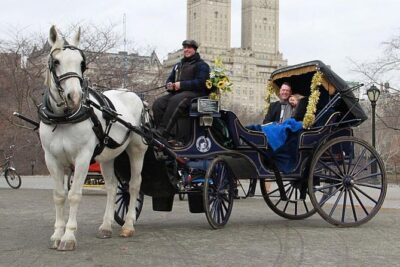
Official NYC Horse Carriage Rides in Central Park since 1979 ™
Read our review →


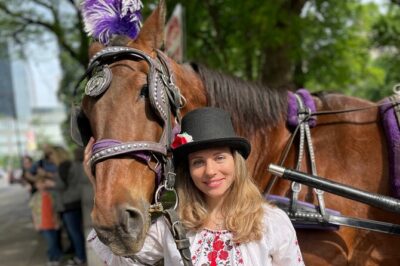
Carriage Ride in Central Park (VIP – PRIVATE) Since 1964™
Read our review →Browse the lists this tour appears in