
Reviewed · HARLEM TOURS
Central Harlem: Mecca of African-American Culture
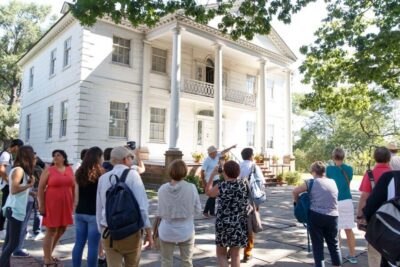
Central Harlem is best understood on foot, one block at a time. This two-hour walk links the Harlem Renaissance with the neighborhood you see today, from historic churches and grand homes to the shops and street life of 125th Street. A local guide gives the area a human voice, not just a list of dates.
I like the clear focus on Black history and culture, and I like that the walk also deals with present-day change, including gentrification and rebuilding. Guides such as George, Keith, William, and Jonathan have been praised for making complex subjects easy to follow. The main drawback is that two hours can only skim the surface, and one review found stretches of silence where more explanation would have helped.
Key points to know before you book
- Harlem Renaissance context: Learn why Central Harlem became a major center for Black music, dance, writing, politics, and business in the 1920s and 1930s.
- 125th Street today: See Harlem’s main shopping corridor, where older landmarks meet newer businesses and changing street life.
- Local guides: The walk is led by a licensed guide who lives in Harlem, with George, Keith, William, and Jonathan among the guides praised for their command of local history.
- Important landmarks: The route covers the Apollo Theater, Speaker’s Corner, Hotel Theresa, historic churches, stately homes, and other Harlem sites.
- A serious walking tour: Wear good shoes and suitable clothing. The walk may be moderately difficult for people with physical limitations.
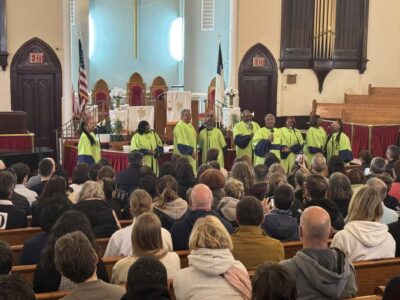
- No church or music visit: This is a neighborhood history walk, not an interior church tour or live music experience.
Why Central Harlem deserves two hours of your New York time

Central Harlem is not simply a neighborhood with famous music venues. It was a major home for African-American creativity and political life during the 1920s and 1930s, when writers, musicians, dancers, activists, and business owners helped shape American culture.
This tour gives you a way to connect those broad ideas to actual streets and buildings. You hear about jazz, Lindy Hop, and swing dance while walking through the places where Harlem’s cultural influence took form. The value is not only in learning names. You begin to see why this part of Manhattan mattered so much, and why its story still affects the neighborhood.
I especially like the tour’s mix of past and present. You are not placed in a frozen version of historic Harlem. The guide discusses current changes, including gentrification, rebuilding, and the hopes and concerns of people who live in the community. That makes the walk more useful than a simple parade of old landmarks.
The experience is priced at $30 per person for two hours. That is a fair price if you want a focused introduction and the chance to ask questions of a local guide. It is less suitable if you want a long museum visit, a concert, or extensive access inside buildings.
More Harlem Tours:
- NYC Highlights Tour: Bronx, Brooklyn, Harlem, Queens & Coney
★ 4.5 · 2,846 reviews - NYC: Contrasts Tour of Harlem, The Bronx, Queens & Brooklyn
★ 4.5 · 2,167 reviews - NYC: Harlem Hallelujah! Gospel Wednesday Concert
★ 4.7 · 1,638 reviews
Starting points at Lenox Avenue or St. Nicholas Avenue
The meeting point depends on the day. On Tuesday, you meet at 116th Street and Lenox Avenue, also called Malcolm X Boulevard, in front of the CVS. On Saturday, you meet at 145th Street and St. Nicholas Avenue, in front of 700 St. Nicholas Avenue.
These are different parts of Harlem, so check your booking details carefully before setting out. One person had trouble because the supplied meeting address was incorrect, though the local guide helped solve the problem. I would save the meeting point on your phone and arrive early, especially if you do not know the neighborhood.
The two meeting areas also suggest that the walk may cover different sections of Central Harlem depending on the day. Do not assume the Tuesday and Saturday routes will feel identical. Ask the guide at the start which landmarks and streets are planned for your outing.
This is a walking tour, so your practical preparation matters. Wear shoes you can use comfortably for two hours, and dress for the weather. The route may be moderately difficult for someone with limited mobility. A bathroom break has been included on at least one outing, but you should not expect a regular series of stops.
Quiet streets, grand homes, and historic churches

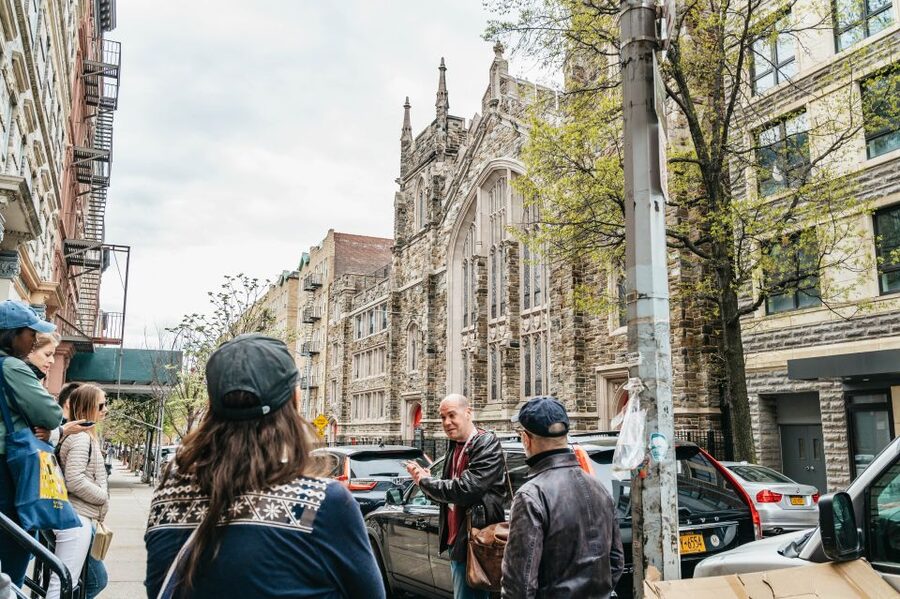
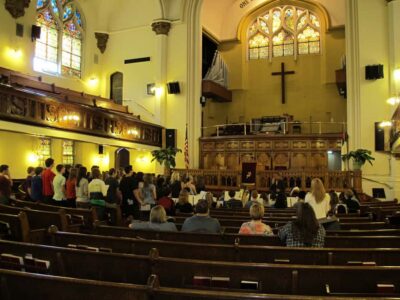
A strong part of the walk comes before you reach the better-known commercial corridor. You move through quieter streets where stately homes, historic churches, and older architecture help show Harlem as a place where people lived, worshiped, worked, and built institutions.
The buildings matter because Harlem’s story is not only about famous performers. Architecture gives you a feel for the neighborhood’s social scale and ambition. Grand homes and churches point to established communities and the importance of local organizations. Your guide can explain what you are seeing, which is especially helpful when a building looks ordinary at first glance.
One account of the route described a view from City College toward Alexander Hamilton’s home as a favorite moment. That detail shows how the tour can connect Harlem to the wider story of New York, rather than treating the neighborhood as an isolated pocket. You may also hear about the Schomburg Center, a major stop for understanding Black history and culture.
The Schomburg Center has a special emotional connection for some visitors. One person valued standing near the place associated with Langston Hughes. Details like this give the walk personal weight, but the guide’s treatment will depend on the route and the day.
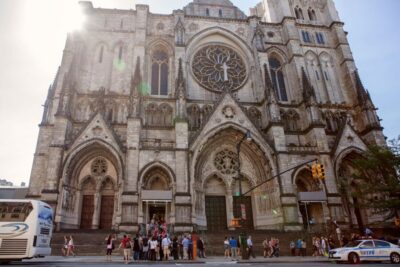
Do not expect to go inside every church or historic building. The tour focuses on neighborhood history, and the important information often comes from looking at the exterior and hearing how the place fits into Harlem’s story.
The Harlem Renaissance on the streets
The central lesson is how Harlem became a cultural center in the 1920s and 1930s. The period is often reduced to jazz clubs and famous writers, but this walk can help you see the broader picture.
Harlem was also a place of political discussion, community organizing, small businesses, churches, newspapers, and social clubs. Music and dance were central, with jazz, Lindy Hop, and swing becoming part of a larger cultural movement. The tour explains the significance of that period while placing it on the streets you are actually walking.
This is where the guide makes the biggest difference. George has been praised for sharing local insight in an engaging way. Keith has been noted for making the subject accessible to people from several countries without speaking down to anyone. Jonathan has been valued for presenting Black history and culture with care and balance.
Those qualities matter because Harlem’s story includes both celebration and struggle. You may hear about artistic achievement alongside racism, political pressure, housing change, and the difficult work of preserving community identity. A guide who can handle those subjects clearly will give you far more than a string of famous names.
The walk cannot cover everything. Two hours is enough to establish a strong foundation, but not enough to fully explore every writer, musician, church, political figure, and institution connected with Harlem. If the subject grabs you, use the tour as a starting point for a longer visit to the Schomburg Center or other cultural sites.
More New York City Tours:
- NYC: SUMMIT One Vanderbilt Tickets
★ 4.7 · 51,195 reviews - NYC: Empire State Building Tickets – Observatory & Museum
★ 4.7 · 25,757 reviews - New York City: Statue of Liberty & Ellis Island with Ferry
★ 4.6 · 18,683 reviews - New York City: American Museum of Natural History Ticket
★ 4.5 · 15,447 reviews
125th Street, where old Harlem meets the new
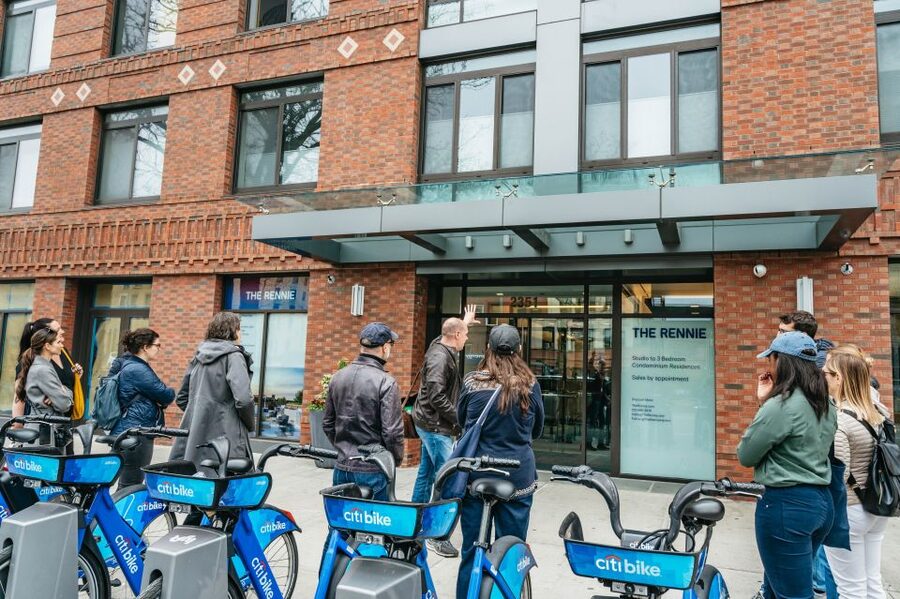
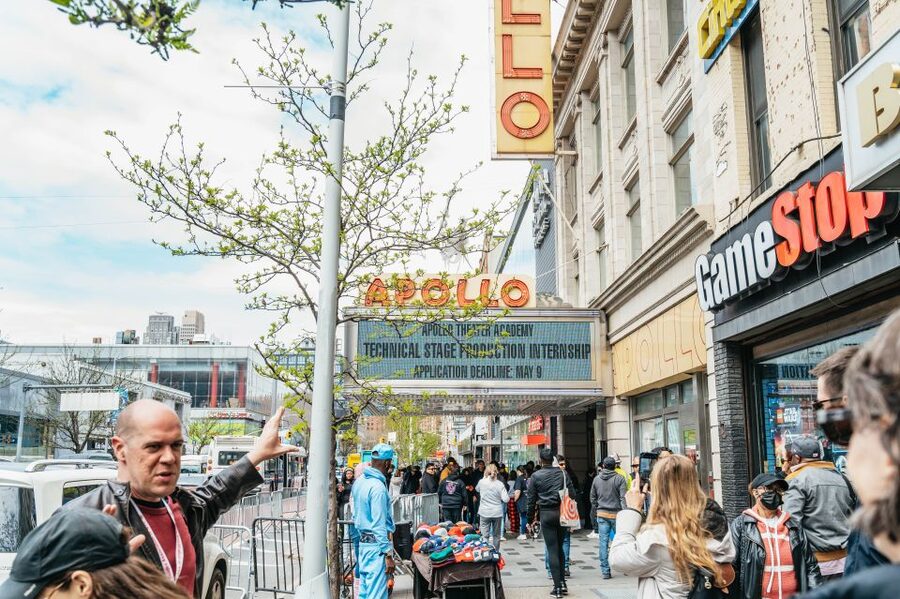
125th Street is Harlem’s main shopping corridor and one of the clearest places to see change. The street brings together older landmarks, newer shops, visitors, residents, and the everyday business of the neighborhood.
The guide uses this corridor to explain how Harlem’s past merges with its present. That is more useful than viewing 125th Street only as a shopping stop. You learn how the street functions as a public face of Harlem and how its commercial identity has changed over time.
I like this part because it keeps the tour grounded. After hearing about the Harlem Renaissance, you see a working district rather than a museum set. The mix of old and new can be exciting, but it can also raise difficult questions about who benefits from neighborhood change and how local identity is protected.
Do not expect a dedicated shopping break. The focus remains history and interpretation. If you want to browse stores or eat on 125th Street, plan to do that after the tour rather than trying to combine both activities.
The Apollo Theater and Harlem’s public memory
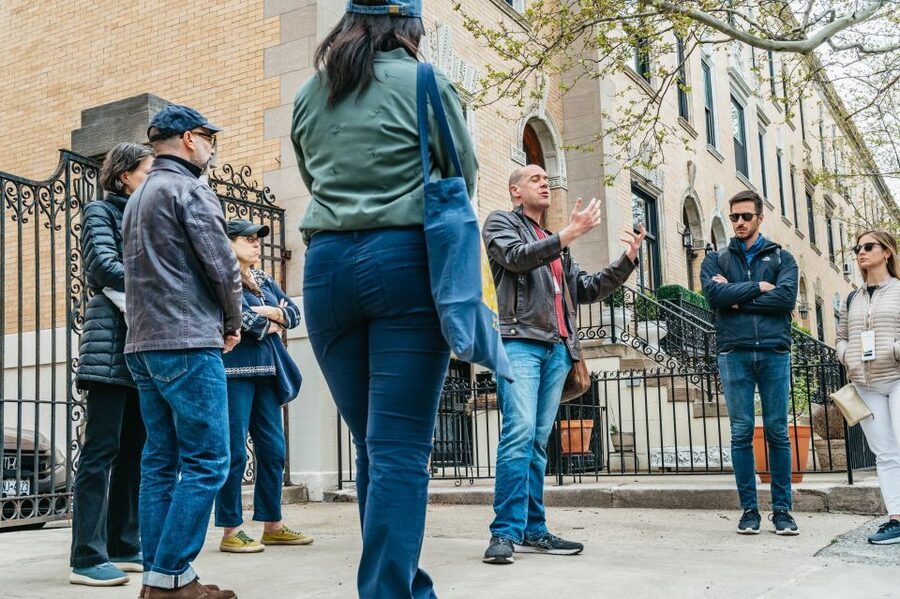
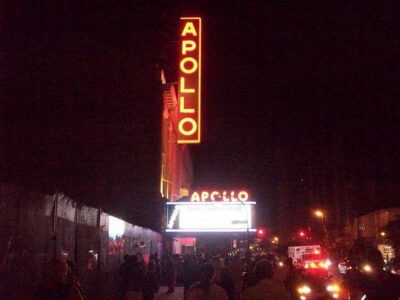
The Apollo Theater is one of the most recognizable stops on the walk. Its name carries the story of Black performance in New York, and learning about it in the context of the surrounding neighborhood makes the landmark more meaningful.
You will also hear about Speaker’s Corner, a place tied to public expression and community discussion. Together, the Apollo and Speaker’s Corner show two sides of Harlem’s public life: performance and debate. One brings people together through music and entertainment, while the other reflects the neighborhood’s long tradition of speaking openly about politics and society.
Hotel Theresa adds another layer. It is one of the sites connected with Harlem’s changing role in New York life and helps the guide move beyond a narrow music-centered account. The tour’s appeal lies in seeing several kinds of landmarks, not just the ones that appear on standard sightseeing routes.
The tour does not include a music performance. It also does not include a church service or interior church visit. If you want live gospel, jazz, or a show at the Apollo, you will need to arrange that separately.
What the guides add to the experience
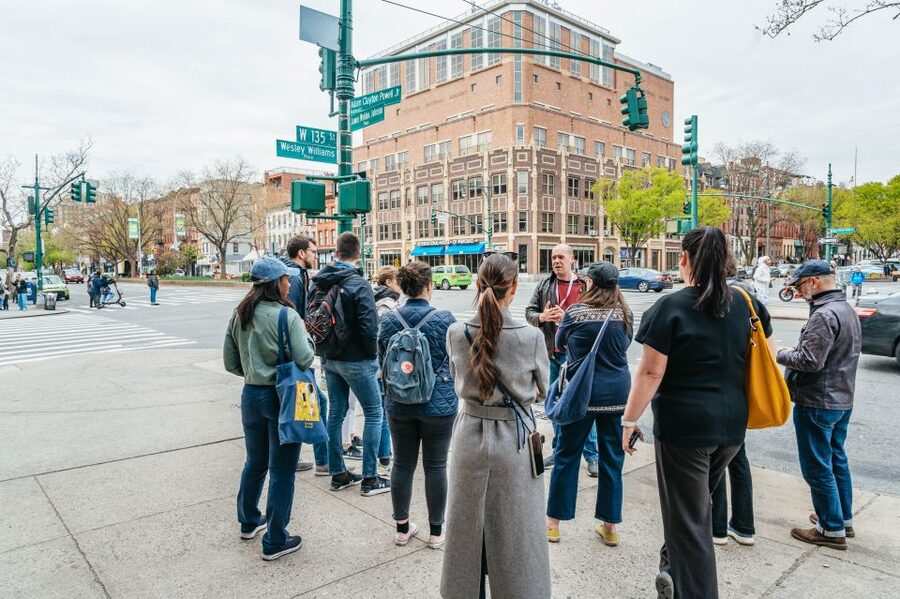
The strongest feature is the guide’s personal connection to Harlem. This is led by a licensed guide and Harlem resident, rather than being a general city walk delivered from a distance.
George has been praised for his local perspective and his ability to answer questions about the neighborhood. Keith has received especially strong praise for combining historical detail with an understanding of everyday life, current threats, and community hopes. William’s passion for explaining Harlem’s past has also been highlighted, while Jonathan has been appreciated for presenting Black history in a balanced way.
Those individual strengths make the experience feel less scripted. You can ask about a building, a street, or a subject that catches your attention. One person who works as a guide in Boston found Keith especially effective at making the subject accessible to a group from six different countries.
The quality may vary with the guide and the group. One four-star account described interesting areas and strong local knowledge, but also noted long silent stretches. If you want a constant stream of commentary, make a point of asking questions and letting the guide know what interests you.
The best approach is to arrive with a few questions. You might ask how the Harlem Renaissance affected daily life, how 125th Street has changed, or which local institutions remain most important. A walking tour rewards curiosity.
How much value do you get for $30?
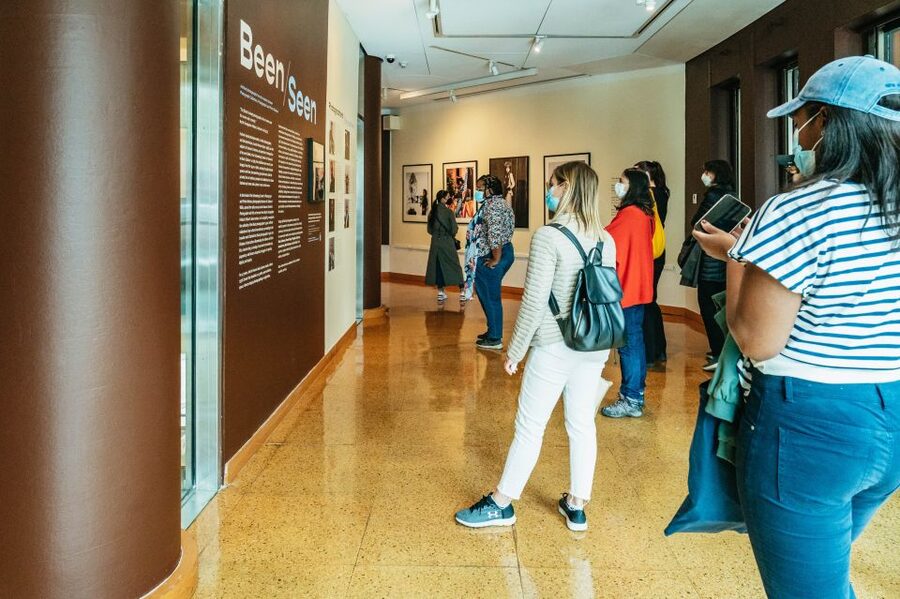
At $30, this is a reasonably priced way to get a structured introduction to Harlem. The cost pays for a two-hour walk, a licensed guide, and access to local context that you would not get from simply walking between landmarks on your own.
The value is highest if you are new to Harlem or want help making sense of what you see. A guide can connect the Apollo Theater, Hotel Theresa, churches, homes, Speaker’s Corner, and 125th Street into one story. Without that context, the route may look like a collection of unrelated buildings.
The value is lower if you prefer to explore alone, already know Harlem’s history well, or want extensive time inside cultural institutions. The tour does not include music, church visits, or a museum admission. You are paying for interpretation and local perspective, not a package of admissions.
The free cancellation up to 24 hours before the start gives you useful flexibility. You can also reserve now and pay later, which helps if your New York plans are still shifting.
Who should book this walk?
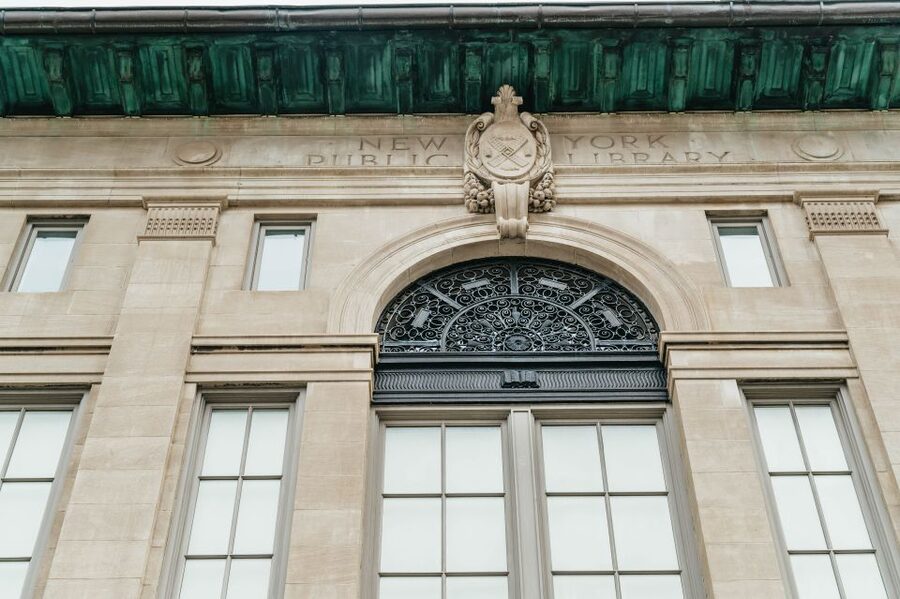
I would recommend it to first-time visitors who want a respectful introduction to Central Harlem, people interested in Black American history, and anyone who prefers neighborhoods over major tourist attractions. It also suits visitors who want to understand current changes rather than see only a polished version of the past.
The walk can work well for curious teenagers and adults, especially if they are ready to listen and ask questions. It is also useful for visitors from outside the United States because the guide explains the local story in a way that does not assume deep background knowledge.
You should think twice if you need a fully accessible route, dislike walking, or want entertainment rather than history. The route may be moderately difficult for people with physical challenges, and there is no live music component.
FAQ
How long is the Central Harlem tour?
The walking tour lasts two hours.
How much does the tour cost?
The price is $30 per person.
Where does the tour meet on Tuesday?
On Tuesday, the meeting point is at 116th Street and Lenox Avenue, also called Malcolm X Boulevard, in front of the CVS.
Where does the tour meet on Saturday?
On Saturday, the meeting point is at 145th Street and St. Nicholas Avenue, in front of 700 St. Nicholas Avenue.
What language is the tour offered in?
The live tour guide speaks English.
Does the tour include a church visit?
No. The tour discusses historic churches and the neighborhood, but it does not include a visit inside a church.
Does the tour include live music?
No. The tour focuses on neighborhood history and does not include a music performance.
What should I wear for the tour?
Wear suitable clothing and comfortable walking shoes. The tour may be moderately difficult for people with physical challenges.
Should you book the Central Harlem walk?
Book it if you want a thoughtful introduction to Harlem led by someone connected to the neighborhood. The best parts are the Harlem Renaissance background, the mix of quiet residential streets and 125th Street, and the chance to ask a local guide about both history and present-day change.
Go in with realistic expectations. This is not a concert, museum tour, or full-day study of Harlem. It is a two-hour orientation that can help you see the Apollo Theater, Hotel Theresa, Speaker’s Corner, historic churches, stately homes, and cultural institutions as parts of one continuing story.
At $30, that is a good deal for a first look, especially if you plan to return to explore the Schomburg Center, 125th Street, or Harlem’s arts and dining scene on your own. Just confirm the correct meeting point, wear good shoes, and bring questions.
Recently added in New York City
- NYC: Midtown Hands-On Bagel Baking Class★ 5.0 · 12 reviews
- Personalize Sightseeing Tour★ 5.0 · 92 reviews
- Photographer, Professional Photo shoot – New York★ 5.0 · 16 reviews
- Central Park Pedicab Tour with Guide★ 5.0 · 63 reviews
- Central Park Pedicab Guided Tour★ 5.0 · 17 reviews
- Official Central Park Pedicab Ride ( UP TO 3 PERSONS )★ 5.0 · 4 reviews
- JFK or LGA package only (Round trip transfer plus VIP Contrasts)★ 5.0 · 3 reviews
- Official Central Park Pedicab Tours★ 5.0 · 35 reviews
Harlem Tours, compared.

NYC Highlights Tour: Bronx, Brooklyn, Harlem, Queens & Coney
Read our review →
Contrasts Tour of Harlem, The Bronx, Queens & Brooklyn
Read our review →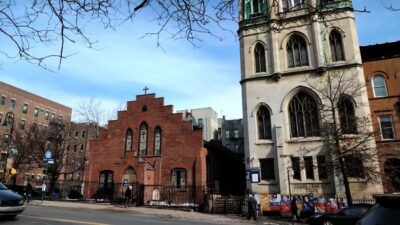
Browse the lists this tour appears in