
Reviewed · NYC WALKING TOURS
Central Park: Scandal & Vice Walking Tour
Central Park has a second story beneath its postcard image. This two-hour walk follows that darker thread, from 19th-century violence at the Arsenal to police raids and nighttime encounters in the Ramble. Along the way, you’ll hear about evictions, scandals, suspicious deaths, protests, and the odd corners of New York life that ordinary sightseeing tours skip.
I like the small maximum of 15 people, which gives you a fair chance to ask questions instead of shouting toward a guide at the back of a crowd. I also like the route’s range, especially the way it connects social history with specific places such as Hooverville, Strawberry Fields, and the Central Park Zoo.
The main consideration is tone. This is not a gentle tour of fountains and famous views. Some stories involve murder, sexual subcultures, police raids, vandalism, and poverty, so it suits curious adults more than anyone seeking a relaxed park stroll.
Key points before you book
- Ten stops from the Arsenal to the Ramble: The route crosses much of Central Park and ends near the west side of the park.
- A maximum of 15 people: The small group format leaves more room for questions and conversation.
- Stories beyond standard sightseeing: Expect evictions, a prohibition nightclub, Hooverville, suspicious deaths, protests, and arrests for indecency.
- A strong final stop: The Ramble’s history of cruising, police raids, films, and television gives the tour an unusual finish.
- Two hours for $40: The price is reasonable if you value guided context and focused storytelling rather than a general overview.
- Practical meeting plan: Start at the Arsenal at 11:00 a.m. and finish near the Ramble Stone Arch, with an escort out of the park available.
Why this Central Park tour feels different
Most Central Park walks center on design, famous residents, movie locations, or scenic views. This one asks a less polished question: what happened here when the park was used for conflict, protest, crime, romance, vice, and survival?
That angle gives familiar places a new meaning. The Arsenal is not just a handsome building near Fifth Avenue. Bethesda Terrace is not only a photo stop. Sheep Meadow is more than open grass for sunbathing. Each location becomes a setting for a story about how New York used public space and who was allowed to use it.
The tour is offered in English and includes an in-person guide. No individual guide name is provided, but the format is designed for discussion, and the small group helps. One recent participant specifically praised the guide for being accommodating, which is useful if you have questions or want a little more explanation at a particular stop.
You’ll spend much of the two hours walking between sites. The listed stops add up to about 92 minutes of talk time, leaving roughly half an hour for movement, pauses, and transitions. Wear comfortable shoes, and bring water since bottled water is not included.
More Central Park Tours:
- Central Park Pedicab Guided Tours
★ 5.0 · 7,108 reviews - Private Central Park Pedicab Tour
★ 5.0 · 6,981 reviews - NYC: Central Park Bike Rentals
★ 4.2 · 2,528 reviews
The Arsenal: Central Park’s troubled beginning
The tour starts at the Arsenal, at 830 Fifth Avenue. The opening five minutes give you a short history of Central Park before turning to the violence and infamy linked to the building in the 19th century.
This is also where the tour addresses the people who were removed before the park was built. That matters because Central Park is often presented as a grand civic improvement, with little attention to the communities displaced to make it possible. Starting here puts the park’s beauty beside the hard choices and unequal power behind its creation.
The opening is brief, so do not expect a long architectural lecture. Instead, you get a frame for the rest of the walk: Central Park was planned as public space, but public space has never been neutral. Who controls it, who gets pushed out, and who feels safe there are themes that return throughout the route.
The Central Park Zoo and its strange early purpose
The next stop, the Central Park Zoo, lasts about five minutes. The focus is not the modern animal collection but the zoo’s unusual beginnings and arrests for indecency connected with the site.
This is a good example of the tour’s method. A place that looks harmless in daylight can carry a much stranger past. The stop is short, but it gives you another way to read the park, as a place where public behavior was watched, judged, and sometimes punished.
Because the stop is compact, you may want to save questions for the walking stretch that follows. The route is not built around long pauses at every location. It moves at a steady pace, using several short stories to build a larger picture.
Balto and Central Park’s controversial statues
At the Balto statue, you’ll spend about 15 minutes hearing about the controversy around New York’s first dog statue. The talk also reaches other Central Park statues with scandalous connections.
Balto is an especially effective stop because the statue is easy to overlook once you have taken the familiar photograph. Here, the monument becomes part of a story about public memory, civic pride, and which figures New York chooses to honor.
The longer stop gives the guide time to connect Balto with the wider collection of statues in the park. If you normally hurry past monuments, this portion may change how you look at them. The drawback is simple: people hoping for a detailed account of every statue will find the coverage selective. The point is the controversy, not a complete catalog.
More NYC Walking Tours:
- SoHo, Little Italy, and Chinatown Walking Tour in New York
★ 5.0 · 3,153 reviews - Secrets of Grand Central Station Walking Tour New York City
★ 5.0 · 1,796 reviews - Greenwich Village Walking and Food Tasting Tour
★ 5.0 · 1,572 reviews - Artistic, Alternative Greenwich Village Walking Tour
★ 5.0 · 971 reviews
Rumsey Playfield and a lost nightclub
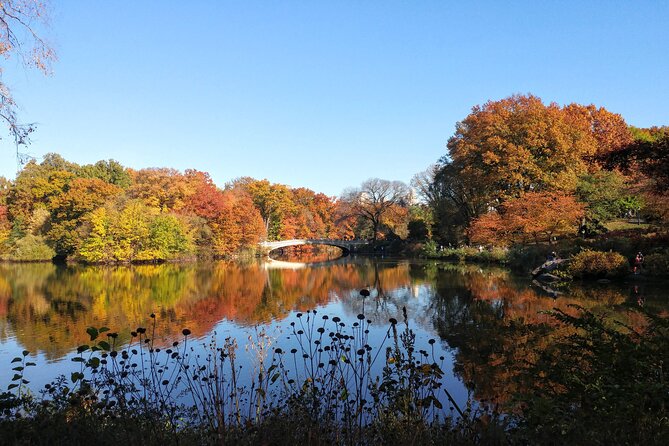
At Rumsey Playfield, the tour turns to quarrels over the Wisteria Pergola and a prohibition-era nightclub that once operated in Central Park. The stop lasts about seven minutes.
This section should appeal to anyone who likes the collision of architecture and nightlife. The pergola’s disputes show that even decorative park features can spark arguments, while the nightclub story adds a more secretive side to the park’s past.
It also widens the tour beyond crime in the narrow sense. Public arguments, changing tastes, alcohol restrictions, and attempts to control entertainment all become part of the story. You get a sense of Central Park as a place that has repeatedly been redesigned and reinterpreted.
Bethesda Terrace and the making of a modern park
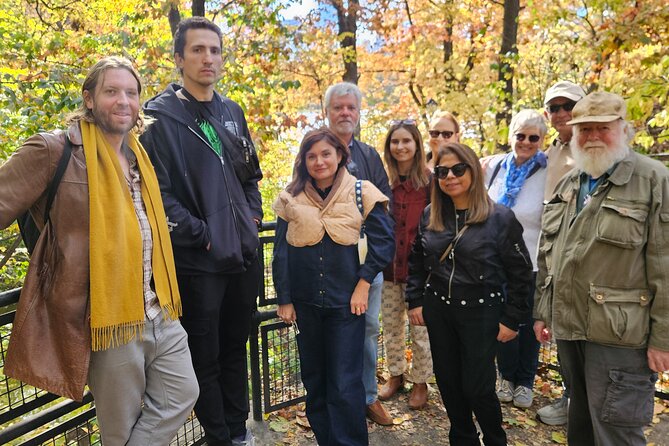
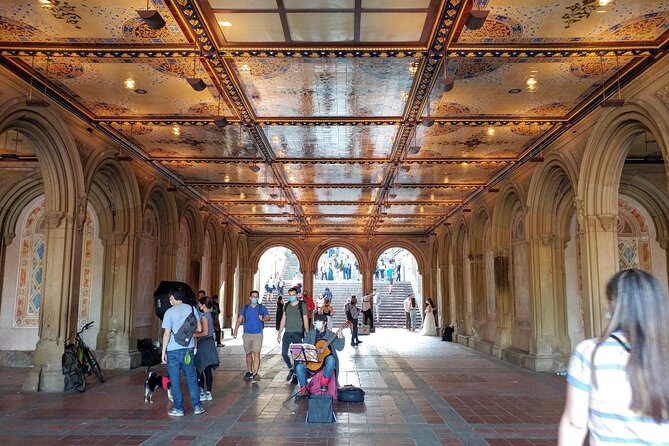
Bethesda Terrace receives about ten minutes, making it one of the more substantial stops. Here, you’ll hear about the scandal involving Jacob Wrey Mould, an important but often overlooked designer of Central Park, along with crime and vandalism that later helped prompt the creation of the Central Park Conservancy.
This is one of the most valuable sections because it connects personal scandal with institutional change. The terrace is famous for its grand setting, but its story also includes disputes over creative work, damage to public property, and the long effort to protect the park.
The mention of Mould adds useful balance to the usual story of Central Park’s designers. Rather than treating the park as the work of two celebrated names alone, the tour points to a third designer whose contribution is less widely known.
You’ll also see how decline in public spaces can lead to new systems of management. The crime and vandalism material is not just lurid decoration. It explains why preserving a huge urban park requires money, organization, and public attention.
Sheep Meadow and Central Park’s protest history
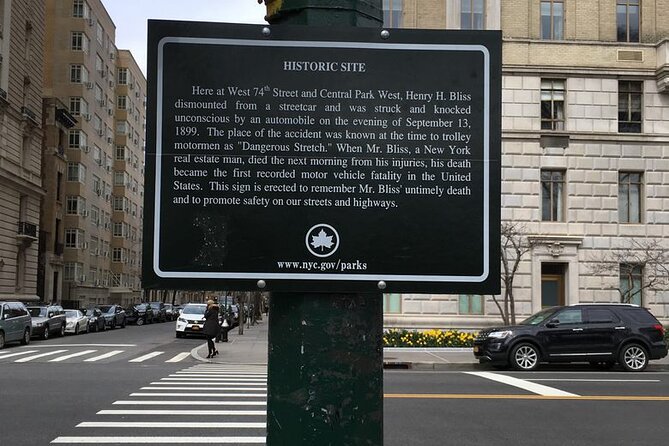
At Sheep Meadow, the tour spends about ten minutes on the Great Depression settlement known as Hooverville and on the meadow’s long history of protests and demonstrations.
This is a strong change of pace from scandals involving individuals. Hooverville brings economic hardship into the park, showing how Central Park has served as a refuge when people had nowhere else to go. The protest history then shifts the focus to public assembly and the right to make demands in a visible place.
I like this stop because it treats the meadow as civic space, not merely recreational space. You can look across the open field and imagine how differently it has been used at different times: as a temporary settlement, a gathering ground, and a place for public dissent.
The information is delivered during a broader walking route, so the stop will not recreate a full social history of the Great Depression or New York protest movements. It gives you a clear local connection and enough context to see the meadow differently.
Strawberry Fields and a murder shaped by class
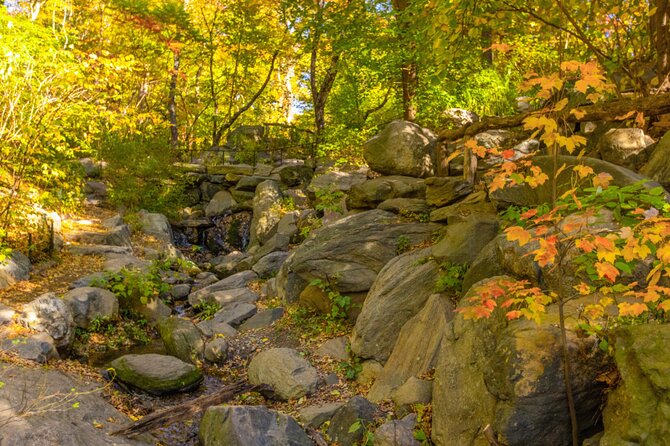
The Strawberry Fields stop lasts about ten minutes and centers on a gruesome murder linked to the area. The story also touches class and subculture, giving the stop a social angle beyond the crime itself.
This is one of the more serious moments on the route. Strawberry Fields is closely associated with peace and remembrance, so a murder story here creates a sharp contrast with the site’s familiar public image.
The value is in the connection between place and social divisions. You are not simply hearing a shocking incident for its own sake. The story shows how class and subculture can shape who is noticed, who is believed, and how a crime is understood.
If you prefer light sightseeing, this may be the point where the tour feels too dark. The subject matter is part of the experience, and the route does not soften its focus to suit a family-friendly theme.
The San Remo and stories of risk
Near the San Remo, the guide links Central Park to accidents, stunts, and suspicious deaths. The stop takes about ten minutes.
This section shifts from organized vice and social conflict to the risks people take in and around the park. The stories connect the famous building with unusual incidents, giving you a sense of how spectacle, danger, and suspicion have overlapped in New York.
The San Remo also provides a useful reminder that Central Park does not exist in isolation. The park’s history is tied to the apartment buildings, streets, and neighborhoods around it. You get more than a list of incidents. You get a look at the relationship between the park and the city pressing against its borders.
The American Museum of Natural History and a heist
The stop near the American Museum of Natural History focuses on a notorious heist connected with the park and a separate witness protection incident that ended badly. The talk lasts about ten minutes.
These stories add a crime-history layer without turning the experience into a conventional museum tour. The museum serves as a nearby landmark, while the stories point to the park and surrounding area as places where elaborate plans, hidden identities, and poor decisions could collide.
This part may appeal to you if you enjoy true-crime subjects but want them anchored to real streets and recognizable locations. The tour does not rely on abstract dates and names alone. It keeps returning to where events happened and how the space shaped them.
The Ramble and the tour’s most unusual history
The final main stop is the Ramble, where the tour covers cruising, nighttime incidents, police raids, and films and television shows inspired by that activity. The tour ends at the Ramble Stone Arch near Oak Bridge.
This is the boldest part of the experience. The Ramble’s history shows how public space can become a meeting place for subcultures that were often pushed out of more visible parts of the city. The discussion of raids also raises questions about policing, privacy, sexuality, and who gets to claim a public place after dark.
Ending here makes sense. The Ramble is less formal than Bethesda Terrace and less open than Sheep Meadow. Its paths and dense setting fit a story about secrecy, coded behavior, and nighttime encounters.
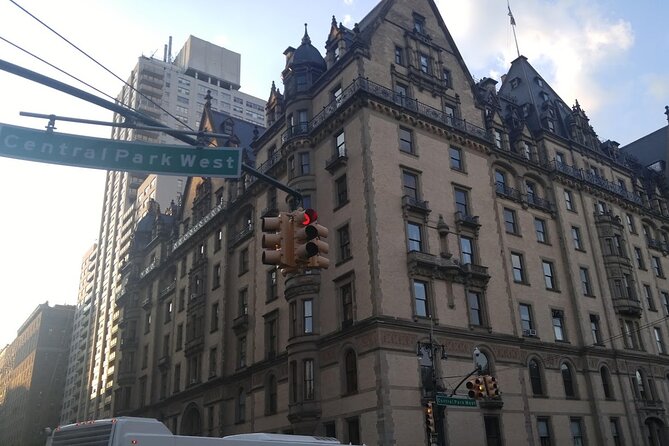
The tour ends inside the Ramble, but everyone can be escorted out afterward unless they choose to remain. The closest listed exit is at West 77th Street and Central Park West, near the 81 St-Museum of Natural History subway station on the B and C lines. That detail matters because the finish is not at the starting point, and you should plan your next stop from the west side of the park.
Is $40 a fair price?
At $40 per person, this is a fair buy if you want a focused, guide-led experience rather than a general walk through Central Park. You are paying for two hours of connected storytelling, an English-speaking guide, and a maximum group size of 15.
The value comes from the subject. You could walk past every stop for free, but you would not easily connect the Arsenal’s evictions, Sheep Meadow’s Hooverville, Bethesda Terrace’s preservation story, and the Ramble’s cruising history on your own.
The price is less appealing if you mainly want views, photography, or a broad introduction to park design. In that case, a standard sightseeing walk may give you more scenery and less difficult subject matter. This tour earns its cost by giving you a narrow but unusual focus.
The experience averages booking about nine days ahead, so it is sensible to reserve early if the 11:00 a.m. start fits your plans. You receive confirmation at booking, and cancellation is free up to 24 hours before the start time. Changes or cancellations inside that window are not accepted for a refund.
Who will enjoy this walk most?
I would choose this tour if you have already seen the usual Central Park landmarks or if you prefer social history to postcard views. It is especially suited to adults interested in crime, protest movements, urban change, LGBTQ history, public behavior, and the less polished side of New York.
A small group of up to 15 works well for solo visitors, couples, and friends who want to ask questions. It can also suit a group of friends visiting New York together, as long as everyone is comfortable with mature subjects.
The route is near public transportation, service animals are allowed, and most people can participate. The supplied details do not give a precise distance or a full mobility assessment, so anyone with walking concerns should ask the provider before booking.
Should you book Central Park: Scandal & Vice?
Book it if you want Central Park to feel less like a backdrop and more like a record of New York’s conflicts. The Arsenal, Sheep Meadow, Bethesda Terrace, Strawberry Fields, and the Ramble all take on sharper meaning through stories of displacement, poverty, protest, scandal, crime, and policing.
Skip it if you want a calm, scenic park tour or if dark subjects are not your idea of a good morning. For the right audience, though, $40 buys something hard to find in a standard sightseeing walk: a compact, small-group look at the people and behavior that shaped Central Park after the photographs were taken.
FAQ
Where does the Central Park Scandal & Vice Tour start?
The tour starts at the Arsenal, located at 830 Fifth Avenue, New York, NY 10065.
What time does the tour begin?
The start time is 11:00 a.m.
How long does the tour last?
The tour lasts approximately two hours.
Where does the tour end?
The tour ends at the Ramble Stone Arch near Oak Bridge in Central Park. The nearest listed exit is at West 77th Street and Central Park West, close to the 81 St-Museum of Natural History subway station on the B and C lines.
How large is the group?
The tour has a maximum of 15 participants.
Is cancellation free?
Yes. You can cancel at least 24 hours before the start time for a full refund. Cancellations or changes made less than 24 hours before the start time are not accepted for a refund.
Recently added in New York City
- Official Private NYC CentralPark Horse Carriage Ride Since 1972★ 4.0 · 5 reviews
- Central Park and 5th Avenue Walking Tour★ 5.0 · 12 reviews
- Central Park Yoga Class with a View in the Heart of New York City★ 5.0 · 13 reviews
- Guided Walking Tour Of Central Park★ 3.5 · 10 reviews
- Central Park Walking Tour with Yoga★ 5.0 · 24 reviews
- NYC Central Park Tour★ 5.0 · 3 reviews
- NYC Central Park Self-Guided Walking Tour★ 5.0 · 27 reviews
- Central Park New York Guided Walking Tour Semi-Private 12ppl Max★ 5.0 · 5 reviews
NYC Walking Tours, compared.
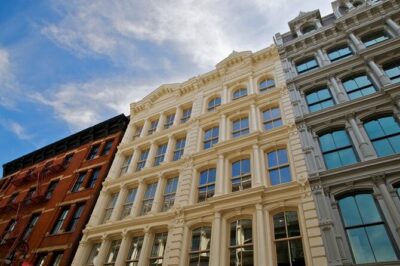
SoHo, Little Italy, and Chinatown Walking Tour in New York
Read our review →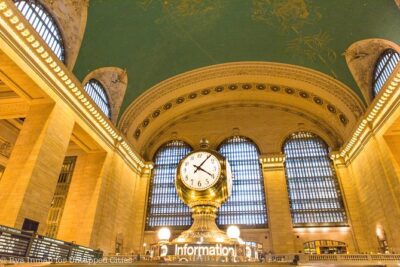
Secrets of Grand Central Station Walking Tour New York City
Read our review →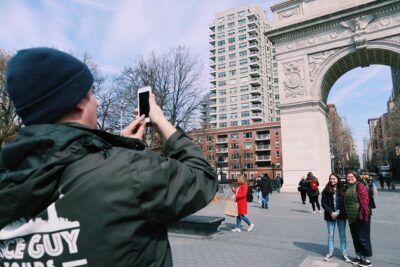
Greenwich Village Walking and Food Tasting Tour
Read our review →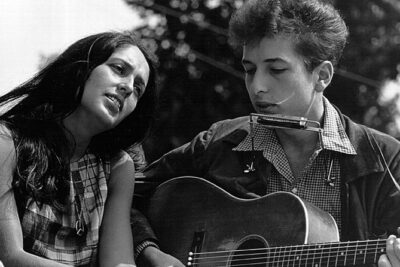
Artistic, Alternative Greenwich Village Walking Tour
Read our review →
NYC Greenwich Village Italian Food Guided Walking Tour
Read our review →Browse the lists this tour appears in