
Reviewed · LITTLE ITALY AND CHINATOWN TOURS
Chinatown and Little Italy Tour in New York City with Local Expert
New York’s Chinatown and Little Italy sit close together, but they tell very different stories. This walking tour links them with SoHo’s cast-iron streets, old police headquarters, Italian American landmarks, Chinese temples, museums, and plenty of places to eat. You get a useful street-level introduction rather than a sit-down food tour.
I like the mix of architecture and immigrant history, especially the way the route connects Italian and Chinese New York. I also like the practical finish in Columbus Park, where you can watch locals play chess, exercise, or relax after the walk. The main caution is that the guide quality has not been consistent, and the tour may feel rushed if all listed stops are treated as full visits.
Key points to know before booking
- The route covers four distinct areas: SoHo, Little Italy, Chinatown, and Columbus Park, with the most time spent on foot.
- Food is not included: You pass Lombardi’s, Rubirosa, Gelso & Grand, Super Taste, and Chinatown Ice Cream Factory, but you pay for anything you eat.
- The tour is about context, not tastings: Expect stories about immigration, architecture, organized crime, and local culture rather than a planned meal.
- Museum stops are useful orientation points: The Italian American Museum and Museum of Chinese in America can help you decide where to return later.
- Guides have made the difference: Adam, Robert, Jason, Chris, and Andrew are among the guides named in past experiences, with praise for enthusiasm and local insight but also some complaints about communication and pacing.
- Wear comfortable shoes: The route lasts about two hours, starts at 1:00 p.m., and ends in Columbus Park.
From 155 6th Avenue into SoHo
The tour begins at 155 6th Avenue, on the eighth floor, at 1:00 p.m. The opening section heads toward SoHo, where the city changes from office blocks and traffic into streets lined with old commercial buildings, fashionable shops, and public art.
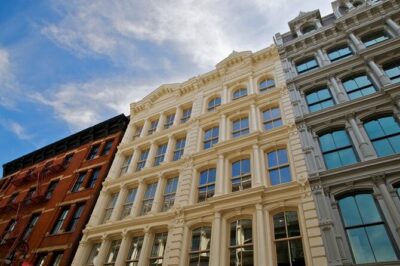
SoHo is often treated as a shopping district, but its architecture gives the neighborhood its real character. The area has more than 200 cast-iron buildings, one of the largest concentrations of this type of construction anywhere. Their decorative facades, columns, and tall windows make this one of the better parts of lower Manhattan for taking photographs.
You also get time to watch for street art and the occasional celebrity sighting. That is a lighthearted part of the tour, not a promise, but it gives you a sense of SoHo’s current image as a favorite area for models and film stars.
The two SoHo portions are listed as about 20 minutes each. That is enough for an introduction and a few strong photos, but not enough to examine every block. I would pay attention to the guide’s explanation of why cast iron was useful and how the district developed, then return later if you want a slower architectural walk.
More Little Italy and Chinatown Tours:
- SoHo, Little Italy, and Chinatown Walking Tour in New York
★ 5.0 · 3,153 reviews - NYC: Chinatown & Little Italy Food Tour with 7 Flavorful Tastings
★ 5.0 · 2,733 reviews - Original NYC Guided Food Tour of Chinatown and Little Italy
★ 5.0 · 2,194 reviews
Super Taste and the limits of the food stops
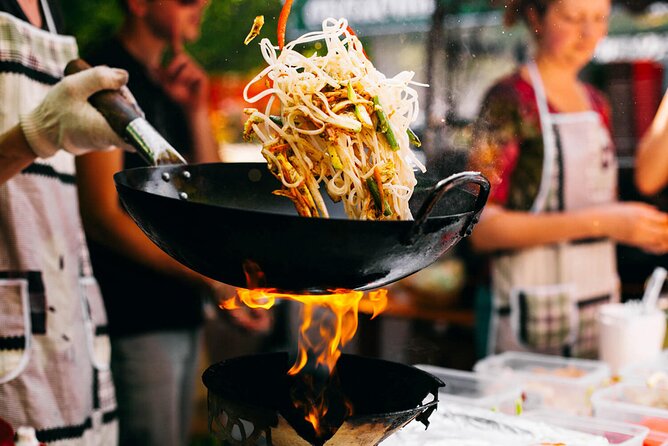
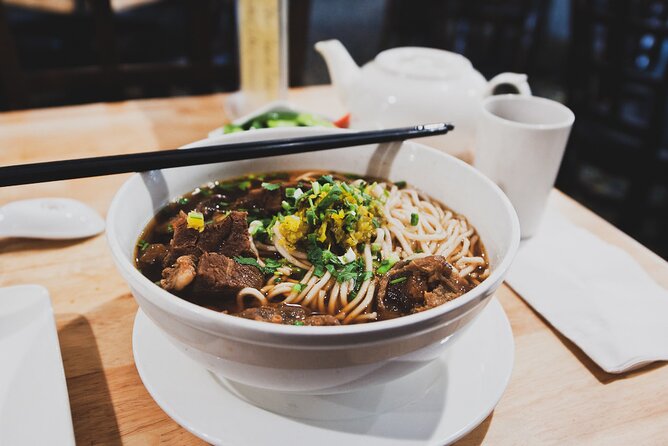
Super Taste is included as an early Chinatown food reference. It is known for noodles and low prices, and it can be a useful place to mark for a quick meal after the tour. The stop lasts about 15 minutes and does not include admission or food.
This is an important point: you are not being served a tasting menu. The tour passes or pauses near food businesses, but food and drinks are extra. If you arrive hungry, bring money for your own meal, or plan to eat afterward.
That arrangement works well for people who want freedom. You can choose noodles, pizza, dumplings, ice cream, or a full restaurant meal instead of being tied to a fixed menu. It works less well if you expected the guide to arrange samples or explain every dish in detail.
Little Italy through immigration, crime, and food
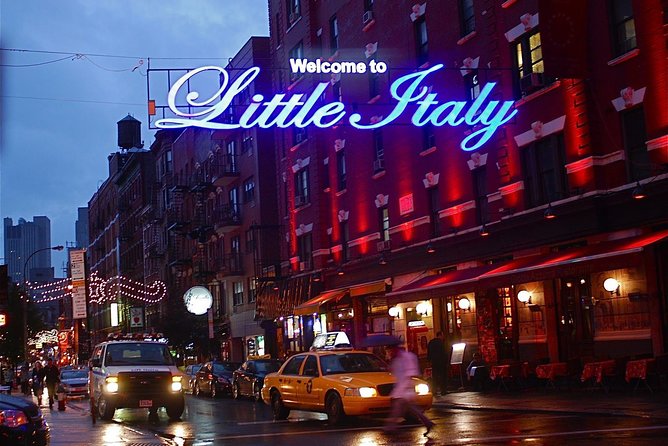
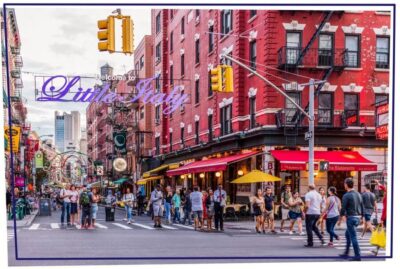
Little Italy receives a larger share of the cultural storytelling. The guide discusses Italian immigrants, the difficulties they faced when arriving in New York, and the neighborhood’s connections with organized crime. This is useful because the modern restaurant district can otherwise feel like a polished postcard version of a much larger community.
Little Italy used to cover more ground than it does today. One example is the brick house at 247 Mulberry Street, between Prince and Spring Streets. It was once linked with meetings involving Italian Mafia bosses and is now occupied by a shoe store. That kind of change helps you see how old neighborhood stories survive even after the original businesses and residents have moved on.
If you visit around September, street festivals may close some roads and bring temporary food stands and vendors into the area. The tour does not include those events, but the guide’s advice can help you plan a return visit at a livelier time.
Lombardi’s, Rubirosa, and Gelso & Grand
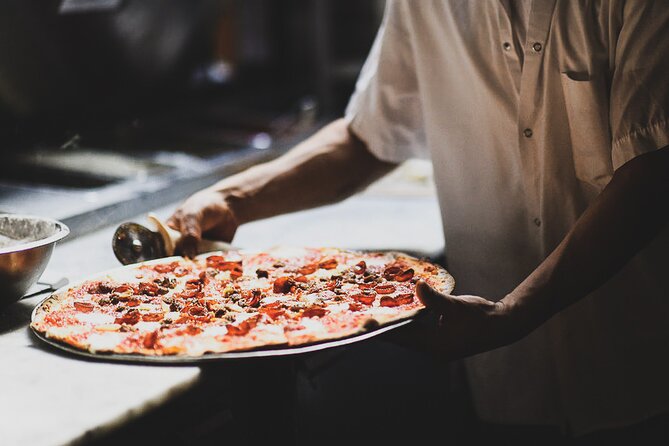
Lombardi’s is presented as the first pizzeria in the United States. The stop is short, about 10 minutes, so think of it as a landmark and restaurant suggestion rather than a pizza meal. The coal-oven pizza is described as simple, with tomato sauce and basil, but the ingredients and cooking style are the point.
Rubirosa provides another food option, with Italian dishes, wine, and a pizza hour offering two pizzas for $16. Gelso & Grand is suggested for homemade pasta, grilled dishes, and a rustic setting. You can write down these names and return after the walking tour, when you have time to sit down.
The best way to approach these stops is to separate sightseeing from eating. A 10-minute pause is not enough for a relaxed restaurant meal, and the tour price does not cover your order. If pizza is your main reason for booking, this is the wrong format. If you want food recommendations along with city stories, it can be useful.
More New York City Tours:
- NYC: SUMMIT One Vanderbilt Tickets
★ 4.7 · 51,195 reviews - NYC: Empire State Building Tickets – Observatory & Museum
★ 4.7 · 25,757 reviews - New York City: Statue of Liberty & Ellis Island with Ferry
★ 4.6 · 18,683 reviews - New York City: American Museum of Natural History Ticket
★ 4.5 · 15,447 reviews
The Police Building and Chinatown’s changing streets
The former Police Headquarters at 240 Centre Street, commonly called the Police Building, is another architectural pause. It served as police headquarters from 1909 to 1973 and is now associated with private residences. The building gives the route a different mood from the restaurants and souvenir shops of Little Italy.
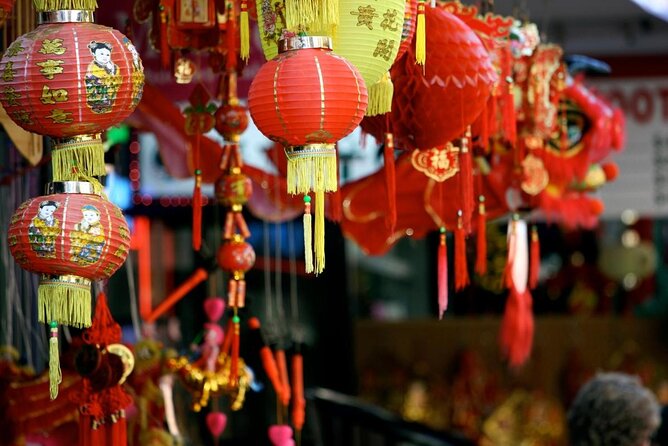
A short photo stop at 67 to 73 East Broadway adds a classic lower Manhattan view: older buildings, taller skyscrapers, busy streets, and Chinese lamps overhead. Five minutes is enough to take a picture, but you will need to keep moving.
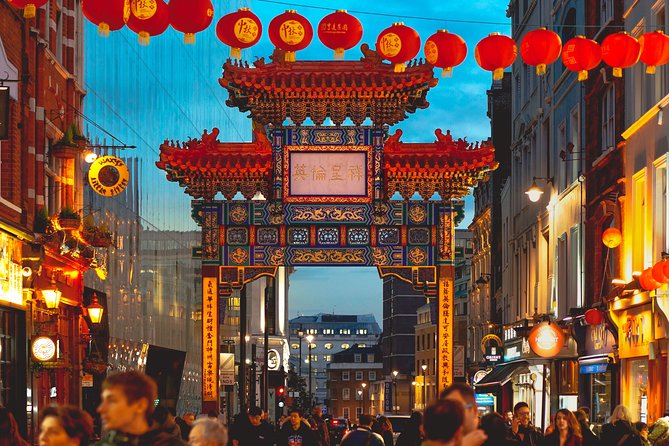
The route then enters Chinatown, one of Manhattan’s oldest neighborhoods and one of the largest concentrations of Chinese residents in the Western Hemisphere. Here the experience shifts from Italian immigrant history to Chinese culture, local businesses, religious life, and public space.
I like this transition because the neighborhoods are close geographically but distinct in feel. You do not need a vehicle, and walking lets you notice signs, storefronts, building details, and street activity that would pass too quickly from a bus or taxi.
Museums that give the walk more depth
The Italian American Museum is located in an old bank building that once helped connect immigrants with relatives back home through various services. Opened in 2007, it focuses on Italian American life in New York and offers a useful follow-up to the guide’s stories.
The stop is listed at about 10 minutes, so you should not expect a full museum visit during the tour. Instead, use it to decide if you want to return. Admission is not listed as included, and the tour only includes its own fees and taxes.
The Museum of Chinese in America at 215 Centre Street offers another possible return visit. Its permanent exhibition, With a Single Step: Stories in the Making of America, covers about 160 years of Chinese history in New York, with rotating exhibitions as well.
These museums matter because a short walking tour can only sketch large subjects. If you want personal stories, documents, and exhibits instead of outdoor commentary, plan extra time on another day. The guide’s role here is to point you toward the places that can fill in the details.
Chinatown Ice Cream Factory and Mahayana Buddhist Temple
The Original Chinatown Ice Cream Factory is one of the most appealing food suggestions on the route. It is family-run and offers unusual flavors such as Thai iced tea, Zen butter, and taro, along with more familiar coconut and cherry vanilla. You buy your own serving, but this is an easy place to return after the tour.
At Mahayana Buddhist Temple Buddhist Association on Canal Street, you see one of the area’s most distinctive religious spaces. It is described as the oldest Chinese temple on the East Coast and is open to the public year-round. Weekend services may take place in Mandarin, and you can bring a dollar for a fortune.
The temple stop is brief, about 10 minutes. Be respectful, keep your voice down, and treat it as a place of worship rather than only a photo opportunity. The route gives you a glimpse of its cultural role, but you will need a separate visit if you want more time there.
Columbus Park is the right place to finish

The tour ends at Columbus Park, the largest park in Chinatown, on Mulberry Street at Baxter Street. This is more than a convenient endpoint. It is a good place to slow down after the narrow streets and restaurant stops.
You may see people playing chess, exercising, reading, or simply sitting together. If you have picked up street food, the park gives you a practical place to eat and watch neighborhood life.
Ending here also makes the tour easy to extend. You can continue exploring Chinatown, return to one of the museums, look for a restaurant, or use the nearby streets to reach public transportation. The guide is also expected to offer advice about what to do next, which is especially helpful if lower Manhattan is new to you.
What the $99 price really buys
At $99 per person, this is not a cheap way to find lunch. Food, drinks, museum admission, and gratuities are separate, so your total cost can rise quickly if you follow several restaurant suggestions.
The value comes from the guide and the route. You are paying for roughly two hours of local explanation, an organized walk through several neighborhoods, photo locations, and practical recommendations. For a first visit, that can save time and help you understand why these areas matter.
The group can contain up to 20 people. That is small enough for a walking tour to function, but not necessarily intimate. Guide quality matters a great deal at this size. Adam was praised for his enthusiasm, New York knowledge, and extra comments about film and television locations. Andrew was praised for his friendly manner and explanations of immigration and assimilation. Chris received credit for helping a couple who missed the start and for walking them to the correct subway station afterward.
There have also been serious problems with some departures. One guide was criticized for weak English, disorganized photos, getting lost, and ending the tour early. Another guide was described as disengaged, while a separate experience involved leaving the meeting point a minute or two early. These are not small concerns. Confirm the meeting point and time carefully, arrive early, and contact the operator if anything changes.
Who should book this walk
I would choose this tour if you want history, culture, and architecture in one route, and you are happy to make your own food choices. It suits first-time visitors, families with older children who can manage two hours on foot, and anyone who wants an introduction before returning to the museums or restaurants.
It is also a good match if you enjoy stories about how neighborhoods change. The former police headquarters, the shrinking footprint of Little Italy, immigrant banking services, Chinese religious life, and Columbus Park all add more than simple sightseeing.
I would not book it expecting a dedicated food tour. The route mentions excellent places, but the short stops do not allow much eating. You should also think twice if you need a highly dependable, polished guiding performance, given the uneven guide experiences associated with this departure.
The moderate fitness requirement is sensible. The tour is on foot, uses city streets, and includes several stops rather than one long indoor visit. Wear comfortable shoes and leave room in your schedule for a meal or museum afterward.
Cancellation is free up to 24 hours before the 1:00 p.m. start. Inside that 24-hour window, the payment is not refunded, and changes are not accepted.
Should you book the Chinatown and Little Italy Tour?
Book it if you want a compact introduction to lower Manhattan with a local guide, especially if the immigration stories and cast-iron architecture interest you as much as the restaurants. The best parts are the range of neighborhoods, the useful museum pointers, and the chance to finish among locals in Columbus Park.
Skip it if your priority is pizza, dumplings, or ice cream included in the price. You can walk these districts yourself, but the right guide adds context that is hard to get from storefronts alone. Before paying $99, confirm the meeting details and understand that the experience depends heavily on who leads your group.
FAQ
How long does the Chinatown and Little Italy Tour last?
The tour lasts approximately two hours. The listed stops range from about five to 20 minutes, so many are short explanations or photo pauses rather than full visits.
Where does the tour start?
It starts at 155 6th Avenue, eighth floor, New York, NY 10013, at 1:00 p.m.
Where does the tour end?
It ends at Columbus Park, at Mulberry Street and Baxter Street in Chinatown.
Is food included in the tour price?
No. Food and drinks are not included. You may receive recommendations for places such as Lombardi’s, Super Taste, Rubirosa, Gelso & Grand, and Chinatown Ice Cream Factory, but you pay for anything you order.
Are museum admissions included?
The tour includes its own fees and taxes, but admission to the Italian American Museum and Museum of Chinese in America is not listed as included. The route points out these museums as places you can visit later.
Is the tour offered in English?
Yes. The experience is offered in English and includes a local guide.
Can I cancel for a full refund?
Yes, if you cancel at least 24 hours before the experience’s start time. Cancellations or changes made less than 24 hours before the start are not refunded or accepted.
Recently added in New York City
- NYC: Midtown Hands-On Bagel Baking Class★ 5.0 · 12 reviews
- Personalize Sightseeing Tour★ 5.0 · 92 reviews
- Central Park Pedicab Tour with Guide★ 5.0 · 63 reviews
- Central Park Pedicab Guided Tour★ 5.0 · 17 reviews
- Photographer, Professional Photo shoot – New York★ 5.0 · 16 reviews
- Official Central Park Pedicab Ride ( UP TO 3 PERSONS )★ 5.0 · 4 reviews
- JFK or LGA package only (Round trip transfer plus VIP Contrasts)★ 5.0 · 3 reviews
- Official Central Park Pedicab Tours★ 5.0 · 35 reviews
Little Italy and Chinatown Tours, compared.
SoHo, Little Italy, and Chinatown Walking Tour in New York
Read our review →
Chinatown & Little Italy Food Tour with 7 Flavorful Tastings
Read our review →
Original NYC Guided Food Tour of Chinatown and Little Italy
Read our review →
SoHo, Little Italy, and Chinatown 2-Hour Guided Walk
Read our review →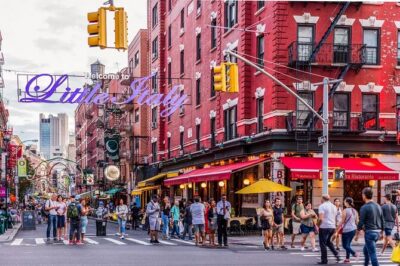
SoHo, Little Italy, and Chinatown NYC Guided Walking Tour
Read our review →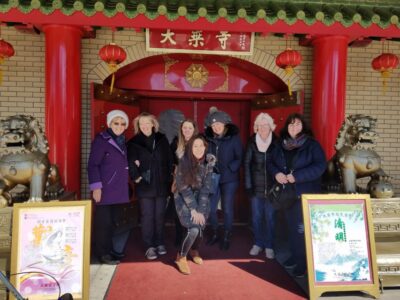
3 Neighborhoods Tour: Soho, Chinatown & Little Italy
Read our review →Browse the lists this tour appears in