Reviewed · CITY TOURS
Explore the Ruins of a Forgotten City in the Middle of Manhattan
The most surprising thing here is how much of old Manhattan survives in plain sight. Around Madison Square, Fifth Avenue, Broadway, and Sixth Avenue, grand buildings reveal a vanished city of carriage trade shops, publishing houses, music sellers, hotels, saloons, and brothels. The tour is less about checking off landmarks than learning how to read the streets.
I like the small current group size, capped at five, and I like the way guide Rob connects architecture with money, politics, social class, and ordinary business. The old photographs he uses add another layer, showing buildings and street scenes that have disappeared. The main consideration is pace: two to three hours on city sidewalks can feel long in cold, wet, or hot weather, and this is best for people who enjoy detail more than quick sightseeing.
Why this walk is different
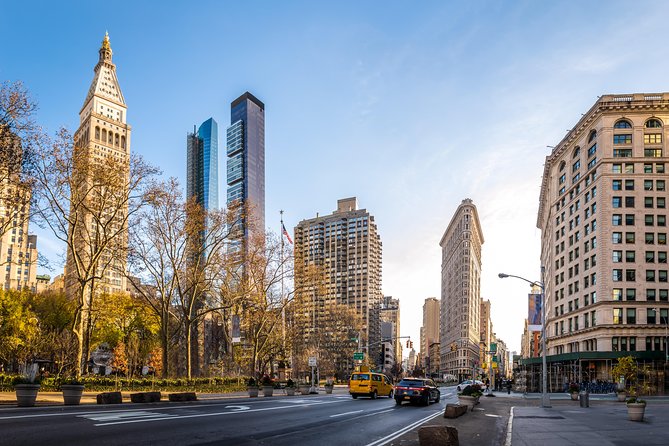
- The Flatiron area becomes a history book: You follow New York’s move uptown from the 1860s through the 1920s, then see how later business districts replaced elite residential blocks.
- Rob brings visual evidence: Historic photographs help you compare the streets of today with earlier versions of the same blocks.
- The group is capped at five: That allows room for questions and a more personal exchange than a large sidewalk crowd.
- Vanished districts get equal attention: The former Tenderloin, Tin Pan Alley, Ladies’ Mile, and Paternaster Row all become part of the story.
- The focus goes beyond buildings: You hear about Astors, Vanderbilts, publishers, department stores, musicians, presidents, and the social forces that changed the neighborhood.
- The $59 fee buys time and interpretation: There are no admission tickets included because the tour is built around public streets, architecture, and the guide’s research.
Start beneath the Flatiron Building
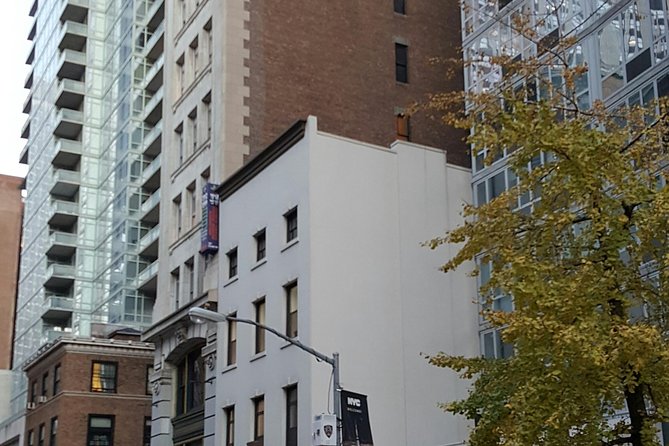
The walk begins at the Flatiron Building, at 175 Fifth Avenue. The building itself gets only about 15 minutes at the start, which is sensible. You get the basic setting first, then move quickly into the larger story of Madison Square and the blocks around it.
The central period is the Gilded Age, roughly from the 1860s to the 1920s. New York was growing fast, industrial fortunes were piling up, and the city’s social center was moving north. Madison Square became a place where old inherited wealth met newer industrial money.
I appreciate that the tour does not treat the Flatiron Building as an isolated photo stop. You learn why this part of Manhattan mattered before the famous tower arrived, and how commercial construction changed the neighborhood. The building is a useful starting point because it sits at a crossroads of Fifth Avenue, Broadway, and 23rd Street.
More New York City Tours:
- NYC: SUMMIT One Vanderbilt Tickets
★ 4.7 · 51,195 reviews - NYC: Empire State Building Tickets – Observatory & Museum
★ 4.7 · 25,757 reviews - New York City: Statue of Liberty & Ellis Island with Ferry
★ 4.6 · 18,683 reviews
Madison Square and the struggle for social power
Madison Square Park is the first major stop. The park sits where Fifth Avenue, Broadway, and 23rd Street meet, and the tour uses that junction to explain a major change in New York society.
The Astors represented older wealth and social authority. The Vanderbilts and other industrial families brought in fortunes on a much larger scale. The shift was not simply about rich families replacing other rich families. It affected where people lived, how they shopped, which buildings were erected, and who could claim influence in New York.
You spend only about 10 minutes in the park itself, but the point is to establish the social machinery behind the architecture. That short stop gives you a useful framework for the rest of the walk. Grand façades stop looking like decoration and begin to show you who paid for them, who used them, and what kind of city they were meant to support.
Fifth Avenue and the old manufacturing blocks
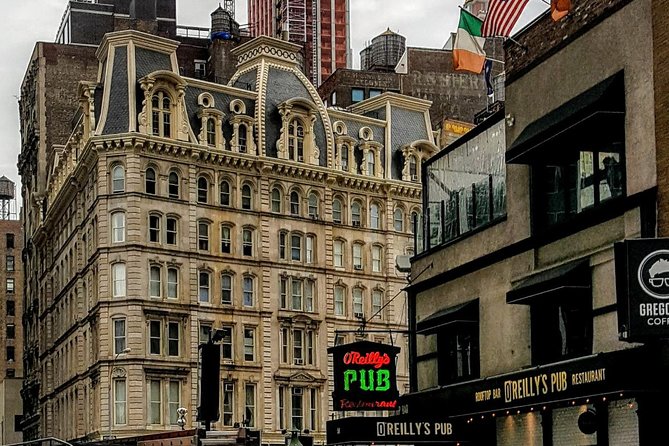
From Madison Square, the route follows Fifth Avenue between 23rd and 18th Streets. This is one of the strongest sections for anyone interested in architecture because Rob examines how the blocks developed in sequence.
You look at the late 19th-century steel-frame manufacturing loft building, a practical type that spread across Manhattan. Many were tall, narrow, and decorated in Beaux Arts styles. Their façades could look formal and grand, but inside they served working businesses, including manufacturers, publishers, architects, textile firms, and piano sellers.
This part of the walk helps you spot the difference between a building’s public face and its working purpose. A handsome stone exterior might have held offices, production rooms, showrooms, or storage. That contrast is one of the tour’s most useful lessons. New York architecture often tells you about business before it tells you about beauty.
The route also introduces Paternaster Row, a largely forgotten publishing and home mission district. The name may be unfamiliar, but the idea is memorable: a former upper-class street changed into a practical office center as commercial New York pushed into residential territory.
Broadway’s carriage trade between Madison and Union Square
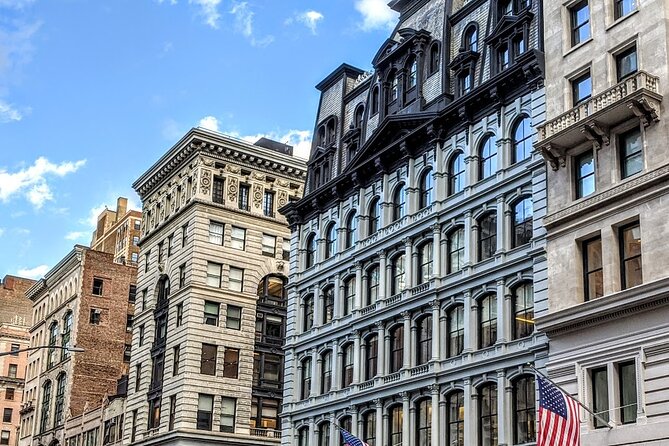
The short stretch of Broadway between Madison and Union Square is one of the most unusual parts of the walk. The route covers only about six blocks, but those blocks contain fragments of French Second Empire, Beaux Arts, and Neo-Classical design.
This was part of the Ladies’ Mile shopping district, where upscale stores served the carriage trade. The section discussed here was unusually quiet because it lacked both an elevated train and street-level horse-car rails. Women could step from their carriages and shop without the noise and congestion found elsewhere.
Today, the street can feel calmer than you might expect in central Manhattan. That makes it easier to notice the building fronts and imagine the old commercial purpose. The stop near ABC Carpet & Home lasts about 15 minutes, giving you time to understand why this small section has a different character from the surrounding avenues.
I like this stop because it shows how transportation shaped shopping. A street did not need to be louder or busier to be important. In this case, quiet access helped create an exclusive retail district.
More City Tours in New York City:
- New York City: American Museum of Natural History Ticket
★ 4.5 · 15,447 reviews - New York City: Manhattan Helicopter Tour
★ 4.7 · 7,076 reviews - Top of the Rock Observation Deck New York City Ticket
★ 4.5 · 4,556 reviews - From New York City: Washington and Philadelphia 1-Day Tour
★ 4.5 · 2,877 reviews
A short presidential connection
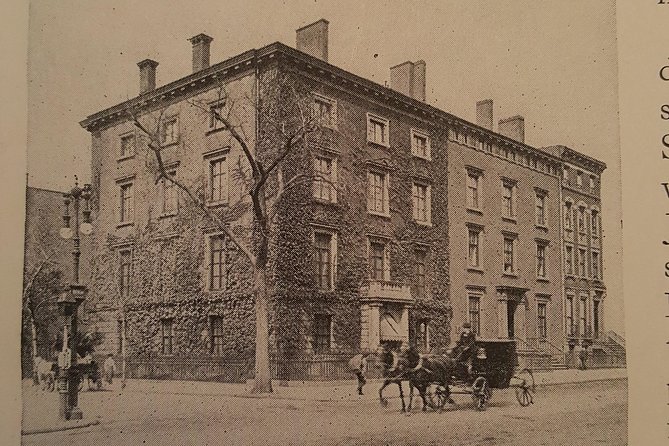
One part of the route explains how the life of a former president fits into the neighborhood’s story. The supplied details do not identify which president or provide a separate stop name, so you should think of this as a brief historical link within the walk rather than a major museum-style visit.
That kind of connection suits the tour’s larger method. The guide keeps tying individual lives to streets, buildings, and changes in the city. If you want a focused presidential attraction, this is not that. If you enjoy seeing how public figures fit into a wider urban story, it adds useful context.
Sixth Avenue and the department-store era
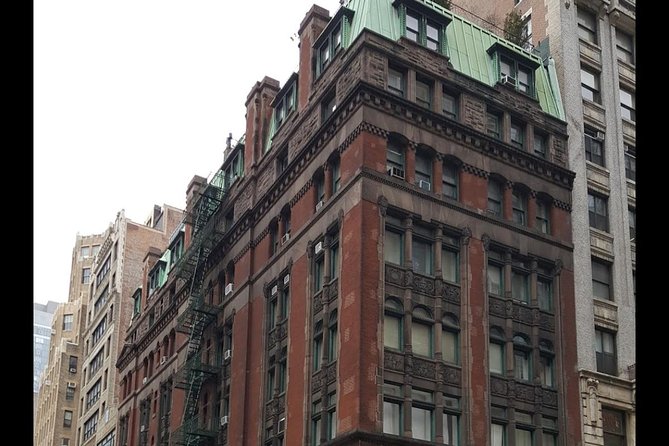
The blocks of Sixth Avenue, also called Avenue of the Americas, between 18th and 23rd Streets offer another shift in class and commerce. Here, you see preserved department stores and shopping buildings that served a broader middle-class market.
Some establishments still reached the carriage trade, but the area was not as exclusively elite as the Fifth Avenue blocks. The tour looks at the department stores that once gave this stretch its energy, then uses their surviving façades to explain earlier occupants and changing shopping habits.
This is a good reminder that commercial districts do not remain fixed. A street can move from elite residences to manufacturing offices, then to department stores or other uses. The buildings may remain while the people, businesses, and social meaning change.
The stop takes about 10 minutes, but the walking commentary continues between locations. I would not expect long interior visits. The value is in seeing the buildings from the sidewalk and learning how they fit together.
Crossing into the old Tenderloin
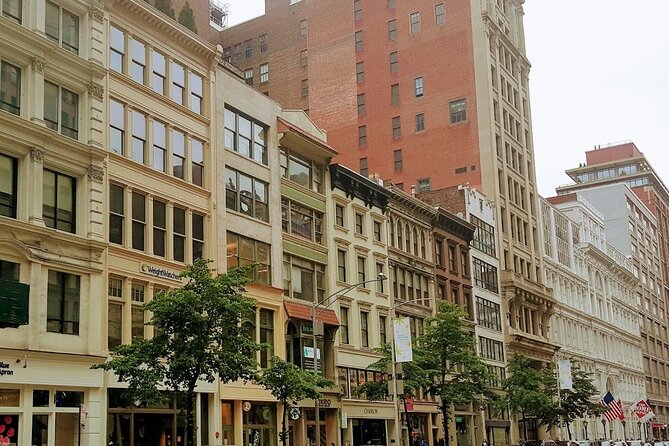
After crossing 23rd Street, the tone changes sharply. You enter the area once known as the Tenderloin, a district associated with saloons, brothels, gambling halls, and adult entertainment before radio and television transformed leisure.
What makes this section striking is its proximity to respectable cultural and commercial life. The same broad part of Manhattan could attract wealthy shoppers, theatergoers, business owners, and people seeking illicit entertainment. The contrast says a great deal about the limits of tidy city labels.
Fewer buildings survive here, partly because red-light districts are rarely preserved with the same care as elite residential or commercial streets. The remaining structures also point to middle and lower-middle-class neighborhoods, including large African American and Jewish communities.
The stop lasts about 15 minutes and covers some of the area’s most scandalous stories. This is likely to appeal to you if you enjoy social history, urban change, and the less polished side of New York’s past. It may feel less comfortable than the grand shopping streets, but that is exactly why it matters.
Tin Pan Alley and the business of popular music
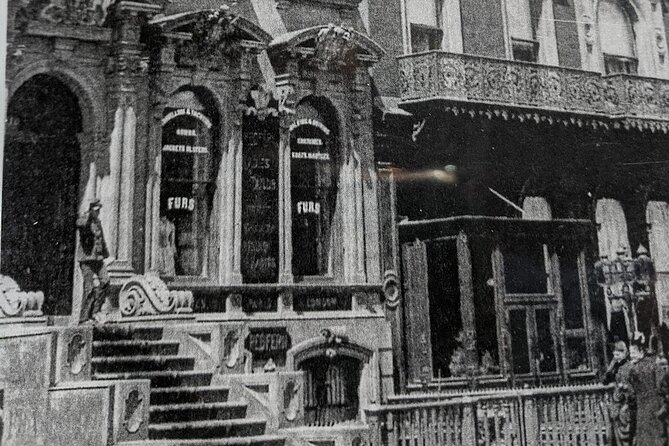
At Tin Pan Alley, the route shifts from architecture and nightlife to the early American music industry. For a short period, a few buildings along 28th Street between Fifth and Sixth Avenues became a center for sheet music and popular songs.
The stop lasts only about five minutes, but it introduces an important idea: popular music was not just created by composers. It was sold, promoted, tested, and pushed through early marketing methods known as plugging.
You see how a small group of offices and music businesses could help shape national taste. The buildings may not look as dramatic as the Flatiron Building, but the cultural effect was large. This is a useful reminder that New York’s influence often came from ordinary commercial rooms as much as from grand public monuments.
Hotel Wolcott and Fifth Avenue’s hotel belt
After crossing Broadway, the tour reaches the Hotel Wolcott and the nearby Fifth Avenue blocks. The change in the streetwall is immediate, and the guide uses it to mark the return to the upper-class side of the neighborhood.
The Wolcott was one of more than a dozen fine Gilded Age hotels in the area. Many nearby hotels have since been converted into single-room occupancy housing or city housing, another example of buildings taking on new roles as the city changes.
This is a particularly good stop for understanding the difference between a hotel district and a residential district. Hotels served visitors, wealthy families, and people who needed a temporary address. Their presence also supported restaurants, shops, services, and transportation.
You get about 10 minutes here. The tour does not present the hotel as a luxury attraction with an interior visit. Instead, it uses the building to explain the social and commercial system that once surrounded Fifth Avenue.
Astor residences and the Empire State Building
The route also connects the site of the original Waldorf-Astoria with the Astor family’s earlier residences. The Empire State Building later rose here and held the title of world’s tallest building for 40 years.
That sequence captures the neighborhood’s larger story in one place. Private mansions gave way to grand hotels, and those in turn gave way to a skyscraper that represented a new age of construction and ambition.
The important point is not just that famous buildings occupied the site. It is that Manhattan repeatedly converted land from private residential use to commercial and symbolic use. The city kept moving uptown, building higher, and changing its idea of prestige.
The final blocks back toward Madison Square
The last part of the walk covers the blocks between the Empire State Building and the Flatiron Building. The route ends back in Madison Square, at a point convenient for the group.
This closing section brings together the eras you have seen. Buildings from different periods sit close enough to compare, making the area a practical guide to New York’s growth. You can see how the city’s center shifted, how businesses replaced homes, and how earlier structures survived beside newer commercial buildings.
The tour finishes where it began, which is helpful if you want to continue exploring the Flatiron district afterward. It also makes the walk easy to fit into a day of sightseeing because you are not left at an unfamiliar end point.
What the $59 price includes
The cost is $59 per person, including a professional guide. There are no paid attractions listed, so you are paying mainly for interpretation, research, and the structure of the walk.
I think the price is fair if you want a focused history experience and are willing to listen closely. A self-guided walk would let you see many of the same façades for free, but it would not easily explain the order of development, vanished districts, former occupants, or social conflicts behind them.
The small group makes the fee more worthwhile. With a maximum of five people, Rob can answer questions and adjust the discussion more easily than a guide leading a large group. Earlier tour experiences included larger parties, but the current published format is much smaller.
The tour is offered in English and generally takes two to three hours. It is usually booked about 14 days ahead, so I would reserve early if your dates are fixed. You receive a mobile ticket, and confirmation comes at booking.
Who should choose this tour
I would choose this walk if you enjoy architecture, city planning, social history, old photographs, and stories about how ordinary businesses shape a city. It is also a good choice for repeat New York visitors who have already seen the main sights and want to understand a less obvious part of Manhattan.
First-time visitors can enjoy it too, especially if the Flatiron Building and Empire State Building are already on your list. Just know that the tour will not rush from landmark to landmark. It spends time on buildings that may not have famous names but help explain how New York works.
The walk requires a moderate level of fitness. You will be outside for two to three hours, moving through city streets and stopping repeatedly. Service animals are allowed, and the route is near public transportation.
Weather matters. The experience requires good weather and may be rescheduled or refunded if poor conditions lead to cancellation. You can cancel for a full refund up to 24 hours before the start time, but changes made later are not accepted.
The guide’s teaching style
Rob is the central reason this tour feels different from a basic landmark walk. His approach joins geography, architecture, economics, and personal stories rather than treating each subject separately.
I especially like the use of historic images while walking. Seeing an old photograph beside the present-day street helps you notice what has vanished and what has survived. The method also makes the tour useful in bad visual weather, when façades may be harder to study closely.
The strongest praise centers on Rob’s passion, flexibility, and ability to explain a large amount of material without losing the human side. You should expect a guide who has researched the city carefully and enjoys answering questions. That can be a strength for history fans, though anyone seeking a light, tightly scripted stroll may find the level of detail more than expected.
Should you book it?
Book this tour if you want to understand the Flatiron and Madison Square area rather than simply photograph it. The best reasons are Rob’s detailed storytelling, the small group, the historic photographs, and the unusual range of subjects, from Vanderbilts and Astors to Tin Pan Alley and the Tenderloin.
Skip it if you want interior access, a short landmark checklist, or a tour with little walking and few dates. For $59, the value comes from making sense of public streets and buildings. If that sounds like a good use of two or three hours, this is one of the more useful ways to see a familiar part of Manhattan with fresh eyes.
FAQ
Where does the tour begin?
The tour begins at the Flatiron Building, 175 Fifth Avenue, New York, NY 10010.
Where does the tour end?
The activity ends back at the meeting point, at a convenient point in Madison Square.
How long does the walking tour take?
The tour lasts approximately two to three hours.
How much does the tour cost?
The price is $59 per person.
How large is the group?
The current tour has a maximum of five participants.
What language is the tour offered in?
The tour is offered in English.
Is the tour suitable for people with limited mobility?
The activity requires a moderate level of physical fitness. The supplied information does not provide more specific accessibility details.
What happens if the weather is poor?
The experience requires good weather. If it is canceled because of poor weather, you will be offered another date or a full refund.
Recently added in New York City
- Private New York City Vintage + Secondhand Shopping Day★ 5.0 · 114 reviews
- Secret Places of Central Park★ 5.0 · 74 reviews
- SUMMIT One Vanderbilt Skip-the-Line Premium Experience with Tour★ 5.0 · 82 reviews
- SUMMIT One Vanderbilt Skip-the-Line VIP Guided Private Tour★ 5.0 · 3 reviews
- SUCCESSION Walking Tour of Downtown Manhattan Filming Locations★ 5.0 · 3 reviews
- SUCCESSION Walking Tour – Uptown & Downtown NYC Filming Locations★ 5.0 · 21 reviews
- VIP SUMMIT One Vanderbilt and Grand Central Guided Tour★ 3.5 · 19 reviews
- Private Transfer to New York Airport (JFK)(LGA)★ 5.0 · 3 reviews
City Tours, compared.

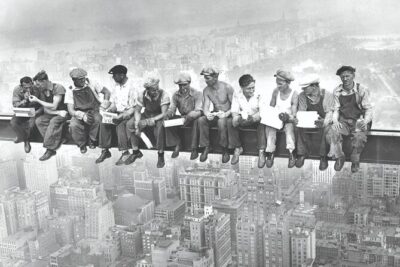
Top of the Rock Observation Deck New York City Ticket
Read our review →
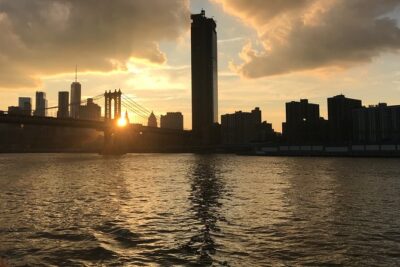
Circle Line: 2hr – New York City Harbor Lights Cruise
Read our review →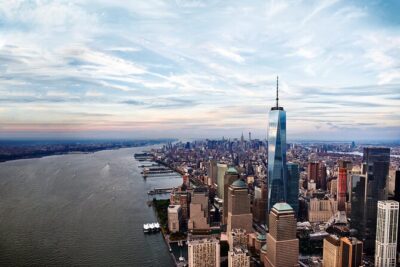
New York City One World Observatory Admission Ticket
Read our review →