
Reviewed · NYC WALKING TOURS
Garbage and Rats in New York City Walking Tour
New York’s past is easier to understand when you follow its garbage. This 2.5-hour walking tour traces how waste, rats, public health, politics, and power shaped lower Manhattan, from Wall Street to City Hall. Suzanne brings sharp humor and serious research to stories most standard city tours skip.
I like the small group of no more than 15, which makes it easier to hear and ask questions. I also like the frank treatment of difficult subjects, including the sale of enslaved African people at the former market on Wall Street and the 1968 sanitation strike. The main drawback is simple: this is a long city walk, and the topic includes rat behavior, waste, disease, and some grim episodes.
Key points to know
- Wall Street began with more than finance: The opening stop covers its past as a garbage dump and an official market for buying and renting enslaved African people.
- South Street Seaport gets the most time: Expect fish-market history, landfill stories, rat control, and the former Sportsman’s Hall rat pit.
- Science and city politics share the route: You’ll learn about rat behavior, sanitation systems, labor disputes, and human habits that help rats thrive.
- Suzanne leads the experience: Her style combines research, humor, and clear storytelling, with room for questions in a small group.
- The walk ends near City Hall: The route passes DeLury Square, Ryder and Eden Alleys, Ann Street, Theatre Alley, and City Hall Park.
- Good weather matters: The experience can be canceled for poor weather, and you’ll want comfortable shoes for the distance.
Why New York’s garbage tells a bigger story
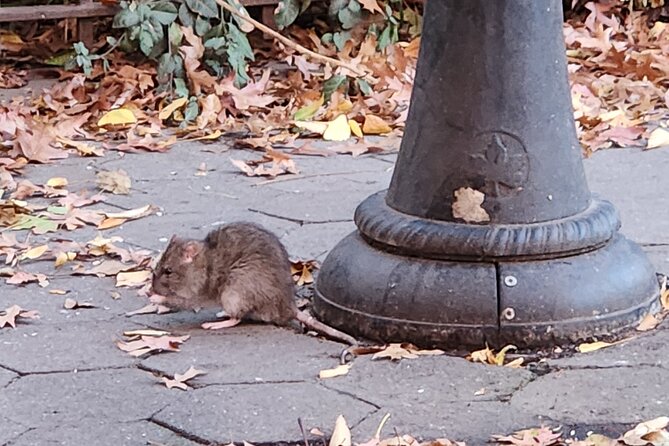
This is not a novelty walk built around spotting rats. The rats are the hook, but the real subject is how a major city handles waste, labor, housing, food, commerce, and public health.
That broader focus gives the experience its value. You hear about the physical problem of garbage, but also the political choices behind it. Who collects waste? Who pays for the system? Who lives closest to the mess? Who gets blamed when sanitation fails? These questions turn old streets into evidence of how New York grew.
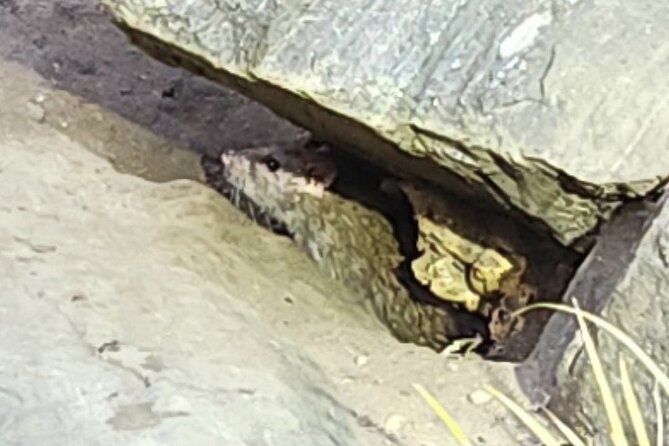
Suzanne also connects past habits with present concerns. Her explanations cover rat food sources, breeding, tunnels, bait, droppings, and the ways human activity creates good conditions for rodents. You will hear facts about rat sex and rat fights, but the point is not shock for its own sake. The details show why city sanitation is a daily system, not just a matter of sweeping streets.
The tone is lively, sometimes macabre, and often funny. That helps with a subject that could otherwise feel bleak. Still, you should come ready for candid talk about waste and pests rather than a polished postcard version of New York.
More NYC Walking Tours:
- SoHo, Little Italy, and Chinatown Walking Tour in New York
★ 5.0 · 3,153 reviews - Secrets of Grand Central Station Walking Tour New York City
★ 5.0 · 1,796 reviews - Greenwich Village Walking and Food Tasting Tour
★ 5.0 · 1,572 reviews
Wall Street, where finance meets filth
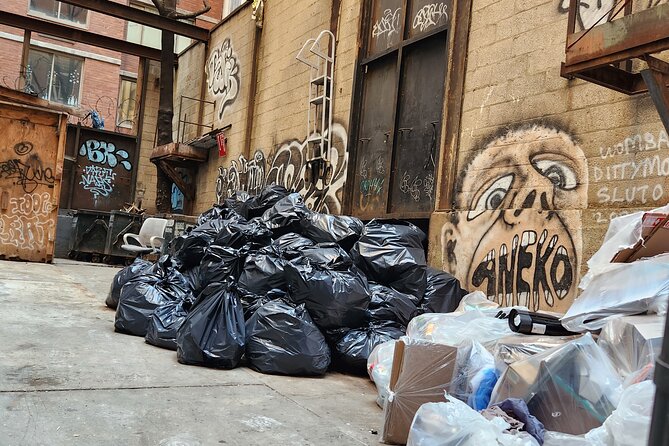
The tour starts at Wall Street and Pearl Street. The location is fitting because New York’s financial center also carries layers of uncomfortable history.
Here, Suzanne explains how part of Nieuw Amsterdam once functioned as a garbage dump. That detail immediately challenges the idea that lower Manhattan was always the orderly center of power seen today. The street’s physical past helps you picture a young port city managing trade, refuse, animals, and people in tight quarters.
The stop also addresses Wall Street as an official market for buying and renting enslaved African people. That subject is essential, not an optional aside. It places New York’s economic growth in a fuller context and shows how commerce, labor, and urban development were tied together.
You spend about 15 minutes here, so this is an introduction rather than a long historical lecture. Pay attention to the way the guide links the site’s past functions. Garbage and slavery may seem like separate topics, but both reveal what a growing city chose to value, control, and push out of sight.
South Street Seaport and the city’s discarded past
The longest section takes place along South Street, with about 1 hour and 15 minutes devoted to the area. That extra time matters. You are not simply walking between landmarks. You are stopping to unpack the history of garbage, landfill, rats, and the former Fulton Street Fish Market.
The fish market provides a natural setting for discussing waste. Markets generate food scraps, smells, packaging, and pests, while waterfront commerce brings constant movement and crowded working conditions. You’ll get a clearer sense of why rats became a permanent part of New York’s urban story.
This portion also visits the former site of Sportsman’s Hall, described as a notorious rat pit. Suzanne explains the old practice of rat fights, a grim form of entertainment that turns the rat problem into something even stranger. It is an unsettling subject, but it shows how people have not only battled rats, but also used them for sport and profit.
You may hear about rat bait, rat tunnels, droppings, and breeding habits. Some of these details are graphic. That is part of the tour’s approach, and you should decide in advance if this material fits your interests. The guide uses the facts to explain rat behavior and human responsibility, rather than treating the animals as cartoon villains.
The South Street portion is likely the tour’s main storytelling stretch. It gives Suzanne time to connect small clues, such as a market, a landfill, or a food source, to wider sanitation problems. If you enjoy urban history with an odd angle, this is where the concept pays off.
DeLury Square and the 1968 sanitation strike
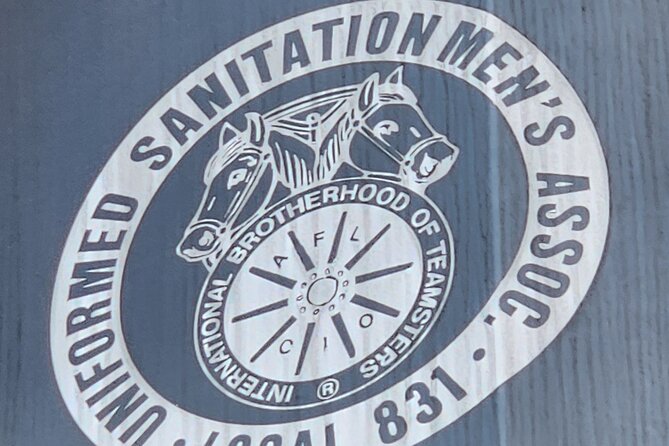
At DeLury Square, the focus shifts from old waste practices to organized labor and public pressure. The tour covers the garbage strike of 1968, John DeLury, and the Sanitation Union.
This stop helps you see sanitation workers as more than background figures. New York depends on people who collect, move, and process its waste, yet their work often becomes visible only when service stops. A strike makes the entire system impossible to ignore.
The 1968 episode also gives the tour a useful political edge. Garbage is never only a technical problem. It involves wages, working conditions, public expectations, city budgets, and the health of neighborhoods. You’ll see how a labor dispute can quickly become a citywide crisis.
The stop lasts about 25 minutes, followed by a stroll through historic Ryder and Eden Alleys. These narrow passages offer a change of pace from the larger streets and help keep the walk tied to the actual shape of old lower Manhattan. You are moving through places where the city’s growth happened at close range, not viewing history from a distance.
A completely different way to spend a day in New York City:
- NYC: SUMMIT One Vanderbilt Tickets
★ 4.7 · 51,195 reviews - NYC: Empire State Building Tickets – Observatory & Museum
★ 4.7 · 25,757 reviews - New York City: Statue of Liberty & Ellis Island with Ferry
★ 4.6 · 18,683 reviews - New York City: American Museum of Natural History Ticket
★ 4.5 · 15,447 reviews
Ann Street, Theatre Alley, and City Hall Park
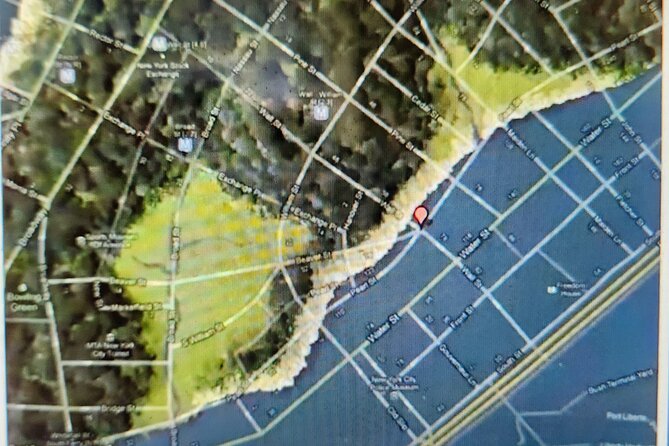
The final section continues up Ann Street, including the site of an infamous rat attack in 1979. The incident supplies one of the tour’s most memorable examples of how sanitation failures and public fear can collide.
From there, the group goes through Theatre Alley and toward City Hall Park. Suzanne adds more rat lore and trash-related facts along the way, building on the themes introduced earlier rather than starting a new subject.
The route ends in a different location from the meeting point, near the City Hall area. That is useful for planning. You are already positioned in central lower Manhattan for more sightseeing, but you should not expect to finish back at Wall Street and Pearl Street.
The final walk also gives the experience a clear arc. You begin with the city’s early waste and commerce, move through markets and rat culture, examine sanitation labor, and finish with a modern urban problem that still captures public attention.
Suzanne’s style and the small-group advantage
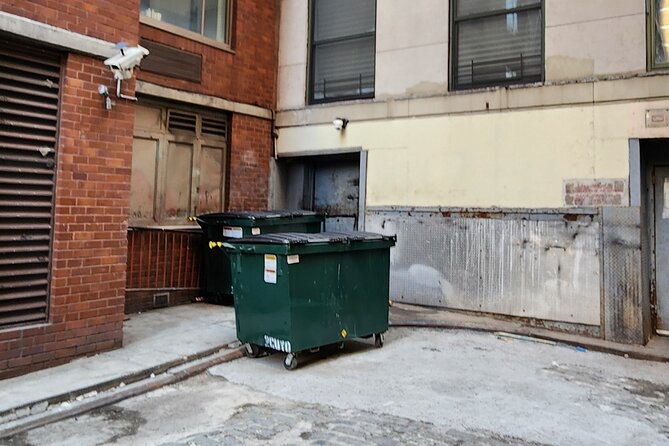
Suzanne is the guide named throughout the experience, and the strongest praise centers on her delivery. Her approach combines city history, sanitation science, humor, and direct explanation. She is also described as a writer and certified guide, which fits the tour’s unusually focused subject.
The small-group limit of 15 is important here. A subject this detailed works better when you can hear the guide clearly and ask a question without interrupting a large crowd. The format also supports the personalized feel that the experience aims for.
The tour has earned a 5 rating from 84 reviews, with 99 percent of participants recommending it. More important than the number is the pattern of praise: people repeatedly single out the guide’s enthusiasm, humor, subject knowledge, and ability to make sanitation interesting.
That does not mean every moment will suit every person. Some visitors may find the rat material too explicit, while others may want more conventional architecture or major landmark history. You are booking a specialized walk, not a general introduction to Manhattan.
What the $45 price gets you
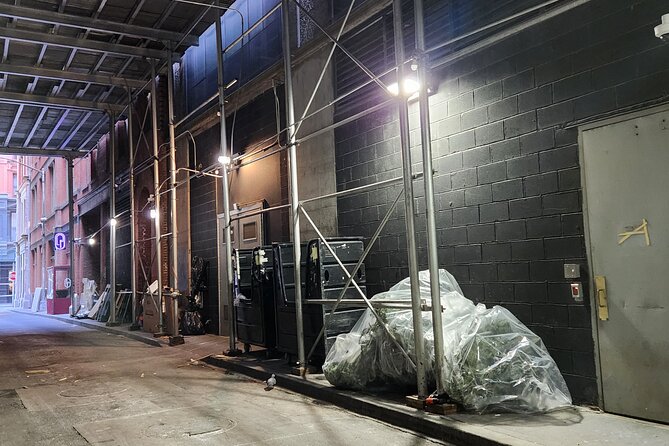
At $45 per person, the tour costs more than a casual self-guided walk but less than many premium private experiences. You are paying for about two and a half hours of guided interpretation across several historic areas, not for admission to a museum or attraction.
The value depends on how much you want context. You could walk from Wall Street to City Hall for free, but you would not easily connect the garbage dump, fish market, rat pit, labor strike, alleys, and rat attack into one coherent story.
I think the price is fair for the right audience. The group is capped at 15, the subject is highly specialized, and the route offers material you are unlikely to hear on a standard lower Manhattan tour. If you only want famous buildings and broad city facts, spend the money elsewhere. If you enjoy unusual history and careful storytelling, the price is reasonable.
Bring your own water because bottled water is not included. Wear comfortable shoes and expect a steady amount of walking. The tour is offered in English, uses a mobile ticket, and is near public transportation. Most people can take part, and service animals are allowed.
Who should book this walk
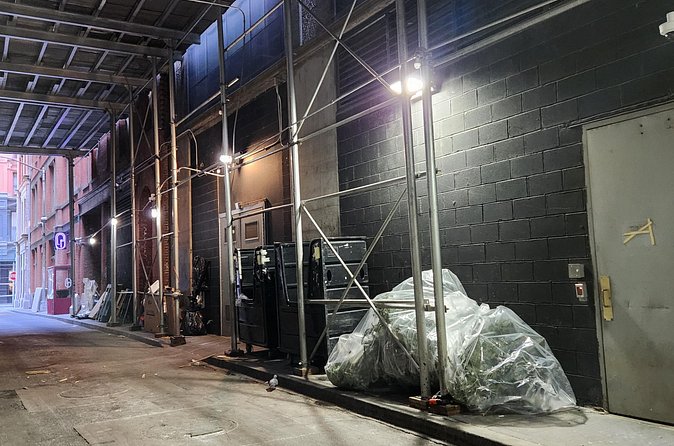
I would recommend it to curious first-time visitors who want a different way to read New York. It also suits people who already know lower Manhattan and want a new subject to change how familiar streets look.
It is a strong match for:
- History fans interested in overlooked subjects
- People curious about public health and city systems
- Visitors who enjoy science mixed with storytelling
- New Yorkers who want unusual local facts
- Small groups who prefer asking questions
- Anyone who likes humor with a macabre edge
Families can take part, but parents should consider the frank material about rats, waste, slavery, and rat fights. The tour is not presented as a children’s attraction.
You should also think about the weather. This is an outdoor walking experience, and poor weather can cause cancellation. If that happens, you are offered another date or a full refund.
Practical planning before you go
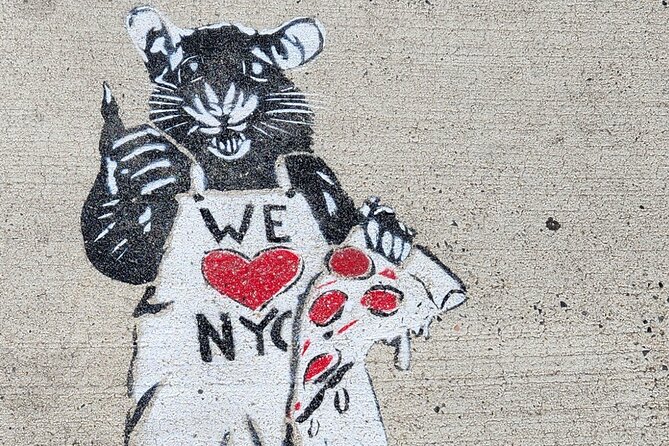
The meeting point is Wall Street and Pearl Street, New York, NY 10005. The walk ends elsewhere, around the City Hall area, so plan onward transportation from the finish rather than returning to the starting point.
You receive confirmation when booking, and the mobile ticket makes arrival simple. Since the group is small, arriving with enough time to locate the starting point is sensible, even though no special admission ticket is required at the stops.
You can cancel for a full refund up to 24 hours before the start time. Changes or cancellations made less than 24 hours ahead are not accepted, and the amount paid is not refunded. Cutoff times use New York local time.
Should you book the Garbage and Rats tour?
Book it if you want New York told through its waste systems, working people, markets, politics, and rats. Suzanne’s subject is unusual, but the tour is much broader than a list of gross facts. It explains how a city’s everyday refuse can expose its values and weaknesses.
Skip it if you dislike long walks, frank sanitation talk, or tours that move away from famous landmarks. For everyone else, this is a memorable lower Manhattan route with a clear point of view, strong storytelling, and enough hard history to make the humor matter.
FAQ
Where does the Garbage and Rats in New York City Walking Tour start?
It starts at Wall Street and Pearl Street in New York City.
Where does the tour end?
The activity ends in a different location, in the City Hall area. It does not return to the Wall Street meeting point.
How long does the walking tour last?
The tour lasts approximately 2 hours and 30 minutes.
How much does the tour cost?
The listed price is $45 per person.
How large is the tour group?
The experience has a maximum of 15 travelers.
Is the tour offered in English?
Yes. The tour is offered in English and uses a mobile ticket.
Can I cancel for a full refund?
Yes. You must cancel at least 24 hours before the experience start time for a full refund. If poor weather causes the tour to be canceled, you will be offered a different date or a full refund.
Recently added in New York City
- Ghost Stories: A Mysterious, Macabre Tour in the Metropolitan Museum★ 5.0 · 39 reviews
- Full Day in New York Tour – NYC in 1 Day★ 5.0 · 7 reviews
- Gangs and River Pirates of New York Walking Tour★ 5.0 · 3 reviews
- Ellis Island Statue of Liberty and 9/11 Memorial Pools Tour★ 4.5 · 70 reviews
- Fully Guided VIP Tour of One World Observatory★ 5.0 · 17 reviews
- New York City to Washington DC and Philadelphia Tour in 1 Day★ 4.5 · 3 reviews
- A day walking through New York in Spanish★ 5.0 · 11 reviews
- Tour to Washington from New York in Spanish★ 4.5 · 29 reviews
NYC Walking Tours, compared.
SoHo, Little Italy, and Chinatown Walking Tour in New York
Read our review →
Secrets of Grand Central Station Walking Tour New York City
Read our review →
Greenwich Village Walking and Food Tasting Tour
Read our review →
Artistic, Alternative Greenwich Village Walking Tour
Read our review →

NYC Greenwich Village Italian Food Guided Walking Tour
Read our review →Browse the lists this tour appears in