
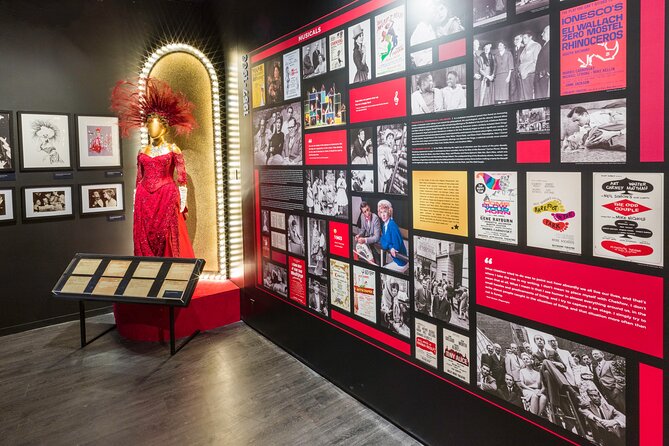
Reviewed · BROADWAY SHOW TICKETS
Museum of Broadway
Broadway has more to tell than the names on the marquees. At the Museum of Broadway, you follow the art form from its early days through modern musicals using costumes, props, photographs, video, music, and hands-on displays. The final behind-the-scenes section explains how a show grows from an idea into a production.
I like the clear timeline and the chance to see real theatrical objects rather than only read about famous shows. I also like that the museum works for both serious theatre fans and newcomers. The main drawback is that it can take two to three hours, includes many stairs, and offers limited seating, so comfortable shoes and extra time matter.
Key points to know before you go

- A self-guided Broadway timeline: Follow the development of New York theatre from its beginnings to the present.
- Real costumes, props, and production material: Displays connect well-known shows with the work behind them.
- A strong behind-the-scenes finish: See how plays and musicals are shaped before they reach the stage.
- Plan two hours at minimum: Careful readers and enthusiastic photographers may need closer to three hours.
- Indoor and family-friendly: It is a useful rainy-day stop, and children age four and under may enter free.
- Check your ticket carefully: Some advance bookings have created entry problems, and buying at the museum may cost less.
Broadway history told in rooms, not just dates
The Museum of Broadway is designed as an experience rather than a room filled with framed programs. You move through a sequence of displays that explain how Broadway developed, how shows changed with society, and how many people work together to put on a production.
That format makes the museum easier to enjoy than a simple display of old photographs. You get the broad story first, then see how individual productions fit into it. The presentation uses art, technology, video, music, photographs, costumes, props, and written explanations.
I especially like the way this approach gives newcomers a useful starting point. You do not need a degree in theatre or a long list of Broadway credits to follow the story. At the same time, theatre fans have plenty of details to stop for, especially in the sections devoted to costumes, stage design, performers, and production challenges.
The museum also connects Broadway with wider American culture. Musicals have reflected changing ideas about society, entertainment, politics, and everyday life. You can treat the visit as a celebration of famous shows, but it also works as a look at New York’s cultural past.
More Broadway Show Tickets:
- NYC: Aladdin the Musical on Broadway
★ 4.8 · 1,800 reviews - NYC: The Lion King on Broadway
1,609 reviews - NYC: MJ the Musical on Broadway
1,510 reviews
Start with Broadway’s changing eras
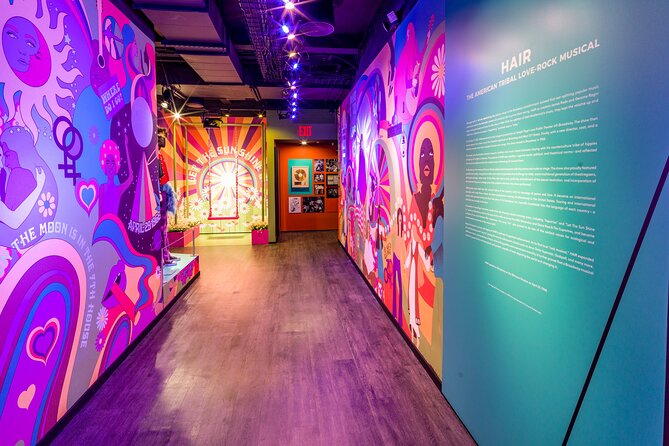
The first part sets up the chronology. You learn about the origins of Broadway and watch the theatrical world change over time. Photographs, videos, and written panels help explain how the area became linked with large-scale theatre and why certain periods mattered.
This section is strongest when you slow down. A quick walk gives you an attractive overview, but reading the displays adds much more meaning. You see how productions, performers, costumes, and sets fit into the larger development of theatre.
The timeline also helps you place familiar shows in context. Instead of treating each musical as an isolated hit, the museum shows how styles and expectations changed from one period to the next. That makes the visit useful even if your Broadway knowledge begins and ends with a handful of famous titles.
There is a practical tradeoff. The museum has plenty to read, and visitors who want to absorb every panel can easily spend two and a half to three hours inside. If you have a theatre ticket later that day, allow more time than the basic one to two hour estimate.
Costumes and props give the story a human scale
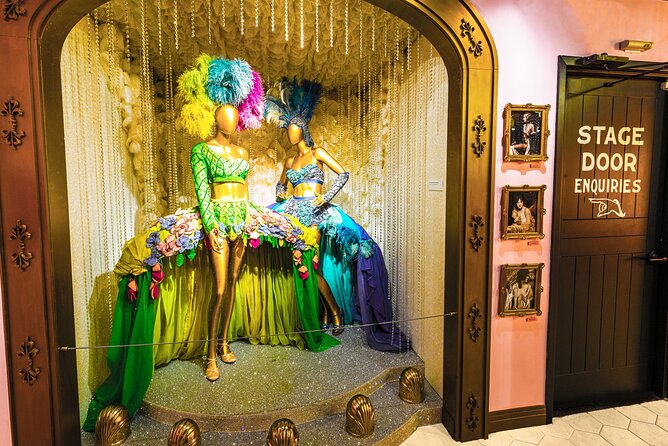
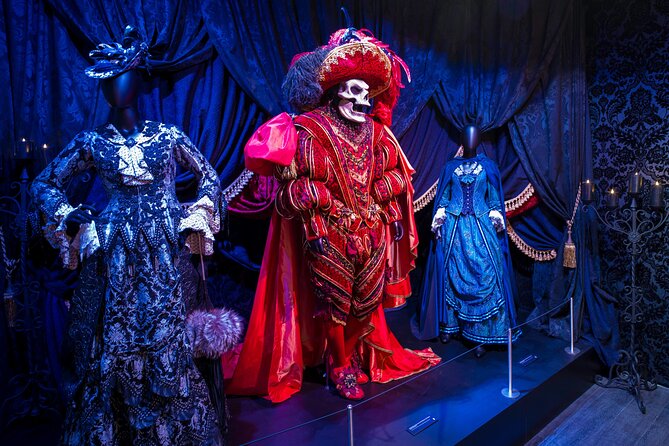
The costumes and props are among the museum’s most appealing features. They turn abstract theatre history into something you can see at close range. A costume shows the character and period of a production, while a prop hints at the physical work required to make a story believable on stage.
You will also find old photographs and displays tied to specific shows. These pieces are valuable because they show more than finished performances. They offer clues about design choices, performers, changing fashions, and the practical problems behind a production.
The collection may not feature every show you hope to see. Some major productions receive less attention than expected, and fans looking for extensive material on Wicked or Newsies may find the coverage limited. The museum is best understood as a broad story of Broadway, not a full archive for every musical.
That said, the objects that are present are well chosen for a general audience. I would pay particular attention if you have seen any of the featured shows. Recognizing a costume or prop gives the display an extra spark, but you can still appreciate it without that personal connection.
The behind-the-scenes section is the museum’s strongest finish
Near the end, the museum turns from what appears on stage to how a show gets made. This is where the visit becomes especially useful for anyone who has wondered how a musical moves from an early idea to a finished performance.
You learn about the process of building a production, including the work of writers, composers, performers, designers, directors, and stage crews. The presentation shows that the final two or three hours on stage rest on a long chain of decisions and revisions.
This area also helps explain why Broadway productions look and sound the way they do. Costumes and sets are not just decoration. Music, movement, lighting, storytelling, and technical work must all support the same production.
If you have written, performed in, or helped with community theatre, you may find this section especially rewarding. It gives useful context to the small-scale work that audiences rarely see. Even if your theatre experience is limited to buying a ticket, the displays make the production process easier to appreciate.
Several parts are designed for photographs and interaction. That helps keep the museum from becoming a long reading exercise, especially for families and younger visitors. Still, do not rush through the text. The behind-the-scenes material rewards a little patience.
More Museums in New York City:
- NYC: Empire State Building Tickets – Observatory & Museum
★ 4.7 · 25,757 reviews - New York City: American Museum of Natural History Ticket
★ 4.5 · 15,447 reviews - NYC: Museum of Modern Art (MoMA) Entry Ticket
★ 4.6 · 12,540 reviews - 9/11 Memorial, Ground Zero Tour with Optional 9/11 Museum Ticket
★ 5.0 · 6,381 reviews
Give yourself two hours, or closer to three
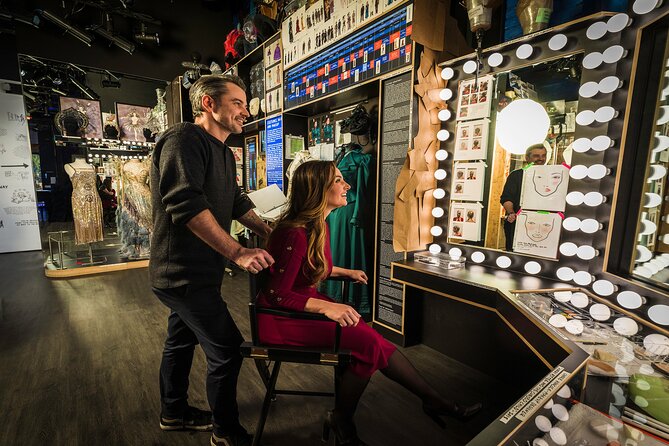
The basic visit can fit into one to two hours, but I would plan for two hours rather than one. That gives you time to read the main displays, look at costumes and props, watch videos, and take a few photographs without racing.
If you read nearly every sign or want photos at each opportunity, allow two and a half to three hours. One couple with only two hours available found that the timing worked exactly, while another visit took three hours because of the reading and photography. Your pace will make the difference.
There are few places to sit and read, and stairs are part of the route. Wear comfortable shoes and take the vertical layout seriously if you tire easily. This is not a quick, flat gallery stop where you can see everything from one central room.
The museum is indoors, making it a practical choice during rain or cold weather. It can also fill a spare block between other Midtown plans. Just avoid squeezing it into a schedule that allows only forty-five minutes. You would miss much of what makes the price worthwhile.
Who will enjoy the Museum of Broadway most?
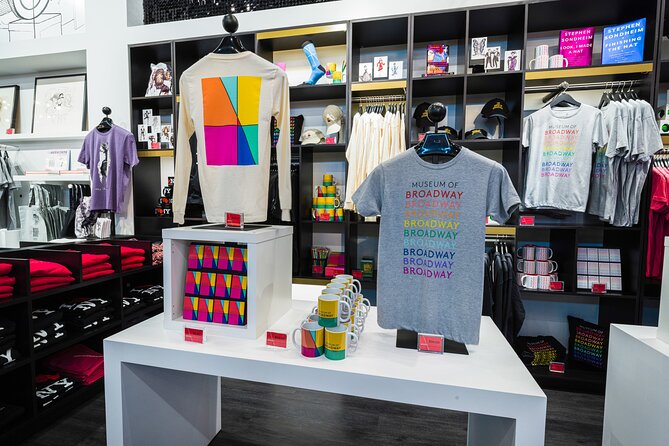
The obvious audience is the theatre fan. If you follow Broadway musicals, collect show programs, perform in community productions, or enjoy learning how productions are made, this museum gives you plenty to examine.
Families can also have a good time, especially when adults help children connect the displays with shows they already know. Younger adults interested in film, drama, or musical theatre may find the combination of history, costumes, video, and photo opportunities more engaging than a traditional museum.
You do not need to know Broadway well before arriving. The chronological structure gives you a starting point, and the visual material keeps the story moving. The museum is less likely to satisfy someone who wants a quiet art gallery with minimal technology, or someone expecting a live performance.
It is also not a guided theatre tour. The admission is primarily a self-guided museum visit. Some people have expected a group guide and felt disappointed, so set your expectations correctly. Staff members are present and can be helpful, with Alexandra and Caleb singled out for friendly, attentive assistance, but the main storytelling happens through the exhibits.
Is the $44.92 price a good value?
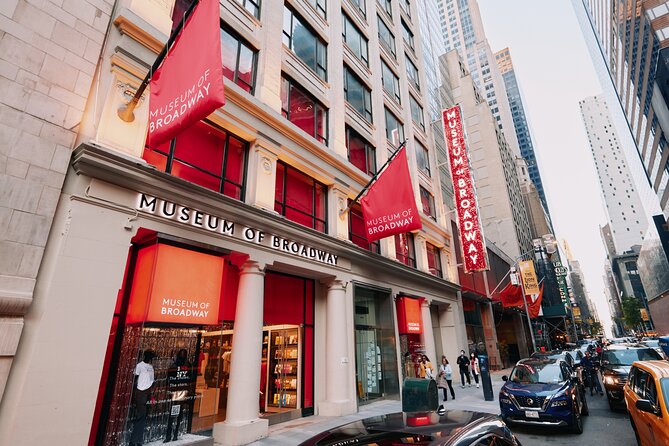
At $44.92 per person, this is not a cheap casual stop. The value depends heavily on your interest in theatre and the amount of time you spend inside.
For a serious Broadway fan, two or three hours of displays, costumes, props, production material, and interactive features can justify the cost. The museum gives you a different view of New York theatre than a performance does. A show lets you see the finished product. This visit helps you understand the people, ideas, and work behind it.
For a casual visitor, the price deserves more thought. If you mainly want a few photographs or a quick look at costumes, you may feel the visit is expensive. The museum offers more when you read the historical panels and follow the full route.
Buying through a third-party booking channel can also affect the value. Several ticketing problems have occurred, including reservations not appearing in the museum’s system and tickets not transferring in time. In some cases, buying at the door was easier and cheaper. Check the current direct price before paying for an advance ticket, and do not buy at the last minute if you need a confirmed digital ticket.
The advance purchase terms are strict. This experience is non-refundable and cannot be changed for any reason. That matters if your schedule may shift.
Avoid a bad start at the entrance
The museum itself can be enjoyable, but ticket handling deserves care. Confirmation is supposed to arrive within 48 hours, subject to availability. That means I would not rely on a last-minute third-party booking when your schedule is tight.
Bring the ticket information with you and check that it is actually available for use before heading across town. Past problems have included tickets missing from the system, long waits at the desk, and people having to buy replacement admission directly.
This is especially important if you are visiting near closing time. Losing ten or thirty minutes at the entrance cuts directly into the museum time, and there are many displays that deserve more than a rushed look.
The museum is near public transportation, service animals are allowed, and most people can participate. Children four and under may enter free of charge. The available information does not promise full step-free access, and the route includes stairs, so ask before booking if that affects your visit.
Museum of Broadway or a Broadway show?
These are different experiences, and the museum should not replace a performance if seeing a live show is your main goal. You will not get the energy of actors performing in real time, the sound of an orchestra, or the shared response of an audience.
The museum makes more sense as a companion to a show or as a separate theatre-focused stop. Before a performance, it can give you useful background about production work and Broadway traditions. After a show, it may help you notice the design and stagecraft that you might otherwise overlook.
It is also a better choice than a live performance if you need a daytime indoor activity, want to control your pace, or are visiting with people who have different theatre interests. You can move quickly through familiar sections and spend longer where your curiosity takes you.
My verdict: book it for the story behind the curtain
I would book the Museum of Broadway if you enjoy musical theatre, stage design, costumes, production stories, or New York cultural history. The best parts are the chronological presentation, the visual displays, and the final look at how a production takes shape.
I would be more cautious if you have only a short free window, dislike reading museum panels, need frequent seating, or expect a live guide. Allow two hours at minimum, wear comfortable shoes, and confirm the ticket carefully before arrival.
For a family trip, a theatre-themed weekend, or a rainy morning in New York, it is a useful and entertaining choice. Just treat it as a self-guided museum rather than a conventional tour, and consider buying directly if the price and ticket conditions are better.
FAQ
How long does the Museum of Broadway visit take?
The expected visit lasts about one to two hours. If you read most displays and take photographs, plan for two and a half to three hours.
What does the Museum of Broadway cover?
It covers Broadway’s past and present, including theatre history, performers, costumes, props, sets, production challenges, and the process of creating a show.
Is the museum guided?
The experience is primarily self-guided. Staff members can assist you, but the information is presented through the museum’s displays rather than a standard guided tour.
How much does admission cost?
The stated price is $44.92 per person. The price at the museum may sometimes be lower, so check the direct admission cost before booking elsewhere.
Can children enter for free?
Children age four and under may enter free of charge.
Is the museum suitable for families?
Yes. Most people can participate, and the combination of videos, costumes, props, photographs, and interactive displays can work well for families.
Is the Museum of Broadway near public transportation?
Yes. The museum is near public transportation in New York City.
Can I cancel or change my booking?
No. The experience is non-refundable and cannot be changed for any reason.
Recently added in New York City
- NYC: Midtown Hands-On Bagel Baking Class★ 5.0 · 12 reviews
- Personalize Sightseeing Tour★ 5.0 · 92 reviews
- Central Park Pedicab Tour with Guide★ 5.0 · 63 reviews
- Central Park Pedicab Guided Tour★ 5.0 · 17 reviews
- Photographer, Professional Photo shoot – New York★ 5.0 · 16 reviews
- Official Central Park Pedicab Ride ( UP TO 3 PERSONS )★ 5.0 · 4 reviews
- JFK or LGA package only (Round trip transfer plus VIP Contrasts)★ 5.0 · 3 reviews
- Official Central Park Pedicab Tours★ 5.0 · 35 reviews
Broadway Show Tickets, compared.

Broadway and Times Square Insider Tour with Theater Professional
Read our review →

Broadway Comedy Club All Star Stand-Up Comedy Live
Read our review →Browse the lists this tour appears in