
Reviewed · LITTLE ITALY AND CHINATOWN TOURS
NYC: Greenwich, SoHo, Little Italy and Chinatown Tour
New York’s downtown neighborhoods change block by block, and this three-hour walk gives you a useful way to connect them. You’ll move from Greenwich Village townhouses and jazz lore to SoHo’s iron-fronted buildings, then on through NoLiTa, Little Italy, and Chinatown.
I like the mix of architecture and food advice, since you get more than a list of sights. I also like the local scale: herbal shops, cafés, old restaurants, and small streets receive as much attention as the famous names. The main caution is the pace. The tour covers a lot of ground, and the practical notes describe roughly 3.5 to 4 hours of walking, despite the stated three-hour duration.
Key points at a glance
- Five downtown neighborhoods in one route: Greenwich Village, SoHo, NoLiTa, Little Italy, and Chinatown.
- SoHo’s cast-iron buildings: Learn how former industrial blocks became a center for art, fashion, and shopping.
- Food stops without included meals: Get suggestions for pizza, cannoli, dumplings, cafés, and other local places, but pay for anything you eat.
- A guide-led city walk: Guides are available in English, French, Spanish, and Italian. Antonio has received especially warm praise for his work with families.
- Union Square starting point: Meet near the Bank of America, where the guide holds a sign with the tour name.
- Good shoes are essential: This is a long urban walk, not a short photo stop between attractions.
Why this route works for first-time New York visitors
Downtown Manhattan can feel like a stack of separate cities. One block has luxury shops, the next has a century-old restaurant, and a few minutes later you are looking at Chinese herbal stores and produce stalls. This tour gives those changes a storyline.
You begin at Union Square, a practical central meeting point near the Bank of America. From there, the route heads toward neighborhoods that are close together on the map but very different in mood and appearance. That makes the walk useful early in a New York stay, when you are still learning how downtown fits together.
I would not choose this tour if you want long museum visits or plenty of time inside each restaurant. It is a street-level orientation walk. You listen, look, take photographs, and write down places to return to later.
The food angle is also practical. Since meals and snacks are not included, you can decide what to eat and how much to spend. A good guide can save you from wandering hungry past ten similar-looking pizza counters, though specific restaurant recommendations may change over time.
More SoHo Tours:
- SoHo, Little Italy, and Chinatown Walking Tour in New York
★ 5.0 · 3,153 reviews - NYC: SoHo, Little Italy, and Chinatown Guided Tour
★ 4.7 · 614 reviews - SoHo, Little Italy, and Chinatown 2-Hour Guided Walk
★ 4.6 · 566 reviews
Greenwich Village: townhouses, music, and old New York stories
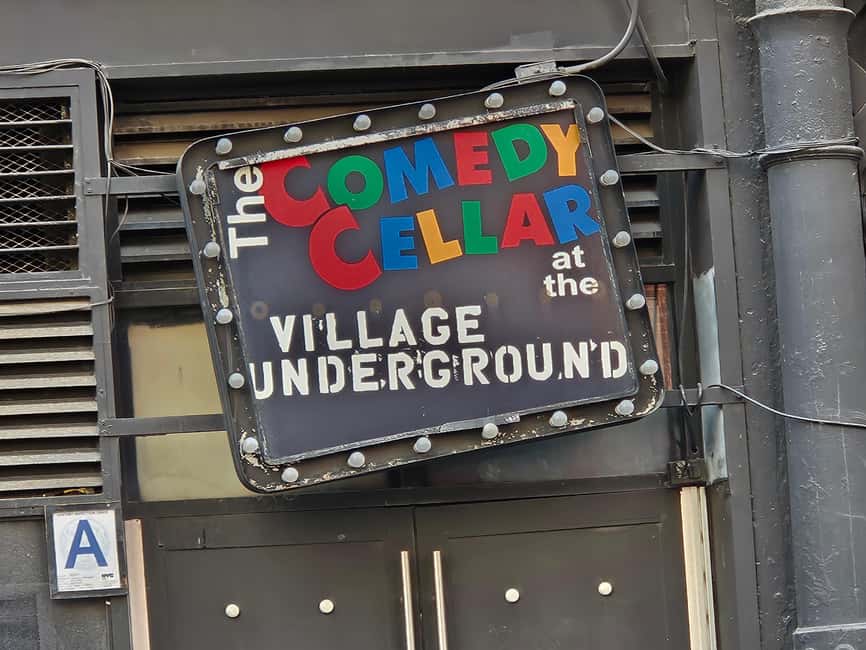
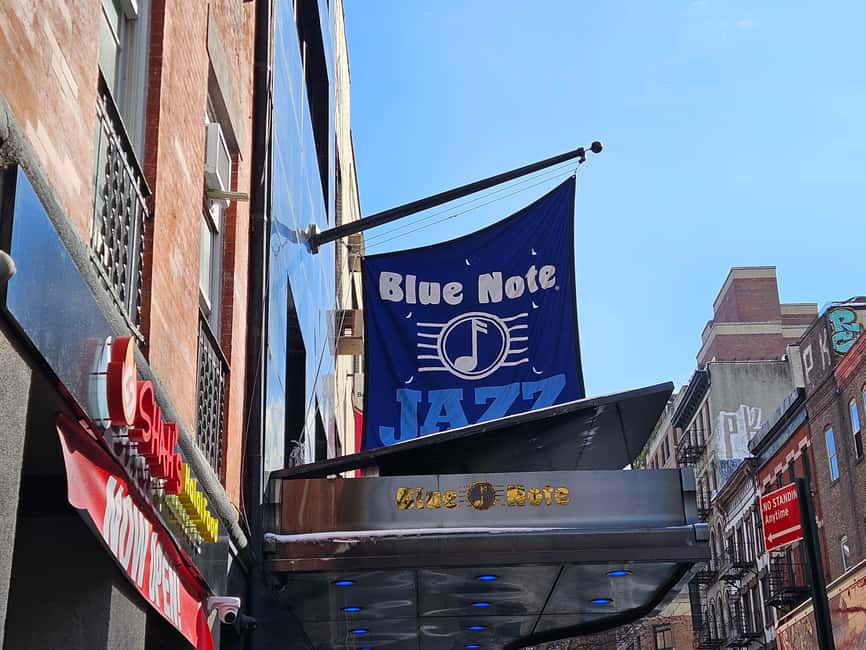
Greenwich Village is the route’s most atmospheric opening. Its streets are known for historic townhouses, jazz clubs, and stories about hidden speakeasies. The appeal here is less about checking off a single landmark and more about seeing how the neighborhood’s narrow streets differ from the straight, numbered avenues elsewhere in Manhattan.
Your guide can give the area context as you walk, pointing out buildings and corners that are easy to miss when you are on your own. The tour description places special attention on the Village’s musical past and its old gathering places, so this section should suit you if you enjoy city stories tied to ordinary streets.
The Village is also a good place to pay attention to scale. The buildings, stoops, and quieter residential blocks can make New York feel surprisingly intimate. That said, this is still a working neighborhood. You should expect regular city traffic, pedestrians, and changing conditions rather than a preserved historic set.
For photography, bring your camera but stay aware of the group. A three-hour walk works best when you take a few good shots and keep moving. If you stop at every doorway, the route can become tiring before Chinatown.
SoHo’s cast-iron blocks and changing identity
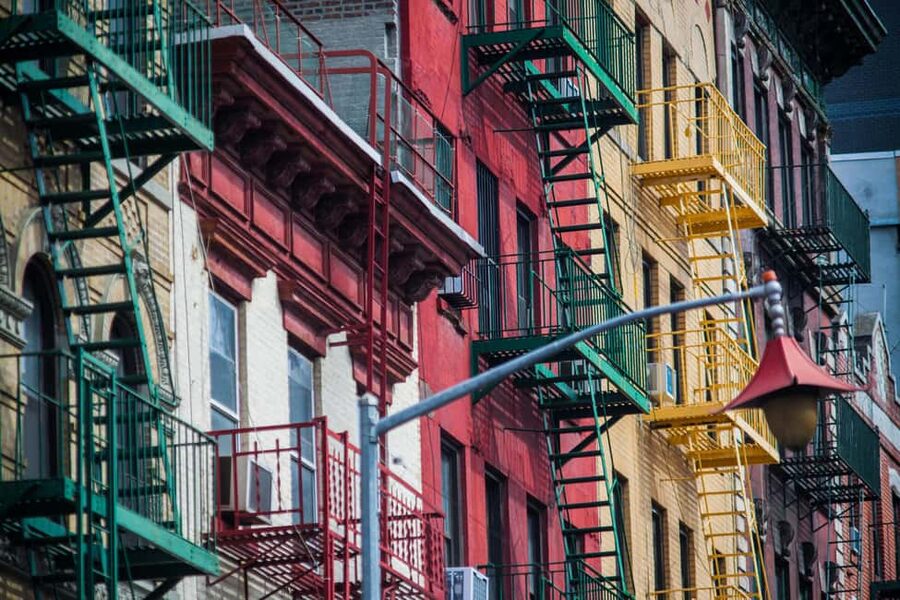
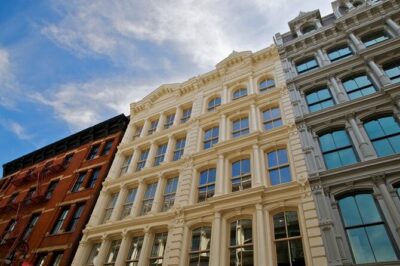
SoHo provides the clearest architecture lesson on the walk. Its cast-iron façades are not just attractive backdrops for photographs. They reflect the neighborhood’s industrial past and help explain how the district changed into a center for artists, fashion, luxury shopping, and design.
I like this part because the buildings give the guide something solid to point to. You can look up at columns, window patterns, and decorative fronts while hearing how the area’s purpose shifted over time. That is more useful than simply being told that SoHo is fashionable.
You will also see a different side of New York commerce here. High-end boutiques and polished storefronts share the streets with old architectural details. The contrast is part of the point. SoHo is a place where the past remains visible even as the retail scene keeps changing.
The drawback is that SoHo can be crowded, especially around popular shopping streets. Your guide may need to keep the group together and adjust the pace. If shopping is your main goal, the tour will not give you enough time to browse properly. If architecture and neighborhood change interest you, the short stop-by-stop explanation adds real value.
NoLiTa: a smaller district with a different rhythm
NoLiTa, meaning North of Little Italy, is a compact district with historic landmarks, cafés, and fashionable storefronts. It works as a transition between SoHo and the older Italian and Chinese communities farther south.
This section may feel less dramatic than SoHo or Chinatown, but that is precisely why it belongs in the route. You get a look at how neighborhood identities overlap in Manhattan. Names change, businesses change, and the border between districts is not always obvious when you are walking alone.
I would pay attention to the food suggestions here. The tour is designed to point out places you might return to, rather than stop for a full meal at every stage. A café or small shop in NoLiTa can make a useful break after the first stretch of walking, but the cost of food remains your responsibility.
Because the area is small, the guide’s commentary matters. Without context, you might simply see another stylish downtown block. With a good explanation, you can understand how NoLiTa developed its own identity while sitting beside older communities.
More Little Italy and Chinatown Tours:
- NYC: Chinatown & Little Italy Food Tour with 7 Flavorful Tastings
★ 5.0 · 2,733 reviews - Original NYC Guided Food Tour of Chinatown and Little Italy
★ 5.0 · 2,194 reviews - NYC: Chinatown and Little Italy Food Tour
★ 4.7 · 703 reviews - SoHo, Little Italy, and Chinatown NYC Guided Walking Tour
★ 5.0 · 443 reviews
Little Italy beyond the restaurant signs
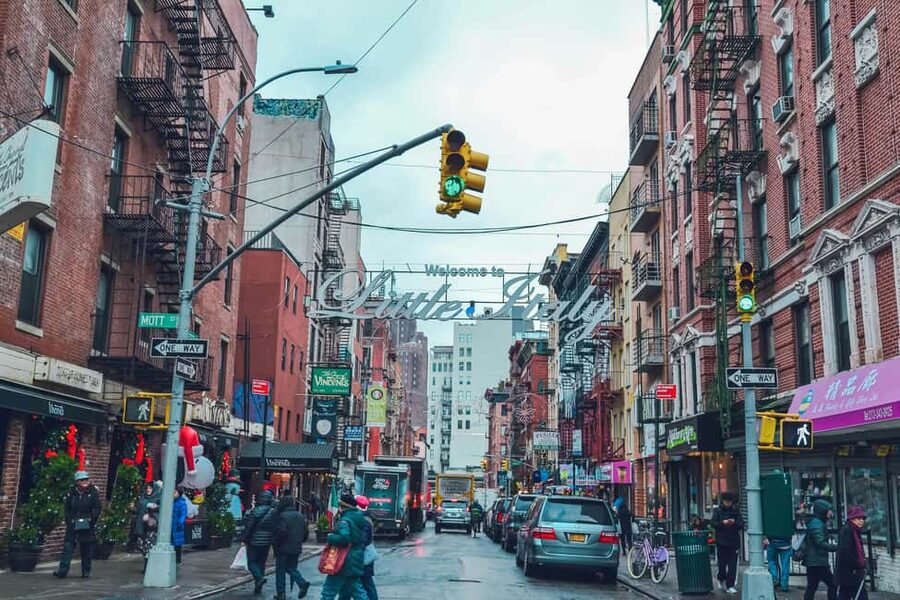
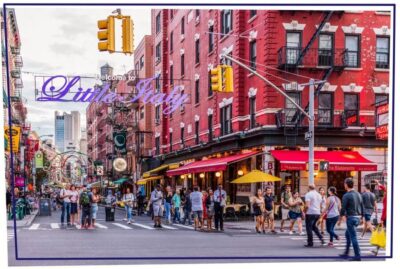
Little Italy brings a more nostalgic tone to the route. You can expect stories about old-school Italian life, traditional food, and the neighborhood’s connection to New York’s organized-crime folklore. The aroma of pasta and the restaurant signs create an easy visual picture, but the guide’s role is to add context beyond the most obvious tourist details.
I like that this stop connects food with migration and memory. A restaurant is not only a place to eat. It can also reflect family traditions, changing ownership, and the way a neighborhood presents its past to modern visitors.
At the same time, keep your expectations sensible. Little Italy is smaller than its old reputation suggests, and much of the surrounding area has changed. That makes it interesting, but it also means you should not expect an untouched historic quarter.
This is one of the places where a guide can help you separate atmosphere from fact. You will hear stories about mobsters, but the tour should be taken as a neighborhood walk with history and storytelling, not as a dedicated crime tour.
Chinatown’s markets, herbal shops, and everyday food culture
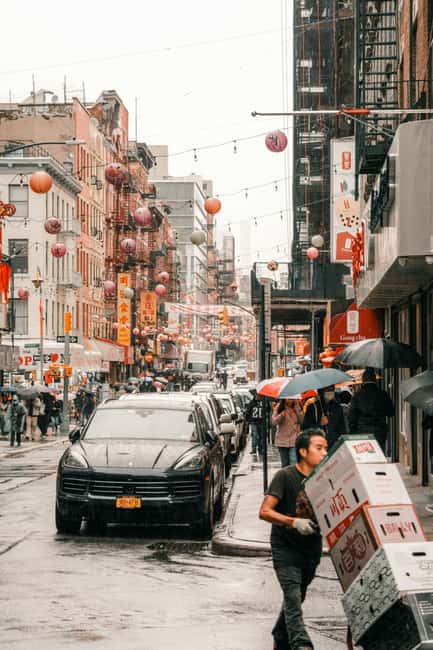
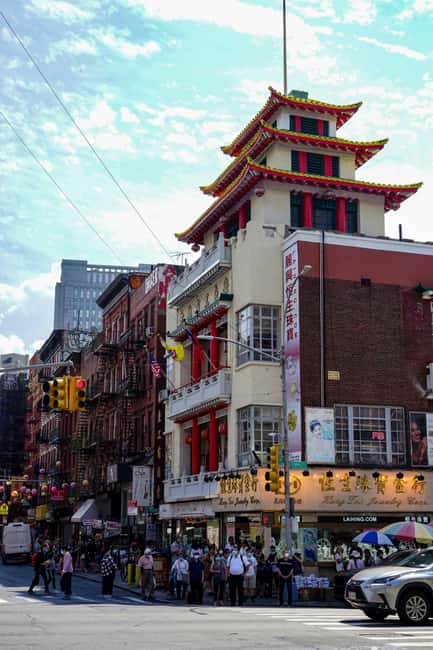
Chinatown is the route’s strongest change of scene. The streets become more crowded, storefronts shift, and you encounter traditional herbal shops, markets, and Chinese eateries. The tour description emphasizes the community’s history as an immigrant neighborhood, giving the final section more depth than a simple food crawl.
You may find this the most useful part of the tour if you want to return later for a meal. Your guide can point out places for dumplings and other Chinese food, as well as shops that you might not notice while navigating on your own. Since no food is included, you can choose a snack, save the recommendation for another day, or continue with the group.
Chinatown is also where the walking demands become most noticeable. Crowded sidewalks and busy streets require attention. Stay close to the guide, listen for street-crossing instructions, and keep your belongings secure in the normal way you would anywhere in a busy city district.
I appreciate that the route ends with food culture rather than a grand monument. New York is often best understood through its shops, smells, signs, and working businesses. Chinatown gives you that direct, everyday view.
Food advice is useful, but budget for your own eating
The tour promises recommendations for classic New York pizza, fresh cannoli, steaming dumplings, and other local choices. That can be worth a good part of the $62 price, especially if your guide gives clear advice about what to order and where to return.
Still, keep the difference between food advice and a food tour in mind. You are paying for the guided walk, not for tastings or a meal. If you want to sample several dishes, add money and time to your day.
I would carry water and perhaps plan one food stop after the tour. You can ask the guide for suggestions during the walk, but the group schedule may not allow everyone to sit down. The best value comes from treating the recommendations as a personal New York eating list that you can use later.
How much value do you get for $62?
At $62 per person, this is not the cheapest way to walk downtown Manhattan. You can walk through all five neighborhoods by yourself for nothing. The question is what you gain by having someone explain what you are seeing.
The price makes more sense if you want a single, organized introduction to several districts and prefer not to research the route yourself. Architecture, neighborhood history, immigrant communities, and food suggestions are combined in one outing. You also avoid spending your first afternoon stopping every few minutes to work out where to go next.
The value is weaker if you already know downtown New York well or mainly want time for shopping and eating. A self-guided walk gives you more freedom and costs less, though it will not provide the same flow of stories or personal recommendations.
The small number of posted ratings suggests you should not treat the perfect score as a guarantee of a particular guide or group experience. Still, the individual feedback gives useful clues. Antonio was praised as warm and helpful with a parent and children, and another Italian-speaking visitor described the guide as experienced, friendly, and able to connect major sights with local places. Those comments point to a personable style, especially for families and visitors who want more than a standard sightseeing script.
Timing, languages, and what to bring
The advertised duration is three hours, with starting times subject to availability. However, the practical information says the route involves approximately 3.5 to 4 hours of walking. That is the key planning issue. I would avoid booking it immediately before a show, dinner reservation, airport transfer, or another timed attraction.
Wear comfortable shoes and clothing. This is not a gentle stroll with long indoor breaks. Bring water, especially in warm weather, and carry a camera if street photography is part of your New York plans.
Guiding is offered in English, French, Spanish, and Italian. That choice matters because neighborhood stories are easier to follow in the language you use most comfortably. At Union Square, look for the guide near the Bank of America and for a sign bearing the tour name.
The tour allows free cancellation up to 24 hours before departure, and you can reserve now and pay later. Those policies are helpful if your New York schedule is still shifting, but they do not change the need to protect a solid half-day for the walk.
Who should book this downtown walk?
I would recommend it to first-time visitors who want a quick sense of how lower Manhattan’s neighborhoods connect. It also suits families who can handle several hours on foot, couples interested in architecture and food, and repeat visitors who want local suggestions beyond the usual attractions.
The route is especially useful if you like learning through stories rather than reading a guidebook while walking. The mix of Greenwich Village, SoHo, NoLiTa, Little Italy, and Chinatown gives you plenty of contrasts in one outing.
I would hesitate if you have limited mobility, dislike long walks, or want a tour built around included tastings. The supplied information does not describe accessibility arrangements, and the walking distance is substantial. Ask the provider about your needs before booking rather than assuming the route can be shortened.
Should you book it?
Book this tour if neighborhood character, architecture, and food tips matter more to you than entering major attractions. At $62, the strongest value is the guide’s ability to connect five downtown areas and show you where to eat later.
Skip it if you prefer complete freedom, already know these districts, or need a short and relaxed outing. For everyone else, bring water, wear serious walking shoes, and leave room in your schedule. The route covers a lot, but that is also its appeal: by the end, downtown New York should feel less like a collection of famous names and more like a set of living neighborhoods.
FAQ
Where does the tour meet?
The meeting point is Union Square, near the Bank of America. The guide will hold a sign with the tour name.
How long does the tour last?
The advertised duration is three hours. The practical information also says the route covers approximately 3.5 to 4 hours of walking, so allow extra time when planning your day.
Which neighborhoods does the tour visit?
The route includes Greenwich Village, SoHo, NoLiTa, Little Italy, and Chinatown.
Is food included in the price?
No. Food and drinks are not included. The guide provides recommendations for places serving foods such as pizza, cannoli, and dumplings.
What languages are available?
The tour is offered in English, French, Spanish, and Italian.
What should I bring?
Bring comfortable shoes, water, and a camera. Comfortable clothing is also recommended because the tour involves substantial walking.
Recently added in New York City
- NYC: Midtown Hands-On Bagel Baking Class★ 5.0 · 12 reviews
- Personalize Sightseeing Tour★ 5.0 · 92 reviews
- Central Park Pedicab Tour with Guide★ 5.0 · 63 reviews
- Central Park Pedicab Guided Tour★ 5.0 · 17 reviews
- Photographer, Professional Photo shoot – New York★ 5.0 · 16 reviews
- Official Central Park Pedicab Ride ( UP TO 3 PERSONS )★ 5.0 · 4 reviews
- JFK or LGA package only (Round trip transfer plus VIP Contrasts)★ 5.0 · 3 reviews
- Official Central Park Pedicab Tours★ 5.0 · 35 reviews
Little Italy and Chinatown Tours, compared.
SoHo, Little Italy, and Chinatown Walking Tour in New York
Read our review →
Chinatown & Little Italy Food Tour with 7 Flavorful Tastings
Read our review →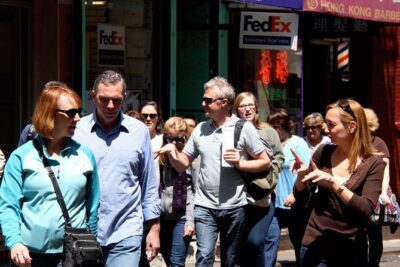
Original NYC Guided Food Tour of Chinatown and Little Italy
Read our review →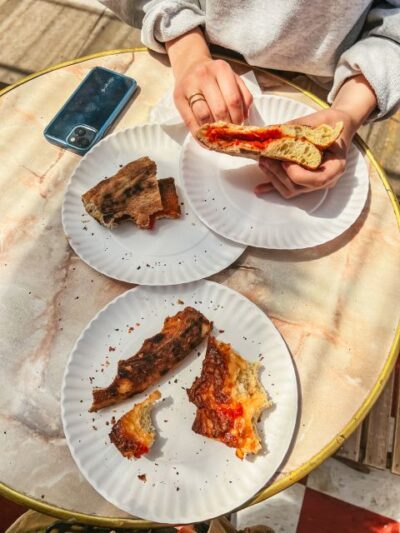

SoHo, Little Italy, and Chinatown 2-Hour Guided Walk
Read our review →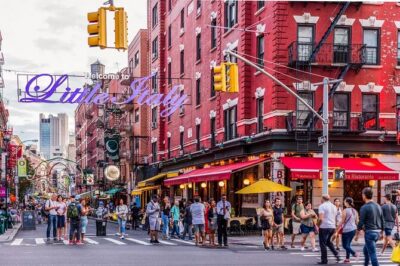
SoHo, Little Italy, and Chinatown NYC Guided Walking Tour
Read our review →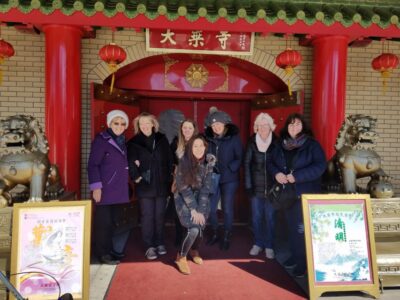
3 Neighborhoods Tour: Soho, Chinatown & Little Italy
Read our review →Browse the lists this tour appears in