
Reviewed · HIGH LINE AND CHELSEA TOURS
NYC: High Line, Chelsea, & Meatpacking District Walking Tour
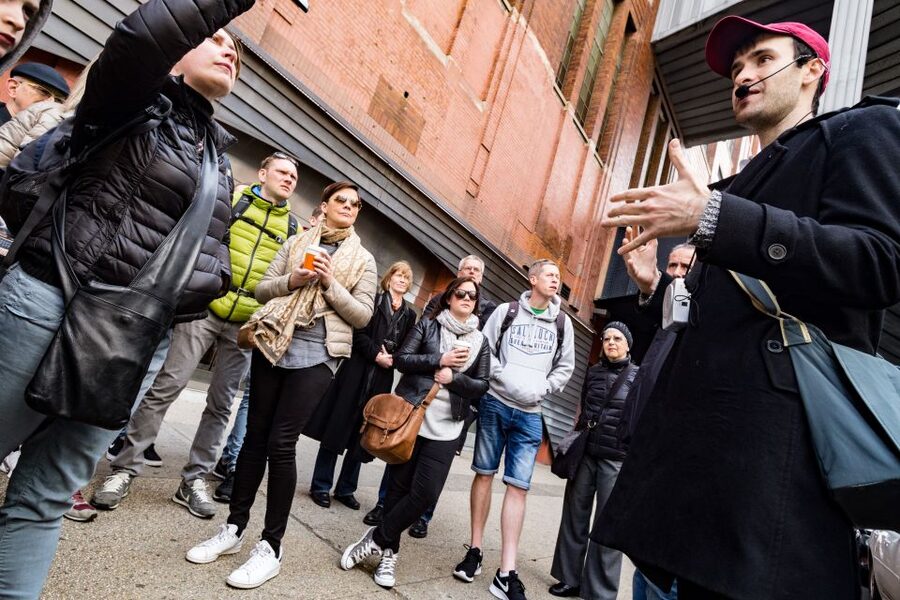
The best part of this walk is seeing how one stretch of Manhattan changed from freight rail, factories, and slaughterhouses into one of New York’s most fashionable areas. From the High Line’s old rail route, you get views of the Hudson River, Chelsea streets, and buildings that tell the story of the city’s constant reinvention.
I like the mix of history and scenery, and I like that Chelsea Market gives the tour an indoor stop among former factory walls. The guides, including Maki, Kevin, Ben, Bob, and Filip, are often praised for humor, clear storytelling, and useful local suggestions. The main drawback is simple: two hours of walking can feel long, especially in cold, rain, or strong wind.
Key things to know before you book
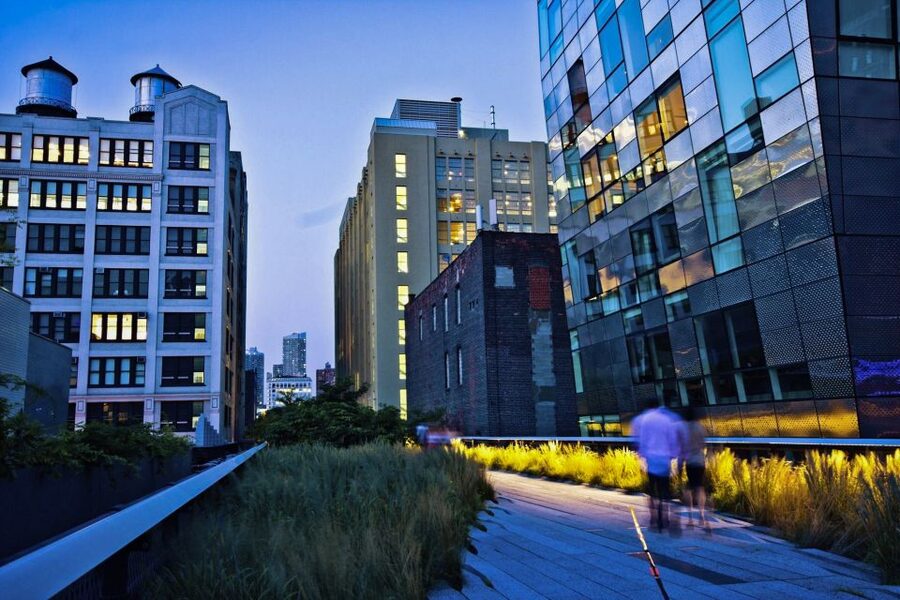
- The High Line is a former freight railroad: You walk along a roughly one-mile section of old New York Central Railroad track, now turned into Manhattan’s only park of its kind.
- Chelsea Market is part of the story: This food market occupies a former factory where trains once brought goods directly into the building.
- The tour connects three very different neighborhoods: Chelsea, the Meatpacking District, and the High Line each show a different side of west Manhattan.
- Guides add much of the value: Maki, Kevin, Ben, Bob, Isa, Ellen, and others have been praised for humor, facts, personal stories, and helpful answers.
- Weather matters: Bring comfortable shoes and clothing suited to the forecast. Wind and rain can make the open sections feel much less pleasant.
- Expect a walking tour, not a museum visit: The focus is on streets, buildings, views, and stories. A gallery visit may be included, but it is not guaranteed.
Why this west-side walk works so well
At $39 per person, this tour sits in a reasonable range for a two-hour guided walk in Manhattan. You are paying for a guide who connects places that can otherwise feel like separate stops: a food hall, a park, a former industrial district, and a set of striking modern buildings.
You can walk the High Line alone for free, but the park’s signs cannot explain every warehouse, rail spur, hotel, and street corner along the route. A good guide gives you the backstory and helps you notice details you might otherwise pass without a glance.
The strongest part of the experience is the variety. You are not spending two hours looking at one type of sight. You move from market stalls and factory walls to open city views, then into streets shaped by the meat trade and later by fashion, hotels, galleries, and design.
The tour has earned a 4.9 rating from 195 reviews, with repeated praise for guides who keep the walk funny and easy to follow. That matters here because the subject can become a dry list of dates and building names. Guides such as Maki and Kevin are repeatedly described as lively and entertaining, while Bob is praised for detailed answers about buildings and local sights.
More High Line and Chelsea Tours:
- High Line and Chelsea Small Group Tour
★ 5.0 · 1,238 reviews - Chelsea Market and High Line Guided Food Tour
★ 5.0 · 827 reviews - Manhattan Adventure Sightseeing Boat Tour – from Chelsea Piers
★ 5.0 · 688 reviews
Starting near Chelsea Market
The meeting point depends on the option you book. The listed starting choices are 59 9th Avenue or 410 West 16th Street, so check your confirmation carefully before setting out. The walk finishes near 22 9th Avenue or at 9th Avenue and West 14th Street.
The opening area is Chelsea Market, one of the most useful places to begin because it immediately shows the district’s industrial past and present-day appeal. The market is housed in a former factory, and trains once unloaded goods directly inside the building. That detail helps you understand why the neighborhood developed as a working part of the city rather than as a residential quarter alone.
You should have time to see the market as part of the guided visit and take photographs. The tour is not sold as a full food crawl, so do not book it expecting a meal or a series of tastings. Still, the market gives you a chance to see how an old industrial building has been given a new purpose.
If you arrive hungry, you may be tempted to stop at one of the food counters. Keep an eye on the clock, though. The tour lasts two hours, and the group needs to keep moving. One helpful tip from the feedback is to eat or have coffee before starting, since the walk can feel longer than expected.
Chelsea’s factories, galleries, and changing streets
From Chelsea Market, the guide leads you through a neighborhood where old factories and warehouses sit beside modern apartments, hotels, shops, and galleries. The architectural contrast is one of the main reasons to take this walk rather than simply ride through the area.
The former industrial buildings help explain the physical shape of Chelsea. Their large spaces once served manufacturing and storage needs. Today, some have been adapted for food, art, design, and other uses. A visit to an art gallery may be included, although this is not guaranteed, so treat it as a possible extra rather than a promised stop.
I like this part of the walk because it gives context to Chelsea’s polished image. You see the fashionable district, but you also hear about the work that happened here before the restaurants, galleries, and hotels arrived. Guides have also offered suggestions for places to eat after the tour, including one past recommendation for Homestead, so it can be worth asking your guide for current ideas.
The group may pause for photographs and short explanations. That makes the pace manageable for most people, but you should not expect long periods at every building. One person noted that the pace was a little quick for taking as many photographs as desired. If photography is your main goal, tell the guide early and stay near the front or allow time to return after the walk.
Walking the High Line’s old rail path
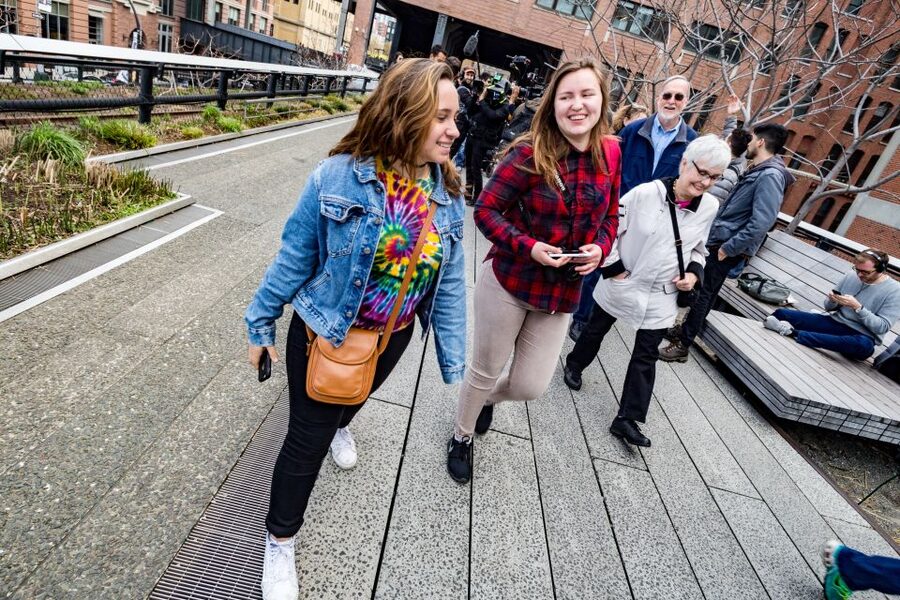
The High Line is the centerpiece. It is a roughly one-mile linear park built on part of the former elevated New York Central Railroad on Manhattan’s west side. The route once carried freight trains, including locomotives that moved goods through the working district. Today, you walk along the old rail corridor with the city spread around you.
The unusual setting is what makes the High Line so appealing. You are not simply walking another Manhattan sidewalk. You are above street level, looking across rooftops, down into streets, and toward the Hudson River. The route gives you a different angle on Chelsea and lets you see how closely the old railway was tied to the factories and warehouses below.
A guide can point out where freight activity connected with the buildings and explain why the rail line mattered. The tour also uses the High Line to show the neighborhood’s change over time. The old route is now a public park, but its original purpose remains visible in the design and surrounding buildings.
Do not expect a quiet nature walk. The High Line is a city park in a busy part of Manhattan, and the experience depends on the day, the weather, and the number of people using the path. Your guide helps keep the route focused, but you may need to wait briefly at narrower or popular sections.
The views are best treated as part of a moving walk rather than a single overlook. You will get surprising glimpses of the Hudson River and broad views toward buildings such as the Empire State Building. The scenery changes as you go, which keeps this section from feeling repetitive.
More NYC Walking Tours:
- SoHo, Little Italy, and Chinatown Walking Tour in New York
★ 5.0 · 3,153 reviews - Secrets of Grand Central Station Walking Tour New York City
★ 5.0 · 1,796 reviews - Greenwich Village Walking and Food Tasting Tour
★ 5.0 · 1,572 reviews - Artistic, Alternative Greenwich Village Walking Tour
★ 5.0 · 971 reviews
The Meatpacking District’s sharp change of identity
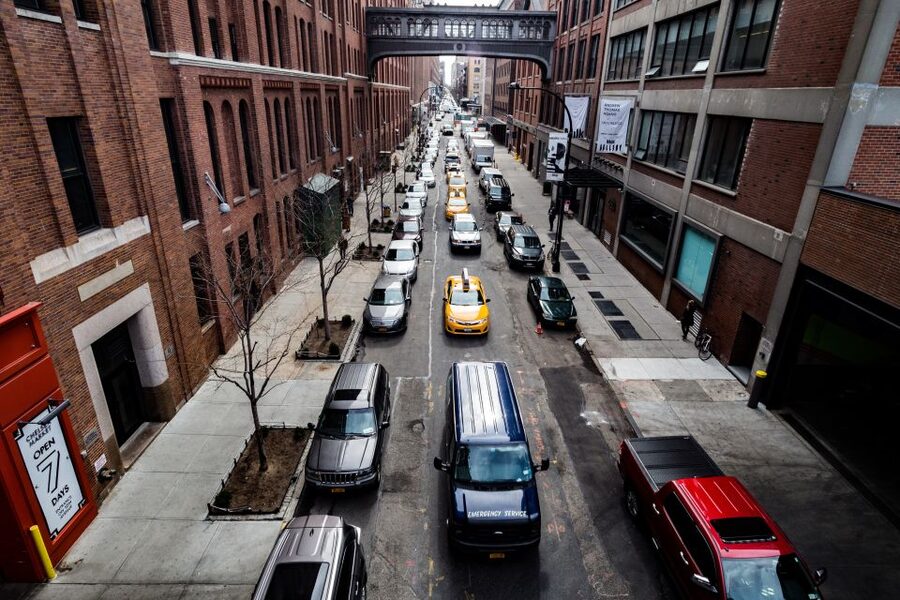
The walk then turns to the Meatpacking District, an area once filled with slaughterhouses and meat-processing businesses. Its current image, with stylish buildings and a polished nightlife scene, is a sharp contrast to that earlier working identity.
This transformation is the central story of the district. Your guide explains how rows of industrial buildings became part of one of Manhattan’s chicest areas. The value is not only in learning what used to be here. It is in seeing how old buildings, new businesses, and changing city tastes can reshape an entire neighborhood.
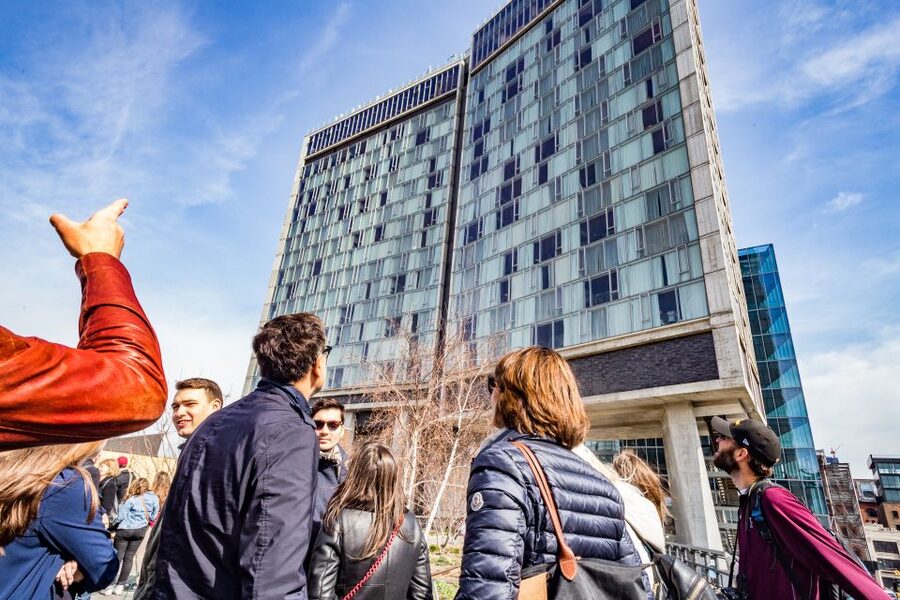
The district also provides some of the tour’s strongest architecture. You may see the Standard Hotel, the IAC building with its curved glass exterior, and views toward the Art Deco Empire State Building. These buildings span several eras and styles, so the route works well for anyone interested in architecture as much as local history.
Some guides add personal observations and unusual anecdotes. That style can make the walk memorable, but it also means the tone may differ from one guide to another. Most feedback praises the humor and energy of guides such as Maki, Kevin, Isa, and Tim. Two people raised a useful caution: one guide included too many sexual comments for a family group, and another brought political opinions into the talk. Those experiences appear to be exceptions, but families may prefer to mention their expectations at the start.
What the guides add to the experience
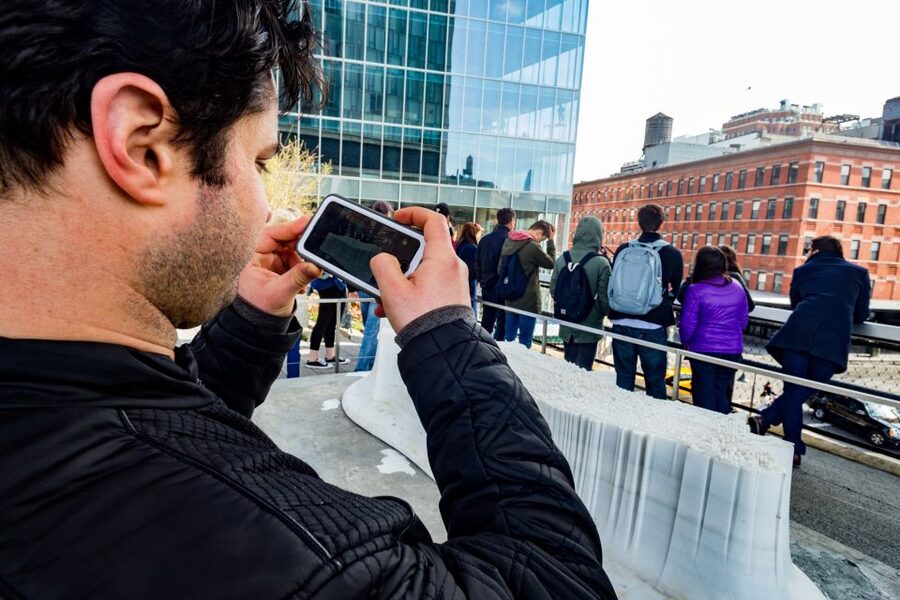
A guided walk like this succeeds or fails on the person leading it. The route itself is easy to find and can be explored independently, so the guide must add more than directions.
The best examples from this tour include Maki, who is repeatedly described as funny, energetic, and full of useful facts; Kevin, who is praised for humor and strong local knowledge; and Ben, who is described as friendly and engaging. Bob is noted for giving detailed answers about buildings and sights, while Filip handled rainy conditions thoughtfully by finding places with cover.
Other well-received guides include Ellen, Brandon, Isa, Tim, Debbie, Eric, and Kory. The consistent theme is a conversational style that mixes history with stories and questions. That is especially useful for families. One family with children aged 11 and 14 found the talk engaging, and another family said Kevin kept younger children interested throughout the walk.
The booking information also allows for a private group. That option may suit families, couples, or small groups who prefer a more personal pace, though the exact group arrangements and price should be confirmed when booking.
Timing, walking pace, and weather
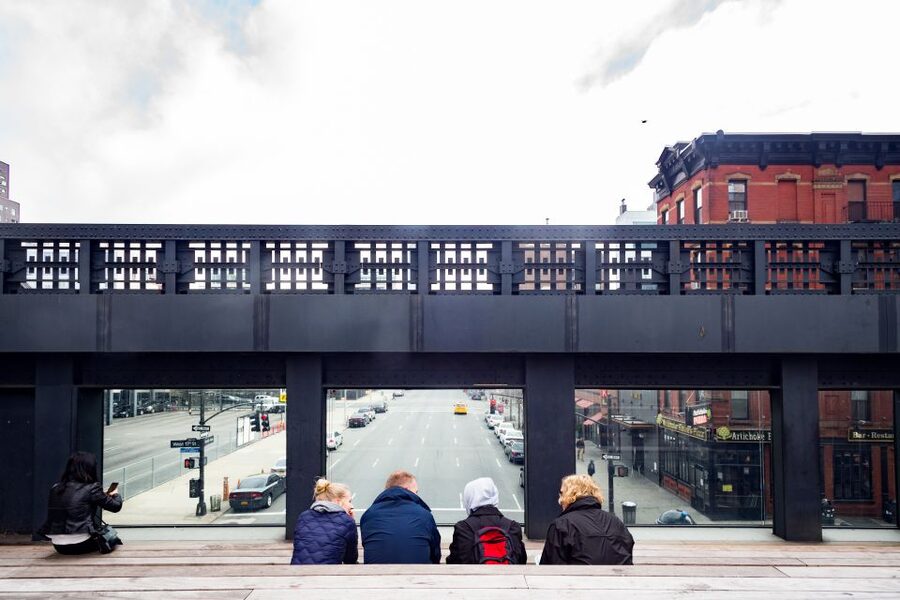
Two hours is enough to cover the main route without turning the tour into an all-day commitment. It also means you should arrive ready to walk rather than expecting long indoor breaks.
Wear comfortable shoes. The High Line section is easy to access as a public park, but the full outing includes walking through several neighborhoods, stopping, starting, and keeping pace with a guide. If you want to take many photographs, you may need to move quickly or save some pictures for after the tour.
Weather has a direct effect on the experience. Strong wind can make the High Line feel cold, and rain can reduce the pleasure of the open views. One tour continued in chilly winds and was still enjoyed, while another guide handled rain by choosing covered places when possible. A winter outing can work, but dress for exposure rather than assuming the surrounding buildings will block the weather.
This tour is listed as unsuitable for people with mobility impairments. The supplied information does not give detailed access conditions, so anyone with specific mobility needs should confirm the route and meeting arrangements before paying.
Who should take this tour
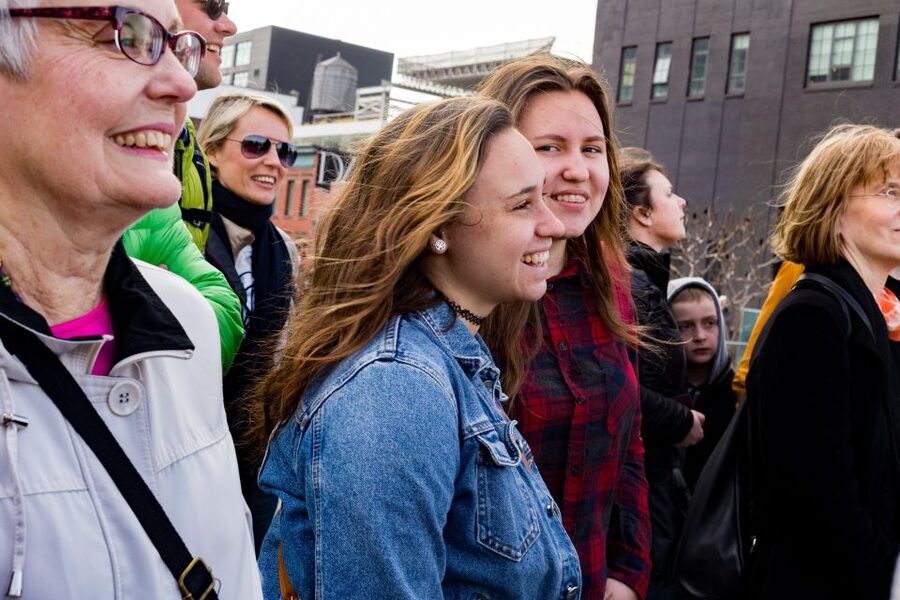
I would recommend it to first-time visitors who want a clear introduction to Chelsea, the High Line, and the Meatpacking District in one outing. It also suits repeat visitors who have walked the High Line before but want more context about the railroad, factories, buildings, and neighborhood change.
Architecture fans will get plenty to notice, from old industrial structures to the Standard Hotel, the IAC building, and the Empire State Building. Families can enjoy the humor and short stories, especially with a guide who keeps children involved.
Food lovers may like starting at Chelsea Market, but this is not a dedicated tasting tour. Art fans should also note that a gallery visit may happen, but it is not assured. If you want a full meal, extensive shopping time, or long gallery visits, plan those separately.
The experience is less suited to anyone who dislikes walking, wants a quiet route, or prefers to explore each sight at their own speed. You will be part of a guided schedule, and the pace may not leave unlimited time for photos.
Practical value at $39
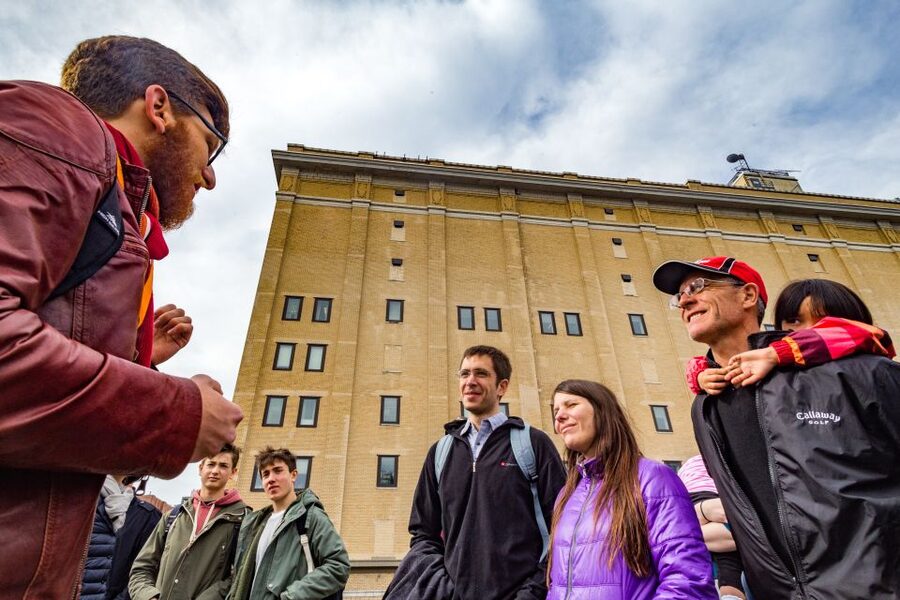
The $39 price makes the most sense if you value explanation and local storytelling. The High Line itself is free, Chelsea Market is open to explore on your own, and the streets of the Meatpacking District cost nothing to walk. The fee pays for structure, context, and a guide who ties these places together.
That is useful early in a New York visit. You can use the tour to get your bearings in west Manhattan, learn where you might want to return, and ask for food or sightseeing suggestions. If you already know the area well, the value will depend on whether you enjoy guided stories and architectural detail.
Free cancellation up to 24 hours before the start gives you some flexibility, and the reserve-now, pay-later option can help if your schedule is still changing. Starting points vary by booking choice, so confirm the exact address and time before you leave.
Should you book the Chelsea and High Line walk?
Book it if you want more than photographs of the High Line. The strongest reason to go is the connection between the old railway, Chelsea’s factories, Chelsea Market, and the Meatpacking District’s modern image.
Skip it if you want a slow, self-guided stroll or if poor weather would spoil an outdoor walk. For most visitors, $39 is fair for two hours with an engaging English-speaking guide, especially if you are new to this part of Manhattan. Eat beforehand, wear good shoes, check the meeting point, and prepare for wind. That small amount of planning should leave you free to enjoy the views and the stories.
FAQ
How long does the tour last?
The tour lasts two hours.
What places does the tour visit?
It covers Chelsea, Chelsea Market, the High Line, and the Meatpacking District.
Is the tour guided?
Yes. It includes an English-speaking live guide.
What language is available?
The tour is conducted in English.
How much does the tour cost?
The listed price is $39 per person.
Where does the tour start?
The starting point depends on the option booked. The listed choices are 59 9th Avenue and 410 West 16th Street.
Where does the tour finish?
The listed drop-off points are 22 9th Avenue and 9th Avenue at West 14th Street.
Is a private group available?
Yes. A private group option is available.
What should I bring?
Bring comfortable shoes and clothing suitable for the weather. The tour is not suitable for people with mobility impairments.
Recently added in New York City
- Squid Game: The Experience New York City★ 4.0 · 9 reviews
- New York: Private Professional Photoshoot at Central Park★ 5.0 · 9 reviews
- Professional Photoshoot at Brooklyn Bridge in New York★ 5.0 · 5 reviews
- New York Queens Indoor Skydiving Experience With 2 Flights★ 5.0 · 4 reviews
- New York 4-Day Tour to Niagara Falls & Washington★ 4.0 · 13 reviews
- New York: Times Square Professional Photoshoot★ 4.5 · 17 reviews
- New York Princess Cruises★ 3.0 · 4 reviews
- New York Midtown Scavenger Hunt Adventure★ 3.5 · 9 reviews
High Line and Chelsea Tours, compared.
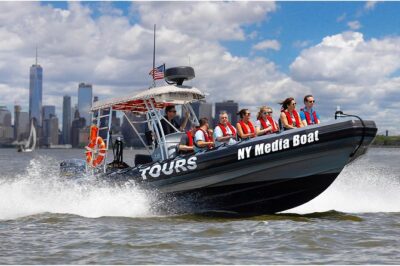
Manhattan Adventure Sightseeing Boat Tour – from Chelsea Piers
Read our review →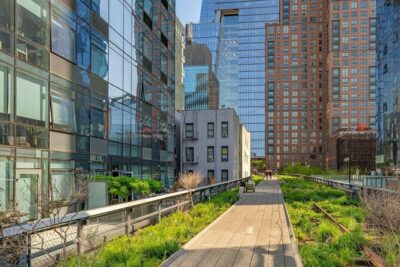
High Line Park and Greenwich Village Food Tour
Read our review →
Statue of Liberty Speedboat Tour – from Chelsea Piers
Read our review →
Foods of NY Tours Chelsea Market Food Tour & High Line Park
Read our review →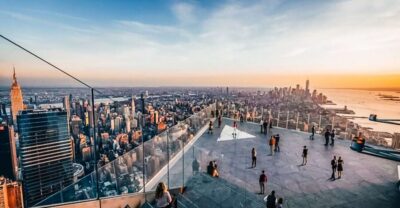
Hudson Yards & High Line Tour with Optional Edge Ticket
Read our review →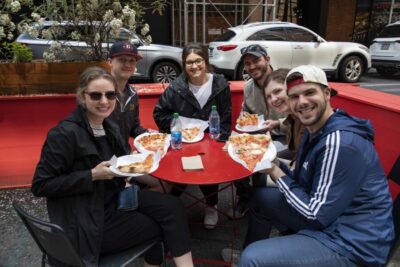
Chelsea Market, Meatpacking, High Line Food Tour
Read our review →Browse the lists this tour appears in