Reviewed · TICKETS
NYC: The Metropolitan Opera Tickets
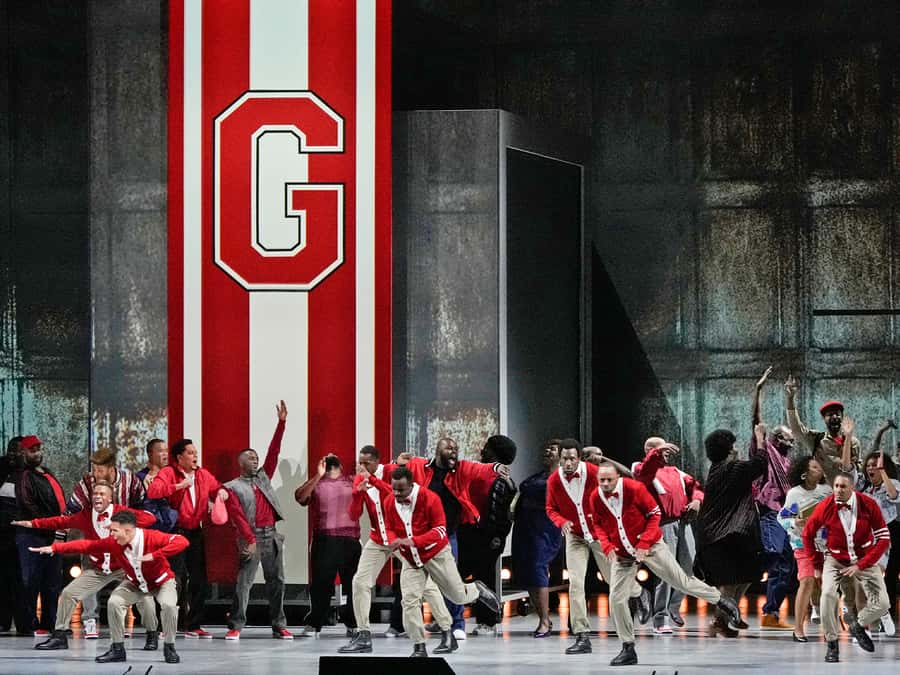
The Metropolitan Opera gives you a rare chance to see major singers, a full orchestra, and ambitious stage productions in one of New York’s great cultural rooms. I especially like the wide choice of operas, from Mozart’s playful Magic Flute to Verdi’s tragic Rigoletto, and the chance to catch newer works such as Grounded and Ainadamar. At $45, the ticket can be a strong value for live opera at this level, though you need to check the exact performance length, language support, and available seating before booking.
I also like that the program includes both famous titles and less familiar works, so you can choose between a safe first opera and something more adventurous. The main drawback is that this is not one fixed show: the cast, running time, translation options, and tone change with your selection, and the non-refundable ticket makes that choice important.
Key things to know before you go
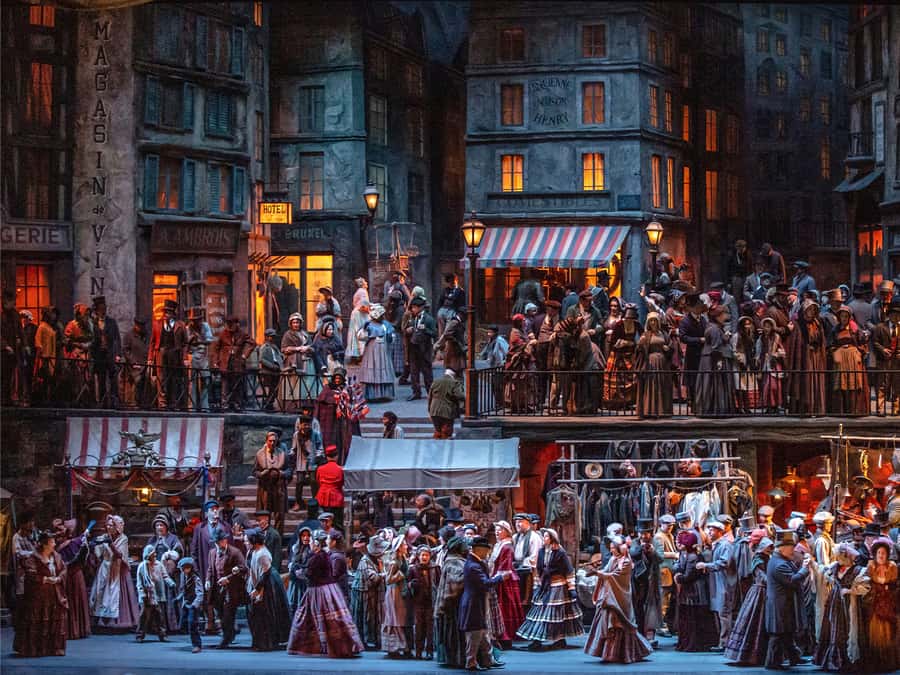
- Choose from eight very different operas: The season includes Rigoletto, Tosca, The Magic Flute, Il Trovatore, Les Contes d’Hoffmann, Die Frau ohne Schatten, Grounded, and Ainadamar.
- Expect a real opera production: Your ticket includes entry to the Metropolitan Opera performance and Lincoln Center.
- Plan for a changing run time: Performances range from about 110 minutes to much longer, so check the individual show before making evening plans.
- Use translation support: Real-time translations may be available in English, German, Spanish, Italian, and French, depending on the performance.
- See major artists and conductors: Yannick Nézet-Séguin leads Die Frau ohne Schatten, while Miguel Harth-Bedoya conducts Ainadamar in his Met debut.
- Follow strict theater rules: Selfie sticks, flash photography, and video recording are not allowed, and full vaccination, including eligible booster shots, is required under the stated conditions.
Why the Metropolitan Opera is worth your evening
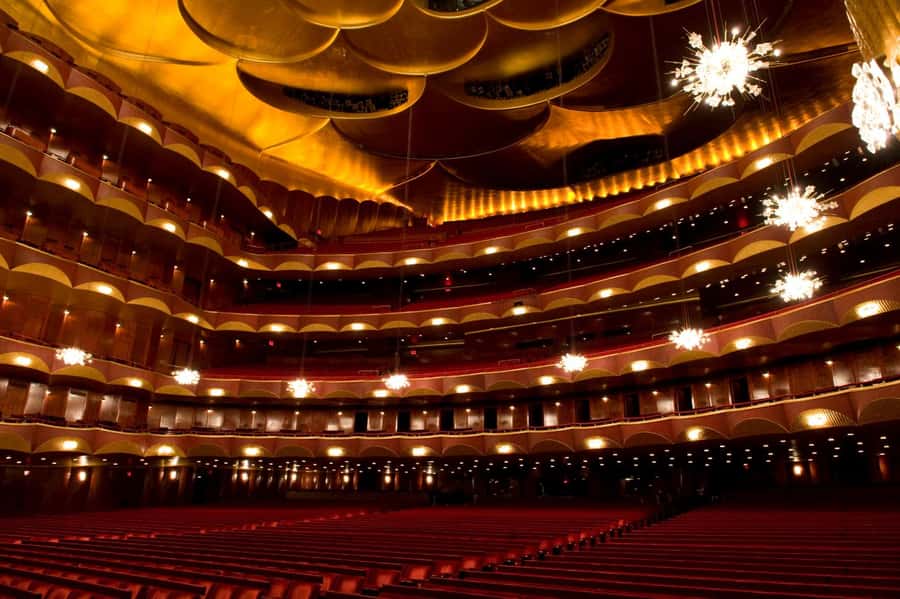
The Met Opera is not a quick photo stop at Lincoln Center. You are buying a seat for a full theatrical production, with singers, orchestra, scenery, costumes, lighting, and stage direction working together. Even if you are new to opera, that scale makes the experience feel more like grand theater than a formal music lesson.
The program also lets you match the show to your mood. If you want a familiar story with instantly memorable music, choose Rigoletto, Tosca, or The Magic Flute. If you prefer a modern subject or a newer stage language, Grounded and Ainadamar offer a different kind of evening.
I find the $45 starting price appealing because live opera at a major house can cost far more. Still, the value depends on your chosen performance and seat. The available information does not specify seating location, so do not assume every $45 ticket offers the same view or sound. Check the performance details before paying, especially since the booking cannot be refunded.
More New York City Tours:
- NYC: SUMMIT One Vanderbilt Tickets
★ 4.7 · 51,195 reviews - NYC: Empire State Building Tickets – Observatory & Museum
★ 4.7 · 25,757 reviews - New York City: Statue of Liberty & Ellis Island with Ferry
★ 4.6 · 18,683 reviews
Picking the right opera for your taste
The Magic Flute for a first visit or family outing
Mozart’s The Magic Flute is the easiest entry point for many first-time opera visitors. The Met’s production is an abridged, English-language version created by Julie Taymor, the Tony Award winning director known for Broadway’s The Lion King.
That choice matters. An abridged performance is shorter and easier to follow than a complete, multi-hour production. The English language removes one common barrier, while Taymor’s colorful setting and large puppets give the show a visual hook for children and adults alike.
This is the clearest choice if you want a seasonal outing or are introducing someone to opera. You will still encounter singing, orchestra, and fairy-tale drama, but the production is designed to be approachable. Check the exact running time and available show dates, since the general activity range does not tell you the length of your selected performance.
Rigoletto for powerful Verdi drama
Rigoletto centers on a court jester caught in a cruel story of power, family, and forbidden love. Verdi’s music moves from swagger to heartbreak, and the central character gives the evening a strong emotional focus.
Quinn Kelsey returns in the title role, bringing particular interest for anyone who wants to hear a leading Verdi baritone in one of the repertory’s great parts. This is a good pick if you want an established classic with a tragic edge rather than a light family production.
The subject matter is not gentle, so I would not choose it for young children simply because it is famous. For adults seeking a direct, emotionally charged opera, it is one of the safer selections on the schedule.
More Tickets in New York City:
- New York City: American Museum of Natural History Ticket
★ 4.5 · 15,447 reviews - NYC: Museum of Modern Art (MoMA) Entry Ticket
★ 4.6 · 12,540 reviews - NYC: One World Observatory Skip-the-Line Ticket
★ 4.7 · 12,329 reviews - NYC Empire State Building Observation Deck Ticket
★ 4.5 · 6,916 reviews
Tosca for suspense and political danger
Tosca places you in Rome while news of the Battle of Marengo could decide the fate of the city. That political tension frames a story of love, fear, power, and survival.
The setting gives the opera a strong sense of urgency. You are not watching an abstract myth or a comic fairy tale. The characters face immediate danger, and the changing news from the battlefield affects the action on stage.
Choose Tosca if you want drama that moves quickly and carries serious stakes. As with every title here, check the exact cast and duration. The supplied details describe the story but do not identify every performer for this production.
Il Trovatore for Verdi’s tangled family conflict
Il Trovatore brings forbidden love and family strife together in one of Verdi’s most charged dramas. Tenor Michael Fabiano sings Manrico, a troubadour who does not realize he is fighting his own brother. Gwyn Hughes Jones sings the final two performances.
That casting note is useful. If you are choosing a date partly for the singer, check the performance schedule carefully. The same opera can feel different with a different lead, and the final two performances are specifically associated with Hughes Jones.
This is a strong choice for a listener who wants big romantic conflict and Verdi’s forceful vocal writing. The story is complicated, so a little preparation can help you keep track of the family connections.
Les Contes d’Hoffmann for fantasy and shifting identity
Offenbach’s Les Contes d’Hoffmann follows a troubled poet through a fantastical final work. Benjamin Bernheim leads the cast in the title role, supported by an ensemble of prominent singers.
The opera’s appeal lies in its changing worlds and uneasy imagination. It is less straightforward than The Magic Flute and less grounded than Tosca. You may find it rewarding if you like stories that move between romance, fantasy, and psychological trouble.
Because the work is built around multiple episodes and a central poet, I recommend checking the exact length before scheduling dinner or another event afterward. The general experience can run well beyond the shortest 110-minute option.
Die Frau ohne Schatten for a large-scale musical event
Richard Strauss’s Die Frau ohne Schatten is the most overtly epic choice in the program. Yannick Nézet-Séguin, the Met’s music director, conducts this mythological work, which demands a great deal from both orchestra and soloists.
The cast includes Elza van den Heever as the otherworldly Empress, Lise Lindstrom as the Dyer’s Wife, and Nina Stemme as the Nurse. Three major sopranos give the performance a clear vocal attraction, but this is not the title I would pick for someone seeking a short, simple introduction to opera.
Choose it if you enjoy large musical forces and mythic storytelling. Expect a substantial commitment of time and attention. Check the listed run time closely, as the activity’s broad duration range reflects the fact that the operas vary greatly.
Grounded for a modern story about military duty
Grounded shifts opera into a contemporary setting. Mezzo-soprano Emily D’Angelo plays Jess, a fighter pilot whose unplanned pregnancy takes her out of the cockpit and into drone operations in Las Vegas.
The story then tests her against several demanding roles at once: soldier, wife, and mother. That modern conflict may feel more immediately familiar than the kings, poets, and mythic figures found in some of the other productions.
I would choose Grounded if you want opera to address current questions about war, technology, gender, and family pressure. It is also a good option if old stories and period settings do not usually attract you. The production is described as a tour-de-force role for D’Angelo, so her performance is a central reason to select this title.
Ainadamar for flamenco energy and political memory
Ainadamar combines opera with the form and intensity of a passion play. Miguel Harth-Bedoya conducts his Met debut, and Brazilian director and choreographer Deborah Colker leads the production. Colker is known for work with Cirque du Soleil.
The music draws on flamenco and rumba, while the story is set against the violence of civil war. That combination gives the production a different sound and physical style from the standard Italian and German repertory.
Choose Ainadamar if you want something new, rhythmic, and strongly theatrical. It may be less familiar than Rigoletto or Tosca, but that is part of its appeal. You should check the available translation languages and running time, since the show may be less easy to follow without preparation.
What your visit includes at Lincoln Center
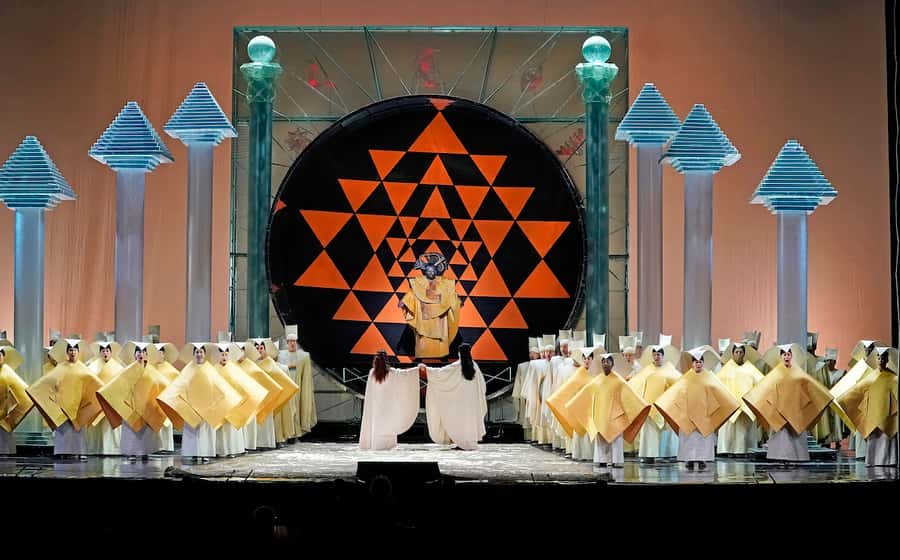
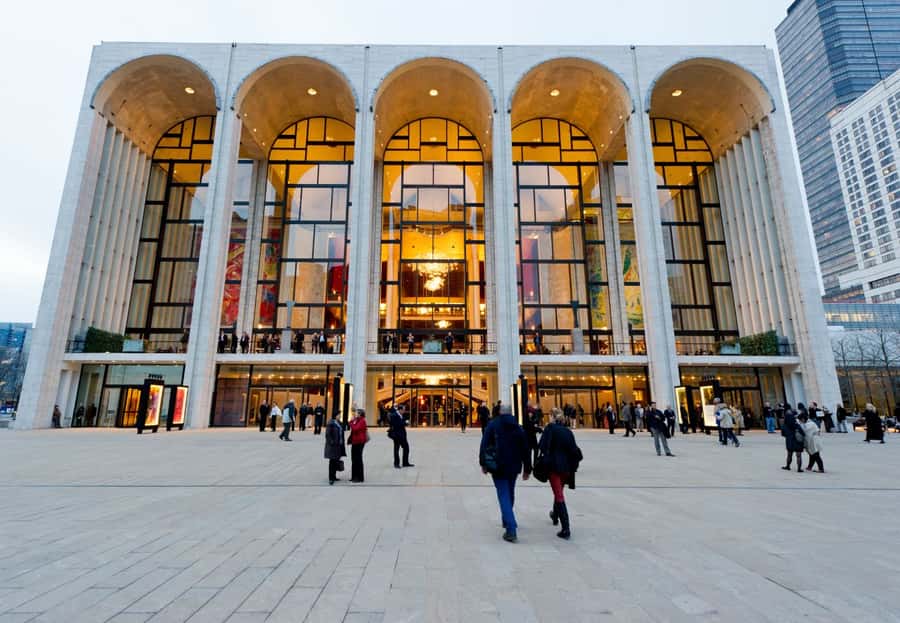
Your ticket includes the opera performance and entry to Lincoln Center. The information does not describe a guided backstage visit, a building tour, or a meal, so plan on this as a performance ticket rather than a broader sightseeing package.
That distinction helps set expectations. You will need to make your own way to the venue and arrive ready for a formal theater setting. The Met is an iconic place to hear opera, but the value comes from the live performance itself, not from a guided introduction to the building.
A cold or snowy night does not automatically spoil the plan. A January booking in snowy weather was still described as a great experience, which makes the opera a useful indoor option during winter. Still, allow extra time for your arrival if the weather is poor.
Timing, translations, and practical planning
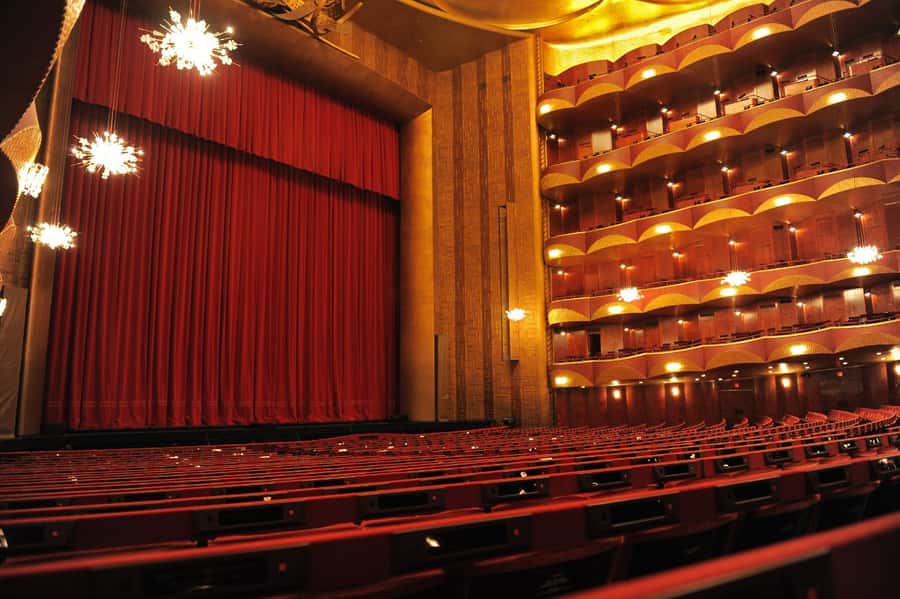
The stated duration runs from 110 minutes to 160 hours, but the upper figure is clearly not a normal single opera duration. The important practical point is that each title has its own running time. Check the exact show before booking trains, dinner, or another timed activity.
Real-time translations are available in English, German, Spanish, Italian, and French for some performances. Do not assume every language is offered at every show. The booking information directs you to check your chosen performance, so treat that as part of the selection process.
If you are new to opera, translation support can make a major difference. You can focus on the staging and singing without losing the plot. If you are comfortable with the story already, you may use the translation less often and give more attention to the orchestra and performers.
The rules are simple but strict. Selfie sticks, flash photography, and video recording are prohibited. That protects the performers and the audience, and it means you should plan to watch rather than document the show.
The stated health requirement is full vaccination, including booster shots for people eligible for them. Check the current conditions at the time of booking, since entry rules can change.
Is $45 a good price for a Met Opera ticket?
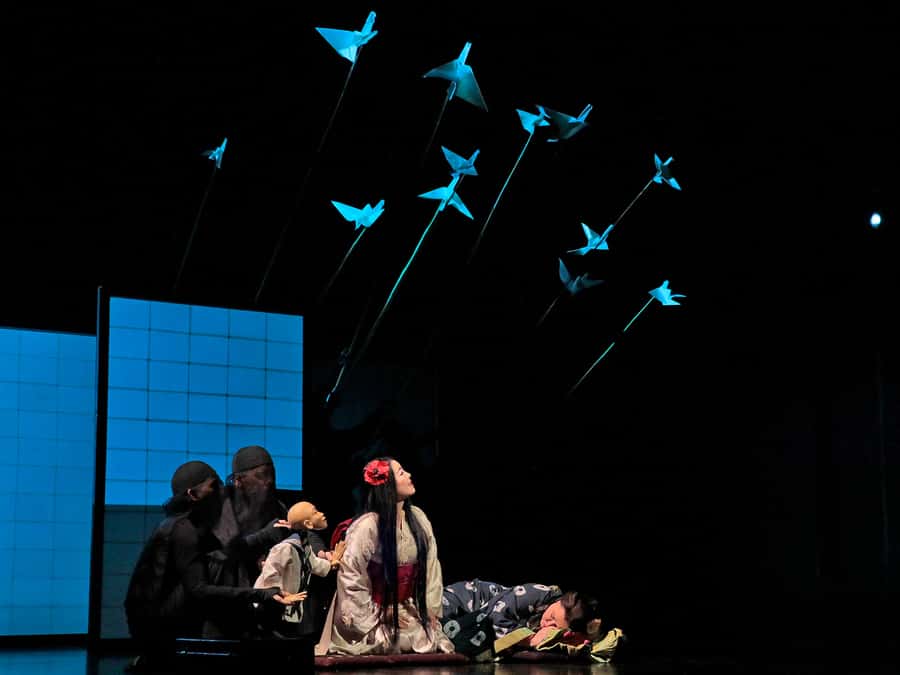
At $45 per person, this can be a very good cultural value, especially if you already plan to visit Lincoln Center or want one memorable evening in New York. You get access to a professional Met Opera production with notable singers and, for some titles, major conductors and directors.
The price needs context. The information does not state the seating section, so the ticket may not provide the same view or acoustics as a more expensive seat. You also cannot cancel for a refund, which makes it wise to check the title, date, language support, and running time before you commit.
I would compare the price with your priorities. If you want a famous opera in a major house and can accept a fixed booking, $45 is attractive. If you are unsure about the art form, start with The Magic Flute, which is abridged and in English. If you already love opera, a less familiar choice such as Ainadamar or Grounded may offer more discovery for the same starting price.
Who should book this experience?
I recommend it most to:
- First-time opera visitors who choose The Magic Flute, Rigoletto, or Tosca
- Families looking for the abridged English-language Magic Flute
- Fans of Verdi, Strauss, Mozart, Offenbach, or contemporary opera
- Visitors who want a serious indoor cultural event at Lincoln Center
- Music lovers interested in major singers such as Quinn Kelsey, Benjamin Bernheim, Emily D’Angelo, and Michael Fabiano
- People willing to plan around a fixed, non-refundable performance
I would be more cautious if you dislike long theater productions or need a flexible evening. Some operas may run well beyond two hours, and the title you choose determines the mood, language support, and story style.
Should you book the Metropolitan Opera?
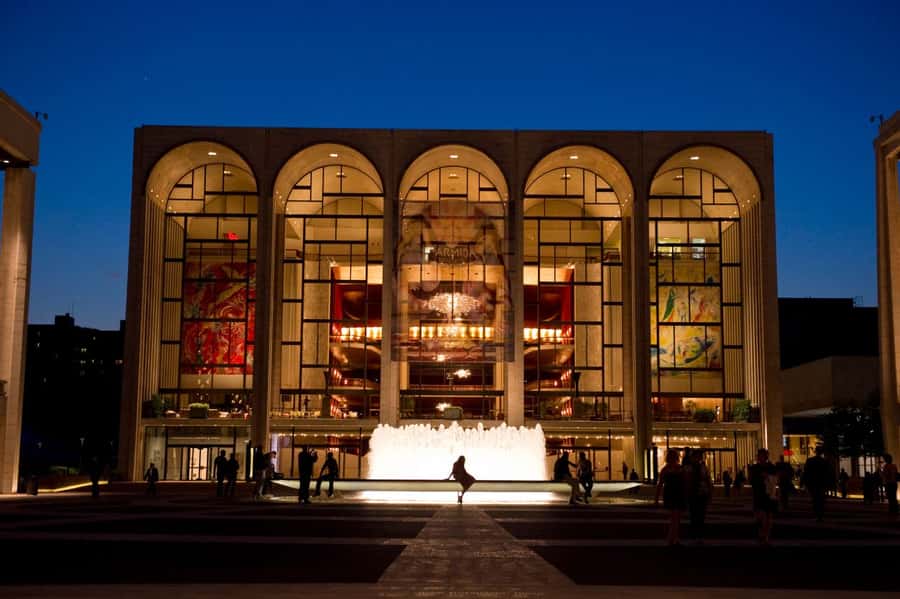
Book it if you want live opera in one of New York’s best-known performance venues and you are willing to choose your show carefully. The $45 starting price is appealing, the program covers both famous classics and modern works, and the cast and creative teams give several performances a strong reason to attend.
For the safest first booking, choose The Magic Flute for its English text, shortened format, and puppets. Choose Rigoletto or Tosca for classic Italian drama. Pick Grounded or Ainadamar if you want a newer subject and a less predictable evening.
Before paying, confirm the exact running time, translation languages, cast, and entry requirements. If those details fit your plans, this is one of the more memorable ways to spend an evening at Lincoln Center.
FAQ
What is included with the Metropolitan Opera ticket?
The ticket includes admission to the selected opera performance and entry to Lincoln Center.
How long does the opera last?
The listed duration begins at about 110 minutes, but each opera has its own running time. Check the details for your chosen performance before booking other activities.
Which operas can I choose?
The available selections include Ainadamar, Die Frau ohne Schatten, Grounded, Il Trovatore, Les Contes d’Hoffmann, The Magic Flute, Rigoletto, and Tosca.
Are translations available during the performance?
Real-time translations are available in English, German, Spanish, Italian, and French for some performances. Check the specific show to confirm which languages are offered.
Can I take photos or record the opera?
Selfie sticks, flash photography, and video recording are not allowed.
Is the ticket refundable?
No. The activity is non-refundable, so confirm the opera, date, running time, translation options, and entry requirements before booking.
Recently added in New York City
- NYC: Midtown Hands-On Bagel Baking Class★ 5.0 · 12 reviews
- Personalize Sightseeing Tour★ 5.0 · 92 reviews
- Central Park Pedicab Tour with Guide★ 5.0 · 63 reviews
- Central Park Pedicab Guided Tour★ 5.0 · 17 reviews
- Photographer, Professional Photo shoot – New York★ 5.0 · 16 reviews
- Official Central Park Pedicab Ride ( UP TO 3 PERSONS )★ 5.0 · 4 reviews
- JFK or LGA package only (Round trip transfer plus VIP Contrasts)★ 5.0 · 3 reviews
- Official Central Park Pedicab Tours★ 5.0 · 35 reviews
Tickets, compared.


Empire State Building Tickets – Observatory & Museum
Read our review →


NYC Empire State Building Observation Deck Ticket
Read our review →
9/11 Memorial, Ground Zero Tour with Optional 9/11 Museum Ticket
Read our review →