
Reviewed · NYC BIKE TOURS
Radical & Weird History Bike Tour of New York City
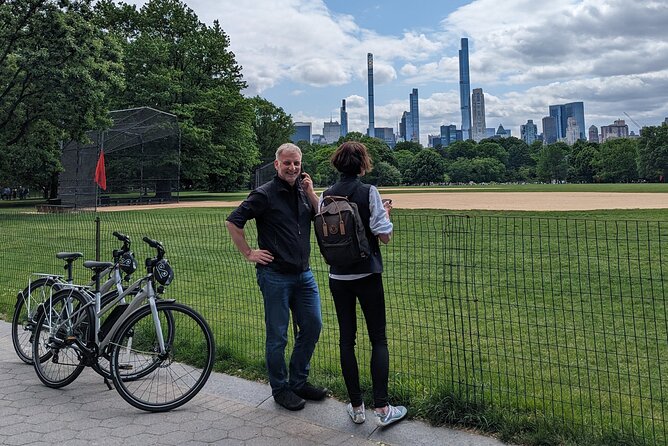
New York’s odd corners make more sense from a bicycle. This four-to-five-hour ride links the Ghostbusters firehouse, immigrant neighborhoods, queer history, the Garment District, John Lennon’s memorial, and Central Park without asking you to plot the route yourself. Guide Robbie adjusts the stops and commentary to match your interests.
I like the small maximum of eight people, which should make questions and route changes easier. I also like the mix of playful and serious subjects: one moment you are looking at a movie location, and the next you are discussing AIDS research, tenement life, or the human cost of fashion. The main consideration is physical effort. You will be riding for several hours, and travel time between stops is part of the tour.
Key points to know before you ride
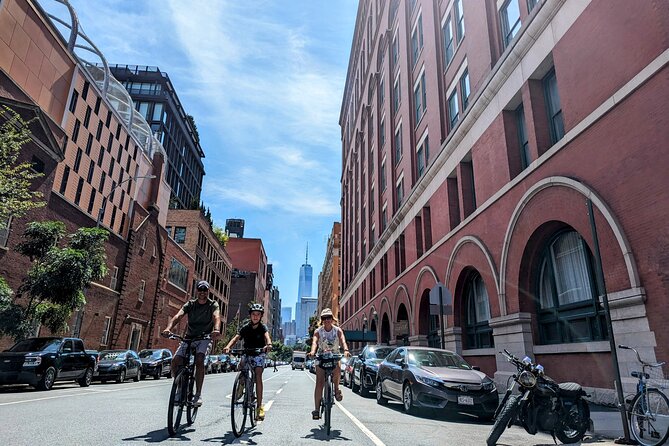
- A full Manhattan crossing by bike: Start at 79 Chambers Street and finish back there after reaching Central Park.
- An unusual subject mix: Ghostbusters, Ukrainian food, queer liberation, immigrant life, fashion labor, John Lennon, and clean water all fit into one route.
- A flexible plan: The guide can choose different stopping options according to your group’s interests.
- A very small group: The tour accepts no more than eight people.
- Several food-related possibilities: The Lower East Side may include a historic bagel bakery or Chinese dumplings, while Streecha offers a Ukrainian cantina setting.
- Weather matters: The ride can be moved or refunded if poor weather prevents it from operating.
Why this bike tour feels different from a standard Manhattan ride
Many New York bike tours focus on famous buildings and postcard views. This one takes a more curious route through the city’s contradictions. You get the familiar sights, but the guide uses them as doorways into subjects that are less polished and less often explained.
The route begins downtown and works north toward Central Park. That matters because you see Manhattan change as you ride. Lower Manhattan brings immigrant neighborhoods, the World Trade Center site, and old apartment districts. Farther north, the subject turns to fashion, music, queer life, public space, and Central Park.
I like the way the tour combines humor with difficult material. The original Ghostbusters location gives the ride an easy opening, while the 9/11 Memorial, AIDS Memorial, and garment industry discussions ask for more attention. This is not a sightseeing loop built only around cheerful photo stops.
The group size helps here. With a maximum of eight people, you should have more room to ask about politics, culture, or the city’s past. Robbie is described as attentive to different interests and able to discuss New York from historical, cultural, and political angles. That is useful on a route with this many subjects, since a good guide needs to know when to explain and when to keep the bike moving.
More NYC Bike Tours:
- NYC: Central Park Bike Rentals
★ 4.2 · 2,528 reviews - NYC: Central Park Bike Rental
★ 4.1 · 1,651 reviews - Central Park Bike Rental
★ 4.7 · 1,509 reviews
From the Ghostbusters firehouse to the World Trade Center
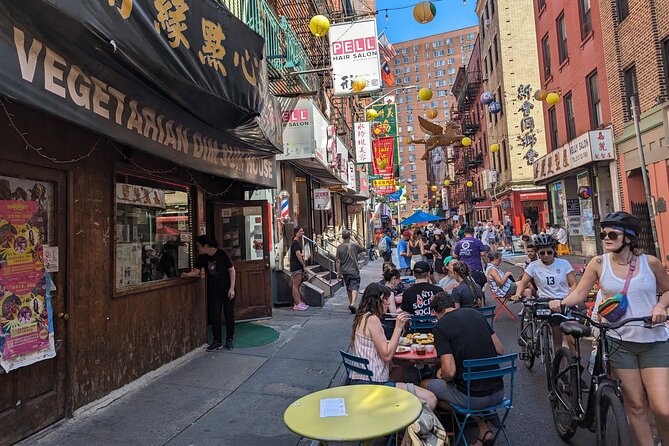
The first stop is the fire station used as the Ghostbusters headquarters in the original 1984 film. It is not just a movie façade. The building remains an active fire station, which gives the stop a nice bit of real New York context.
You can expect this to be a quick, lighthearted beginning. It works well for anyone who likes film locations, but it also gives the guide a chance to show how New York often serves as both a real workplace and a movie set. You may want a quick photo, but do not expect a long museum-style visit inside.
The ride then reaches the National 9/11 Memorial and Museum area. The planned stop focuses on the memorial fountains and on how the new World Trade Center buildings came to be. The memorial stop is listed at about five minutes and does not include an admission charge.
That short time is important to understand. You will get orientation and key context, not a full museum visit. If you want to spend hours inside the 9/11 Museum, this tour is not a replacement for a separate ticket and visit. The benefit here is seeing the site as part of a larger city story, then continuing by bike instead of using the whole day in one place.
Lower East Side tenements and food traditions
The Lower East Side brings one of the tour’s strongest history sections. The guide discusses the immigrant groups who lived in the area’s tightly packed tenement buildings and explains how the neighborhood developed through successive waves of arrival.
This stop is scheduled for about ten minutes, so expect a focused talk rather than a full walking tour of every block. The subject is valuable because you can look at the buildings while hearing about the people who lived in them. New York’s immigrant story becomes more concrete when connected to crowded housing, food, work, and neighborhood change.
The food options add a practical, sensory touch. Depending on the group’s interests and the guide’s plan, you may stop at a historic bagel bakery or for Chinese dumplings. The information provided does not promise that food is included in the tour price, so treat these as possible stop choices rather than included meals.
If you want the most time for eating, ask the guide early in the ride how the group will handle the Lower East Side stop. With a four-to-five-hour schedule, each extra pause affects the time available later in Central Park.
Streecha, a Ukrainian cantina with a neighborhood feel
Streecha offers a very different kind of stop. This volunteer-run Ukrainian cantina operates in the basement of an apartment building in the East Village. The tour allows about 15 minutes here, making it the longest listed stop.
The setting is part of the appeal. You are not being sent to a large formal attraction. You are seeing a modest community food space operating within an apartment building, which gives the stop a more personal sense of place. It also shows how New York neighborhoods can hold cultural institutions that are easy to miss if you only follow major avenues.
The stop may suit you best if you enjoy food traditions and local institutions more than famous landmarks. It also gives the route a pause after the denser downtown sections. Still, 15 minutes is brief, and the tour may not allow time for a leisurely meal. Think of Streecha as a short cultural and food stop within a moving city tour.
More Historical Tours in New York City:
- New York City: American Museum of Natural History Ticket
★ 4.5 · 15,447 reviews - NYC: Starship Landmark 90 Minute Sightseeing Cruise
★ 4.6 · 3,666 reviews - Starship Landmark 90 Minute Sightseeing Cruise
★ 4.5 · 2,073 reviews - American Museum of Natural History Admission Ticket
★ 4.0 · 1,931 reviews
Greenwich Village, queer liberation, and the AIDS Memorial
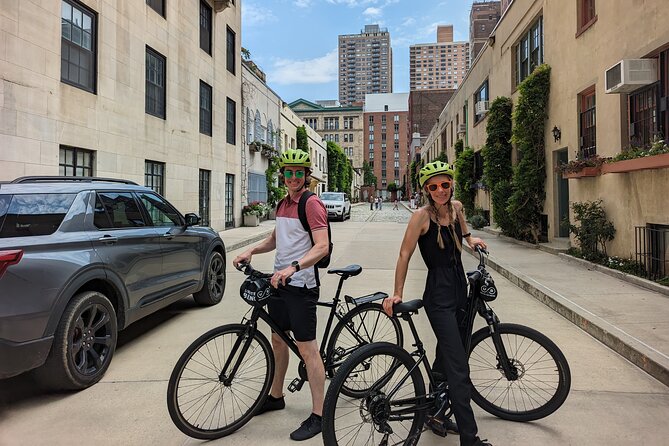
The New York City AIDS Memorial brings the tour into more serious territory. The stop discusses Greenwich Village as an enclave for the gay community, queer liberation, and the way medical stigma slowed research toward an AIDS cure.
This is one of the places where the guide’s tone matters. The subject needs more than a quick landmark label, and the tour description suggests a discussion of social and medical history rather than a simple photo stop. You should expect a respectful seven-minute explanation at the memorial.
The short timing means you will not receive a full history of the AIDS crisis or queer New York. Yet the stop gives the city’s streets a human dimension. It also keeps the tour from treating Manhattan as a collection of entertaining oddities. The route asks you to consider how discrimination shaped public health and delayed action.
I would especially recommend this tour to people who like connecting places with political and social change. Robbie’s ability to adjust the discussion to group interests should be useful here, since some riders may want more context while others may prefer to keep the stop brief.
Karaoke, street food, and the city’s colorful names
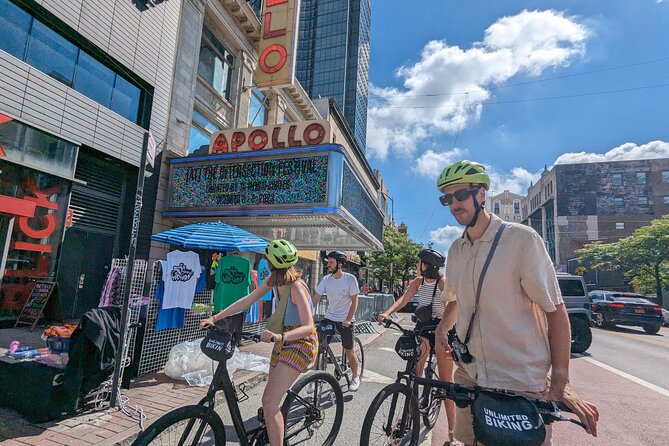
The route includes a one-block neighborhood known for karaoke bars, street food, and boba tea shops. The supplied details do not identify the neighborhood by name, so you should think of this as a quick character stop rather than a promised food crawl.
This section adds a lighter change of pace after the AIDS Memorial. It shows the city through everyday entertainment and small businesses, not only through monuments. You may see a concentrated burst of signs, food counters, and nightlife culture within a very small area.
The tour also includes a stop in New York’s most colorfully named neighborhood. Again, the information does not provide the name, so it would be wise not to book this ride expecting a particular neighborhood label or attraction. The point is the city’s habit of giving places names that carry humor, local identity, or a little edge.
A further stop covers the city’s most popular bike lane. That should be useful for understanding how New Yorkers use public street space, but no specific lane is named. The guide can explain why it matters as you ride through it, with the bike itself giving you a direct feel for the route.
The Garment District and fashion’s darker side
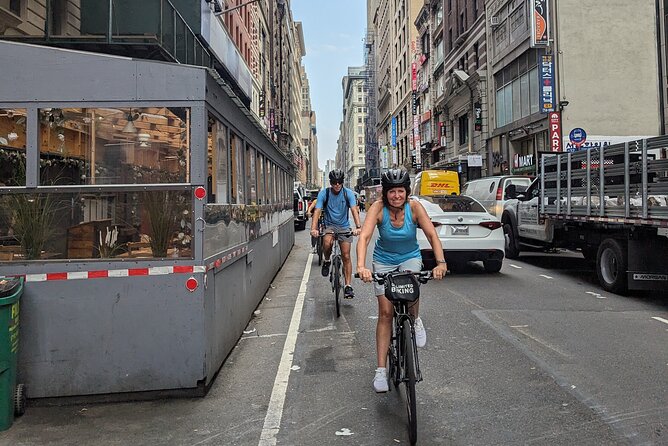
The Garment District stop lasts about five minutes and focuses on Manhattan’s clothing manufacturers and the less attractive side of one of the world’s fashion capitals.
That short time suggests a compact introduction to labor, production, and the people who make clothing rather than a full industrial history. It is still a worthwhile subject because the district’s polished fashion image can hide difficult working conditions and economic pressures.
I like this stop because it keeps the tour grounded. New York’s style is easy to admire from the outside, but clothing production has always involved workers, workshops, deadlines, and costs. The guide’s job here is to connect the streets around you with the industry behind the clothes.
If fashion is your main interest, this tour may leave you wanting more. The stop is one piece of a wide-ranging ride, not a specialist fashion walk. If you prefer a broad picture of the city, the short treatment fits the schedule.
Strawberry Fields and the Dakota
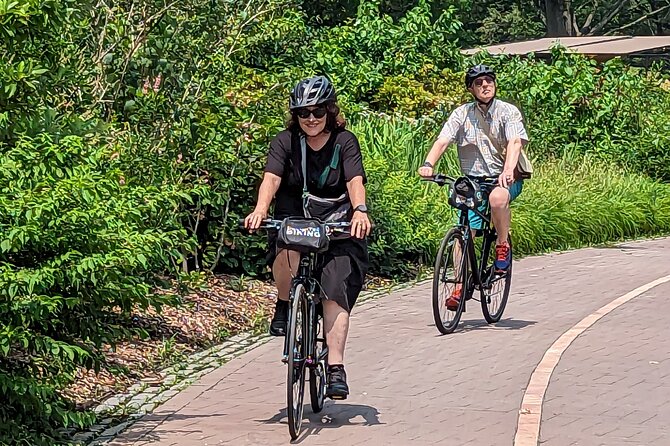
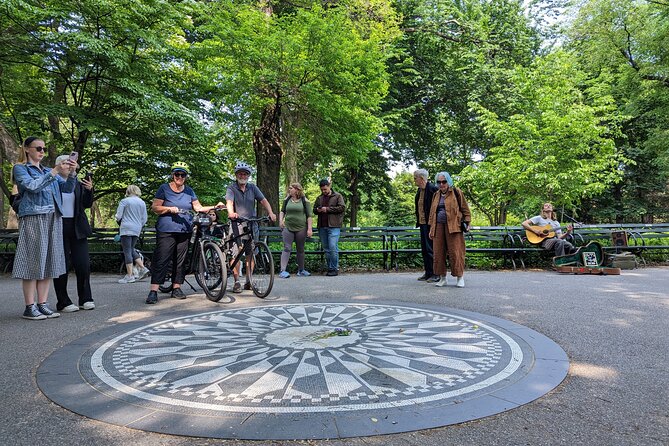
At Strawberry Fields in Central Park, the tour pauses for about five minutes at the John Lennon Memorial. The memorial sits across from the Dakota apartments, giving the guide a clear way to connect music history with the surrounding streets.
This is another stop where expectations matter. You will have time to see the memorial and hear the basic context, but not necessarily time for a long personal visit or extended Central Park wandering. The stop works best as part of the route’s final movement north.
The Dakota adds a second point of interest nearby. Even if you know the building from music history, seeing it across from Strawberry Fields helps place the memorial in its real neighborhood setting. The tour is not simply collecting celebrity sites. It is showing how music, architecture, and public memory meet in one small part of Manhattan.
Bethesda Terrace and the ride back downtown
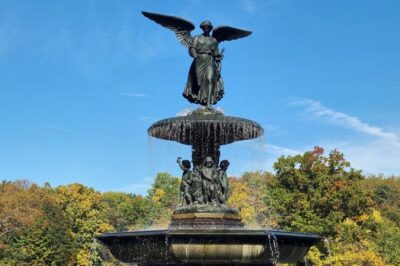
Bethesda Terrace is the final listed stop and the centerpiece of Central Park. The tour discusses the monument’s connection to public access to clean water for New Yorkers, with about five minutes set aside here.
That theme makes a useful closing point. Central Park is often treated as a scenic escape, but the tour links it to public needs and city planning. The stop reminds you that fountains, parks, and civic spaces are tied to health and daily life, not just beauty.
After Central Park, the activity ends back at 79 Chambers Street. The return ride is included in the four-to-five-hour duration, so do not schedule another appointment too tightly after the tour. Travel time is part of the experience, not dead time to ignore.
The route covers a lot of Manhattan in one outing, but the tradeoff is clear. Most stops are short, and the ride depends on keeping a steady pace. You get range and variety rather than long visits at individual sites.
Group size, pace, and practical comfort
The tour has a maximum of eight people and starts at 11:30 a.m. at 79 Chambers Street. It is near public transportation, and the activity returns to the same meeting point.
You need a moderate level of physical fitness. The route lasts four to five hours, includes cycling between downtown and Central Park, and does not treat the movement between stops as separate from the tour. If you are comfortable riding for several hours, the schedule should feel manageable. If you rarely bike, the length deserves serious thought before booking.
The many possible start times mentioned for the experience can help with planning, though the provided schedule specifically lists an 11:30 a.m. start. Confirm the available time when you book. Also remember that the tour requires good weather. If poor conditions cancel the ride, you can choose another date or receive a full refund.
The cancellation policy allows a full refund if you cancel at least 24 hours before the start time. Changes or cancellations inside that window are not accepted for a refund. The activity also needs a minimum number of participants, so a cancellation for that reason comes with the choice of another date or experience, or a full refund.
Is the tour good value?
No price is provided here, so I cannot judge the exact cost against other New York bike tours. I can judge what you are paying for: a small group, a guide-led route, several hours of riding, and a wide selection of stops that would be hard to connect efficiently on your own.
The value is strongest if you want interpretation and route planning. You could visit the 9/11 Memorial, Lower East Side, Greenwich Village, the Garment District, and Central Park independently, but doing all of them in one day would require careful subway planning and a willingness to keep moving. The bike handles that geography.
The value is weaker if you want long museum visits, extended meals, or a relaxed pace at each landmark. The 9/11 Museum admission is not part of the listed stop, and the food stops are described as options rather than included meals. Ask about the exact price, bike arrangements, food costs, and available start times before committing.
Who should book the Radical & Weird History Bike Tour?
Book it if you want a broad, unusual introduction to Manhattan and enjoy moving between serious history and lighter city trivia. It suits people who like social history, film locations, local food, queer history, public space, and cultural politics in the same outing.
It is also a good choice for a return visit to New York. You will still see major places, but the emphasis falls on connections and overlooked details rather than a standard greatest-hits route. Robbie’s friendly, attentive approach is a plus if you want to ask questions or steer the conversation toward your own interests.
Skip it if you want a slow museum day, a short bike ride, or a tour centered on one subject. The ride is long, the route is broad, and several stops last only five to ten minutes.
If you can ride for several hours and want to understand how very different parts of Manhattan fit together, I would book it. You will leave with a map of the city in your head, plus a collection of stories that reach well beyond the usual skyline views.
FAQ
How long does the bike tour last?
The experience lasts approximately four to five hours, including the time spent riding between stops.
Where does the tour begin and end?
It begins at 79 Chambers Street, New York, and ends back at the same meeting point.
What time does the tour start?
The stated start time is 11:30 a.m. The experience also notes that several start times may be available, so confirm the time offered when booking.
How many people can join the tour?
The tour has a maximum of eight participants.
Is the tour offered in English?
Yes. The tour is offered in English.
Do I need to be physically fit?
You should have a moderate level of physical fitness because the activity involves cycling for four to five hours, including the time between stops.
What happens if the weather is poor?
The activity requires good weather. If poor weather causes cancellation, you can choose another date or receive a full refund.
Recently added in New York City
- Ghost Stories: A Mysterious, Macabre Tour in the Metropolitan Museum★ 5.0 · 39 reviews
- Full Day in New York Tour – NYC in 1 Day★ 5.0 · 7 reviews
- Gangs and River Pirates of New York Walking Tour★ 5.0 · 3 reviews
- Ellis Island Statue of Liberty and 9/11 Memorial Pools Tour★ 4.5 · 70 reviews
- Garbage and Rats in New York City Walking Tour★ 5.0 · 84 reviews
- Fully Guided VIP Tour of One World Observatory★ 5.0 · 17 reviews
- Tour to Washington from New York in Spanish★ 4.5 · 29 reviews
- New York City to Washington DC and Philadelphia Tour in 1 Day★ 4.5 · 3 reviews
NYC Bike Tours, compared.


Central Park NYC Highlights Small-Group Bike Tour
Read our review →
Browse the lists this tour appears in