
Reviewed · GREENWICH VILLAGE TOURS
Village Nights: Greenwich Village Food & History Walk
Greenwich Village is best understood at street level, one snack and one story at a time. This three-hour evening walk links Astor Place, Washington Square Park, MacDougal Street, the Triangle Shirtwaist Factory site, and Stonewall with food from four or five local spots. I like the small cap of eight people and the way guides such as Morgan, David, and Dan let the group help shape the night. I also like the mix of serious history and casual eating, from a beer at McSorley’s to falafel and pie-crust cookies.
The main thing to keep in mind is that the route is flexible, not fixed. You may not visit every place in the sample schedule, and drinks beyond the included water cost extra. At $99, this makes the most sense if you value a guide, several food portions, and a social evening more than a precise restaurant-by-restaurant tasting menu.
Key points to know before you book
- A small group makes the Village feel local: The tour is capped at eight people and has no matching shirts, signs, or headsets.
- The food is casual and varied: Expect four or five portions from places that may include falafel, pizza, tacos, donuts, fries, dessert, cheese, or beer.
- The route changes with the group: Guides ask what interests you, then choose from a wide range of possible stops.
- The history has real weight: The walk covers the Triangle Shirtwaist Factory fire, Washington Square Park, the Stonewall uprising, and the Village’s music and theater culture.
- The evening ends near nightlife: Christopher Park and the West Village put you close to bars and a subway stop.
- You need to be comfortable walking: A moderate level of fitness is recommended, and the tour runs for about three hours.
Why this Greenwich Village walk feels different
Many food tours give you a set list of restaurants and move from one tasting to the next. Village Nights takes a looser approach. The guide starts by asking what you want from the evening, then uses the neighborhood as a kind of menu.
That can mean more history for one group, more food for another, or a little more time in a bar or park. The food choices are not formal tastings. They are the sort of quick, affordable neighborhood foods that help you understand New York through its everyday eating habits.
The small group matters here. With no branding and no headsets, you look like a few friends out for the evening. That makes it easier to stop on a busy sidewalk, fit into a tiny counter-service restaurant, or change the plan without holding up a large crowd.
The style also depends heavily on the guide. Morgan receives especially strong praise for making the walk feel relaxed and interactive, while David and Dan are also named as guides who bring their own approach. The experience is less like a lecture and more like walking around with a well-informed local who enjoys connecting buildings, meals, and people.
More Greenwich Village Tours:
- NYC: Greenwich Village Food Tour with 6 Locals Favorites Dishes
★ 5.0 · 1,812 reviews - Greenwich Village Walking and Food Tasting Tour
★ 5.0 · 1,572 reviews - Artistic, Alternative Greenwich Village Walking Tour
★ 5.0 · 971 reviews
Starting at Astor Place at 6 pm
The tour begins at Astor Place, a useful starting point because it sits at the meeting point of several Village stories. The area was important to the Lenape long before European settlement, and your guide uses that early history to set the scene.
You are not expected to spend long here. The opening stop lasts about five minutes, but it gives the walk a wider frame. Greenwich Village is not just a collection of charming streets and cafés. It is a place shaped by Indigenous history, immigration, commerce, protest, artists, workers, and changing ideas about city life.
Astor Place is also near public transportation, which makes the 6 pm meeting time fairly practical. You should arrive ready to walk and eat soon after the group gathers.
McSorley’s, cheese, and an old New York bar
A sample route begins at McSorley’s Old Ale House, one of the city’s best-known historic drinking places. The stop includes a cheese plate and a beer, which gives you an early taste of both the food and the storytelling style.
McSorley’s is famous for its age and its cluttered interior. It has operated continuously since the nineteenth century, and the walls are packed with old objects and memorabilia. The setting is part of the experience. You are not simply drinking beer in a bar; you are seeing a place that has preserved its own atmosphere for generations.
The stop lasts about 20 minutes. That is enough time for a drink, a bite, and a story, but not enough for a long pub visit. If you do not drink alcohol, the tour description does not specify a substitute, so it is sensible to ask the operator before booking if that matters to you.
St. Mark’s Place and the city at street level
From McSorley’s, the walk may continue along St. Mark’s Place. This street has long been associated with restaurants, nightlife, shops, and street activity. It offers a useful contrast to the more formal historic sites on the route.
I like this part because it keeps the tour from becoming a string of museum-style stops. You see the neighborhood as it functions now, with people eating, walking, meeting friends, and moving through the evening.
The stop is listed at about 20 minutes, though the exact pace can change. Streets in this part of Manhattan can be crowded, and the group may need to keep moving rather than linger in one spot.
More NYC Food Tours:
- NYC Bus Tour of Brooklyn, Bronx, Queens: Art, Food & Sports
★ 5.0 · 3,805 reviews - NYC: Chinatown & Little Italy Food Tour with 7 Flavorful Tastings
★ 5.0 · 2,733 reviews - Original NYC Guided Food Tour of Chinatown and Little Italy
★ 5.0 · 2,194 reviews - New York City Mafia and Local Food Tour led by NYPD Guides
★ 5.0 · 1,197 reviews
Donuts, labor history, and the Triangle Shirtwaist site
A possible food stop is The Donut Pub, which has served donuts around the clock since 1964. This is the playful part of the evening: quick, sweet, and easy to enjoy while walking through a neighborhood full of late-night food.
The tour then shifts tone at the Triangle Shirtwaist Factory Memorial. In 1911, a factory fire killed 146 garment workers. The tragedy helped bring major changes to workplace safety and labor practices in the United States.
Only about five minutes are set aside for the stop, but the subject is serious and important. You should not expect a long museum visit or a large memorial complex. Instead, the guide places the site within the city streets and explains why this local event had effects far beyond Greenwich Village.
That contrast is one of the tour’s strengths. A donut does not erase the harder stories of New York, and the serious history does not prevent the evening from being enjoyable. The route allows both parts of the city to be seen together.
Washington Square Park and the Village’s public life
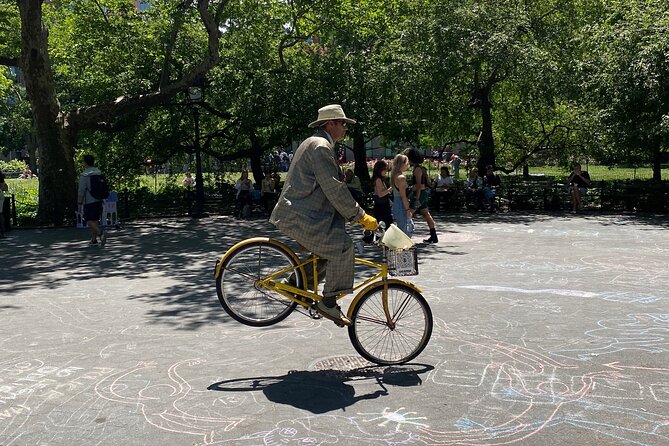
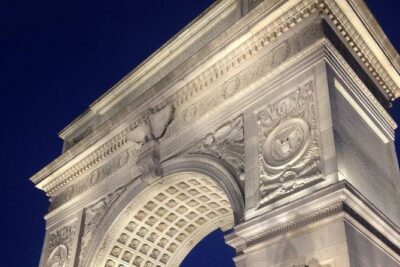
Washington Square Park is one of the longer stops, at about 25 minutes. The park is a natural place to pause, watch local life, and hear about the many roles this space has played in New York.
The guide may discuss the park’s place in public gatherings, arts culture, and neighborhood identity. You may also simply have time to look around and absorb the setting. That pause is welcome after several food stops and city blocks.
The park helps explain why Greenwich Village has attracted musicians, writers, performers, students, and people looking for a different kind of city life. It is not only a pretty place for photographs. It is part of the neighborhood’s shared public room.
MacDougal Street, falafel, and Village performance culture
MacDougal Street brings together the food and culture sides of the tour. The street is linked with songs, comedy, storytelling, and nightlife, and the guide uses it to explain how the Village became such an important place for American performance.
A possible stop is Mamoun’s Falafel, opened in 1971 by a Syrian immigrant named Mamoun. The business is now run by his sons, and the small shop continues to serve falafel to students, musicians, comedians, and late-night eaters.
This is exactly the kind of food stop that works well on a walking tour. It is quick, inexpensive compared with a full restaurant meal, and tied to the city’s immigrant story. The food is also filling, which is useful because the tour includes several samples rather than one large dinner.
The stop at MacDougal Street itself may be brief, while Mamoun’s is listed at about 10 minutes. Since the itinerary is flexible, the guide might choose another nearby place instead.
Two Boots and the many lives of West Village spaces
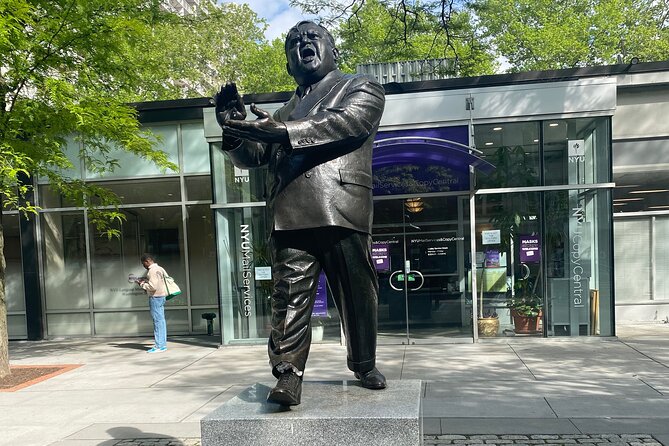
Two Boots Pizza offers a different take on New York pizza. The shop is known for colorful surroundings and a friendly atmosphere, but the more interesting part of the stop is the building’s earlier use as a lesbian bar that refused service to men.
That detail gives the food a social setting. New York restaurants and bars often occupy spaces with several past lives, and the guide uses those changes to show how the Village has shifted over time.
The stop is listed at about 20 minutes. Two Boots is not presented as a classic slice shop, so you should come expecting something different from a plain cheese slice. It is also another example of the tour’s casual style: food that is easy to share, easy to eat, and connected to the neighborhood around it.
Bleecker Street and a changing neighborhood
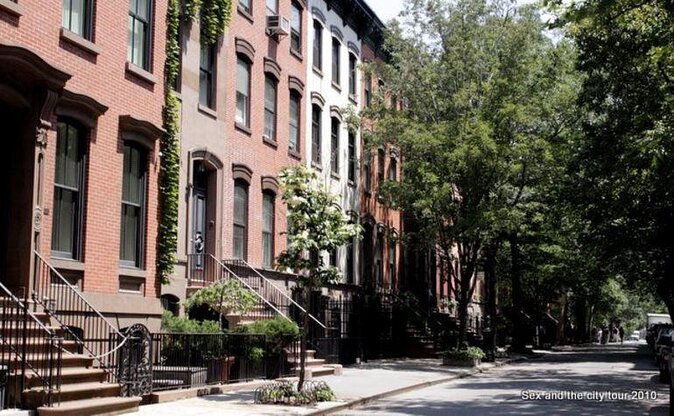
Bleecker Street may be part of the route as the group moves toward the West Village. It is known for bars, boutiques, restaurants, and the possibility of spotting a famous face.
The value here is less about one landmark and more about seeing how the Village works as a living neighborhood. The area has long attracted artists and performers, but it is also a place of high rents, fashionable shops, and constant change.
A guide can help you notice details you might otherwise pass without understanding. That is one reason the flexible format can work better than following a map alone. You get context while the street is still active around you.
Taco Mahal and New York’s cross-cultural cooking
Taco Mahal is one of the most distinctive possible food stops. It combines Latin and Indian influences, reflecting the owner’s Puerto Rican and Indian family background. The restaurant is also staffed largely by Nepali workers.
The food represents a basic New York idea: traditions meet, change, and create something new. It is colorful, casual, and different from the city’s more familiar pizza and deli staples.
This stop is listed at about 20 minutes, giving you time to eat and hear the story behind the restaurant. It also shows why this tour is useful for people who already know New York’s standard food list. You may still find familiar ingredients, but the combinations can be new.
Marie’s Crisis and an unusual way to end
Marie’s Crisis Cafe is a subterranean bar where a piano player leads singalongs of show tunes. It is a lively ending, but you do not need to be a Broadway expert to enjoy the setting.
The stop lasts about 20 minutes. You may sing along, listen, or simply watch the room. The experience is more participatory than a normal sightseeing stop, so it suits people who enjoy music and informal nightlife.
This is also one of the tour’s less predictable elements. A piano bar is not for everyone, and the room may feel intimate or energetic depending on the evening. If you prefer quiet historical interpretation from start to finish, this part may not be your favorite.
Cookies, Stonewall, and Christopher Park
Janie’s Life Changing Baked Goods is a short dessert stop. The shop is known for cookies made with pie crust, and the story of Janie overcoming obstacles adds a human touch to the final food portion.
The tour then reaches Stonewall National Monument and Christopher Park. The Stonewall uprising of 1969 helped galvanize the modern gay rights movement, making this one of the most important cultural and political sites in the Village.
The visit may involve a drink at the Stonewall Inn or a stop in the park. The listed time is only about five minutes, so this is not a full museum visit. Still, the location carries weight, and the guide can connect it to the broader story of LGBTQ life in New York.
The official ending point is Christopher Park, at 38 to 64 Christopher Street. The exact finish can vary, but it is usually close to bars and a convenient subway stop. That gives you a simple choice: continue the evening nearby or head back to your hotel.
What $99 gets you
The $99 price includes four or five food stops, a professional licensed guide, a small group capped at eight, and a bottle of water. Depending on the route, the food can add up to a substantial casual dinner: cheese and beer, donuts, falafel, pizza, tacos, fries, and dessert are all possible examples.
Drinks beyond what is included are extra. That matters at places such as McSorley’s, Marie’s Crisis, or the Stonewall Inn, where you may want to order something.
I consider the price fair if you would otherwise pay for several snacks, a guided neighborhood walk, and local recommendations. It is less attractive if you want a formal sit-down meal, exact menu choices, or a guaranteed list of every named stop.
The guide’s advice is part of the value. You receive suggestions for places you do not visit, along with context that can help you explore Greenwich Village later on your own.
Who should book this evening walk
I would recommend it to first-time visitors who want more than major landmarks, as well as New Yorkers who think they already know the Village. The route has enough food to feel like dinner and enough history to give the streets meaning.
It is especially suited to:
- Couples and friends who enjoy walking and sharing casual food
- Families with older children who can manage a three-hour city walk
- People interested in music, theater, immigration, labor, and LGBTQ history
- Repeat visitors who want local suggestions rather than a standard sightseeing circuit
- Small work groups looking for an informal evening together
You should think twice if you have strict dietary needs that have not been discussed with the operator, dislike changing plans, or want to sit down for a full meal. The tour is also not ideal for anyone who struggles with moderate walking.
Free cancellation is available up to 24 hours before the 6 pm start. Poor weather or failure to reach the minimum number of participants can lead to a new date or a full refund.
Is Village Nights worth booking?
Book this tour if you want Greenwich Village presented as a real neighborhood, not just a list of famous addresses. The best parts are the small group, the guide’s flexibility, the mix of serious and entertaining stories, and food that ranges well beyond the usual New York slice.
I would book it early, since it is often reserved about 44 days ahead. Ask yourself one simple question: would you rather follow a fixed tasting menu or spend an evening letting a local guide adjust the route to your interests? If the second option sounds better, Village Nights is a strong choice at $99.
FAQ
Where does the tour begin?
The tour begins at Astor Place, New York, NY 10003, at 6 pm.
Where does the tour end?
It usually ends near Christopher Park at 38 to 64 Christopher Street, New York, NY 10014. The exact end point can vary, but it is generally near bars and a subway stop.
How long does the experience last?
The tour lasts about three hours.
How many people can join?
The group is capped at eight participants.
What food is included?
Four or five food stops are included. Possible stops include McSorley’s, The Donut Pub, Mamoun’s Falafel, Two Boots Pizza, Taco Mahal, and Janie’s Life Changing Baked Goods, but the route can change.
Are drinks included?
A bottle of water is included. Other drinks are available during the tour but are purchased at your own expense.
Is the tour offered in English?
Yes. The experience is offered in English and uses a mobile ticket.
Can I cancel for a full refund?
Yes, if you cancel at least 24 hours before the start time. Cancellations or changes made less than 24 hours before the start are not refunded or accepted. If poor weather or insufficient participation cancels the tour, you can choose another date or receive a full refund.
More NYC Walking Tours
- SoHo, Little Italy, and Chinatown Walking Tour in New York
★ 5.0 · 3,153 reviews - Secrets of Grand Central Station Walking Tour New York City
★ 5.0 · 1,796 reviews - True Crime NYC: Mafia Walk w/Ret. NYPD Detective and Local Food
★ 5.0 · 848 reviews - Central Park Guided Walking Tour
★ 5.0 · 774 reviews
More Historical Tours in New York City
- New York City: American Museum of Natural History Ticket
★ 4.5 · 15,447 reviews - NYC: Starship Landmark 90 Minute Sightseeing Cruise
★ 4.6 · 3,666 reviews - Starship Landmark 90 Minute Sightseeing Cruise
★ 4.5 · 2,073 reviews - American Museum of Natural History Admission Ticket
★ 4.0 · 1,931 reviews
Recently added in New York City
- Guided tour of SoHo, Greenwich Village and Meatpacking District in French★ 5.0 · 90 reviews
- Visit in French the must-see neighborhoods of NYC★ 5.0 · 53 reviews
- Boho Greenwich Village: A Self-Guided Audio Tour★ 5.0 · 3 reviews
- Guided tour of Lower East Side, Chinatown and Little Italy in French★ 5.0 · 65 reviews
- Central Park Guided Walking Tour in French★ 5.0 · 39 reviews
- Beat the Lines – Viral Food Tour of the West Village★ 5.0 · 77 reviews
- Victorian Flatbush , Brooklyn Private Tour★ 5.0 · 5 reviews
- VIP Rock Pass: Includes SKYLIFT, Beam, Rooftop Garden★ 5.0 · 102 reviews
Greenwich Village Tours, compared.

Greenwich Village Food Tour with 6 Locals Favorites Dishes
Read our review →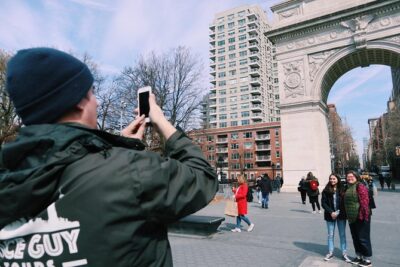
Greenwich Village Walking and Food Tasting Tour
Read our review →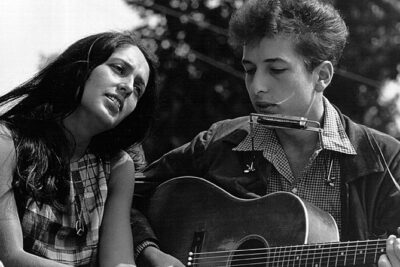
Artistic, Alternative Greenwich Village Walking Tour
Read our review →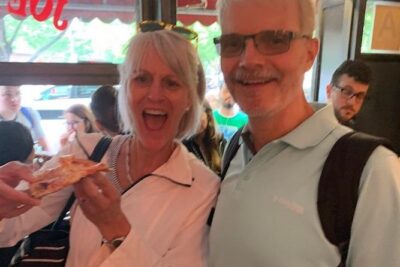
NYC Greenwich Village Italian Food Guided Walking Tour
Read our review →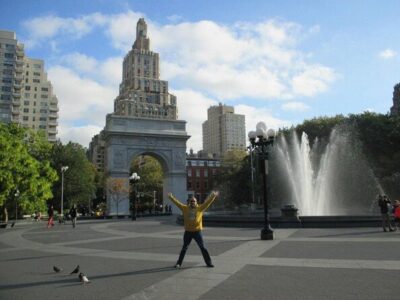

High Line Park and Greenwich Village Food Tour
Read our review →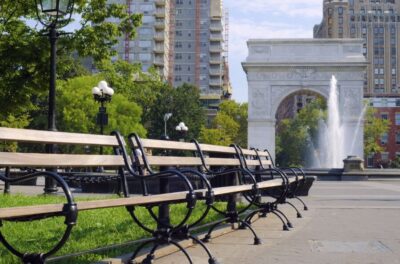
Browse the lists this tour appears in