
Reviewed · GRAND CENTRAL TERMINAL TOURS
NYC: The Secrets of Grand Central Terminal
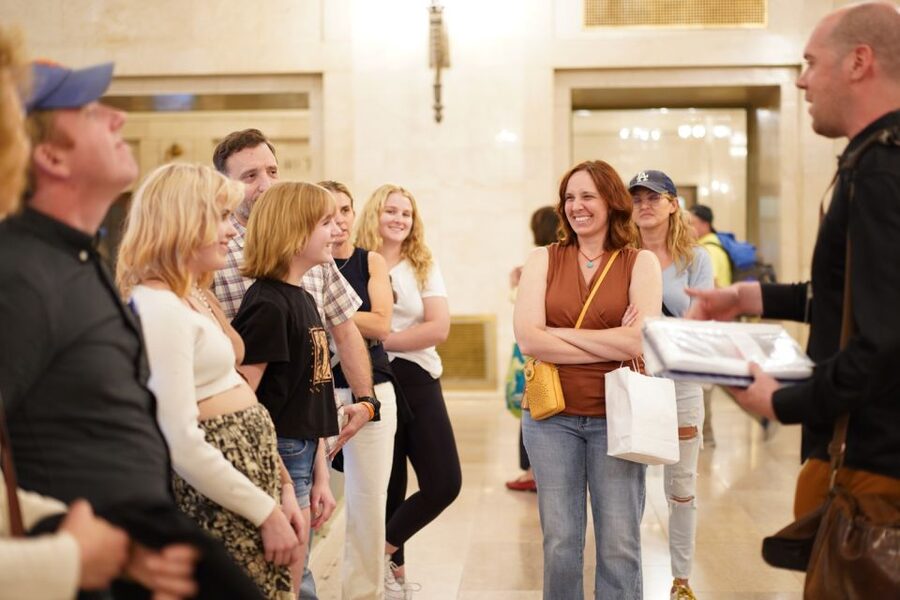
Grand Central Terminal hides more than train platforms. This 90-minute walk takes you from the main atrium to tennis courts, glass walkways, and a surprising whispering gallery, then adds the stories that explain how this grand building survived years of neglect.
I like two things right away: the tour reaches places you would probably miss on your own, and the guides bring a local point of view rather than simply reciting dates. Guides such as Jonathan, Richard, John, A.J., Christian, Ray, and Peter have been praised for clear storytelling, good pacing, and a real feel for New York.
The one consideration is pace. Grand Central is a working terminal, not a quiet museum, so crowds, commuters, and holiday traffic can make some stops noisy or tight. You will also spend a little time outside, so comfortable shoes and weather-ready clothing matter.
Key points at a glance
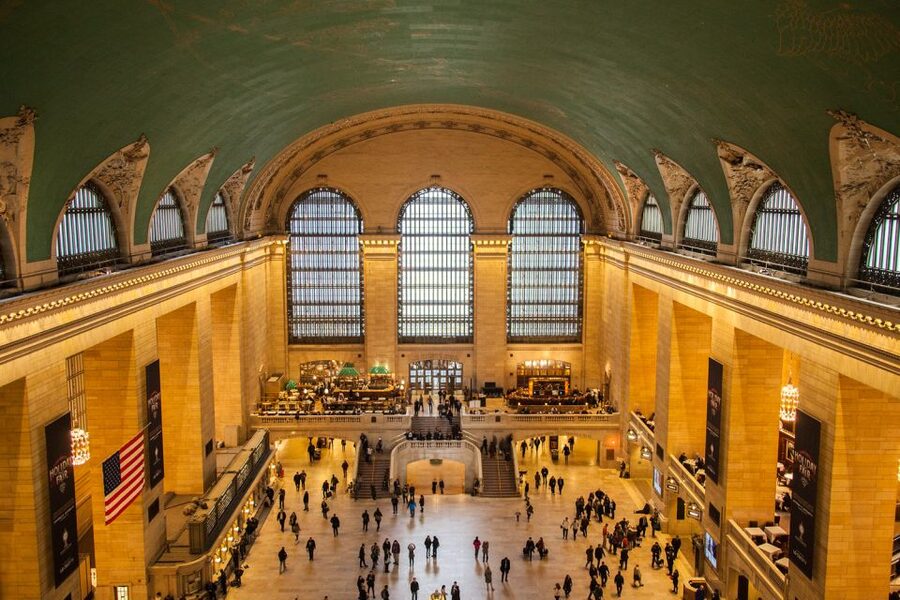
- Track 29 meeting point: Meet your guide inside the main atrium, in front of track 29.
- Unusual access: See the tennis courts, the entrance to the glass walkways, and areas most people pass without noticing.
- Stories behind the building: Learn how Grand Central changed from railroad marvel to neglected eyesore and then returned to glory.
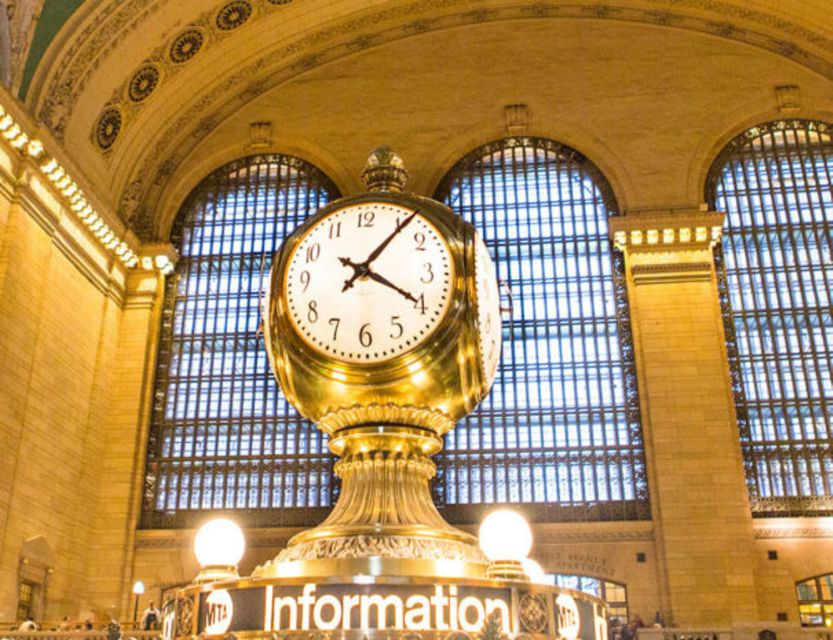
- Architecture with surprises: Look for the world’s largest Tiffany clock, a costly design flaw, and a multi-million-dollar jewel hiding in plain sight.
- A strong guide experience: English-speaking local guides use headsets, making it easier to follow in a noisy terminal.
- Good weather flexibility: The tour runs rain or shine and is wheelchair accessible.
Why Grand Central rewards a closer look
Grand Central is easy to treat as a place you pass through on the way somewhere else. You glance up at the ceiling, check the departure board, and move on. This tour asks you to slow down and notice how much planning, money, engineering, and human drama went into the building.
The story covers three very different eras. You hear about Grand Central during the great railroad age, when rail travel helped shape New York. You also learn how the terminal became a worn-down embarrassment, then how preservation and renovation brought back its Beaux-Arts character.
That change gives the tour more weight than a quick architecture walk. You are not only looking at decoration. You are seeing a building that nearly lost its purpose and appearance, then became one of Midtown’s best-known landmarks again.
A local guide helps connect the details. Several guides praised in the tour feedback, including Jonathan, Richard, John, Christian, A.J., Ray, and Peter, are described as warm, lively, and comfortable answering questions. Jonathan is especially noted for remembering names, while Richard is praised for patience and care. Those small touches matter when you are moving through a busy station with a group.
More Grand Central Terminal Tours:
- Secrets of Grand Central Station Walking Tour New York City
★ 5.0 · 1,796 reviews - NYC: Official Grand Central Terminal Tour
★ 5.0 · 458 reviews - NYC: Official Grand Central Terminal Guided Tour
★ 4.6 · 251 reviews
Starting beneath the Main Concourse ceiling
Meet your guide inside Grand Central’s main atrium, in front of track 29. This is a practical meeting point, but allow time to find it because the terminal is large and active.
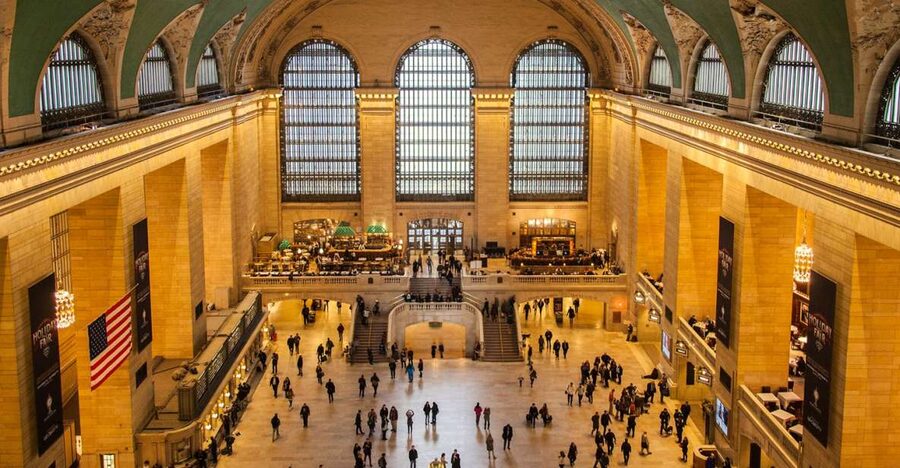
The main atrium is the obvious place to begin. You will have time to take in the famous ceiling, the grand scale, and the movement of people below. The tour then helps you look past the familiar view. Instead of stopping at the standard photo, you begin examining the room as a piece of design.
One useful theme is the building’s massive design flaw. The guide explains a problem built into the main atrium, turning what first appears to be flawless planning into a lesson in engineering and practical compromise. The detail gives you a reason to look more closely at the space instead of simply photographing it.
You will also learn about the world’s largest Tiffany clock. The clock is easy to see, but its story and scale become more interesting when placed in the larger setting of the terminal’s decoration and commercial ambition.
Because the station remains in daily use, you should expect background noise. The included headsets help, especially when the group spreads out or a train announcement interrupts the guide.
Tennis courts and other unexpected corners
The tennis courts are one of the tour’s best surprises. Most people associate Grand Central with platforms, commuters, and food counters, not racquets and private recreation. The stop shows how the terminal contains spaces that have little to do with the usual image of a railway station.
The tour also takes you to the entrance of the glass walkways. You may not receive access to every area beyond that entrance, but the peek helps you understand the building’s upper and service spaces. It is the kind of stop that works best with a guide because you might walk past it without knowing what you were seeing.
The itinerary also includes a secret stop and other out-of-the-way areas. Exact access can depend on what is open and practical on the day, so you should think of this as a guided look at lesser-seen parts of Grand Central rather than a promise that every concealed room will be available every time.
That flexibility is normal in an active transportation hub. The terminal must keep serving trains, workers, and the public. The reward is that the tour feels connected to a living building rather than a preserved shell.
The whispering gallery and the lost movie theater
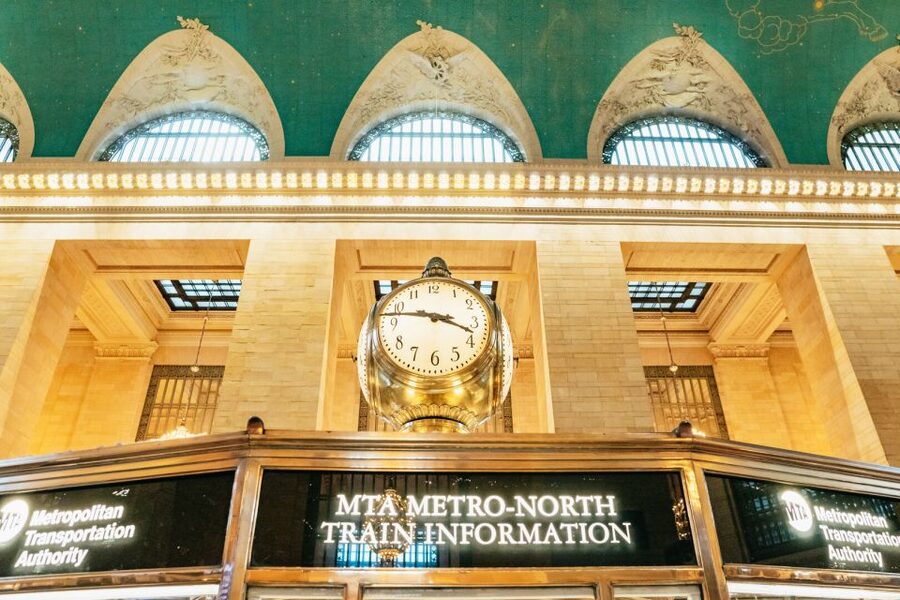
The whispering gallery offers a playful break from the larger architectural story. The space lets sound travel in an unexpected way, giving you a simple demonstration that you can experience rather than merely hear about.
This stop is especially good for families and for anyone who enjoys the odd details of old buildings. It also gives the group a chance to interact, take a photo, and enjoy a moment that is less formal than the history lecture.
Another stop reveals what remains of Grand Central’s lost movie theater. The theater is no longer part of the normal station experience, but the traces left behind help show how the terminal once served more than commuters. Grand Central has changed with the city, and the lost cinema is a small clue to those changing habits.
The guide places these details in the broader story of the terminal. You get a sense of how people used the building in different periods, and how commercial spaces came and went as New York changed around it.
More New York City Tours:
- NYC: SUMMIT One Vanderbilt Tickets
★ 4.7 · 51,195 reviews - NYC: Empire State Building Tickets – Observatory & Museum
★ 4.7 · 25,757 reviews - New York City: Statue of Liberty & Ellis Island with Ferry
★ 4.6 · 18,683 reviews - New York City: American Museum of Natural History Ticket
★ 4.5 · 15,447 reviews
Outside to Midtown, Chrysler Building, and One Vanderbilt
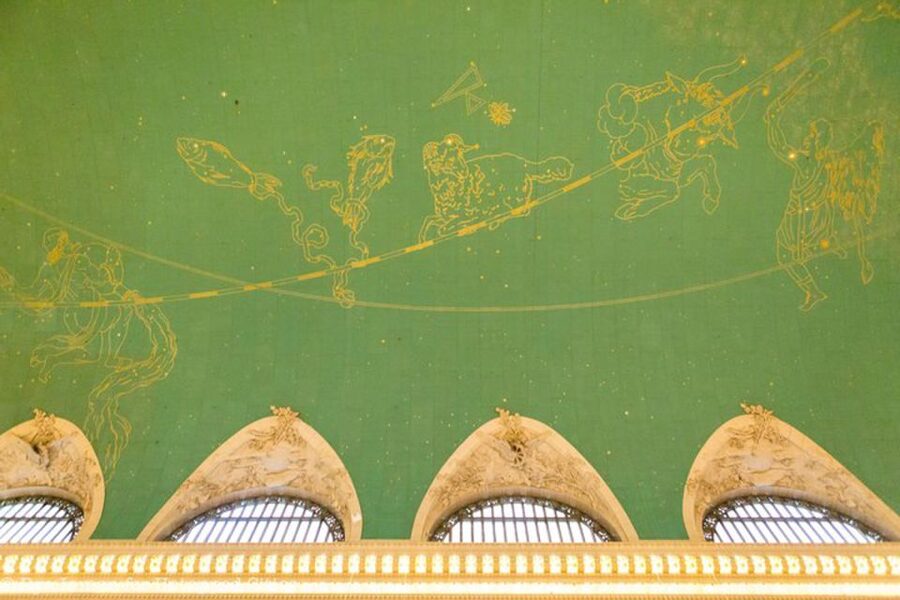
The route is not confined to the interior. You make photo stops in Midtown Manhattan and pass the Chrysler Building and One Vanderbilt. These exterior moments give you a chance to see Grand Central in relation to the surrounding skyline.
The Chrysler Building stop is a reminder of the competition and ambition that shaped Midtown. One Vanderbilt represents a newer chapter in the area’s development. You are not taking a full tour of either building, so do not book this experience expecting interior visits there. They function as brief points of context and photo opportunities.
I like this indoor and outdoor flow because it breaks up the 90 minutes. It also makes the terminal easier to understand as part of the city rather than an isolated monument. You see how older railroad architecture sits beside later towers and modern development.
Weather can affect this section. The tour operates rain or shine, and one participant noted that most of the experience was indoors with air conditioning, though some time outside was included. In hot weather, the final indoor area may not feel as cool as the main concourse, so bring water and dress sensibly.
The Campbell, from private office to tucked-away bar
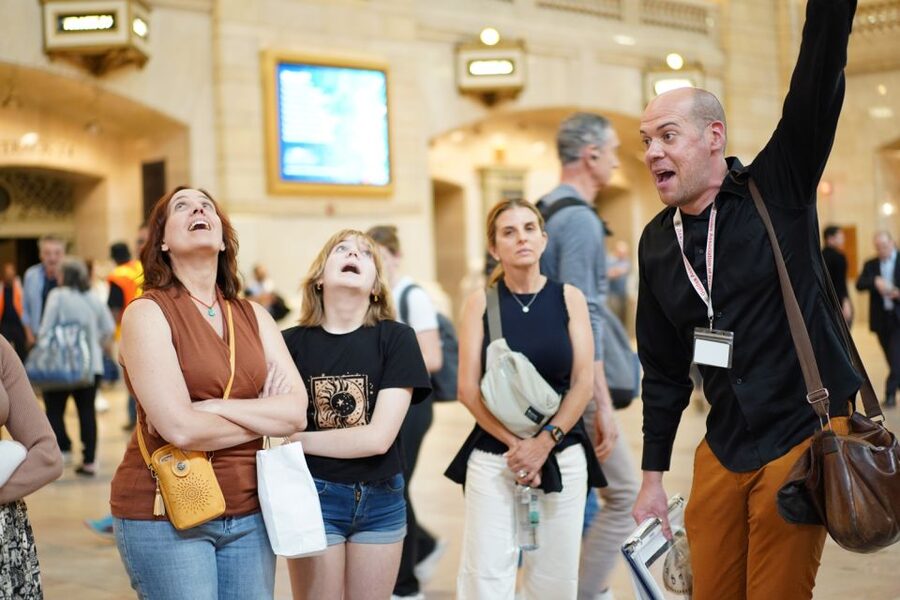
The Campbell is one of the most atmospheric stops. This tucked-away bar was once the private office of a business tycoon, and the change in use gives the room a good story: private power, changing ownership, and New York’s long habit of turning old spaces into new ones.
The stop is mainly about atmosphere and history. You can admire the setting and hear how this part of the terminal fits into the city’s nightlife and business culture. It adds variety to the tour, which otherwise moves between transportation, architecture, and engineering.
Do not confuse the stop with a full bar visit. The tour includes a guided look and photo opportunity, not a promised drink or meal. If you want to return later, you can treat the tour as an introduction to a place you may wish to explore separately.
Dining Concourse and the terminal’s working side
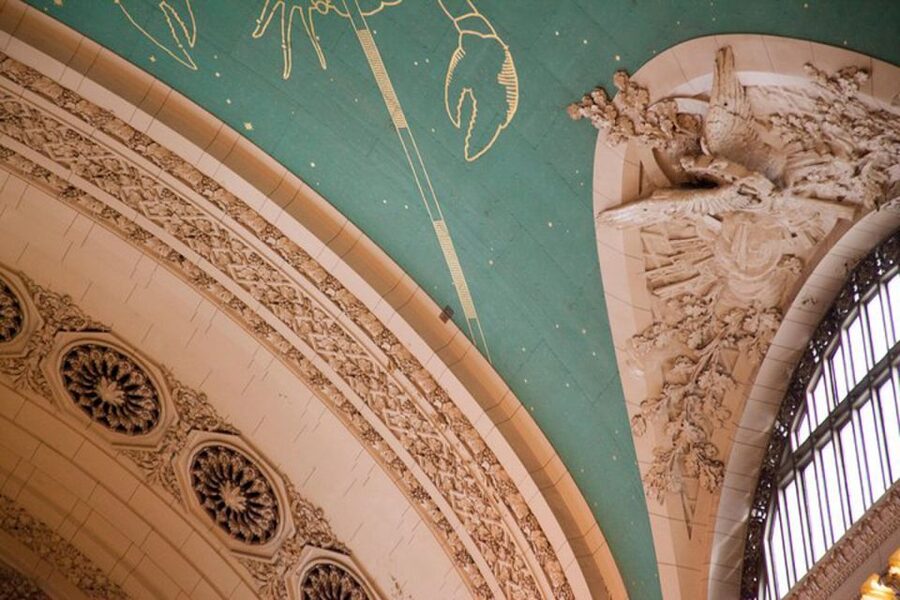
The route passes through the Dining Concourse before returning to Grand Central Terminal. This area shows a more practical side of the building, where commuters stop for food and move between trains.
The dining area also helps you see the difference between Grand Central as a landmark and Grand Central as a workplace. The tour does not reduce the building to a photo backdrop. It keeps reminding you that the terminal still has a job to do.
The stop is a pass-by rather than a dedicated food tour. You will not be sampling dishes as part of the experience, so plan a separate meal if you want to eat there. The tour’s strength is explaining how the spaces fit together, not spending time at each business.
What makes the guides effective

The guide can make or break a walking tour in a noisy station. Here, the supplied headsets are a useful feature, not a gimmick. You can hear the explanation even when you are a few steps behind or a train announcement cuts across the room.
The strongest guide qualities are repeated across the feedback: clear speech, humor, a steady pace, and strong command of the building’s past. Several guides are also praised for checking that people are comfortable and answering questions without rushing.
Jonathan is repeatedly described as especially engaging and attentive, with an unusual ability to remember everyone’s name. Richard is described as patient and caring. A.J. receives praise for keeping the tour interesting while accommodating older people and special-needs students. Ray’s experience as a native New Yorker adds a personal angle, while Peter is noted for linking railroad history with transport planning and construction.
You should not assume you will receive a particular guide unless the booking specifically says so. The useful point is that the guide team appears to have a shared focus on stories, pace, and access rather than a dry list of facts.
Is $39 a fair price?
At $39 per person, the tour costs more than wandering through the main concourse on your own, but the comparison is not quite fair. You can see the main atrium for free. You cannot easily find the tennis courts, glass walkway entrance, secret areas, design flaw, lost cinema remains, or Campbell’s backstory without help.
The value comes from access and interpretation. A good guide turns details that might seem random into a connected story about railroad expansion, architecture, decline, and restoration. The headsets are also useful in a place where simply standing near a guide is not always enough.
The 90-minute length is another advantage. It is long enough to go beyond the standard photo stops, but short enough to fit around other Midtown plans. You could pair it with a meal in the terminal, a visit to the Chrysler Building area, or a later stop at One Vanderbilt, though those attractions are not included.
I would consider $39 fair for first-time visitors, architecture fans, railroad enthusiasts, and New Yorkers who have always meant to look around properly. If you already know Grand Central well and dislike guided groups, the price may feel less worthwhile.
Who should book this Grand Central walk?
You will get the most from this experience if you enjoy architecture, transportation history, old buildings, or stories about how cities change. It also works well for families because the whispering gallery and tennis courts add playful surprises between the historical explanations.
The tour suits first-time visitors who want structure, but it also suits regular commuters. Several people who had passed through Grand Central many times found that the guided route made them notice areas they had never considered.
It is a good choice for a rainy day because much of the experience takes place indoors. Still, the tour runs rain or shine, includes some outdoor time, and requires comfortable shoes. Tripods are not allowed.
The activity is wheelchair accessible. If you have specific mobility needs, it is sensible to mention them when booking, but the supplied information confirms that wheelchair users can take part.
Practical advice before you go
Arrive early enough to find track 29 inside the main atrium. Grand Central can be confusing when you are watching signs, people, and train information at the same time.
Wear shoes suited to 90 minutes of walking and standing. Bring a light layer if the tour moves between air-conditioned interior spaces and the street.
Keep your camera ready, but do not let photography replace looking. The best details are often the ones the guide points out above eye level or in a corner you would otherwise pass.
You can cancel up to 24 hours before the start for a full refund, and the reserve-now, pay-later option gives you flexibility while planning a New York trip. The tour is conducted in English, with English audio support through the headsets.
Should you book the Secrets of Grand Central Terminal tour?
Yes, if you want more than the main atrium photo. For $39, you get a focused 90-minute walk through a working landmark, with access to unusual corners, a local guide, and stories that connect the building’s beauty with its long decline and renewal.
I would skip it only if you prefer exploring alone, need a very quiet setting, or want extended time inside one specific attraction. For nearly everyone else, especially anyone interested in trains, architecture, or New York history, this is a practical way to see Grand Central with fresh eyes.
FAQ
Where does the tour meet?
Meet your guide inside Grand Central Terminal’s main atrium, in front of track 29.
How long does the tour last?
The tour lasts 90 minutes.
What language is the tour conducted in?
The live tour and included audio support are in English.
Are headsets included?
Yes. Headsets are provided so you can hear the guide clearly, even when you are not standing directly beside the guide.
Is the tour wheelchair accessible?
Yes, the activity is listed as wheelchair accessible.
What should I wear or bring?
Bring comfortable shoes because the experience is a walking tour. Weather-ready clothing is also useful because the route includes some outdoor time.
Does the tour run in bad weather?
Yes. The tour takes place rain or shine.
Can I cancel for a refund?
Yes. You can cancel up to 24 hours in advance for a full refund. You can also reserve now and pay later.
Recently added in New York City
- NYC: Midtown Hands-On Bagel Baking Class★ 5.0 · 12 reviews
- Personalize Sightseeing Tour★ 5.0 · 92 reviews
- Central Park Pedicab Guided Tour★ 5.0 · 17 reviews
- Photographer, Professional Photo shoot – New York★ 5.0 · 16 reviews
- Central Park Pedicab Tour with Guide★ 5.0 · 63 reviews
- Official Central Park Pedicab Ride ( UP TO 3 PERSONS )★ 5.0 · 4 reviews
- JFK or LGA package only (Round trip transfer plus VIP Contrasts)★ 5.0 · 3 reviews
- Official Central Park Pedicab Tours★ 5.0 · 35 reviews
Grand Central Terminal Tours, compared.
Secrets of Grand Central Station Walking Tour New York City
Read our review →

SUMMIT One Vanderbilt with Grand Central Terminal Tour
Read our review →
Best NYC Sightseeing Tour: Times Square, Grand Central, & More
Read our review →
SUMMIT One Vanderbilt Ticket and Grand Central Tour
Read our review →
Secrets of Grand Central Terminal and/or Penn Station – Private
Read our review →
Browse the lists this tour appears in