
Reviewed · NYC SUBWAY AND UNDERGROUND TOURS
Discover Hidden Subway Secrets Below Manhattan – Private
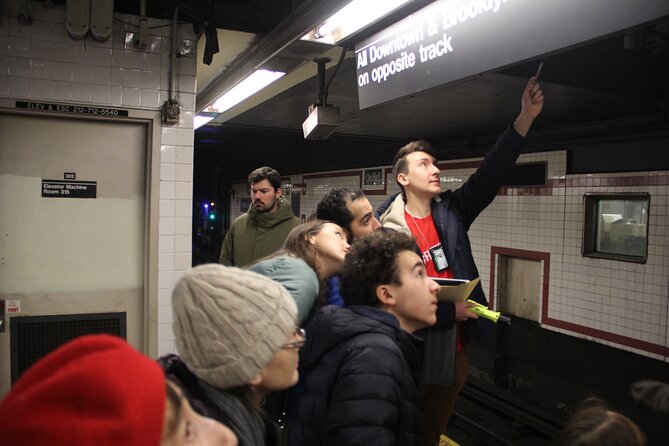
Manhattan’s subway is more than a way to get across town. Beneath the trains are abandoned stations, altered platforms, odd engineering choices, and stories tied to the city above. This private tour takes you into that forgotten side of Lower Manhattan, including the old South Ferry and City Hall stations, Brooklyn Bridge secrets, and the PATH system.
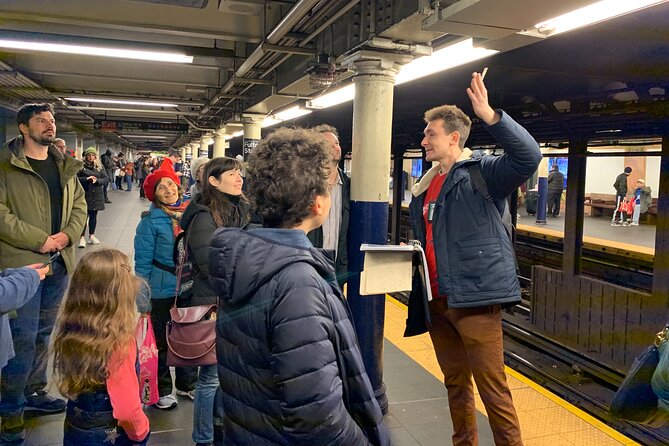
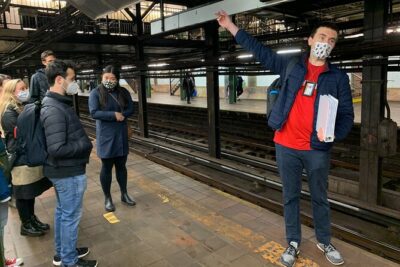
I like the private format, since your group can ask questions without competing with a crowd. I also like the audio earpieces, a small but useful touch in a noisy station. The main drawback is the physical effort: you should be comfortable walking and going up and down steps for about two hours.
Key points
- Abandoned stations: See parts of South Ferry and City Hall that most subway riders pass without noticing.
- Lower Manhattan focus: The route connects subway history with the Brooklyn Bridge, PATH, Fulton Center, and World Trade Center.
- Private attention: Your group of up to 15 people has the guide to itself.
- Audio earpieces: You can hear the explanation despite train noise and crowded platforms.
- One-way route: Begin at One Battery Park Plaza and finish near the World Trade Center or Fulton Center.
- Good for first subway rides: The guide can help nervous newcomers understand how the system works.
Why Lower Manhattan is the right place to study the subway

Start at One Battery Park Plaza, at 1 Battery Place, on the southern tip of Manhattan. From there, the tour uses Lower Manhattan as a living map of New York transportation.
This part of the city has layers. Streets, bridges, ferry routes, subway lines, and the PATH system all meet here. The result is a network that can feel confusing even when you are simply trying to reach the next stop. With a guide, you can pay attention to the details instead of worrying about taking the wrong train or missing an exit.
The appeal is not only the old stations. It is the connection between the underground system and the city above. A subway platform can explain why a neighborhood grew, why a route changed, or why some stations were closed while others survived.
You will spend about two hours on the experience. That is long enough to cover several major subjects without turning the outing into an all-day commitment. It also means the guide has time to answer questions. One past participant described asking many questions and getting detailed answers from Rayn, a guide praised for explaining how the subway fits into New York’s story.
More NYC Subway and Underground Tours:
- New York City Slavery and Underground Railroad Tour
★ 5.0 · 411 reviews - NYC Underground Subway Walking Tour
★ 4.5 · 361 reviews - NYC: History of Slavery & Underground Railroad Walking Tour
★ 4.7 · 87 reviews
Seeing South Ferry and City Hall from a different angle
The abandoned stations are the central reason to book this tour. South Ferry and City Hall are especially important stops in the route.
South Ferry is tied to Lower Manhattan’s role as a transportation hub. City Hall offers another kind of lesson, showing how an older station design can become impractical as trains and passenger needs change. You are not simply looking at unused infrastructure. You are seeing traces of decisions made when the subway was still developing.
The experience may include viewing an abandoned station from outside a subway car with the help of a flashlight. That detail gives the tour a more direct feel than a standard platform lecture. You are close enough to notice features that a hurried commuter would miss, while still listening to the guide explain what you are seeing.
Access and visibility can depend on the exact conditions underground, so you should not expect to wander freely through closed areas. The attraction is in observing these places as part of the active subway system, not in treating them like an ordinary public exhibit.
For many people, South Ferry and City Hall will be the strongest part of the outing. If abandoned architecture is your main interest, this is where the tour earns its price.
Brooklyn Bridge secrets below the street
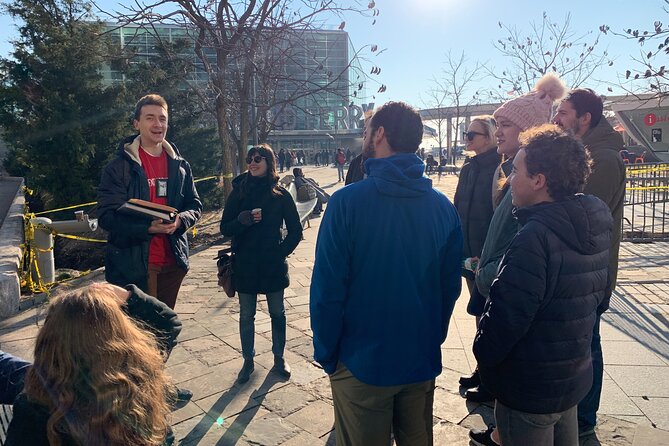
The Brooklyn Bridge is easy to admire from above, but the subway adds another layer to the landmark. The tour includes stories and details connected with the bridge, helping you see it as part of a larger transportation system rather than an isolated sightseeing stop.
You may already know the bridge for its skyline views and stone towers. The underground angle is different. It shows how the bridge, Lower Manhattan, and subway routes have worked together to move people through the city.
This is also where a guide adds real value. A plaque or map can identify a station, but it cannot easily explain why a route was built in a certain way or point out a detail as you pass it. With a private guide, you can stop for clarification instead of waiting for a general group to catch up.
The tour does not promise a walk across the Brooklyn Bridge, and the published route begins at Battery Place and ends downtown. Think of the bridge material as part of a wider subway and city-history lesson, not as a separate bridge sightseeing excursion.
Understanding the PATH system and Lower Manhattan connections
The route also covers the PATH subway. For visitors who know only the New York City subway, this is useful because PATH is a separate part of the region’s rail network, with its own purpose and connections.
The PATH material broadens the tour beyond old stations. It shows how Lower Manhattan serves people arriving from outside the city as well as those moving within Manhattan. You get a better sense of why the area has so many entrances, corridors, platforms, and transfer points.
That complexity can be hard to grasp on your own. You may walk through the same downtown corridors several times and still not understand how the systems connect. A guide can give those spaces a clear order.
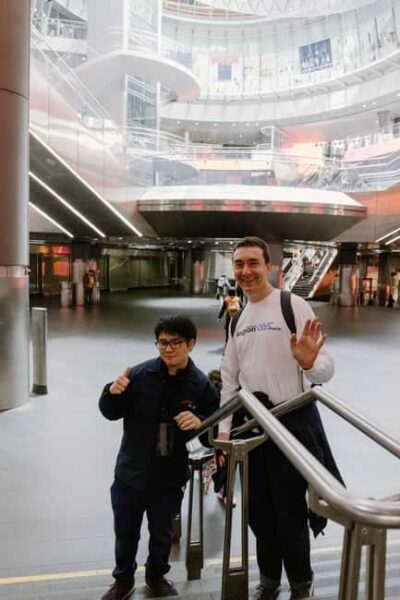
The end point near the World Trade Center or Fulton Center is practical. These are major downtown locations, so you can continue sightseeing after the tour. The route is not a loop, though. You begin at One Battery Park Plaza and finish somewhere else, which is convenient for continuing your day but important to know when planning your meeting time.
More New York City Tours:
- NYC: SUMMIT One Vanderbilt Tickets
★ 4.7 · 51,195 reviews - NYC: Empire State Building Tickets – Observatory & Museum
★ 4.7 · 25,757 reviews - New York City: Statue of Liberty & Ellis Island with Ferry
★ 4.6 · 18,683 reviews - New York City: American Museum of Natural History Ticket
★ 4.5 · 15,447 reviews
What the private format changes
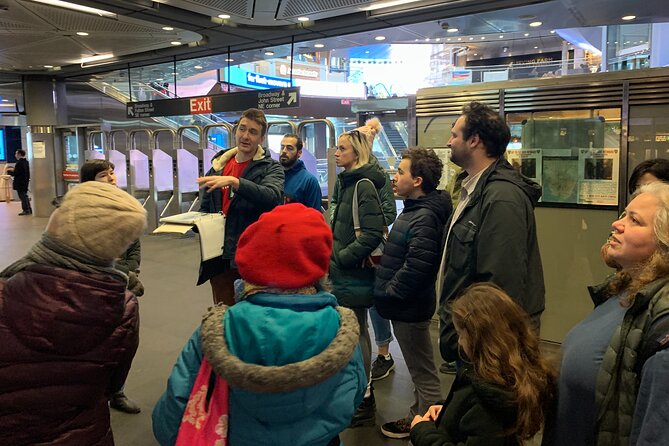
This is a private activity for your group alone, with up to 15 people. That limit makes the experience more personal than a large walking tour, though a full group of 15 would still feel less intimate than a couple or small family.
I especially like private tours in subway stations because the setting is noisy and full of movement. You can ask the guide to repeat a point, pause over a map, or explain why a particular platform matters. The guide can also spend more time on the subjects your group cares about.
For first-time subway users, the private setup has another benefit. You can ask basic questions without feeling rushed. The tour includes practical orientation as well as history, and one family used it to gain confidence about exploring the subway on their own afterward.
Repeat visitors can use the same format differently. If you already know the main sights, you can focus on station design, abandoned platforms, old routes, and the way New York has adapted its transport system over time.
The audio earpieces help here. A train arriving nearby can drown out a normal conversation, especially when the guide is pointing out a small feature. You will not need to stand shoulder to shoulder with the guide to hear every explanation.
The two-hour pace and physical demands
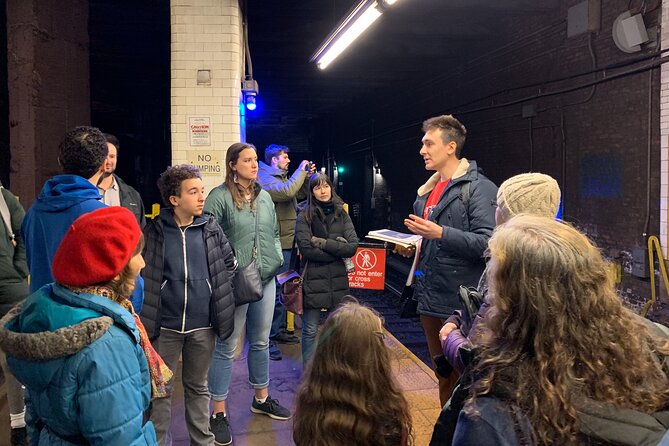
Two hours sounds manageable, and for most people it is. Still, this is not a sit-down history talk. You will be moving through subway spaces, walking between points, and handling steps.
The physical note is clear: the tour is not recommended if you have difficulty walking up and down steps. Even if you are generally active, wear comfortable shoes and avoid packing the rest of your day with a demanding activity immediately afterward.
The route also takes place in a working transport network. That means the setting can be crowded, noisy, and busy. The guide helps you keep your bearings, but the experience is not designed to feel like a quiet museum visit.
This active setting is part of its value. You see the subway as New Yorkers use it, with old details tucked beside modern travel. But if you prefer a calm indoor attraction with fixed displays, this may feel hectic.
A closer look at the value of $200 per group
The price is $200 for the whole group, up to 15 people. That makes the math favorable for a larger family or group of friends. At the full group size, the cost per person is modest. For one or two people, it becomes a more expensive specialty tour.
The value rests on access to an expert guide and a focused route, not on admission to a large museum. You are paying for interpretation, direction, and the chance to notice places that are easy to miss. The included admission means you are not paying a separate entry fee for the tour’s main stops.
For a family visiting New York for the first time, the price can also cover basic subway orientation. You may come away more comfortable using the system during the rest of your trip. That practical benefit matters if navigating the city feels intimidating.
For repeat visitors, the calculation is different. If you have already seen the major downtown sights and want a specialized experience, the abandoned stations and transit stories give you something new to do. If you are mainly looking for skyline views or a broad introduction to Manhattan, spend the money elsewhere.
The fact that the tour is often booked well in advance also suggests that you should not treat it as a last-minute filler. Check availability early, especially if you have a fixed schedule. Confirmation is provided at booking, and free cancellation is available when you cancel at least 24 hours before the start time.
Who will get the most from this subway tour
I would recommend this experience to several types of visitors.
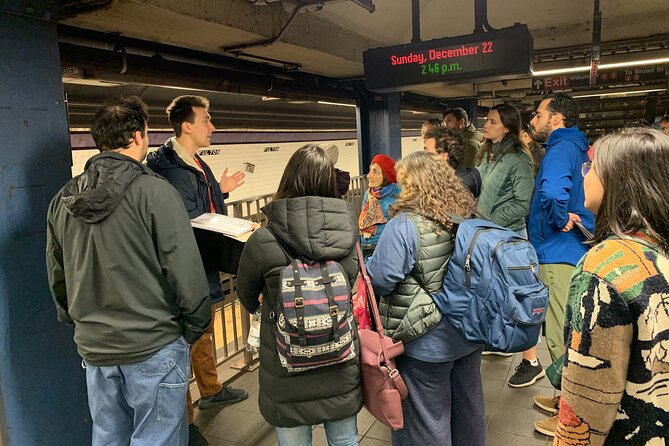
First-time New York visitors get help with the subway’s confusing layout and can turn a practical transportation lesson into sightseeing. You still need to pay attention, but the guide removes much of the stress of finding your way.
Families may find the private format especially useful. Children and adults can ask questions, and the abandoned stations add a sense of discovery without requiring a full day at a museum.
Repeat visitors get a look at a side of New York that does not appear on the standard downtown checklist. If you have already visited the Statue of Liberty, Wall Street, and the Brooklyn Bridge, this gives you a new reason to return underground.
Transit and engineering enthusiasts will probably find the most to enjoy. The route covers station changes, abandoned platforms, active subway lines, and PATH connections.
I would be cautious about booking it if you dislike steps, crowded public transport, or tours built around explanation. The route is also less suitable if you expect unrestricted entry into closed stations. You will see and discuss abandoned spaces, but the experience remains within a working city network.
Planning your day around Battery Place and the World Trade Center
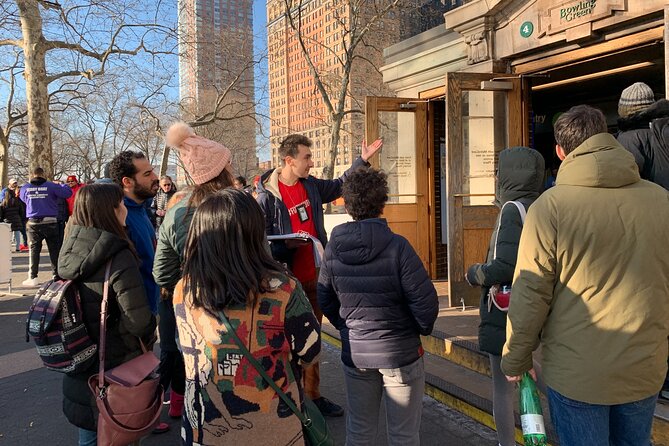
Give yourself enough time to reach One Battery Park Plaza. The address is near public transportation, but the tour does not begin where it ends, so do not plan to return to Battery Place immediately afterward.
Ending near the World Trade Center or Fulton Center is helpful. You can continue with downtown sightseeing, find food, or connect to another subway route from there. It also means you should think about your day in sequence: place this tour before activities near the end point, not before an appointment back at the starting point.
English is the offered language. The audio earpieces are useful for following the guide, but the tour is still an English-language experience, so you should be comfortable listening to a detailed explanation in English.
The booking confirmation arrives at the time of booking. Since the tour is popular and can be reserved far ahead, book early if this is a priority. If plans change, cancel at least 24 hours before the local start time for a full refund.
Should you book this private subway tour?
Book it if you want old stations, transit stories, and a guide-led look at Lower Manhattan rather than another standard landmark walk. The strongest reasons are the abandoned South Ferry and City Hall stations, the PATH material, the Brooklyn Bridge connections, and the private chance to ask questions.
The $200 price is easiest to justify for a family or group. Solo visitors and couples should decide if this specialized subject is worth the higher per-person cost.
I would choose it for a first New York trip if the subway feels intimidating, and for a repeat trip if you have already covered the obvious sights. Skip it if steps are difficult or if you want a relaxed, above-ground tour. For everyone else, it is a smart way to see how much of New York’s story is still running beneath your feet.
FAQ
Where does the tour begin?
It begins at One Battery Park Plaza, 1 Battery Place, New York, NY 10004.
Where does the tour end?
The tour ends in Lower Manhattan near the World Trade Center or Fulton Center.
How long does the experience last?
The tour lasts approximately two hours.
How much does the private tour cost?
The price is $200 per group, with up to 15 people included.
Is this a private activity?
Yes. Only your group participates in the activity.
What language is offered?
The tour is offered in English.
Are audio earpieces provided?
Yes. Audio earpieces are provided so you can hear the guide more clearly.
Which subway subjects are covered?
The tour includes abandoned stations, Brooklyn Bridge secrets, the PATH subway, and other Lower Manhattan subway details.
Is the tour suitable for people who have never used the New York subway?
Yes. The experience is suitable for first-time visitors, and the guided format can help you feel more confident using the subway.
Is the tour suitable for people who have difficulty with stairs?
No. It is not recommended for people who have difficulty walking up and down steps.
Can I cancel for a full refund?
Yes, if you cancel at least 24 hours before the experience begins. Cancellations made less than 24 hours before the start time are not refunded.
Recently added in New York City
- Drama and Discourse in New York Theatre★ 5.0 · 14 reviews
- Small-Group Downtown, 911 Memorial, Wall Street Tour★ 5.0 · 16 reviews
- Skip the Line: Dueling Pianos Boozy Brunch! Ticket★ 4.5 · 17 reviews
- 3 Hour Lower Manhattan Walking Tour★ 5.0 · 11 reviews
- World Trade Center Area Underground Art and History Tour★ 5.0 · 3 reviews
- Wall Street & Financial District Private Walking Tour★ 5.0 · 8 reviews
- Affordable Door-To-Door Transport (NYC To Boston)★ 4.0 · 3 reviews
- NYC Night Bus Sightseeing Tour with Free Statue of Liberty Cruise★ 4.0 · 75 reviews
NYC Subway and Underground Tours, compared.
New York City Slavery and Underground Railroad Tour
Read our review →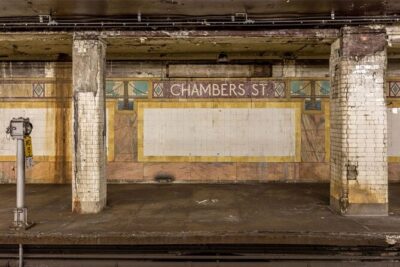

History of Slavery & Underground Railroad Walking Tour
Read our review →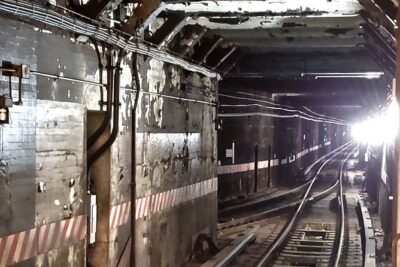

Underground Subway Guided Tour with Local New Yorker
Read our review →
Browse the lists this tour appears in