
Reviewed · NYC SUBWAY AND UNDERGROUND TOURS
New York City’s Amazing Subway Mosaic Art Tour – Manhattan
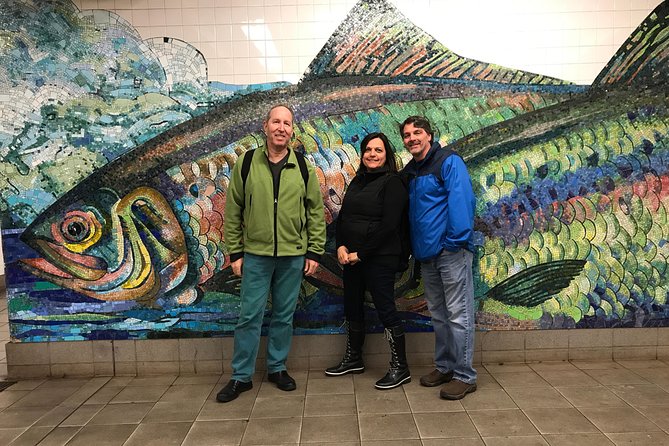
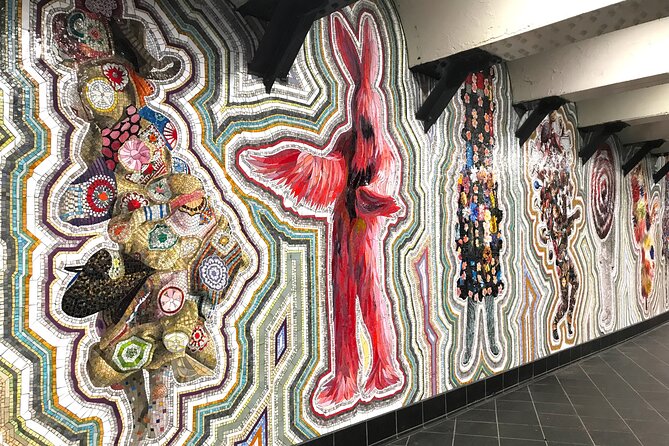
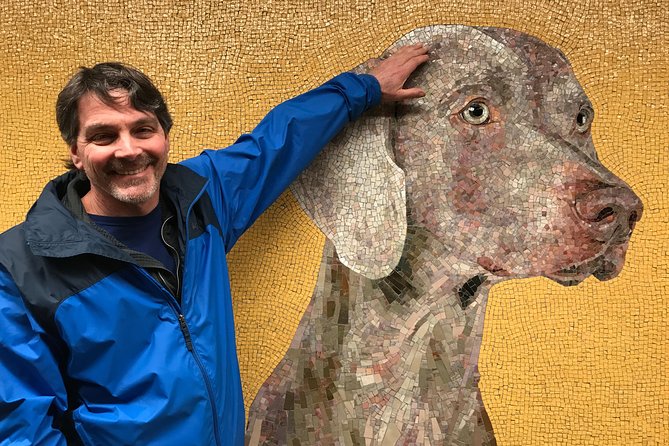
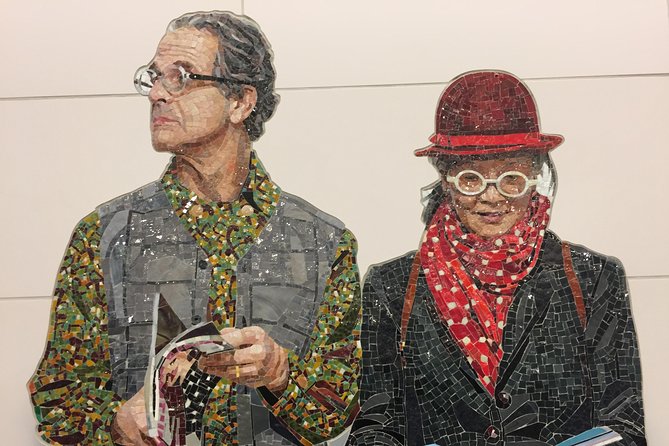
Manhattan’s subway is more than a way to get across town. Its walls hold a large public art collection, and this five-hour mosaic tour gives you a reason to slow down and look. Starting at Grand Central Terminal, you travel through the system to see roughly 8 to 10 mosaic sites, with the guide explaining how these works are designed, installed, and maintained.
I like two things right away: the tour uses the subway as both transportation and subject matter, and the group is limited to 12 people, which should make it easier to ask questions and keep track of the route. Cathleen is named as one guide, and a previous guest praised her warmly. The main drawback is physical: you will use subway stairs and spend much of the afternoon on your feet, with fares extra.
Key points to know before you book
- Grand Central is the starting point: Meet at 89 E 42nd Street at noon, then return to the same meeting point.
- The subway is part of the experience: You will ride through Manhattan, not simply view art in one fixed station.
- Expect about 8 to 10 mosaic sites: The tour description also refers to approximately 12 to 15 sites, so the exact count can vary.
- The art lesson goes beyond sightseeing: Your guide covers design, installation, and ongoing maintenance.
- Plan for stairs and walking: Flat shoes, light layers, and a moderate fitness level are advised.
- Budget for subway fares: Your transportation costs are not included in the tour price.
Why Manhattan’s subway art deserves five hours
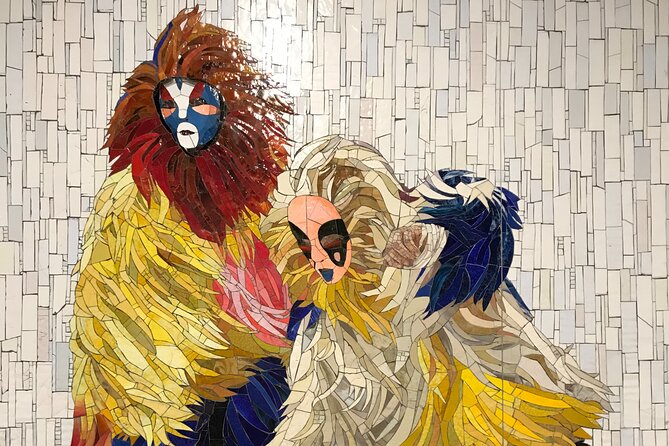
New York’s subway mosaics reward the kind of attention that most riders do not have time to give. You may pass a station wall every day without noticing the small details, materials, patterns, or signs of careful upkeep. This tour turns those ordinary commutes into a guided art outing.
The focus is practical and specific. You are not simply taken from one attractive station to another. You learn how mosaic art gets designed, installed, and maintained in a working transit system. That matters because these artworks face a much tougher setting than pieces in a quiet gallery. They share space with crowds, stairways, platforms, dust, cleaning, and constant movement.
I like that the tour connects public art with city life. You will not be sealed away from Manhattan while looking at art. You will be moving through the subway, changing your pace, and seeing how artwork fits into the places New Yorkers use every day.
The format also suits repeat visitors who want a different side of the city. If you have already seen the major museums and landmarks, the subway offers a less expected route through Manhattan. It can also work well for first-time visitors who enjoy seeing how a city functions rather than ticking off only its famous sights.
More NYC Subway and Underground Tours:
- New York City Slavery and Underground Railroad Tour
★ 5.0 · 411 reviews - NYC Underground Subway Walking Tour
★ 4.5 · 361 reviews - NYC: History of Slavery & Underground Railroad Walking Tour
★ 4.7 · 87 reviews
Meeting at Grand Central Terminal at noon
The tour begins at Grand Central Terminal, 89 E 42nd Street, at 12:00 p.m. That is a useful meeting point, but Grand Central is large and can be confusing if you arrive at the last minute. Give yourself time to find the correct area and use the restroom before the group sets off.
That restroom tip is worth taking seriously. Breaks are included during the afternoon, but not every subway stop has a bathroom available. Starting with a quick stop at Grand Central can save you an uncomfortable search later.
Grand Central also sets the mood for the tour. You begin in one of Manhattan’s best-known public transportation spaces, then move into the subway network below the city. The contrast helps you notice the difference between a famous terminal and the many less celebrated stations that also contain public art.
Since the meeting point is also the end point, you do not need to plan a separate return route. That is especially handy after five hours of walking and subway travel. You can arrange dinner or another activity near Grand Central, but leave yourself some flexibility in case the tour runs close to its estimated duration.
How the five-hour route works
The advertised experience lasts about five hours. The group travels through Manhattan’s subway system to visit multiple mosaic sites, rather than remaining in one station for an extended lecture.
The supplied details give two different estimates for the number of sites. One section describes approximately 12 to 15 mosaic locations, while the included portion says 8 to 10, and the highlights also promise up to 10. I would plan around 8 to 10 substantial mosaic stops and treat any higher count as dependent on the route, timing, and station access that day.
That difference does not necessarily weaken the experience. A smaller number of stops can allow more time for explanation and close looking. If the group visits more locations, the afternoon may feel broader but less leisurely. Either way, this is a moving tour, so you should expect transitions between art sites rather than five uninterrupted hours of viewing.
The subway fares are not included. Keep money or an appropriate payment method ready for the rides, and remember that each transfer and route choice is part of the day’s logistics. The tour provides the guidance through the system, but you still pay for your own transportation.
The admission note says admission tickets are not included. No separate museum admission is described, so the practical cost to plan for is the tour price plus subway fares and any personal food or drink. Because no tour price is provided here, I cannot judge the exact dollar value. The value is strongest if you would otherwise struggle to find these mosaics or understand their place in the subway system.
What you learn about the mosaics

The most useful part of the tour is the attention to process. You learn about design, including how an artwork is planned for a public station rather than a quiet indoor room. You also hear about installation, which explains how a mosaic becomes part of a wall, passage, or platform area.
Maintenance is another strong subject. Subway art has to remain visible and intact in a demanding public setting. A guide who explains upkeep helps you see more than color and pattern. You begin to consider how public art is preserved, cleaned, repaired, and kept legible for people passing through quickly.
That information changes the way you look at the work. Instead of treating each mosaic as a decorative surprise, you can think about its scale, placement, materials, and relationship to the station around it. A good explanation also helps you compare one site with the next, which is far more rewarding than simply collecting photographs.
The tour is especially suited to people who like art but do not want a standard museum visit. You may find the subway setting more revealing than a gallery because the artworks are woven into ordinary routines. The tradeoff is that station conditions can be less comfortable for careful study. You may need to stand, move aside for other riders, or look quickly before the group continues.
More New York City Tours:
- NYC: SUMMIT One Vanderbilt Tickets
★ 4.7 · 51,195 reviews - NYC: Empire State Building Tickets – Observatory & Museum
★ 4.7 · 25,757 reviews - New York City: Statue of Liberty & Ellis Island with Ferry
★ 4.6 · 18,683 reviews - New York City: American Museum of Natural History Ticket
★ 4.5 · 15,447 reviews
The art sites across Manhattan
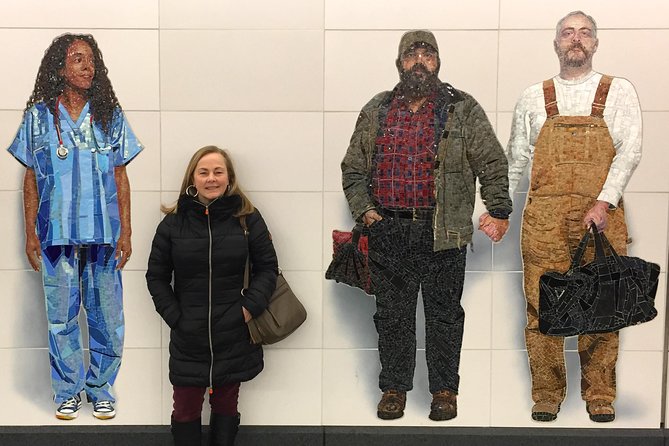
The route is not listed station by station, so you should not expect a fixed checklist of named stops in advance. Instead, the guide leads you to a selection of Manhattan mosaic sites, with the final mix shaped by the planned route.
That makes the guide important. The value comes not only from reaching the stations but from knowing where to look and what deserves attention. A guide such as Cathleen can help connect the individual pieces into a larger lesson about subway art across Manhattan.
At each stop, expect a short period of viewing and explanation. You may look at the artwork from different points in a station, listen to information about its creation, and then continue to the next location. The experience favors variety over lingering at one work for a long time.
The route also gives you a small lesson in Manhattan geography. You will ride between parts of the borough while following a theme that most standard sightseeing tours ignore. The subway becomes the thread connecting the stops, and the movement helps you understand why these artworks belong to the city’s daily infrastructure.
Do not book this expecting a quiet gallery atmosphere. Stations have their own sounds, movement, and practical demands. That is part of the point, but it can make photography, note-taking, or close inspection harder than it would be indoors.
Group size, comfort, and the physical demands
The maximum group size is 12. That is a good number for a tour that involves public transportation. A very large group would be harder to keep together on platforms and stairs, while a small group usually allows more direct questions.
You need a moderate level of fitness. The experience involves walking through stations, boarding trains, and climbing stairs. It is specifically not recommended for people who cannot climb stairs, so consider your mobility carefully before booking.
Wear flat, comfortable shoes. This is not the afternoon for stiff dress shoes or footwear you have not tested. Lightweight layers also make sense because the temperature can change between street level, trains, and stations.
Avoid shopping bags, heavy luggage, and bulky items. Subway transfers are easier when your hands are free and your belongings stay close. Large bags can also make crowded station passages more awkward for you and for people moving around the group.
Service animals are allowed. The tour is near public transportation by design, but the practical demands remain significant. If stairs are difficult for you, ask specific questions before booking rather than assuming the subway route will be easy to adapt.
Who will get the most from this tour
I would recommend it most strongly to people who enjoy public art, urban design, and unusual city sights. It is also a good fit if you have already covered Manhattan’s major attractions and want an afternoon with a more local, everyday feel.
The tour suits curious museumgoers who want context, not just photographs. You will get more from it if you enjoy asking why an artwork was placed where it is, how it was made, and what it takes to maintain it.
It may also appeal to anyone who likes exploring by public transportation. The subway is not a backdrop here. It is the route, the setting, and part of the subject. If you dislike changing trains, standing, or climbing station stairs, the format may wear you down.
Families with older children could find the idea engaging, though the supplied information does not specify a minimum age or child-focused activities. Since the group travels through the subway for five hours, judge the booking by your own group’s stamina and interest in art.
What the praise tells you about the experience
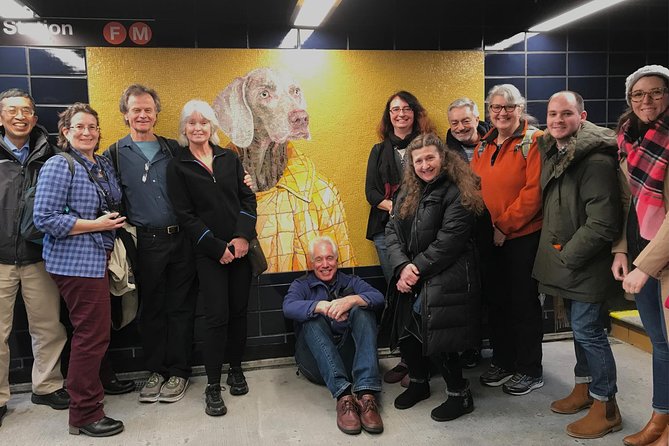
The available feedback gives special credit to the guide. One guest called it a great way to see the city and its art, and singled out Cathleen as a fantastic guide. That points to the human side of this experience: the route alone is not enough. Clear explanations, good pacing, and confidence in the subway system make the afternoon work.
The overall score is 4.9 from 20 reviews, with 95 percent of customers recommending it. That is a strong signal, though the sample is modest. I would read it as evidence that the concept and guiding are working well, not as a promise that every stop or route will match your personal interests.
The praise also fits the tour’s design. It offers something more personal than wandering through stations alone, yet it remains grounded in ordinary New York rather than staging a special show. You get an art lesson and a city ride in the same outing.
Practical planning and cancellation terms
Confirmation is provided at booking. The experience requires a minimum number of participants, so it can be canceled if that number is not reached. If that happens, you are offered another date or experience, or a full refund.
You can cancel for a full refund up to 24 hours before the start time. Cancellations or changes made less than 24 hours before the 12:00 p.m. start are not accepted for a refund. The cut-off uses local time, so check the deadline carefully if you are booking from another time zone.
Plan to arrive ready to begin at noon. Bring only what you need, wear practical shoes, and budget separately for subway fares. Those small preparations will make the five-hour route much easier.
Should you book the Manhattan subway mosaic tour?
Book it if you want public art with a strong sense of place, enjoy guided exploration, and can manage stairs and several hours on your feet. The combination of subway travel, mosaic design, installation, and maintenance offers a fresh way to see Manhattan.
Skip it if you need a seated tour, have difficulty with stairs, or prefer to study art in calm indoor rooms. Also think twice if your schedule is tight, since five hours is a serious block of time and the route includes travel between sites.
For the right person, this is a smart urban outing. You see up to about 10 subway mosaics, learn why they matter, and return to Grand Central with a better eye for the art hiding in New York’s daily commute.
FAQ
Where does the tour begin?
It begins at Grand Central Terminal, 89 E 42nd Street, New York, NY 10017.
What time does the tour start?
The scheduled start time is 12:00 p.m.
How long does the experience last?
The tour lasts approximately five hours.
Where does the tour end?
The activity ends back at the Grand Central Terminal meeting point.
How many mosaic sites will I see?
The tour includes approximately 8 to 10 mosaic sites. The route description also refers to approximately 12 to 15 sites, so the exact number can vary.
Are subway fares included?
No. Subway fares are not included and must be paid separately.
Is an admission ticket included?
Admission tickets are not included.
How large is the group?
The tour has a maximum of 12 travelers.
What should I wear?
Flat, comfortable shoes and lightweight layers are recommended.
Is the tour suitable for someone who cannot climb stairs?
No. The tour is not recommended for people unable to climb stairs.
Are service animals allowed?
Yes, service animals are allowed.
Are restrooms available throughout the tour?
Restroom breaks are taken during the tour, but bathrooms are not available at every subway stop. Using the restroom at Grand Central before departure is recommended.
Can I cancel for a full refund?
Yes. You can cancel at least 24 hours before the experience start time for a full refund. Changes or cancellations made less than 24 hours before the start are not accepted for a refund.
Recently added in New York City
- Brooklyn: 3-Hour Williamsburg Bites Food Tour★ 4.5 · 58 reviews
- World Trade Center, 911 and Ground Zero Walking Tour★ 5.0 · 4 reviews
- Welcome to New York: A Tour of Taylor Swift Hotspots★ 5.0 · 11 reviews
- Your NYC Story in Photos: Custom 2-Hour Tour & Photo Shoot★ 4.9 · 60 reviews
- Washington from New York in Spanish★ 5.0 · 4 reviews
- Wall Street: The birth place of NYC in French/English tour★ 5.0 · 6 reviews
- NYC: Empire State Building Sunrise Experience Ticket★ 4.6 · 55 reviews
- New York City: Walk This Way Harlem Hip Hop Walking Tour★ 4.8 · 42 reviews
NYC Subway and Underground Tours, compared.
New York City Slavery and Underground Railroad Tour
Read our review →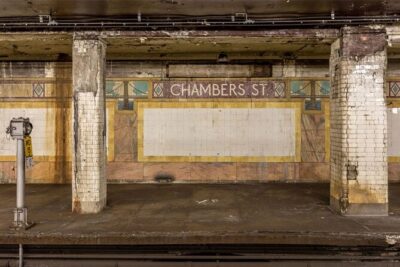

History of Slavery & Underground Railroad Walking Tour
Read our review →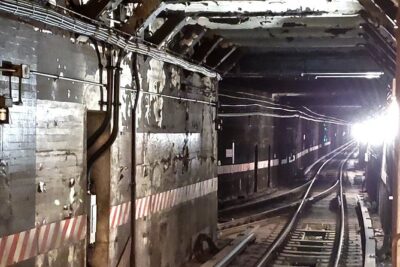
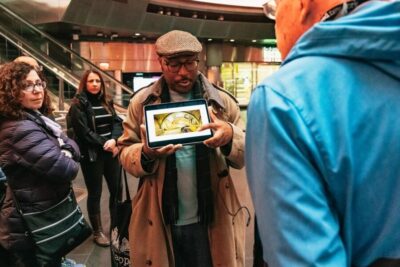
Underground Subway Guided Tour with Local New Yorker
Read our review →

New York 8 Hour Main Attractions Tour with City Bus/Subway
Read our review →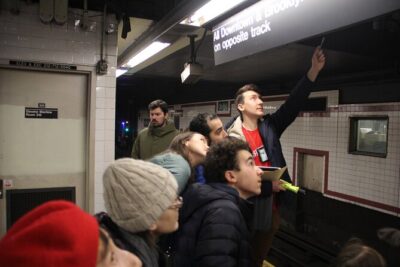
Browse the lists this tour appears in