
Reviewed · NYC WALKING TOURS
NYC: History of Slavery & Underground Railroad Walking Tour
New York’s financial district was built not only by merchants and politicians, but also by enslaved Africans and their descendants. This 150-minute walking tour brings that neglected story into the open, linking familiar sights such as Wall Street and Trinity Church with slavery, revolt, abolition, and the Underground Railroad.
I like the way the tour ties big national events to actual streets and buildings, and I like that it ends with time at the African Burial Ground National Memorial, a place for reflection rather than a quick photo stop. The subject is painful, and the guide presents it with care. The main drawback is simple: you spend two and a half hours outdoors, and the tour may feel emotionally heavy as well as physically tiring.
Key points
- Begin with the African Burial Ground National Memorial: Honor enslaved Africans buried in colonial New York at an important archaeological site and memorial.
- See famous Lower Manhattan sights differently: Fraunces Tavern, Trinity Church, Wall Street, and nearby locations gain a very different meaning.
- Follow the Underground Railroad story: Learn how secret routes, safe houses, and courageous helpers supported escapes to free states and Canada.
- Hear about resistance and danger: The tour covers revolts, kidnappings, escapes, abolition, and the people who risked property and safety to help others.
- Expect strong guiding: Guides have included Maia, Maya, Sean, Shaun, Ludie, Loudy, and Damaras, with a clear focus on questions and discussion.
- Plan for an outdoor history lesson: Wear comfortable shoes and weather-ready clothing, even though the walking pace is not described as especially strenuous.
Why Lower Manhattan’s streets matter
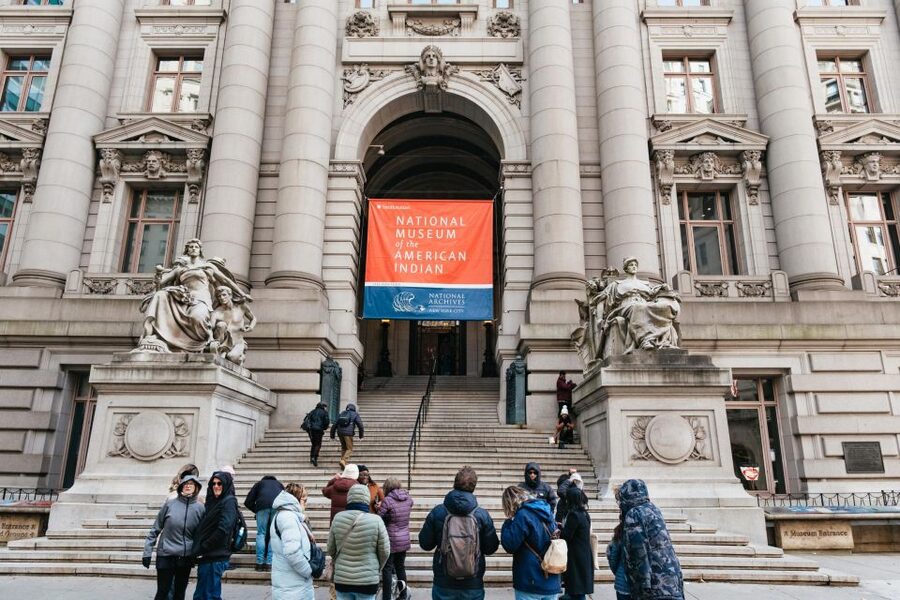
This tour asks you to look at New York from below the polished surface. The streets around Wall Street and the harbor are usually presented as the birthplace of commerce and government. Here, you also learn how enslaved people helped build colonial New York and how African Americans shaped the city from its earliest years.
That change in viewpoint is the tour’s greatest strength. You are not only listening to a general account of slavery in the United States. You are connecting the subject to the ground beneath your feet, to buildings you can see, and to people who lived, worked, resisted, escaped, or offered help in this part of the city.
The setting also makes the lesson more memorable. A textbook can explain that slavery existed in New York. A guide standing near a historic church, tavern, street, or former Underground Railroad location can show how these stories fit into the city you are visiting today.
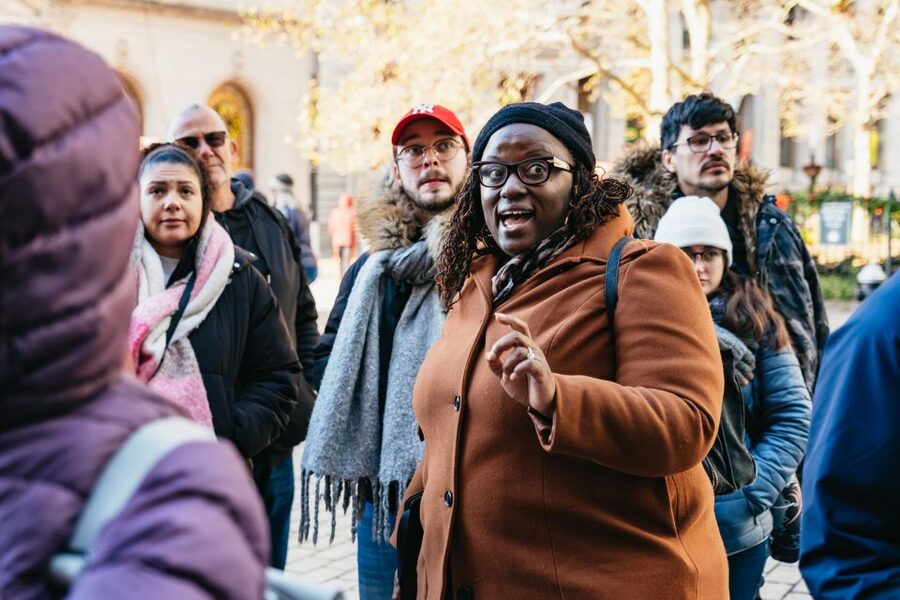
The guide leads in English and has time to answer questions. That matters here. The subject raises difficult issues, and the best part of the experience is not just the information, but the chance to ask how the system worked and how ordinary people became involved in resistance or oppression.
More NYC Subway and Underground Tours:
- New York City Slavery and Underground Railroad Tour
★ 5.0 · 411 reviews - NYC Underground Subway Walking Tour
★ 4.5 · 361 reviews - Guided Private Underground New York Subway Tour
★ 5.0 · 51 reviews
Starting near the American Indian Museum
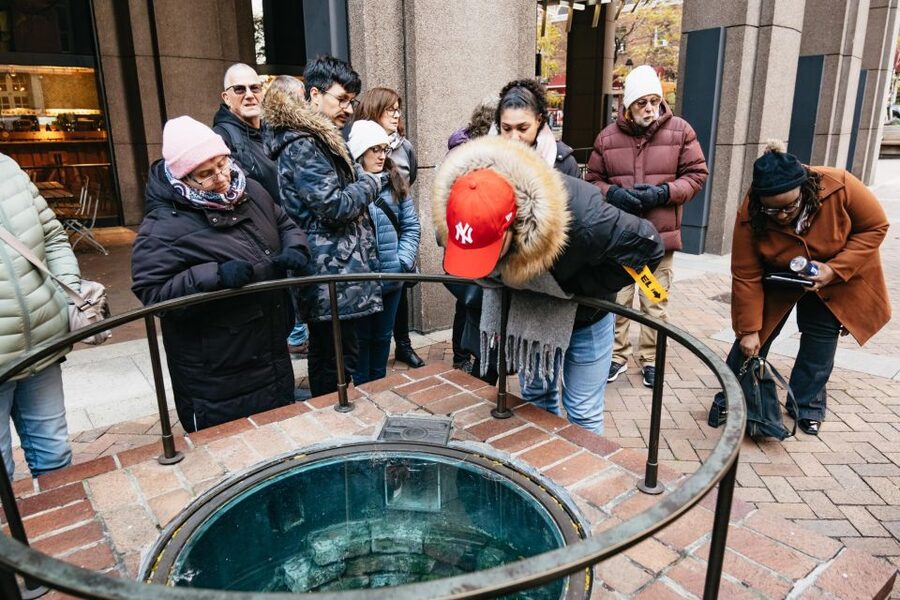
The meeting point is in front of the American Indian Museum. You should arrive ready for an outdoor walk and allow a little time to find the group in the busy Lower Manhattan area.
The tour then moves toward an archaeological site and memorial dedicated to enslaved Africans in colonial America. This is the African Burial Ground National Memorial, one of the most important stops of the experience. It honors people whose lives and deaths were long overlooked in the city’s public story.
Do not treat this first stop as a simple introduction. It establishes the tone for everything that follows. The memorial asks you to pause and consider the human cost behind New York’s early growth. The tour is at its best when it gives this place proper attention rather than rushing through it to reach more famous landmarks.
For me, this is also where the tour separates itself from an ordinary Lower Manhattan sightseeing walk. You still get a guided look at one of the city’s historic districts, but the focus is on people whose stories are often left out of standard sightseeing routes.
Fraunces Tavern and the colonial city
Fraunces Tavern is one of the named stops. Its familiar role in New York’s early political and commercial life becomes part of a wider story about slavery and African American labor.
The guide uses sites like this to explain how New Amsterdam and early New York developed, including the role enslaved people played in the city’s foundations. You are not simply told that slavery existed somewhere in the past. You are shown how it was connected to the institutions, trade, homes, and public life of the growing city.
The value of stopping at a place like Fraunces Tavern is the added context. On your own, you might walk past it and see only a preserved historic building. With a guide, you can consider what kinds of people worked in and around such places, who benefited from the economy, and who had little control over their own lives.
The tour also covers resistance. Stories of revolts and uprisings make clear that enslaved people were never passive participants in the system. They resisted in ways that could bring severe punishment, and those acts form an important part of the history you are learning.
Trinity Church, Wall Street, and uncomfortable connections
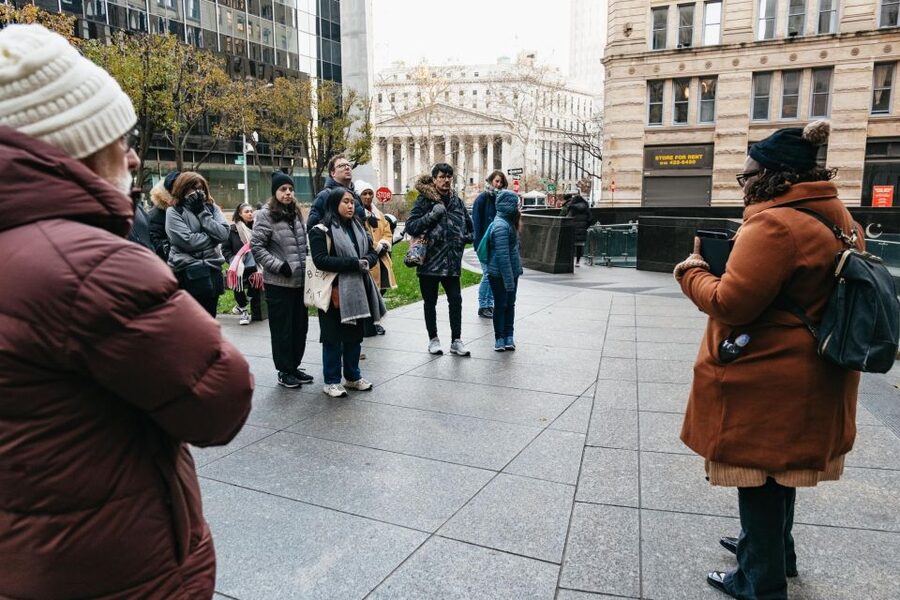
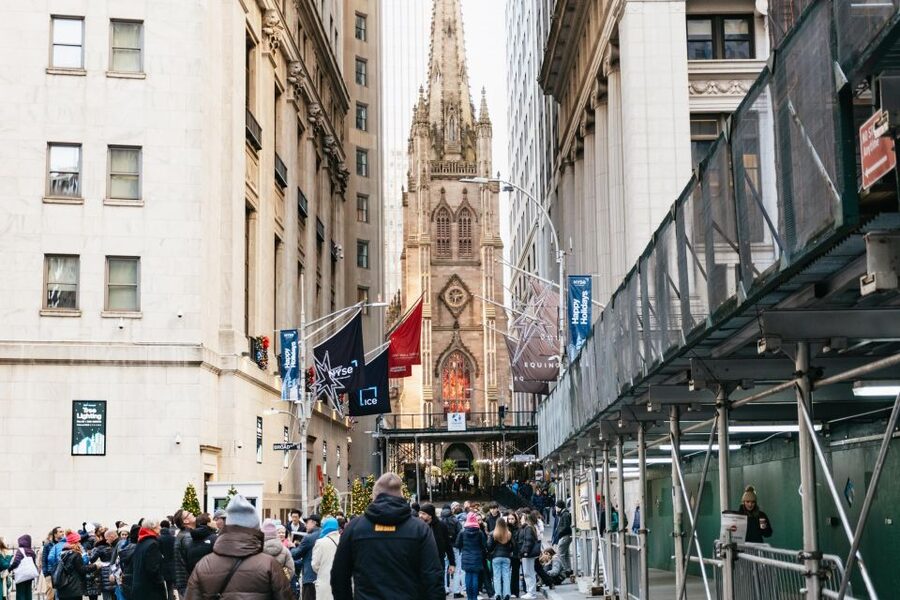
Trinity Church and Wall Street are among the tour’s other significant sights. These locations are central to New York’s public image, which makes them useful places to discuss the relationship between wealth, power, religion, and slavery.
The guide does not need to turn every building into a dramatic revelation. The real value comes from explaining the connections and asking you to think about whose labor supported the city’s success. Several past guides, including Maia, Maya, Sean, Shaun, and Ludie, have been praised for making those connections clear and for handling questions well. Your guide will vary, but the format depends on an informed, engaged storyteller.
Wall Street can be crowded and noisy, so you should expect some street sounds and interruptions. That is part of the tradeoff of a city walking tour. You are seeing the sites in their modern setting, not behind museum glass. The present-day activity can sometimes compete with the guide’s voice, but it also reinforces the central point: these historic places remain part of everyday New York.
This section is especially useful for anyone who already knows Lower Manhattan. Longtime New Yorkers have found that the route reveals details they had passed for years without noticing. You may have the same experience, particularly if you have visited the district before and want more than the usual financial-history story.
More NYC Walking Tours:
- SoHo, Little Italy, and Chinatown Walking Tour in New York
★ 5.0 · 3,153 reviews - Secrets of Grand Central Station Walking Tour New York City
★ 5.0 · 1,796 reviews - Greenwich Village Walking and Food Tasting Tour
★ 5.0 · 1,572 reviews - Artistic, Alternative Greenwich Village Walking Tour
★ 5.0 · 971 reviews
How the Underground Railroad actually worked
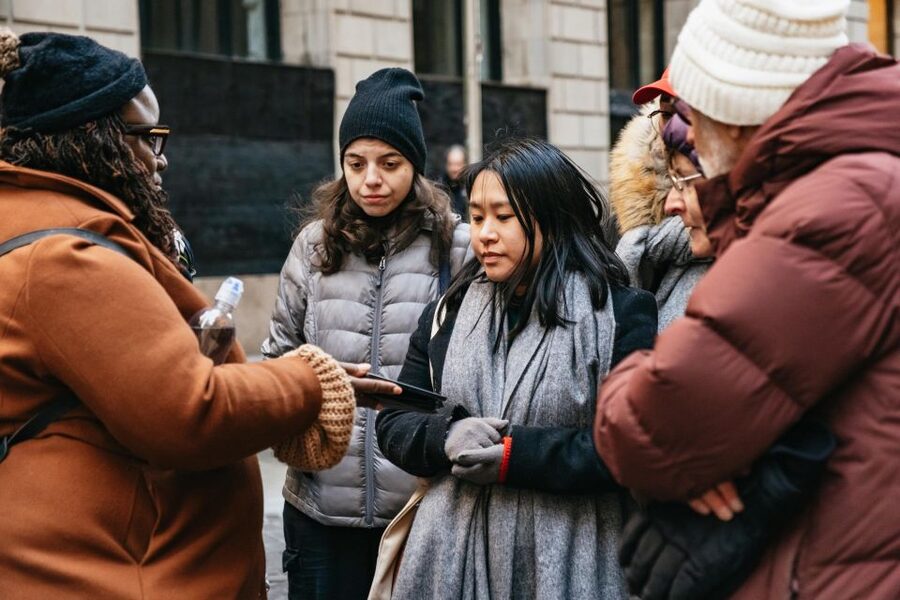
The Underground Railroad section explains a network, not a literal railroad. You learn about secret routes and safe houses used by enslaved African Americans attempting to reach free states and Canada.
The tour visits former locations connected with that network and explains how the system depended on secrecy, cooperation, and great personal risk. The guide also covers people who offered shelter or assistance, sometimes putting their homes, property, and safety in danger.
This is one of the most valuable parts of the walk because it turns a familiar phrase into a practical system. You learn why routes had to remain hidden, why communication mattered, and why escape was never a simple journey from one city to another.
The stories include dramatic escapes, kidnappings, and the threat of capture. That balance is important. The Underground Railroad is often presented as a series of heroic success stories, but the danger was constant, and many people faced terrible consequences. A good guide gives you both the courage and the uncertainty.
You should also expect the tour to place abolition in a broader setting. The fight against slavery involved organized efforts, individual acts of courage, public arguments, and people who challenged laws and social pressure. The route connects those struggles to real New Yorkers rather than treating abolition as a distant national event.
A serious subject, handled through conversation
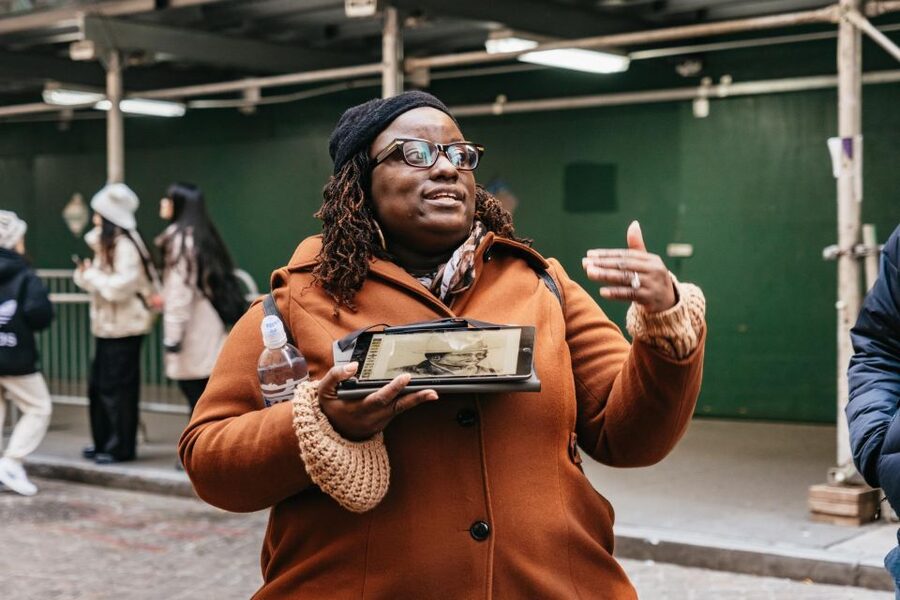
This is not a light sightseeing tour. You will hear about enslavement, violence, revolts, kidnapping, and the long effects of slavery. Some people will find the experience challenging, which is appropriate for the subject.
The strongest guiding style here is direct but humane. Past guides such as Damaras and Maya have been remembered for answering awkward questions, encouraging thought, and adding occasional humor without making light of the subject. Sean and Shaun have also been praised for clear explanations and a strong command of the material.
The guides vary, so no two walks will be identical. Still, the format gives you a chance to ask questions instead of receiving a fixed speech with no discussion. That is useful if you want to understand how slavery operated in New York, how people resisted, or how the Underground Railroad functioned.
I would recommend coming with a willingness to listen and reconsider familiar stories. The tour is not designed to make you comfortable at every moment. It is designed to make the city’s past harder to ignore.
What the two and a half hours feel like
The tour lasts 150 minutes. That is long enough to connect several sites and build a clear story, but short enough to fit into a day of Lower Manhattan sightseeing.
You will be on foot for most of that time. One person described the walking as not a lot, but you should still wear comfortable shoes because the route involves moving between several historic locations. The exact pace and amount of standing can vary with the guide, group, and conditions.
Weather matters. Bring clothing suited to the forecast, and do not assume that the entire experience takes place indoors. Rain did not prevent one past group from enjoying the tour because the guide shared much of the information under shelter, but you should still prepare for outdoor conditions.
A small group can make the walk feel more personal. One past tour had only three people, allowing a close exchange with the guide. Group size is not specified for every departure, so you should not count on that format, but the tour’s question-friendly style works best when you take part.
Is $49 a fair price?
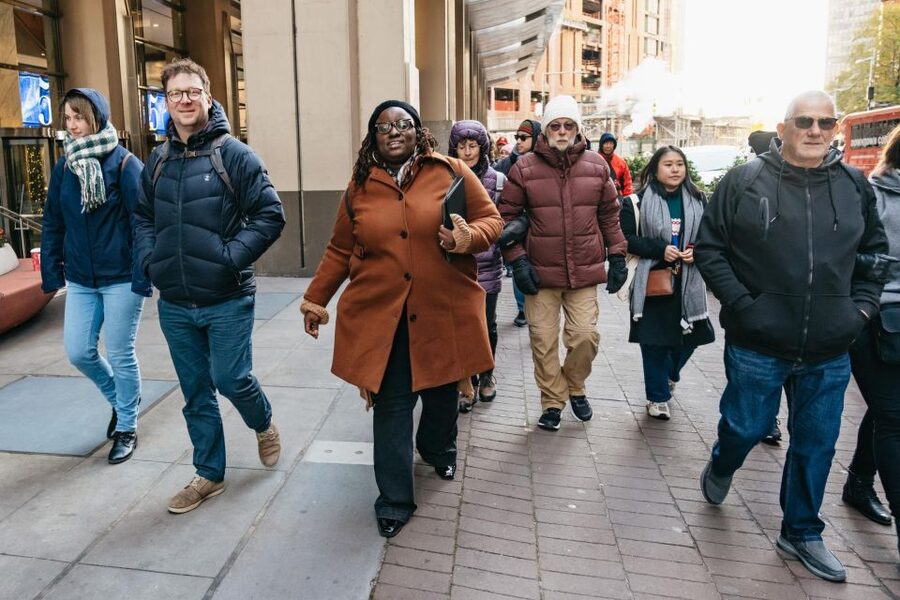
The cost is $49 per person. That is more than a casual self-guided walk, but the price includes a 150-minute tour with a licensed New York guide and a route that connects several important sites.
The value depends on what you want from Lower Manhattan. If you only want to see Fraunces Tavern, Trinity Church, and Wall Street from the outside, you can do that without paying for a guide. If you want the historical links explained, the fee buys structure, local interpretation, and access to stories you are unlikely to notice on your own.
I think the price is reasonable for a focused history tour, especially if you are interested in African American history, slavery, abolition, or the Underground Railroad. It is also useful for New Yorkers who have seen the district many times and want a fresh way to understand it.
The tour does not include hotel pickup or drop-off, so you need to make your own way to the American Indian Museum meeting point. That is normal for a city walking tour, but it is worth planning around if you have limited time or mobility concerns.
Booking can be flexible: you can reserve now and pay later, and cancellation is free up to 24 hours before the start time. Starting times vary, so check availability before building the rest of your day around it.
Who should book this walk
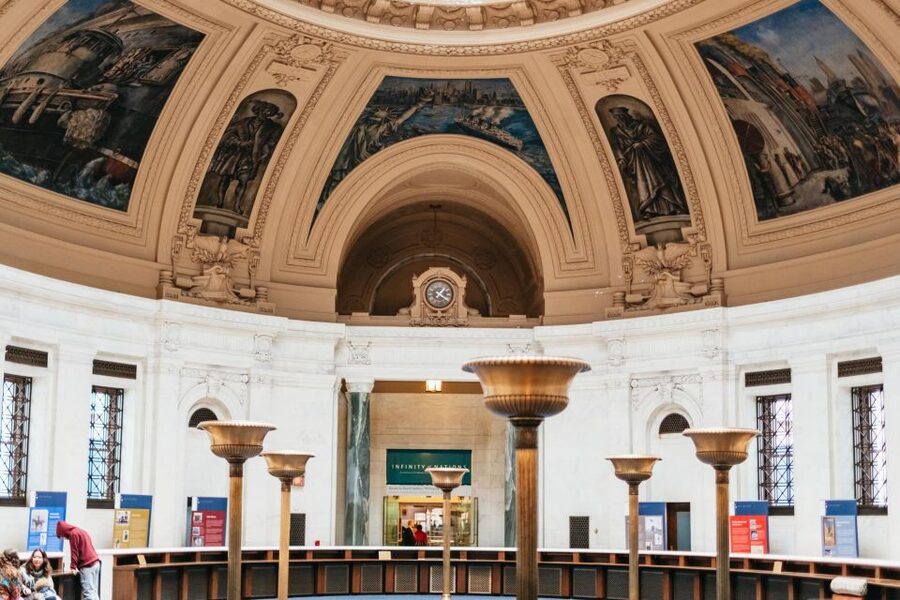
I would choose this tour if you want a serious look at New York’s African American past rather than a general sightseeing loop. It suits adults, students, history-minded visitors, and longtime New Yorkers who want to question the standard story of the city.
It is also a good choice if you learn best through places and conversation. Seeing a memorial, former Underground Railroad location, church, tavern, and financial district site in one connected route can make the subject easier to understand.
You may want something else if you dislike walking, standing outdoors, or emotionally difficult material. The tour is not presented as entertainment, and the stories can be painful. It also covers a large subject in 150 minutes, so you should see it as a strong introduction rather than the last word on New York’s history of slavery.
Should you book the History of Slavery and Underground Railroad Tour?
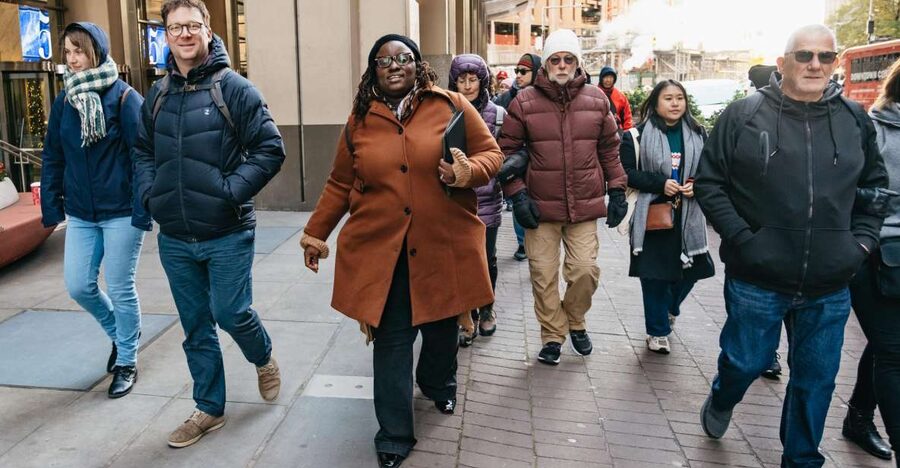
Yes, if you want to understand how African Americans shaped New York from the colonial period onward, and if you are willing to spend two and a half hours with difficult but important material. The African Burial Ground National Memorial gives the walk a powerful center, while Fraunces Tavern, Trinity Church, Wall Street, and the Underground Railroad sites show how the story fits into the city around you.
Book it with comfortable shoes, weather-ready clothing, and an open mind. At $49, it offers good value for a guided history lesson that many standard New York tours leave out.
FAQ
Where does the tour meet?
The meeting point is in front of the American Indian Museum.
How long does the walking tour last?
The tour lasts 150 minutes, or two and a half hours.
What language is the tour in?
The tour is conducted in English with a live guide.
What sights are included?
The route includes Fraunces Tavern, Trinity Church, Wall Street, former Underground Railroad locations, and the African Burial Ground National Memorial.
Does the tour visit the African Burial Ground National Memorial?
Yes. The experience includes a visit to this archaeological site and memorial dedicated to enslaved Africans in colonial America.
What will I learn about the Underground Railroad?
You will learn how clandestine routes and safe houses helped enslaved African Americans escape to free states and Canada.
Does the tour cover abolition?
Yes. The tour discusses the fight for abolition and the people who helped others escape slavery.
How much walking is involved?
The experience is a walking tour lasting 150 minutes. Comfortable shoes are recommended. The amount of walking may feel manageable, but you should be prepared to spend much of the time outdoors and on foot.
What should I bring?
Bring comfortable shoes and clothing suited to the weather.
Is hotel pickup included?
No. Hotel pickup and drop-off are not included, so you must reach the meeting point yourself.
Can I cancel the booking?
Yes. You can cancel up to 24 hours in advance for a full refund. You can also reserve now and pay later.
More Historical Tours in New York City
- New York City: American Museum of Natural History Ticket
★ 4.5 · 15,447 reviews - NYC: Starship Landmark 90 Minute Sightseeing Cruise
★ 4.6 · 3,666 reviews - Starship Landmark 90 Minute Sightseeing Cruise
★ 4.5 · 2,073 reviews - American Museum of Natural History Admission Ticket
★ 4.0 · 1,931 reviews
Recently added in New York City
- #1 Six Hour Bus Tour and Boat Ride By The Statue of Liberty★ 4.7 · 6 reviews
- NYC: Greenwich Village Comedy Club Stand Up Comedy Show★ 3.6 · 38 reviews
- Stand Up Comedy LIVE in Times Square At Broadway Comedy Club★ 3.5 · 56 reviews
- New York Harbor Brunch Cruise★ 4.5 · 106 reviews
- NYC Combo: Statue of Liberty Cruise, St Patrick’s Cathedral & Moma entrance★ 4.0 · 8 reviews
- New York City Superheroes Private Walking Tour★ 5.0 · 103 reviews
- Stand Up Comedy Show + Mini Golf Ticket!★ 5.0 · 64 reviews
- Woodbury Common Premium Outlets Shopping Tour from Midtown★ 4.5 · 92 reviews
NYC Walking Tours, compared.

SoHo, Little Italy, and Chinatown Walking Tour in New York
Read our review →
Secrets of Grand Central Station Walking Tour New York City
Read our review →
Greenwich Village Walking and Food Tasting Tour
Read our review →
Artistic, Alternative Greenwich Village Walking Tour
Read our review →


NYC Greenwich Village Italian Food Guided Walking Tour
Read our review →Browse the lists this tour appears in