
Reviewed · NYC SUBWAY AND UNDERGROUND TOURS
Brooklyn: Discover Hidden NYC Subway Secrets – Private
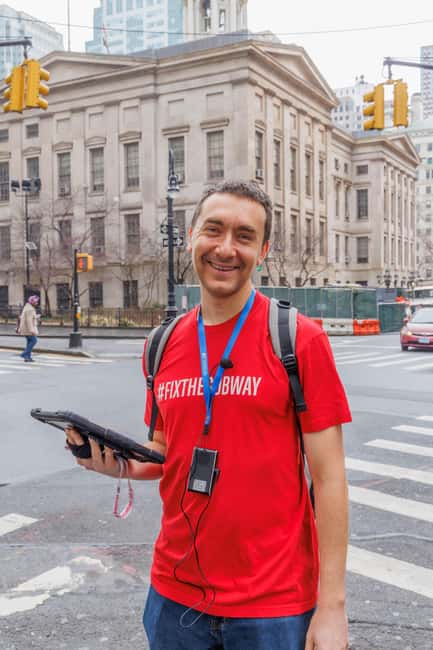
Brooklyn’s subway is more than a way to get across town. It is a layered record of old companies, bold engineering, unused platforms, public art, and streets that changed above the tracks. On this private tour, guide Rayn Riel leads you through that buried story, using active stations and public spaces as your classroom.
I like the former MTA connection behind Rayn’s explanations, and I like the smart use of the subway itself. You do not just look at a map and hear dates. You ride several train lines, pause in stations most New Yorkers hurry through, and learn why small details still matter. The view from Smith-9 St over the Gowanus Canal is another strong point.
The main consideration is pace. Two hours covers a lot of ground, with train rides, station changes, stairs, and walking. You will need comfortable shoes and enough energy for an underground outing rather than a slow architectural stroll.
Key points to know before you book
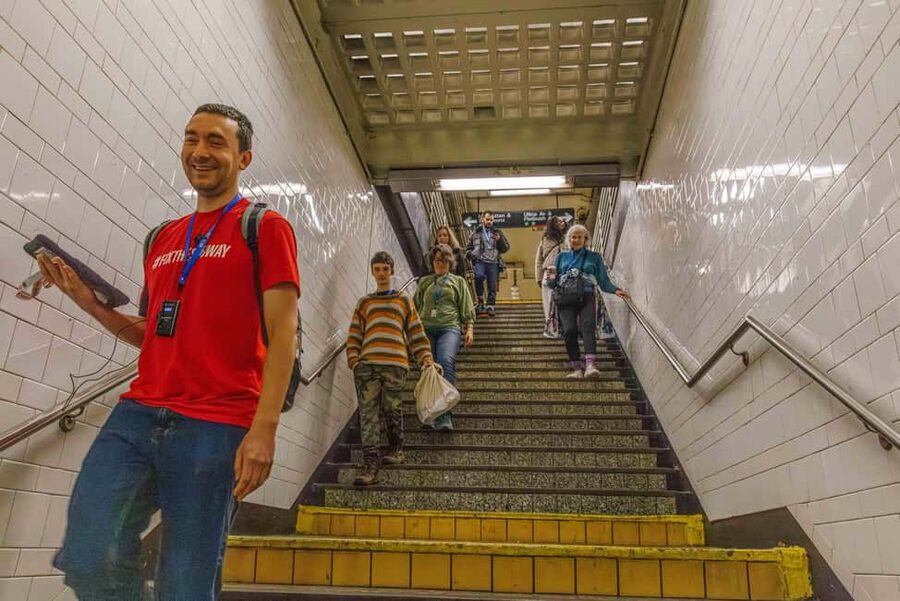
- See abandoned subway spaces from public areas: Look toward unused platforms, lower levels, tunnels, and other infrastructure without entering restricted places.
- Ride several historic lines: The route can include the 4, 5, D, G, F, and R, linking the IRT, BMT, and IND systems.
- Hear the story from Rayn Riel: Your licensed guide is an urban planner with professional transit experience and a gift for explaining technical details clearly.
- Take in the Smith-9 St view: This elevated station offers a memorable look down toward the Gowanus Canal.
- Connect subway design with pop culture: You can practice your moonwalk at the spot where Michael Jackson filmed Bad.
- Pay $200 for the private group: The price covers up to 15 people, subway fares, and listening earpieces, making it most useful for families or groups.
Why Brooklyn’s subway tells a bigger story
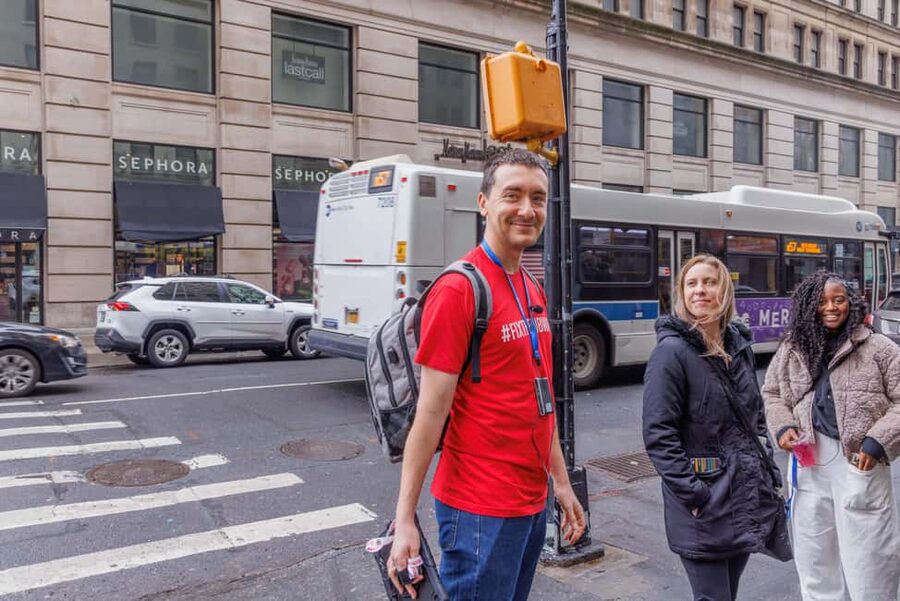
The best part of this experience is that it treats the subway as a working piece of New York, not a museum object. You learn why the system went underground in the early 20th century, then see how those original decisions still affect the way people move through Brooklyn today.
Rayn’s subject is unusually broad. He can explain the history of the transit system, the practical choices behind station layouts, and the details that most riders ignore. That might include a difference in light-bulb color, the reason a train car has a vertical cable between cars, or the purpose of a space that appears to be nothing more than a dark wall.
I especially like that the tour connects the past to the present. Old subway construction is not presented as a dead chapter. It helps explain today’s routes, station shapes, unused levels, and crowded transfer points. You get a clearer sense of why the system looks patched together, because in many places it really is the result of several older systems being joined over time.
The tour is private, so Rayn can adjust his explanations to your group. A subway enthusiast can ask technical questions, while a first-time visitor can stay with the basic story. That flexibility also matters for families. The route has been adapted for groups with children, including a sizeable group of fifth-graders, so younger subway fans have a good chance of staying involved.
More NYC Subway and Underground Tours:
- New York City Slavery and Underground Railroad Tour
★ 5.0 · 411 reviews - NYC Underground Subway Walking Tour
★ 4.5 · 361 reviews - NYC: History of Slavery & Underground Railroad Walking Tour
★ 4.7 · 87 reviews
Starting at 50 Court Street
Meet outside the Starbucks at 50 Court Street. This location puts you in Downtown Brooklyn, a useful starting point for a tour that will move between street level, station entrances, platforms, and trains.
The opening section sets up the main question: why did New York build such a large underground transit system in the first place? You will get the basic story of early 20th-century subway construction before moving into the more specific secrets of Brooklyn’s stations.
This introduction matters because the tour is not simply a hunt for odd corners. It gives you a framework for reading what you see. A low ceiling, a blocked passage, a change in tile, or a platform that no longer serves passengers can make more sense once you understand how the system developed.
Bring a MetroCard or other fare method? You do not need to plan for the fare during this experience because your subway fare is included. Earpieces are also provided. That is a practical advantage in a station, where trains, announcements, and echoes can make ordinary conversation difficult.
Historic stations and the old subway companies
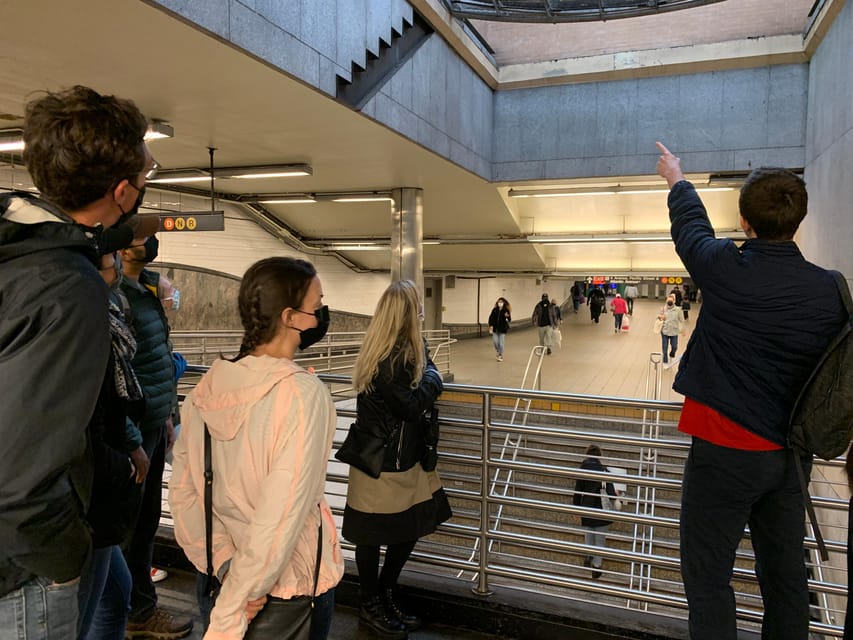
Brooklyn’s system grew through several separate transit companies. During the tour, you may ride the 4, 5, D, G, F, and R lines, representing the former IRT, BMT, and IND systems.
That mix gives the outing real variety. You are not looking at one uniform network built all at once. You are moving through the remains of different approaches to engineering, station design, and service planning. Rayn uses those differences to show how the city’s transit system evolved.
One focus is the design of Brooklyn’s oldest subway station. The point is not only age. Older stations often reveal the priorities of their builders through their materials, proportions, entrances, and decorative choices. Rayn explains the meaning behind the art and architecture, so you can pay attention to features you might otherwise pass without a glance.
You will also hear about public art projects throughout the borough. This makes the tour more than an engineering lesson. Subway stations are public spaces, and their artwork can shape how a station feels and how riders understand the neighborhood above it.
If you have lived in New York for years, this may still change the way you see familiar stations. The tour slows down places that are usually treated as corridors. That is a useful trick: you do not need a rare access pass to notice something unusual. You need time, context, and someone who knows where to look.
The abandoned stations hiding in plain sight
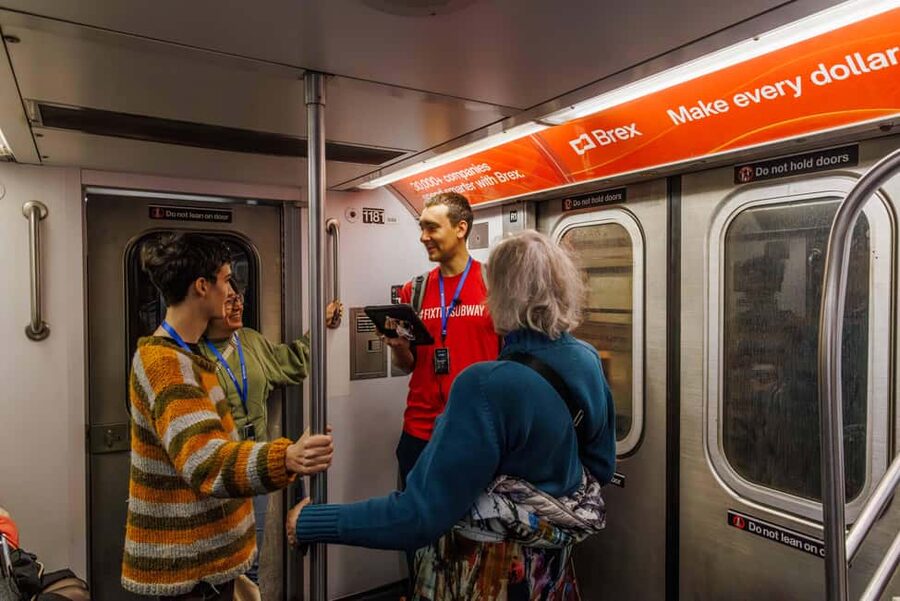
The phrase abandoned station can suggest a forbidden expedition. That is not what this tour offers. You remain in areas open to the public, and you do not enter restricted platforms, tunnels, or maintenance spaces.
You can, however, see several abandoned areas from legal public viewpoints. Some platforms and lower levels are hidden in plain sight. A particularly interesting example is the lower level at Nevins St, where unused infrastructure sits close to the active station.
These spaces are valuable because they show how much of the subway is not visible in daily use. A station can appear simple from the platform while holding old levels, sealed routes, or traces of earlier plans nearby. Rayn explains what you are seeing and why it survived.
The practical limit is important: this is not an urban exploration tour. You will not climb through locked gates or walk along disused tracks. If you want a safe, legal way to understand abandoned subway spaces, the boundaries are sensible. If you are seeking a private-access tunnel adventure, this is not the right experience.
More Brooklyn Tours:
- NYC Bus Tour of Brooklyn, Bronx, Queens: Art, Food & Sports
★ 5.0 · 3,805 reviews - NYC Highlights Tour: Bronx, Brooklyn, Harlem, Queens & Coney
★ 4.5 · 2,846 reviews - NYC: Contrasts Tour of Harlem, The Bronx, Queens & Brooklyn
★ 4.5 · 2,167 reviews - NYC: Brooklyn Nets NBA Game Ticket at Barclays Center
★ 4.7 · 2,033 reviews
Smith-9 St, the Gowanus Canal, and Brooklyn’s high point
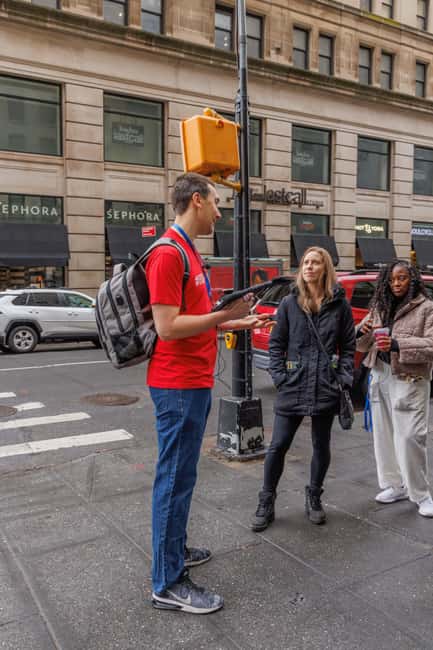
One of the tour’s most memorable stops is Smith-9 St station. From here, you can look down toward the Gowanus Canal, gaining a view that is unusual for a subway visit.
This is also where the tour explains why the highest rapid transit station in the Western Hemisphere was built in Brooklyn. The information gives the station a purpose beyond its claim to fame. You learn how the engineering and geography of the area shaped the line.
The description also identifies it as the highest rapid transit station outside China. Those two statements point to the same unusual distinction, though the Western Hemisphere wording is the one most directly tied to Brooklyn. Either way, the stop offers a rare combination of transit infrastructure and open views.
The station is a good reminder that subway travel is not always subterranean. Parts of the system rise above the streets, cross open areas, and reveal the city from a different height. You will want shoes that handle stairs comfortably, since the tour involves walking up and down steps.
Michael Jackson’s Bad filming location
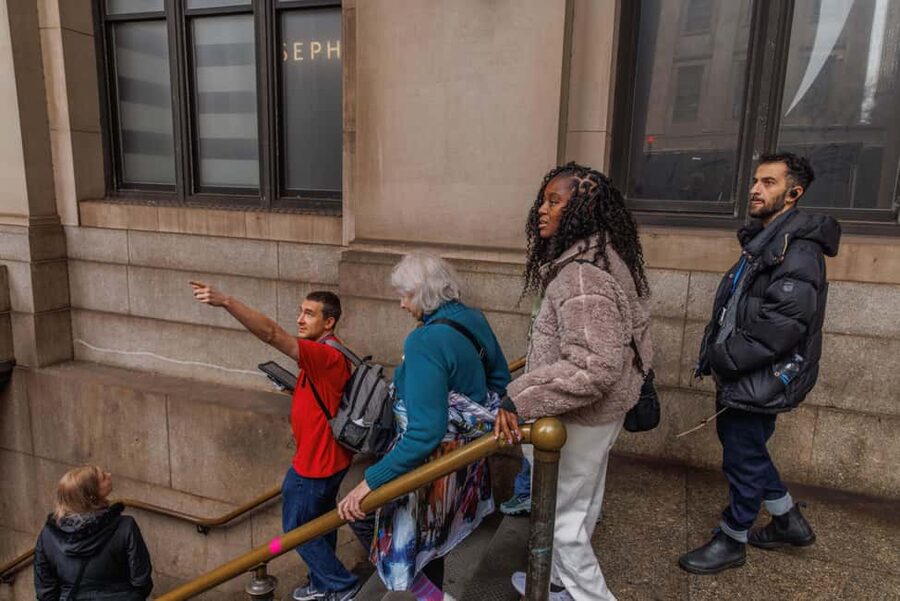
The pop culture stop adds a lighter note to the technical material. You get the chance to practice your moonwalk at the exact spot where Michael Jackson filmed the music video Bad.
This detail works because it is tied to the physical setting. You are not simply hearing a piece of celebrity trivia. You are standing in a real subway location and connecting it with an image many people know from popular culture.
For a family or mixed-interest group, this can be a welcome change of pace. One person may care about transit history, another about architecture, and someone else may mainly want the photo opportunity. The tour has enough variety to hold those different interests together.
A private tour for up to 15 people
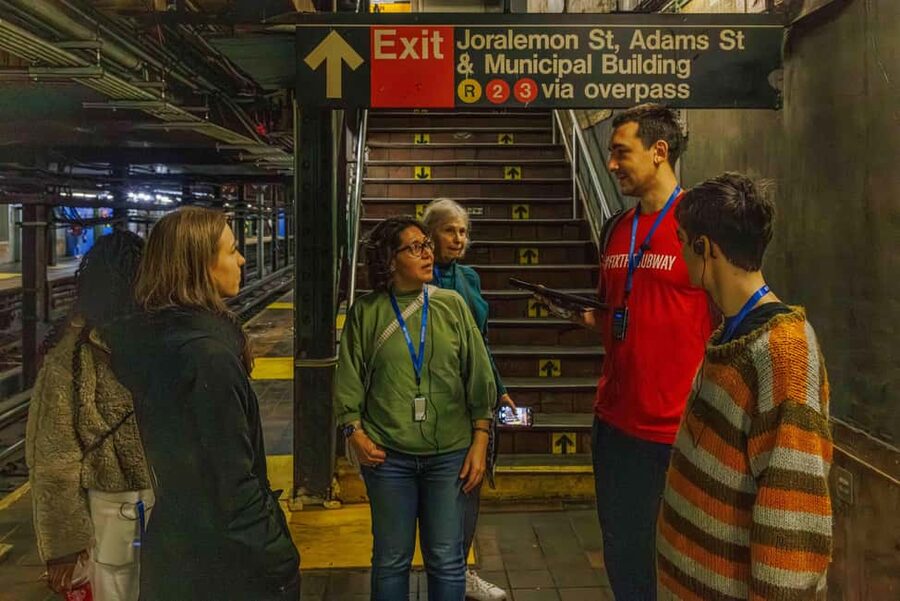
The $200 price is for a private group of up to 15 people. That changes the value calculation. For one or two people, it is a serious expense for two hours. For a family, school group, or gathering of friends, the per-person cost drops quickly.
The fee includes your subway fare and earpieces, so you are not paying extra for the rides or struggling to hear from several feet away. The private format also gives you the guide’s attention instead of placing you in a large mixed group.
I would book this for a group that enjoys asking questions. Rayn’s subject is wide enough to support a lot of follow-up, from major subway history to small operating details. If your group simply wants a quick list of photo stops, you may not get the full value.
The two-hour length is efficient, but it also means the tour has a full schedule. Train timing can affect the order of stops, and the route involves both riding and walking. Rayn can adjust along the way, which helps keep the experience moving, but you should not expect long, relaxed pauses at every station.
What to wear and how the route feels
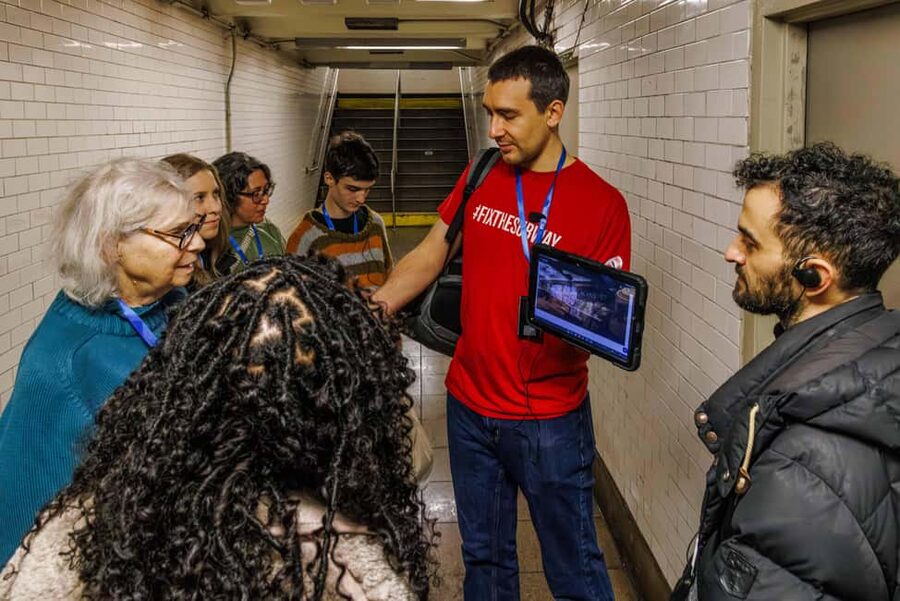
Wear comfortable shoes. That is the one clear preparation rule, and it deserves attention. You will walk through stations, use stairs, and move between subway platforms and street-level locations.
This is an underground environment, but it is not a restricted or physically extreme expedition. The tour stays in public areas. Still, a station can involve hard floors, noise, crowds, and repeated changes in level, so light footwear and an easy pace will help.
Earpieces are provided so everyone can hear the guide, even when the group spreads out. That is especially useful in a station, where a train arriving at the wrong moment can drown out a sentence.
The tour is offered in English with a live guide. The private setup makes it suitable for locals, visitors, families, and subway fans. People who have used New York’s trains for years may enjoy seeing ordinary stations with fresh eyes, while first-time visitors get a practical introduction to the city’s transit system.
Where the tour ends at Barclays Center
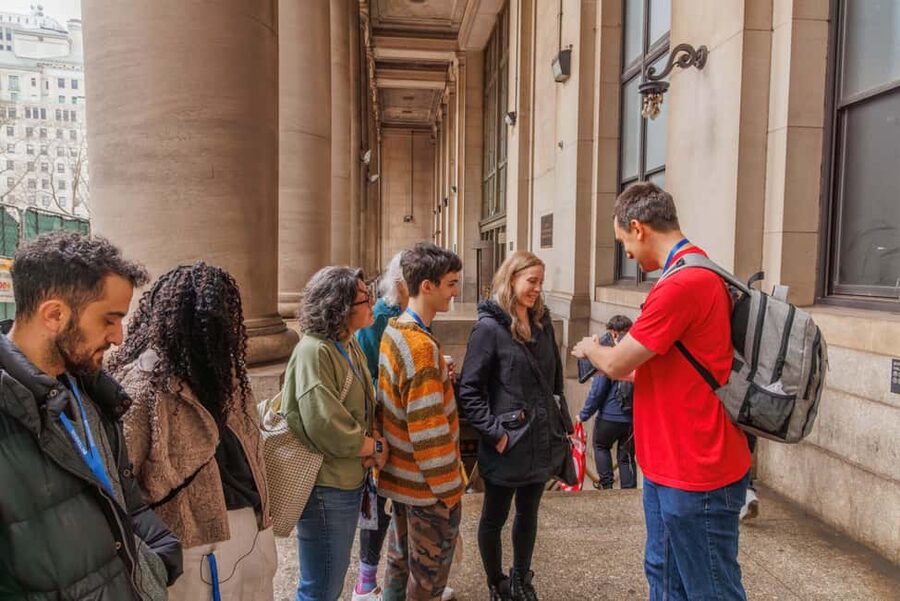
The experience finishes at Barclays Center subway station in Downtown Brooklyn. This is a useful endpoint because you are near local food options and several transport connections.
Ending at a working station also fits the theme. You finish inside the system rather than being dropped at an unrelated attraction. After two hours underground and on trains, you can stop for food, continue exploring Brooklyn, or use the subway to reach your next destination.
The end point is not a formal attraction with a long final presentation. The value is its convenience and its location. Plan your next stop before the tour begins if you want to keep the day moving.
Who should book this Brooklyn subway tour?
I would choose this experience for anyone who likes cities from the inside out. It is especially good for:
- Families with a child or teenager who is fascinated by trains and tunnels
- New York residents who think they already know the subway
- Visitors who want a more unusual Brooklyn activity
- Architecture fans interested in station design and public art
- Small groups that want a private guide and a flexible pace
- People who enjoy history connected to current city life
I would skip it if stairs, underground spaces, or active subway travel are a poor fit for you. It is also not designed for anyone expecting access to closed tunnels or restricted infrastructure.
Should you book it?
Book this Brooklyn subway tour if you want to understand how the system works, not just use it. Rayn Riel brings together transit planning, station design, abandoned infrastructure, public art, local views, and a playful Michael Jackson stop. The result is much more specific than a general city walking tour.
The strongest reason to book is the private format. At $200 for up to 15 people, the price makes better sense when shared with a family, classroom-sized group, or circle of friends. For a small party, weigh the cost against the included fares, earpieces, and specialist guide.
You should also book with the right expectations. You will see abandoned subway spaces, but only from public areas. You will cover a lot in two hours, but you will not study every station at length. If that sounds like the right balance of history, movement, and city oddities, this is a smart way to spend part of a Brooklyn day.
FAQ
How long does the tour last?
The tour lasts two hours.
Where does the tour begin?
Meet outside the Starbucks at 50 Court Street.
Where does the tour finish?
The tour ends at Barclays Center subway station in Downtown Brooklyn.
Is the tour private?
Yes. It is a private group experience for up to 15 people.
Who leads the tour?
Licensed guide and urban planner Rayn Riel leads the tour.
Is the subway fare included?
Yes. Your subway fare during the tour is included.
Are listening devices provided?
Yes. Individual earpieces are provided so you can hear the guide clearly.
Can you enter restricted subway areas?
No. The tour visits areas open to the public and does not access restricted areas.
What should you bring?
Wear comfortable shoes. The tour involves walking through an underground environment and going up and down steps.
Recently added in New York City
- NYC: Midtown Hands-On Bagel Baking Class★ 5.0 · 12 reviews
- Personalize Sightseeing Tour★ 5.0 · 92 reviews
- Central Park Pedicab Tour with Guide★ 5.0 · 63 reviews
- Central Park Pedicab Guided Tour★ 5.0 · 17 reviews
- Photographer, Professional Photo shoot – New York★ 5.0 · 16 reviews
- Official Central Park Pedicab Ride ( UP TO 3 PERSONS )★ 5.0 · 4 reviews
- JFK or LGA package only (Round trip transfer plus VIP Contrasts)★ 5.0 · 3 reviews
- Official Central Park Pedicab Tours★ 5.0 · 35 reviews
NYC Subway and Underground Tours, compared.
New York City Slavery and Underground Railroad Tour
Read our review →
History of Slavery & Underground Railroad Walking Tour
Read our review →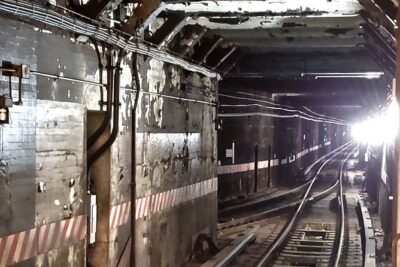
Underground Subway Guided Tour with Local New Yorker
Read our review →

New York 8 Hour Main Attractions Tour with City Bus/Subway
Read our review →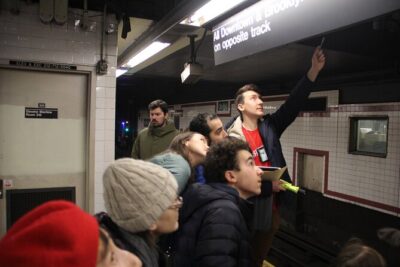
Browse the lists this tour appears in